Britain might seem like a quiet place, but step into the right habitat, and you’ll hear some seriously impressive wildlife acoustics that’ll make your ears prick up.
While most of us are familiar with the cacophony of chirps and songs the likes of sparrows, starlings, and other common British birds make outside our windows before the sun even comes up, for instance, that’s nothing in comparison to many of the animals roaming the UK as loudly as possible.
The bittern’s boom shakes entire marshlands.
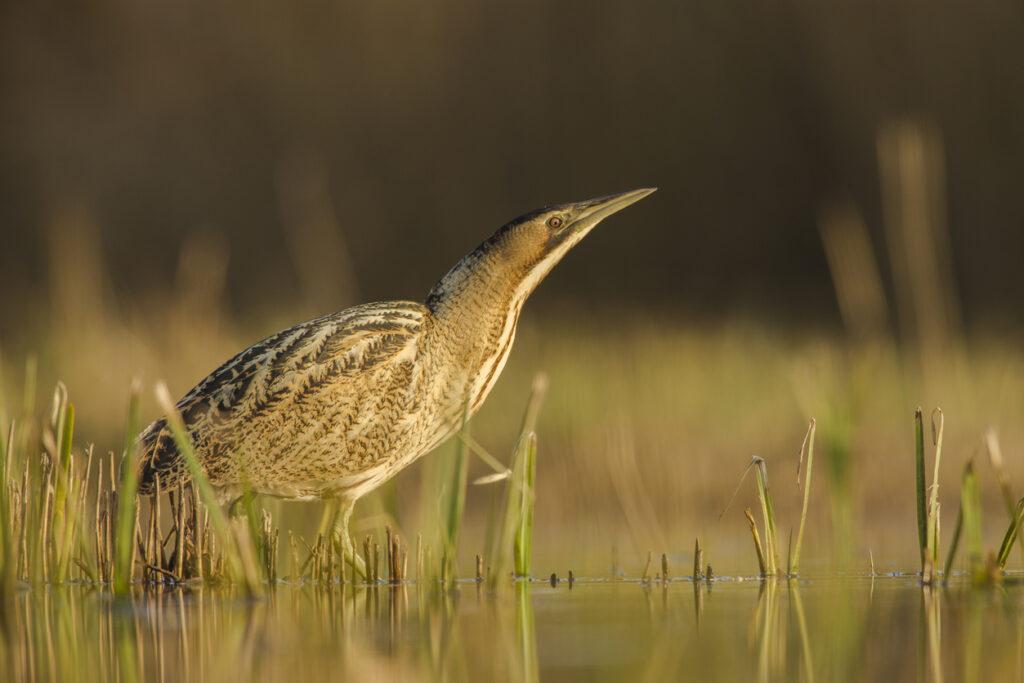
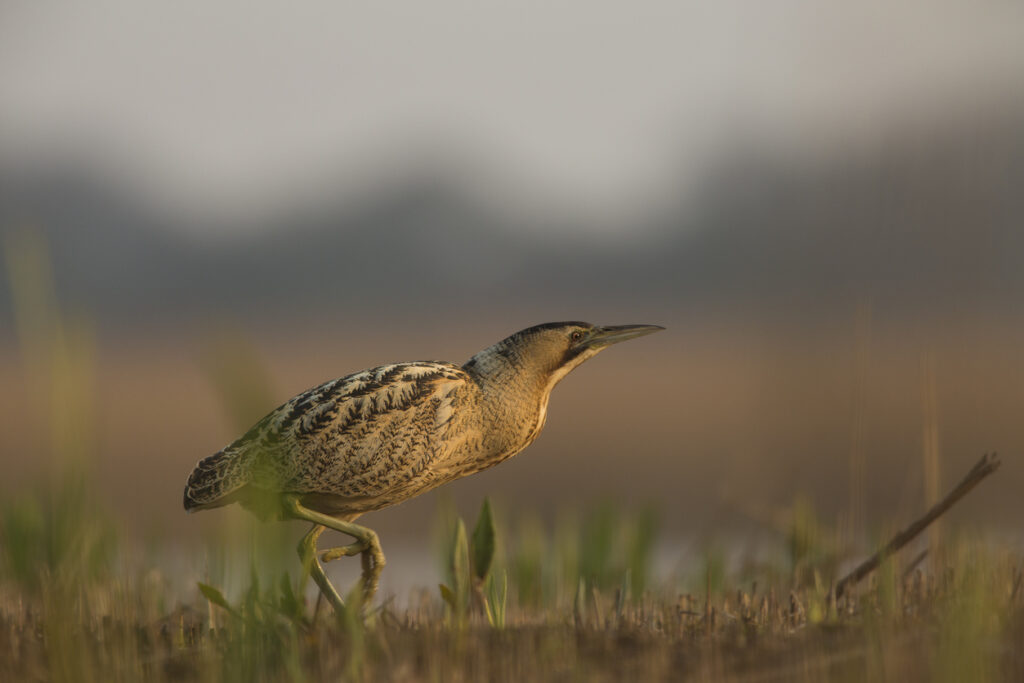
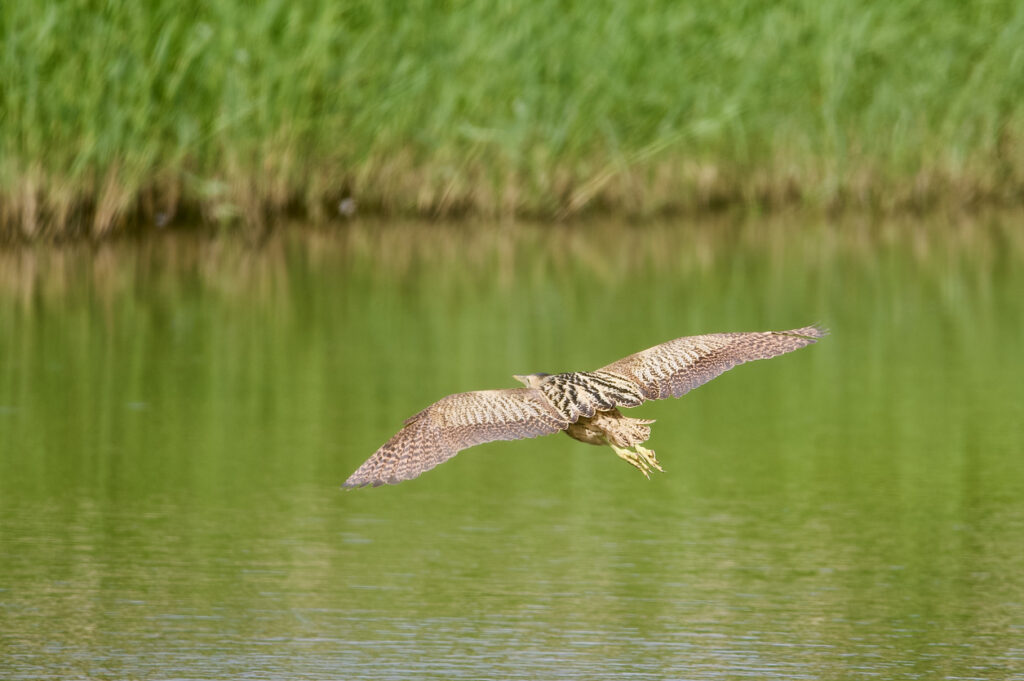
Deep in East Anglian reedbeds lives Britain’s loudest bird: the bittern, whose booming call hits 100 decibels and carries up to 5 kilometres. This isn’t some gentle woodland warble; it’s a sound that’ll make you stop dead in your tracks and wonder what on earth just happened.
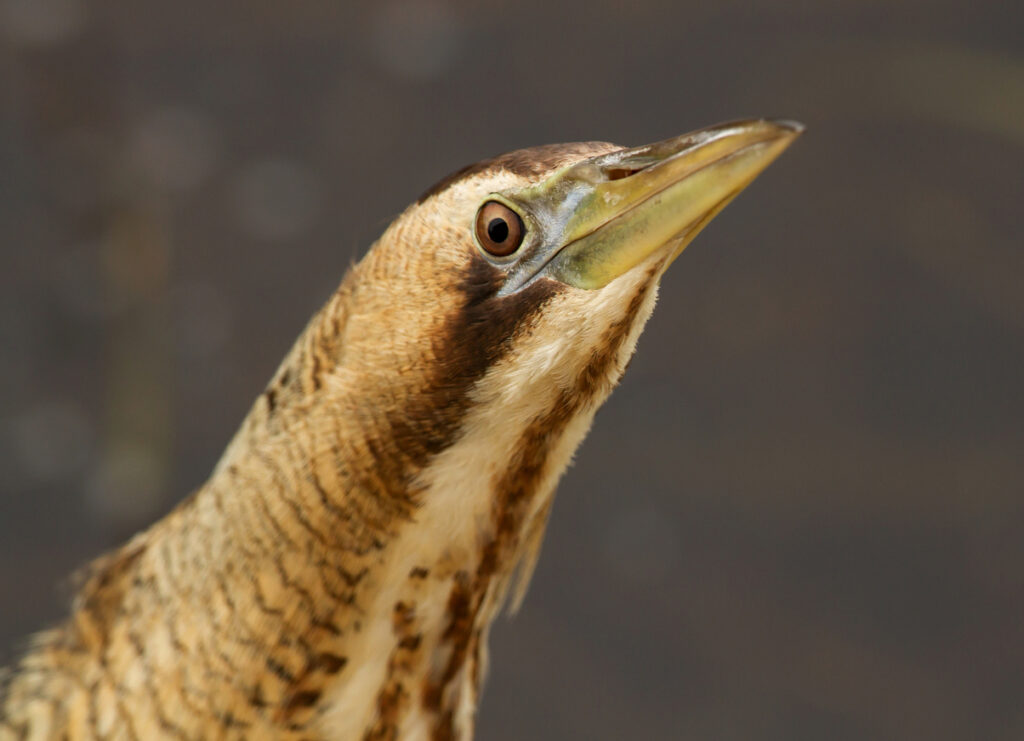
Male bitterns create this incredible noise by inflating their oesophagus like a balloon, then pushing all that air out in a series of deep, resonant booms. Their throat muscles alone make up a fifth of their body weight, and each boom is totally unique, like an acoustic fingerprint that researchers use to identify individual birds from miles away.
Red deer roars echo across the Scottish highlands.
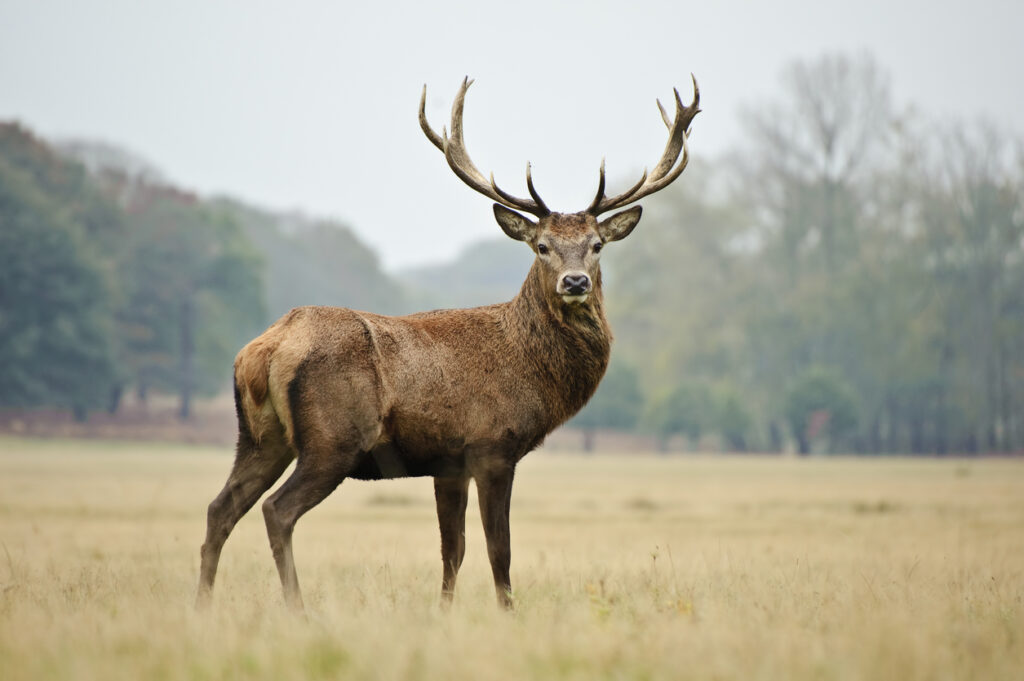
During autumn’s rutting season, male red deer let rip with roars and groans that carry across vast moorlands. These aren’t quiet little calls. In reality, they’re full-throated declarations of dominance that can be heard echoing through valleys for ages.
Stags roar to tell other males exactly how big and tough they are without having to get into actual fights. The deeper and more powerful the roar, the more likely competitors are to back down and find somewhere else to be. It’s basically nature’s version of flexing your muscles from a distance.
Tawny owls get loudest when kicking out the kids.
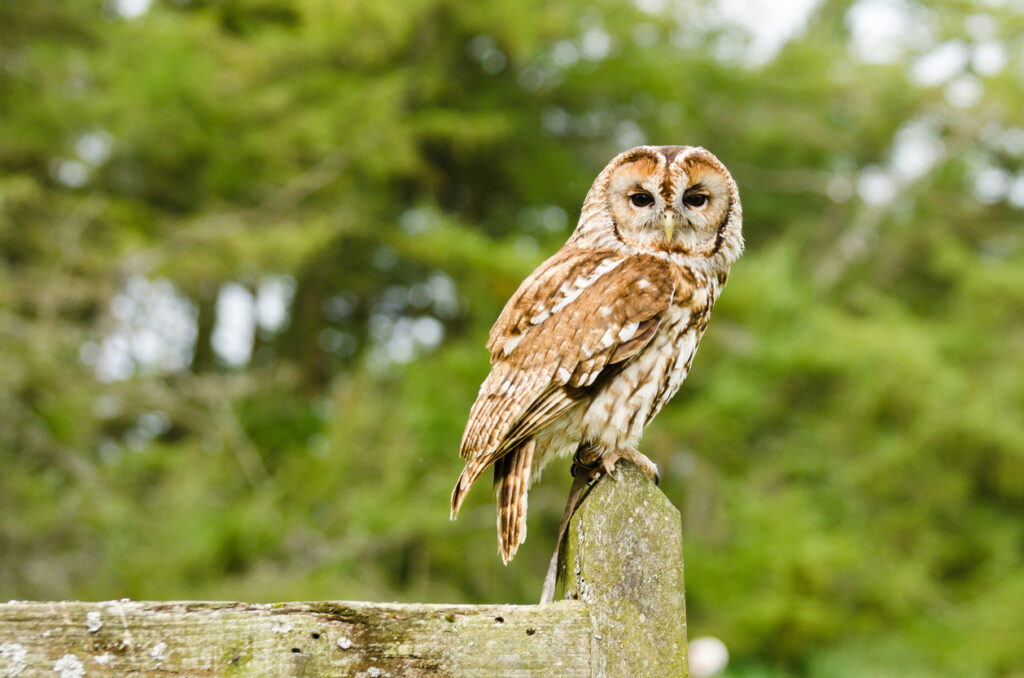
Come autumn and winter, adult tawny owls ramp up the volume as they tell their grown-up youngsters it’s time to move out and find their own territory. You’ll hear the female’s sharp ‘too-whit’ followed by the male’s deeper ‘too-whoo’ cutting through the evening air.
That famous “twit-twoo” sound isn’t actually one owl; it’s a conversation between a mated pair, with each bird adding their own note to create the classic call everyone recognises. Think of it as nature’s version of a duet, except they’re basically having a chat about household management.
Little owls prove size doesn’t matter for volume.
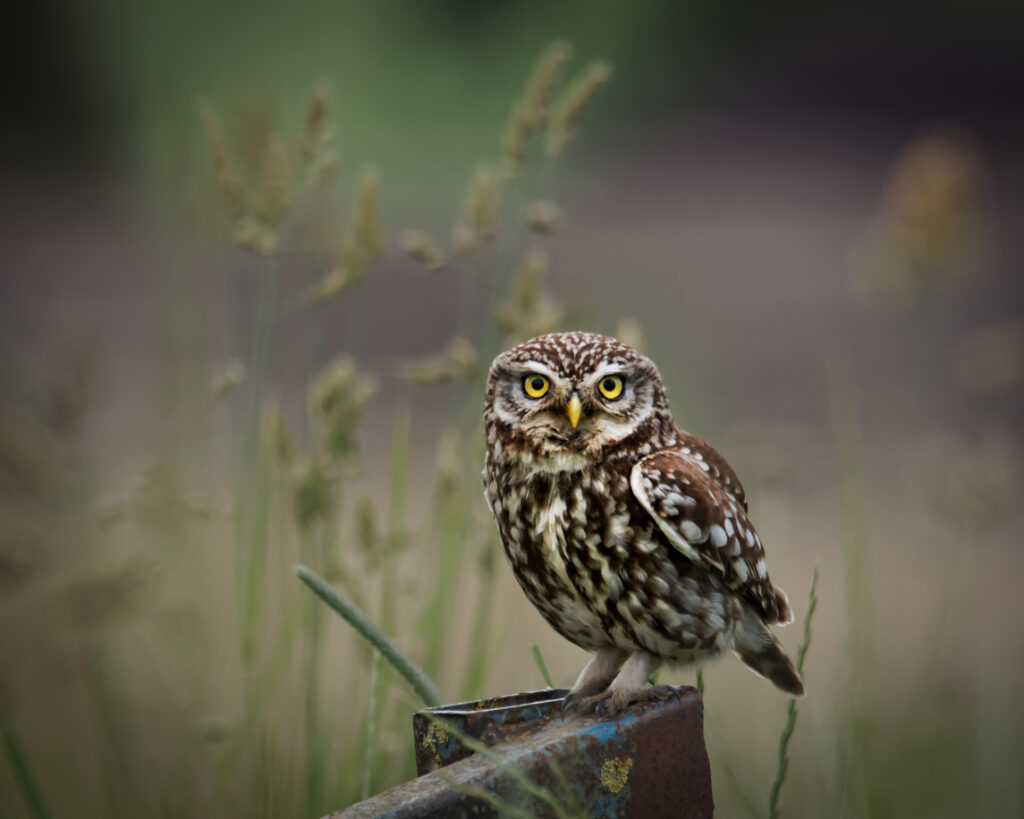
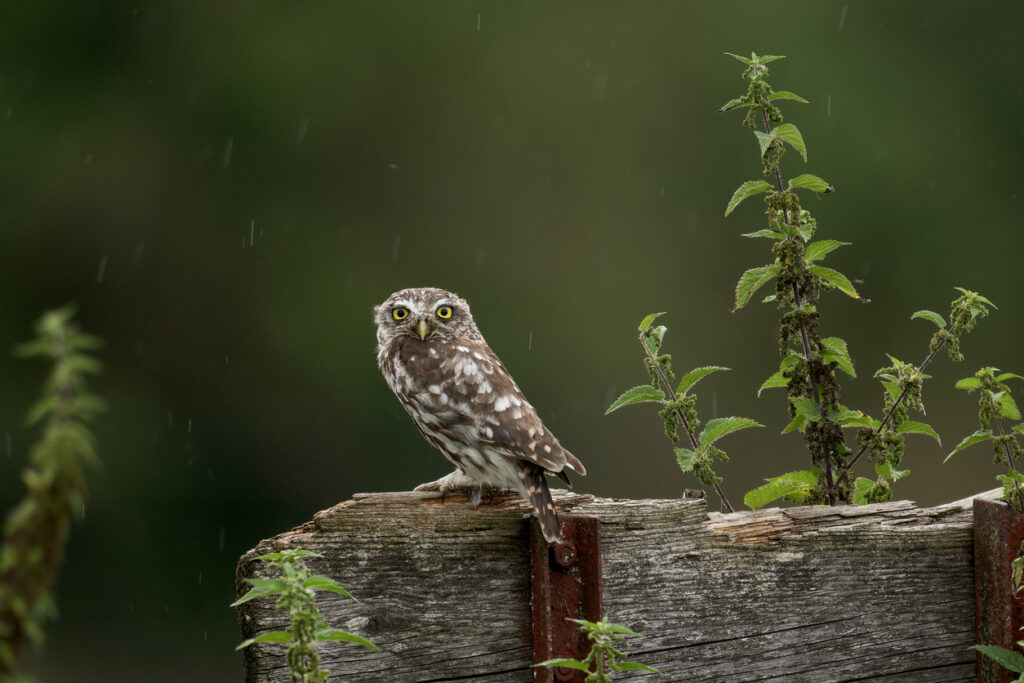
These tiny owls might look cute and harmless, but during breeding season they turn into proper noise machines with excitable squeals and chirps that can surprise you with their intensity. Don’t let their small size fool you because they’ve got serious vocal power when they want to use it.
Little owls get loudest when establishing territories in late winter and early spring, basically announcing to the world that this patch is theirs and everyone else can jog on. Despite weighing less than a bag of sugar, they can produce calls that carry much further than you’d expect from something so small.
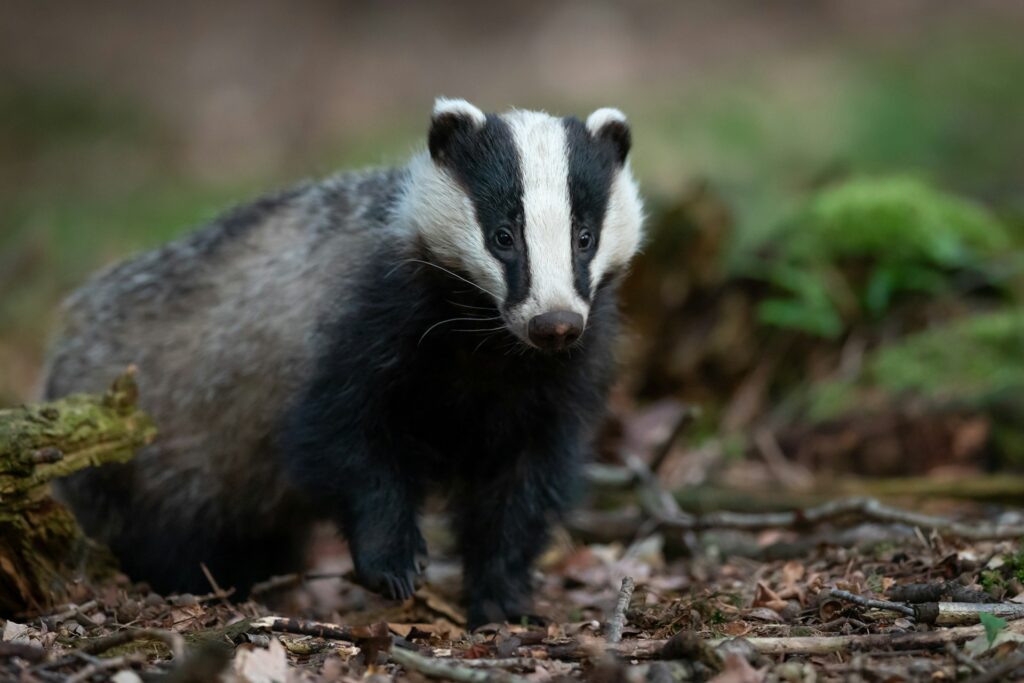
Badgers are actually quite chatty when you catch them.

Everyone thinks badgers are these silent, mysterious creatures that sneak around without making a sound, but they’re actually pretty social animals with quite the vocabulary. When you do hear them, they’re usually having proper conversations with their family groups.
Listen out for growling, grunting, squealing, squeaking, snuffling, and even what can only be described as ‘chortling.’ After all, badgers have developed their own language that covers everything from “I found food” to “get out of my territory.” Most of their communication happens through scent, but the vocal stuff is fascinating when you catch it.
Why Britain’s animals are making all this racket.

All this noise isn’t just animals showing off; every call, roar, and boom serves a specific purpose that’s crucial for survival. Most loud calls are about territory, mating, or keeping family groups connected across large distances where visual contact isn’t possible.
Territory calls basically work like invisible fences. They let other animals know exactly where boundaries are without anyone having to get into fights. Mating calls are nature’s dating apps, helping animals find suitable partners across vast landscapes, while family calls keep groups together and coordinate activities like hunting or defending against threats.
The bittern’s remarkable comeback story is worth mentioning.
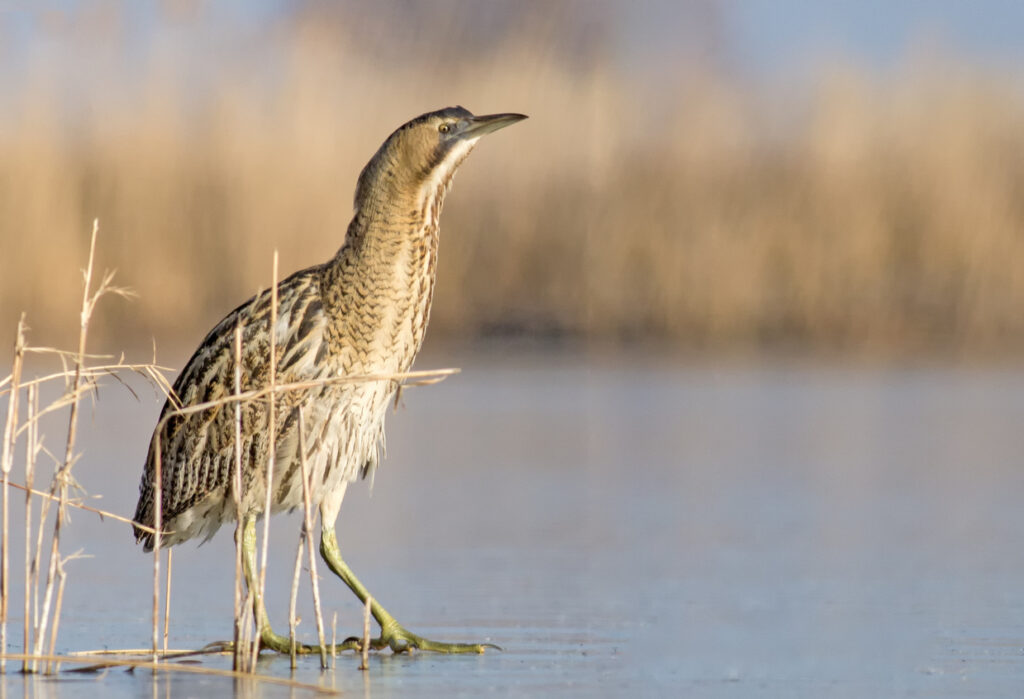
Bitterns nearly became extinct in Britain. By 1997, there were just 11 booming males left in the entire country. The silence in our marshlands was becoming permanent, and most people thought we’d lost these incredible birds forever.
Conservation efforts focused on creating and restoring reedbeds have brought them back from the brink. The latest count recorded 283 booming males, which represents a 20% increase and the biggest jump since monitoring began. Over half of Britain’s bitterns now live on RSPB reserves, where rangers carefully manage their habitat.
When and where to catch these acoustic performances
Timing makes all the difference when you’re trying to hear these sounds. Most wildlife is loudest at dawn and dusk, with calm, still days offering the best acoustic conditions. Early morning tends to be prime time for most calls, while sounds travel much further when there’s no wind to interfere.
For bittern booms, head to places like Minsmere, Lakenheath Fen, or Ham Wall between April and June. Dawn and dusk are your best bets, though they can boom at any time. Red deer roars echo across the Scottish highlands, the Lake District, and the New Forest during September to November, while tawny owl conversations happen pretty much anywhere there are mature trees.
How animals actually produce these incredible sounds
The mechanics behind these calls are genuinely fascinating. Bitterns basically turn their entire throat into a resonating chamber, while red deer have developed vocal cords that can handle the strain of repeated powerful roars. It’s not just about having big lungs or being generally loud.
Each species has evolved specific anatomical features for their signature sounds. Bitterns have that inflatable oesophagus system, owls have asymmetrical ear openings for precise sound location, and deer have reinforced throat structures that can cope with weeks of non-stop roaring during rutting season. The energy these animals put into vocalising is massive.
The hidden costs of being Britain’s loudest
Making all this noise comes with serious downsides. Loud calls can attract predators, reveal locations to competitors, and use up enormous amounts of energy that could go towards finding food or staying warm. Animals only get this vocal when the benefits clearly outweigh the risks.
Male bitterns can lose significant body weight during breeding season because they spend so much energy on booming, while rutting stags often emerge from mating season exhausted and underweight. The fact they’re willing to pay these costs shows just how crucial these acoustic displays are for reproductive success.
How human noise affects wildlife communication

Road traffic, aircraft, and industrial noise can seriously mess with these natural communication systems. Animals struggle to hear each other’s calls and often have to change their behaviour or calling patterns. What seems like background noise to us can be deafening interference for wildlife.
Studies show birds living near busy roads have to call louder and at different frequencies to be heard, while some mammals change their most important communications to quieter times of day. The contrast between human-made noise and natural sounds highlights just how vital these animal voices are for ecosystem health.
Why these sounds are so important for British wildlife
These calls aren’t just interesting curiosities. They’re essential threads in the fabric of British ecosystems, helping maintain genetic diversity, territorial boundaries, and social structures that have evolved over thousands of years. When these sounds disappear, entire ecological relationships can collapse.
Every boom, roar, and hoot represents successful adaptation to British landscapes and climate. Lose these vocal traditions, and you lose crucial knowledge about how to survive and thrive in our specific environments. The recovery of bittern populations shows what’s possible when we prioritise protecting these acoustic landscapes alongside physical habitats.
Next time you’re out in the British countryside, take a moment to really listen. You might catch one of nature’s most extraordinary acoustic performances echoing across the landscape, which is a reminder that even in our supposedly quiet corner of the world, wildlife definitely knows how to make itself heard when it matters.