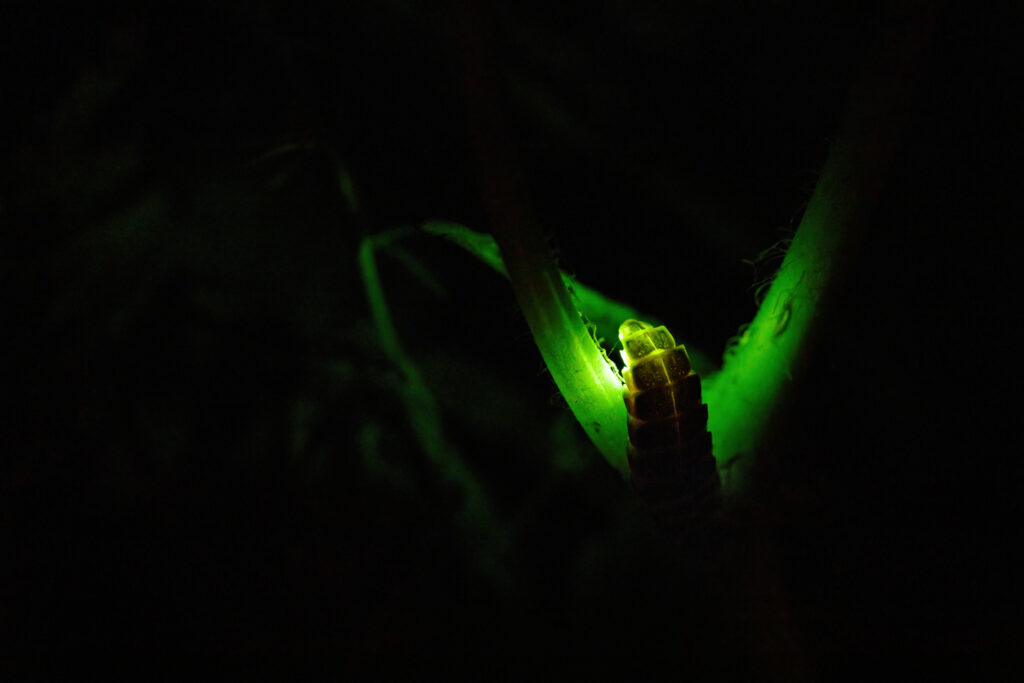
A team from Leicestershire and Rutland Wildlife Trust has reported an astonishing resurgence of glow-worms at Ketton Quarry, Rutland. According to a report from BBC News, volunteers counted an incredible 86 glowing females, far surpassing the previous record of 35 at the same site, as well as eight males lighting up the night, making it the biggest one-night female count on record for the area. Trust ecologist Tim Sexton said the jump is down to last summer’s “very warm and wet” weather, which led to a bloom in snails and slugs, a critical food source for glow-worm larvae.
These luminous beetles, which are technically flying insects, have seen sharp declines in many parts of Britain, driven by habitat loss, intensive farming, and light pollution. But this uptick shows what cleverly managed green spaces can do. Sexton added that it’s a reminder of “the magic that’s in the natural world that’s worth protecting.” It’s a moment of hope, but it’s also a call to dig deeper into what’s working here so the gains last.
Why the quarry is glowing, and it’s not just at night
Glow-worms really thrive under the right conditions. Females emit light from their tails to attract mates, and this happens most often between May and late July. Their larvae hatch in summer, feed on slugs and snails through mild, moist northern seasons, often taking up to two years before pupating, and then emerge as glowing adults for just a short time.
At Ketton, the mix of grassy edges, scrub, and open ground creates ideal breeding grounds, and the weather played its part too. That flood of food led to a boom in larval numbers last year, giving a record group of adult females the chance to shine this summer.
Impressively, these beetles help maintain a balanced ecosystem: larvae eat pests like slugs, and adults provide food for bats and owls. Plus, their presence suggests the wider green network around the quarry is healthy—open ground, low light pollution, and pesticide-free areas all help.
A positive sign for nature
The revival at Ketton is more than a quirk of nature. It’s a reminder that conservation can work. Glow-worms are a favourite of wildlife groups and a draw for evening visitors, raising awareness of broader eco-issues like biodiversity. Highlighting one success can spark interest across the UK in protecting other green refuges such as old railway lines, churchyards, meadows, and woodland edges.
Of course, it’s fragile. Light pollution and land-use change can wipe out local populations fast. That’s why projects such as the UK Glow-worm Survey and volunteer initiatives at estates like Lowther are so crucial. They help track trends, guide habitat management, and shape local planning decisions. For communities, glow-worm nights become a gateway to care about wildlife. If that leads to more wildlife-friendly gardens, less pesticide use, or dark-sky street lighting, everybody wins.
Conservation bodies are already leaning in. The success at Ketton is a nudge to preserve other lowland habitats and may encourage councils to reconsider removal of hedgerows or the introduction of artificial lighting, which disrupts mating rituals. It may even prompt agricultural and housing planning to factor in glow-worm-friendly buffer zones.
This story of glow-worm resurgence in Rutland isn’t just about one quarry. It’s about how we manage our countryside, the choices local authorities make, and the ways ordinary people can help bring back the glow to Britain’s evenings.