Most people look at their cat and wonder at some point, “What on earth are you made of?”
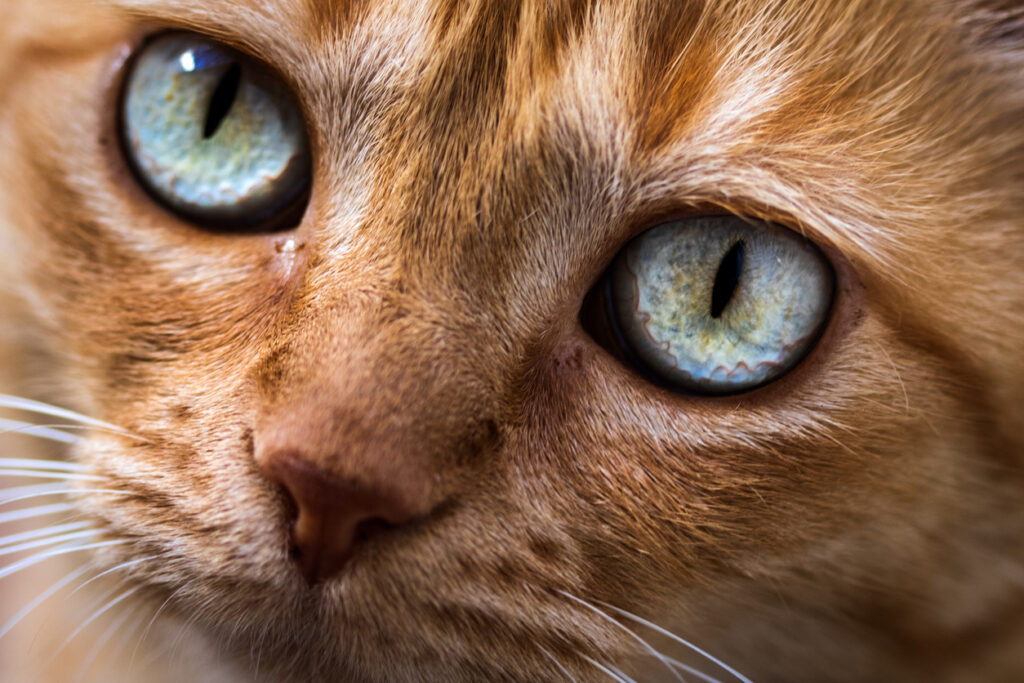
Cats are a mix of quirks, looks and habits, and it’s natural to get curious about where all that comes from. Not everyone wants to fork out for a DNA test, though, and luckily, you don’t need one to get a decent idea of your cat’s background. You can learn a surprising amount just by paying attention to the way they look, move and behave day to day.
Once you start noticing the little details, such as the shape of their face or the length of their coat, certain patterns begin to appear. Certain traits are closely linked to certain breeds, and when you line them up, you can get a pretty good picture of what’s mixed in there. It’s not an exact science, but it’s a fun way to understand your cat a bit better and see which breed traits they might have inherited.
Look at their face shape.
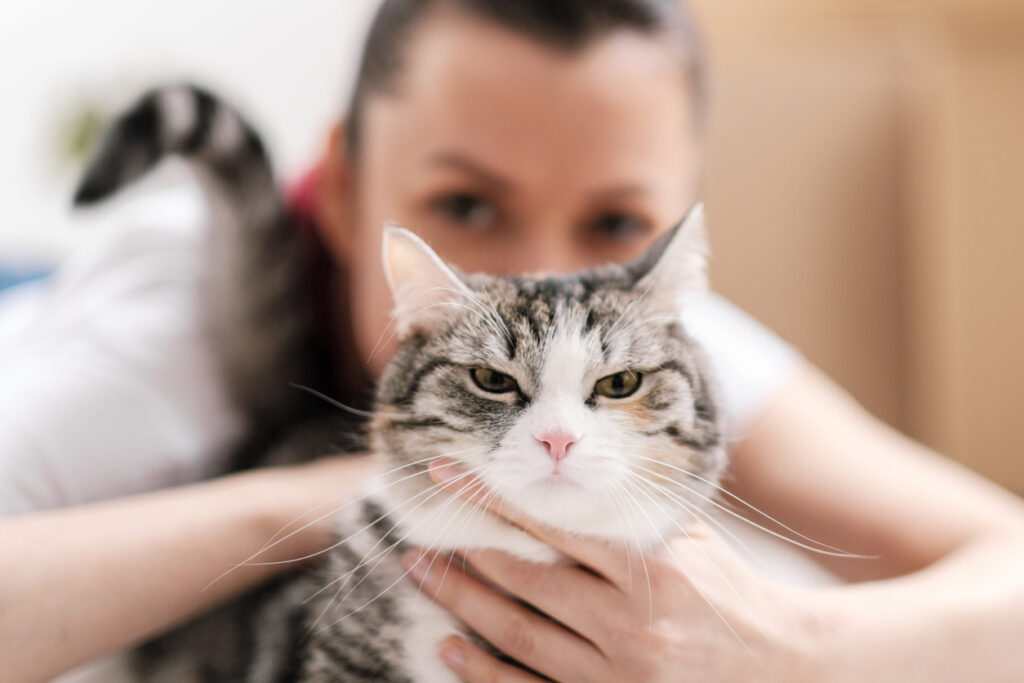
Cats with round faces, soft cheeks and wide eyes often have British Shorthair in them. Cats with long, narrow faces and big ears can have Oriental or Siamese in their background. The shape gives you a hint about where they come from. If your cat’s face is broad and solid, it points toward stocky breeds. If it’s slim and pointed, it hints at lighter, more active breeds.
Check the size of their body.
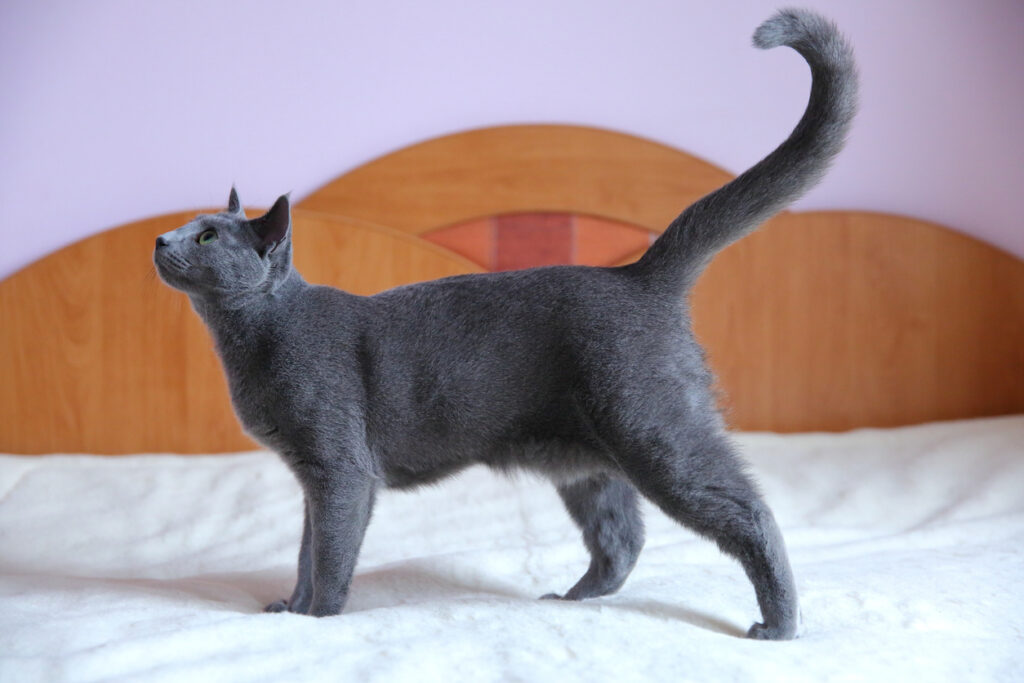
Large, strong cats may have Maine Coon or Norwegian Forest Cat traits because these breeds are known for their big frames. Small, light cats often link back to breeds like Siamese or Burmese, which stay slim even when fully grown. Watching how your cat moves also helps. Big breeds move slowly and smoothly, while smaller breeds tend to move fast and lightly.
Look at their coat length.
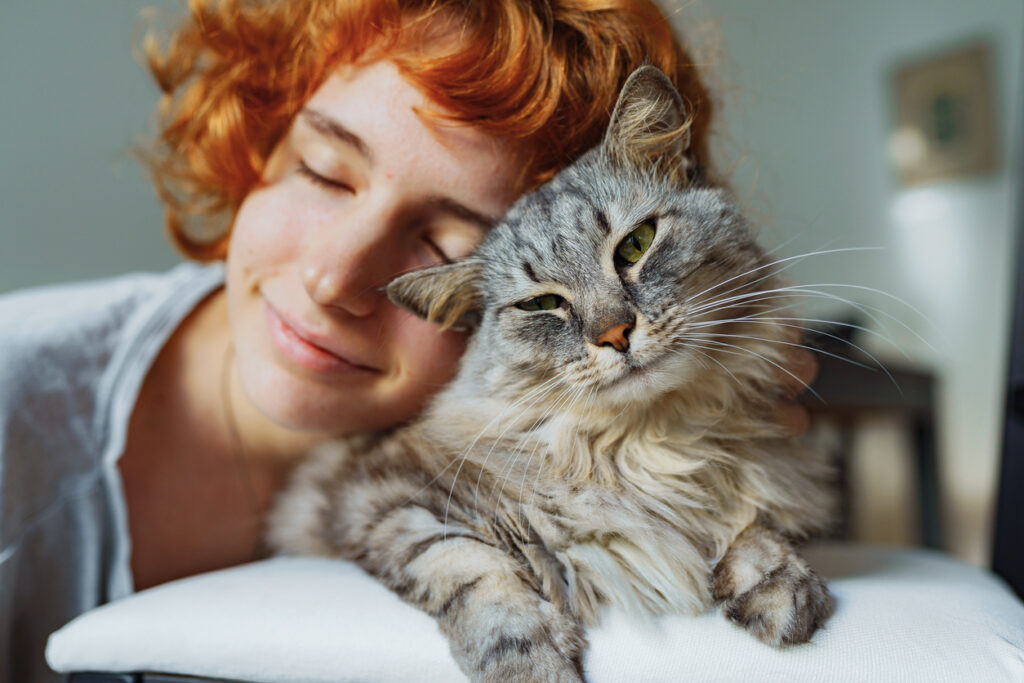
Long-haired cats often have Persian, Ragdoll, or Maine Coon in them. Medium or short coats usually point to British Shorthair, Burmese, or domestic shorthair mixes. Coat length is one of the clearest clues you can find. If your cat has long hair around the neck or tail, it may show traits of long haired mountain breeds that needed thick fur for cold climates.
Check their coat pattern.
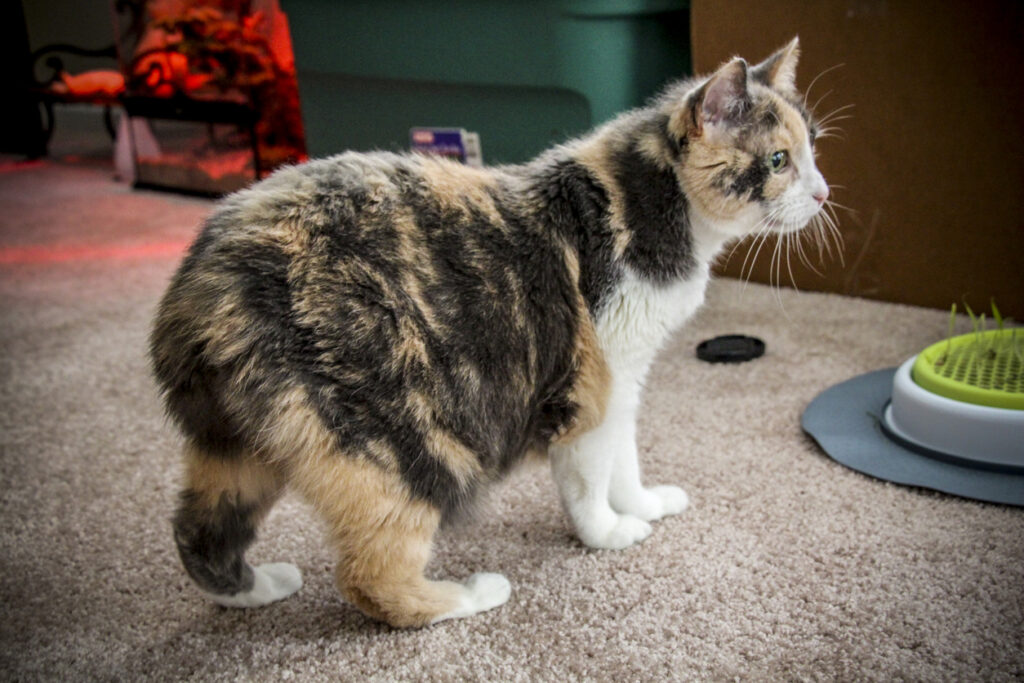
Tabby patterns are extremely common and can show up in almost any breed, but spotted or marble patterns can hint at Bengal ancestry. Solid colours like all black or all grey often point to British or Russian type mixes. Colour and pattern can’t confirm a breed alone, but they do add useful hints when matched with body shape and behaviour.
Notice their fur texture.
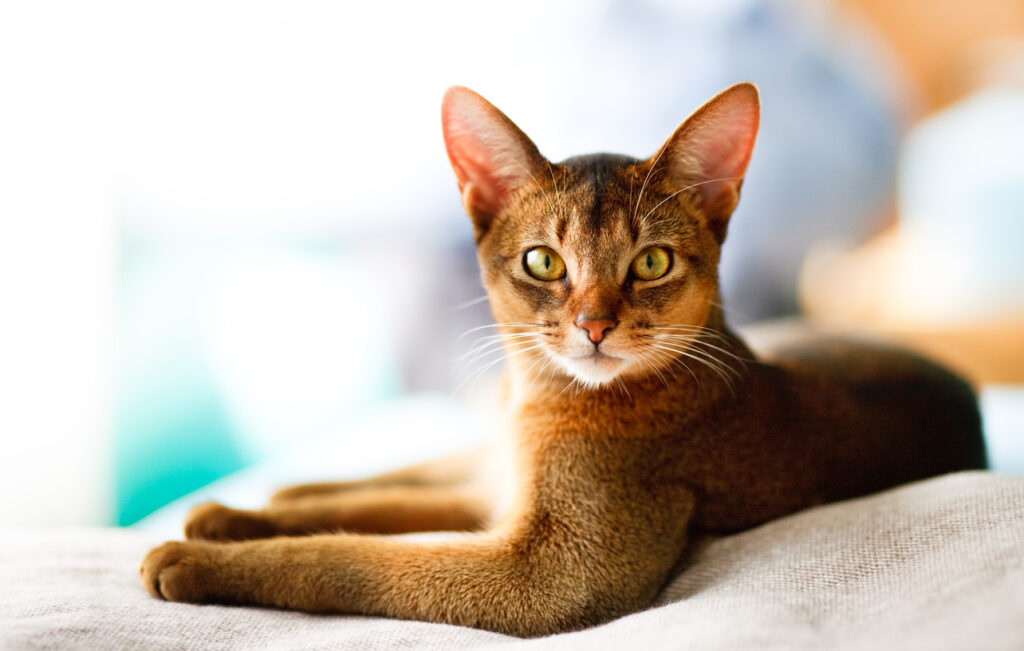
Soft, plush fur that feels dense could come from British Shorthair or Scottish Fold lines. Silky flat fur often links to Oriental, Siamese or Burmese heritage. Curly fur is rare and points toward Rex breeds. Texture can be a strong clue because it stays the same even when coat colours change through shedding seasons.
Look at their ears.
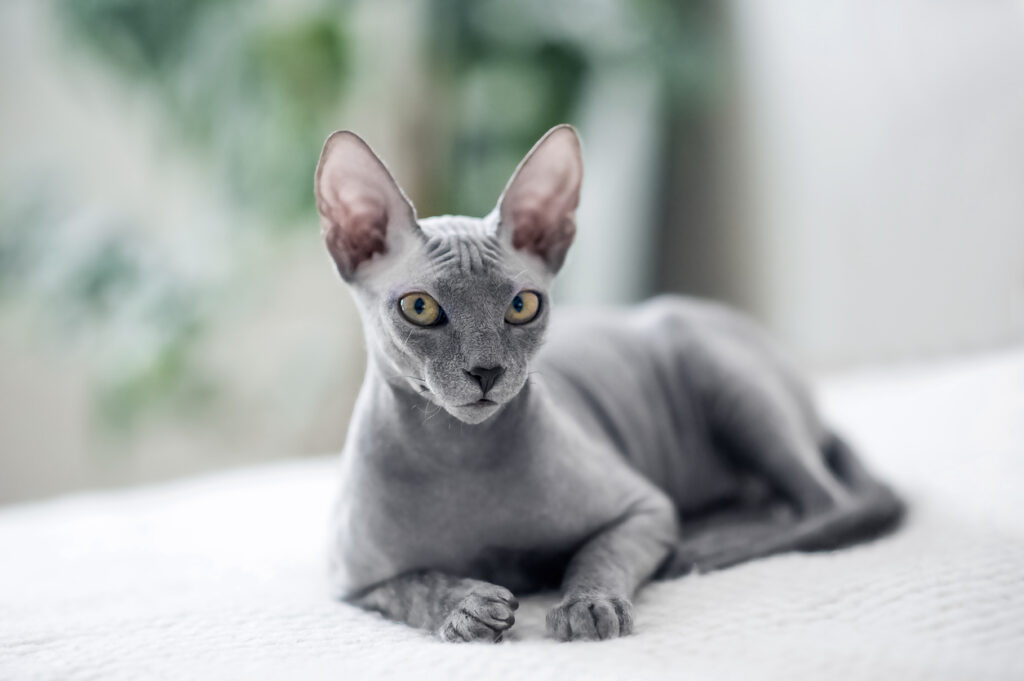
Large pointed ears, especially when set wide apart, are common in Siamese and Oriental mixes. Small, rounded ears are more common in British or Persian types. Folded ears almost always link to Scottish Fold genes. Even the angle of the ear can give clues, as some breeds naturally hold their ears higher or lower than others.
Check the tail length and shape.
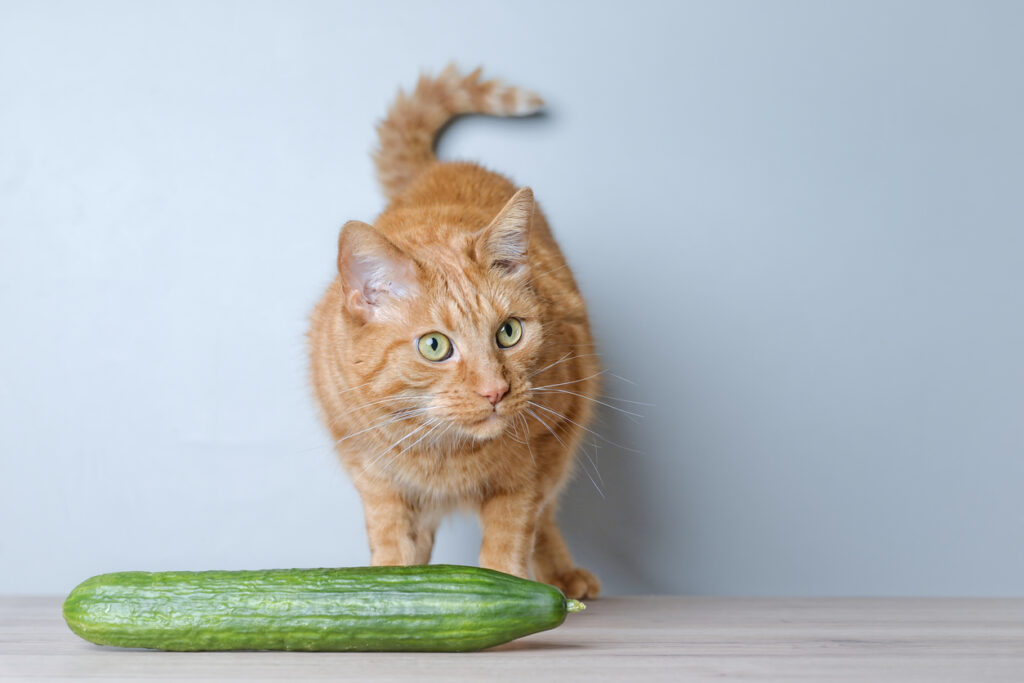
Long fluffy tails may point to Norwegian Forest Cats or Maine Coons. Shorter, neat tails are common in British and Burmese mixes. A very thin tail can hint at Oriental breeds. The way your cat holds their tail can also help. Confident, upright tails are common in social breeds like Ragdolls and Siamese.
Look at their eyes.
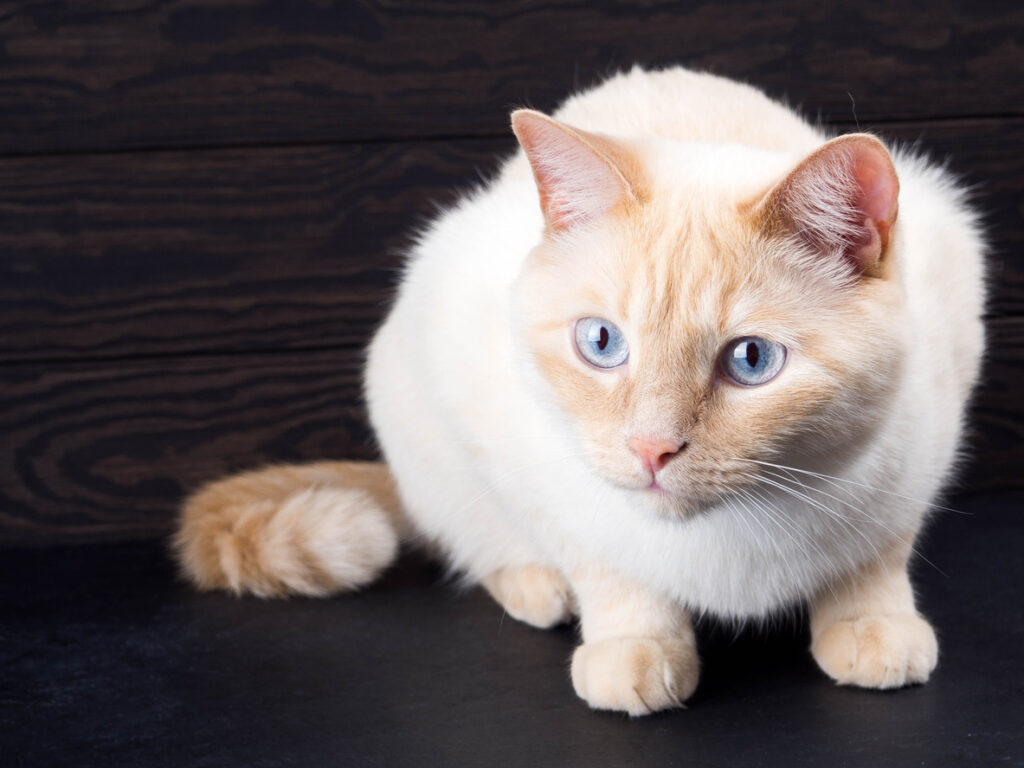
Bright blue eyes often suggest Siamese, Ragdoll, or Birman heritage. Green or golden eyes are common in British Shorthairs and mixed domestic cats. Very round eyes can point toward Persian or Scottish Fold ancestry. The size and shape can also give clues, as some breeds naturally have almond shaped eyes while others keep them wide and open.
Notice how vocal they are.
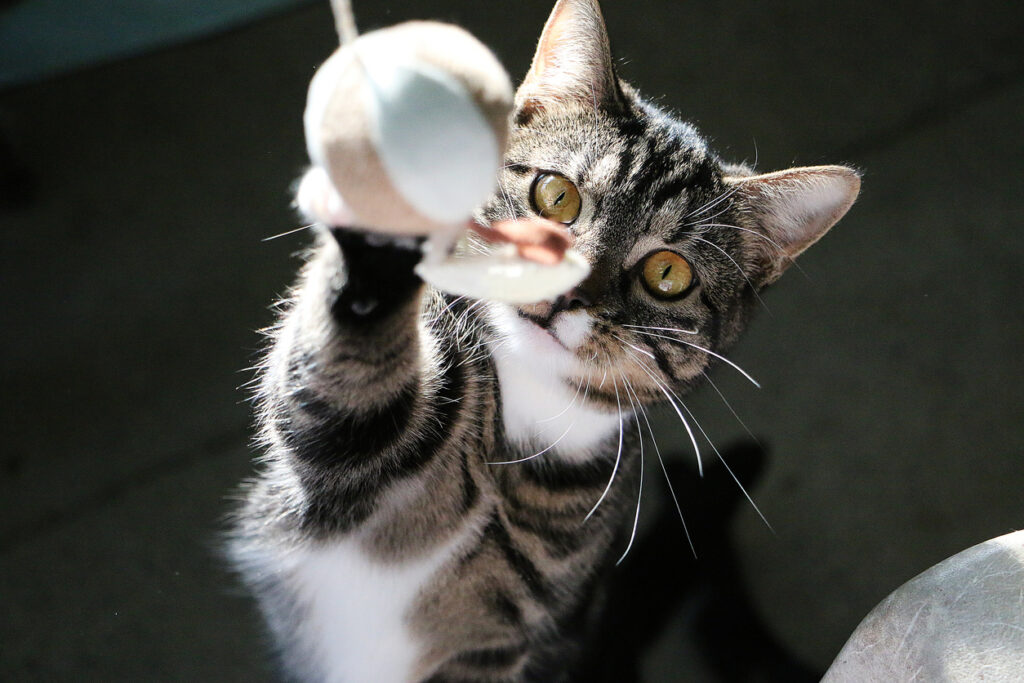
Siamese and Oriental mixes tend to talk a lot and use loud, expressive meows. Quiet and gentle cats may link back to Ragdoll, British Shorthair, or Persian breeds, which are naturally calmer. Personality isn’t perfect proof, but the level of noise is often one of the strongest traits passed down from vocal breeds.
Watch their energy levels.
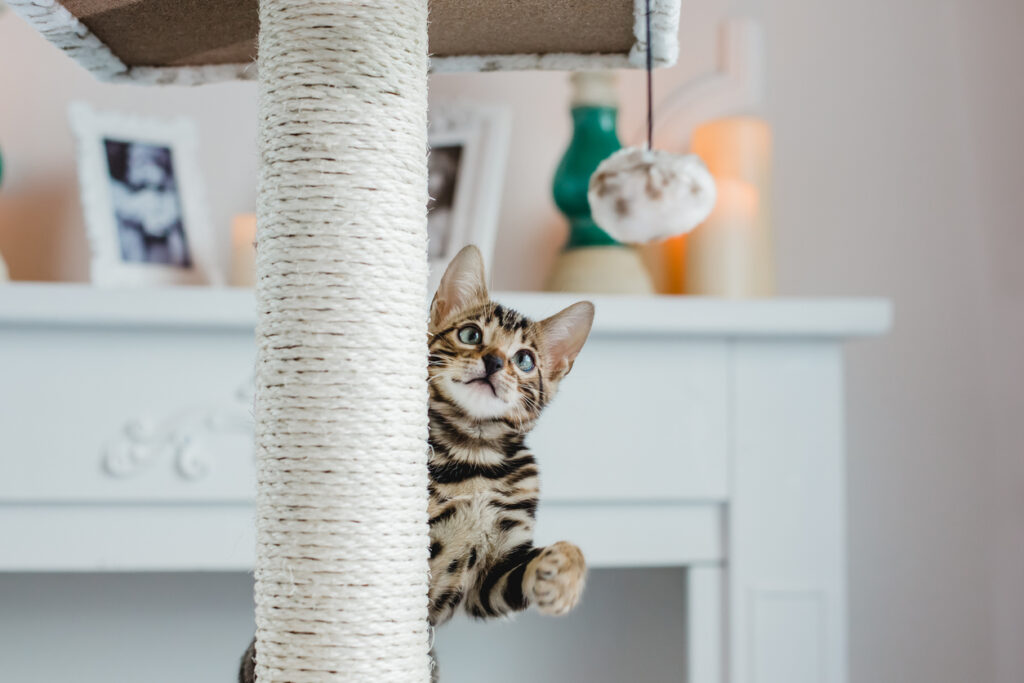
High-energy cats that always explore, climb and run could have Bengal, Abyssinian or Siamese traits. Cats that enjoy gentle play but prefer relaxing may come from British, Persian, or Ragdoll backgrounds. Activity level is an easy clue because breeds developed different personalities based on their original environments.
Look at their paws.
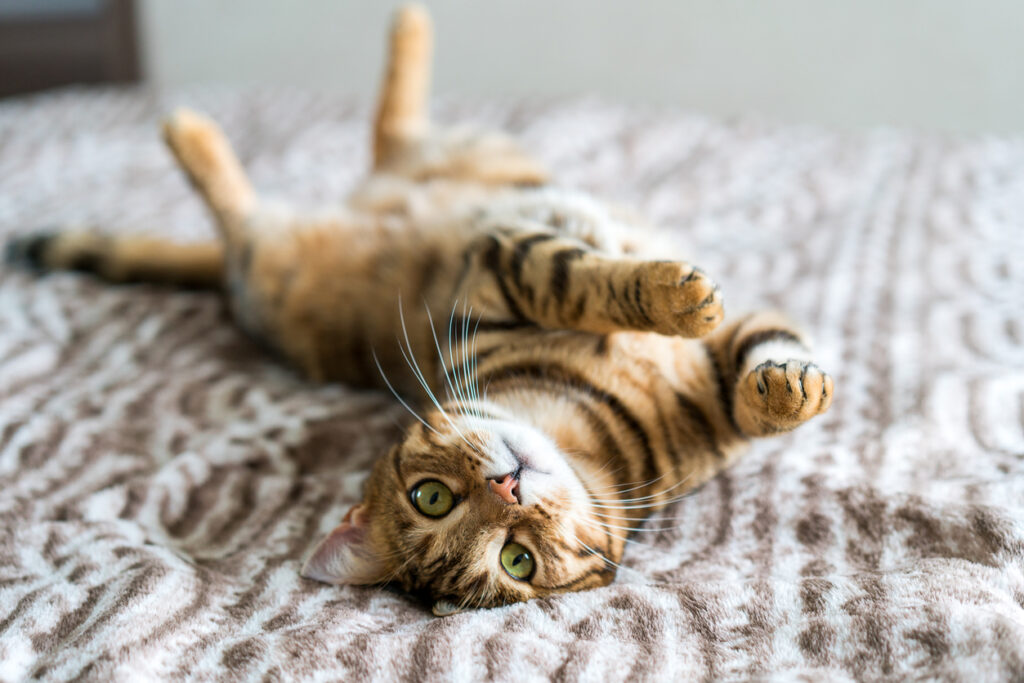
Large paws with tufts of fur often point to mountain breeds like Maine Coon or Norwegian Forest Cat. Neat small paws are common in indoor-type breeds such as Burmese or British mixes. Paw size often stays the same across generations even when coat or colour changes, which makes it a useful feature to check.
Notice how social they are.

Cats that follow you everywhere or greet strangers may have Ragdoll or Siamese ancestry because those breeds love company. More reserved or independent cats often link back to British or Russian type breeds that prefer calm spaces. How they behave around people gives you a clue about their background because many traits come from long-standing breed habits.
Check their head size compared to their body.
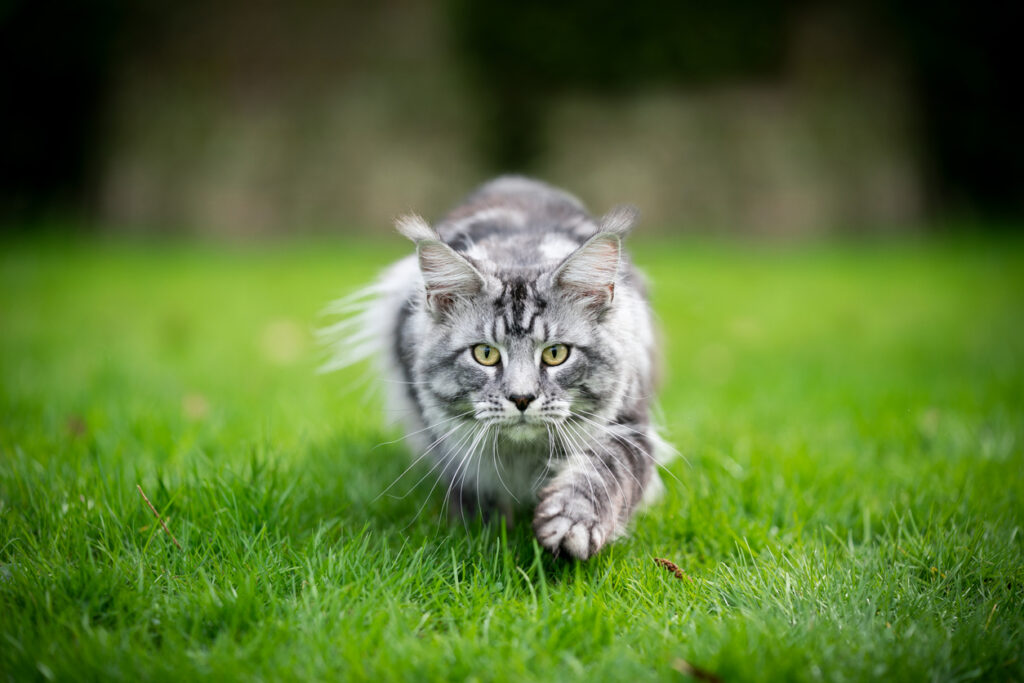
Some breeds, like Maine Coons and British Shorthairs, have noticeably large heads compared to their bodies. Slimmer breeds have small, narrow heads that match their thin frames. This helps narrow down options when mixed with what you already know from their coat and behaviour.
Look at their whisker pads.
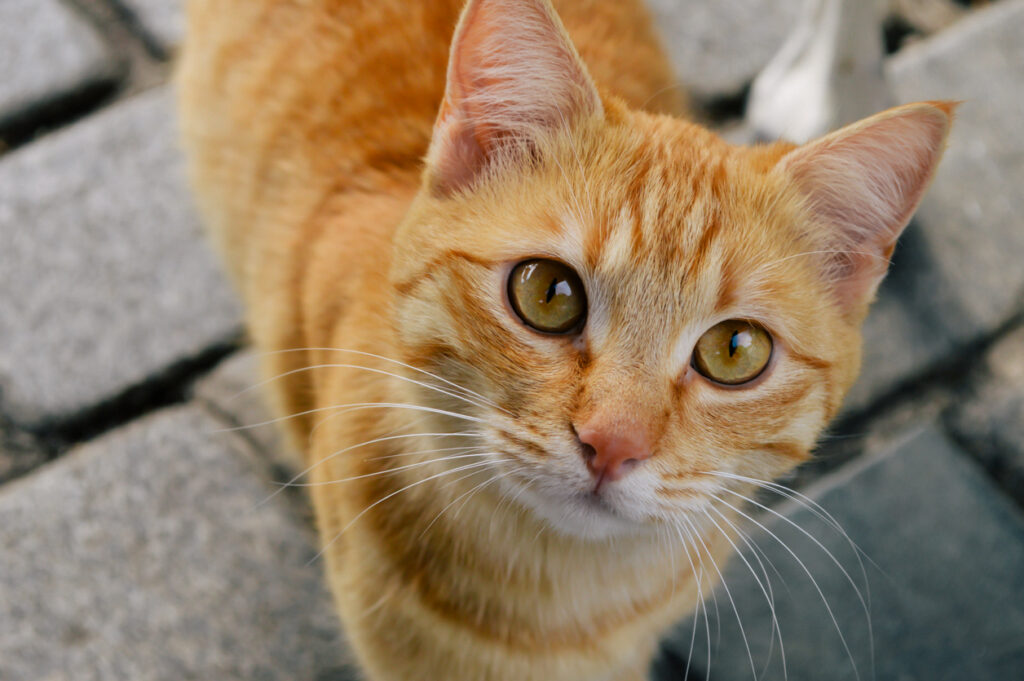
Full, rounded whisker pads can hint at British or Persian influences. Slimmer, flatter whisker pads are common in Siamese and Oriental mixes. Whisker pad shape is often overlooked, but it’s a good detail to check. Because whisker pads don’t change with age, they stay as a steady clue for working out breed traits.
Compare everything together.
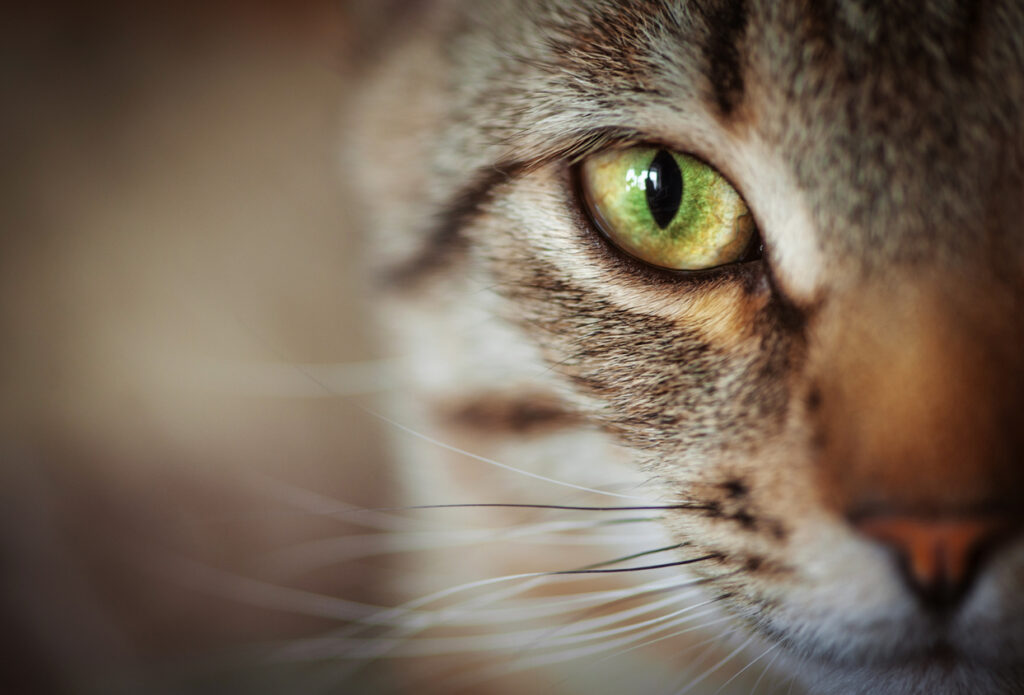
No single feature will confirm your cat’s breed, but putting the clues together gives you a good picture. Body shape, coat type, personality, and facial features all work as a set. The more traits that match a known breed, the more likely that breed is part of your cat’s background. Most cats are a mix of several breeds, so your cat may show bits of different types. That mix is what makes them unique, and understanding their traits helps you know them better.