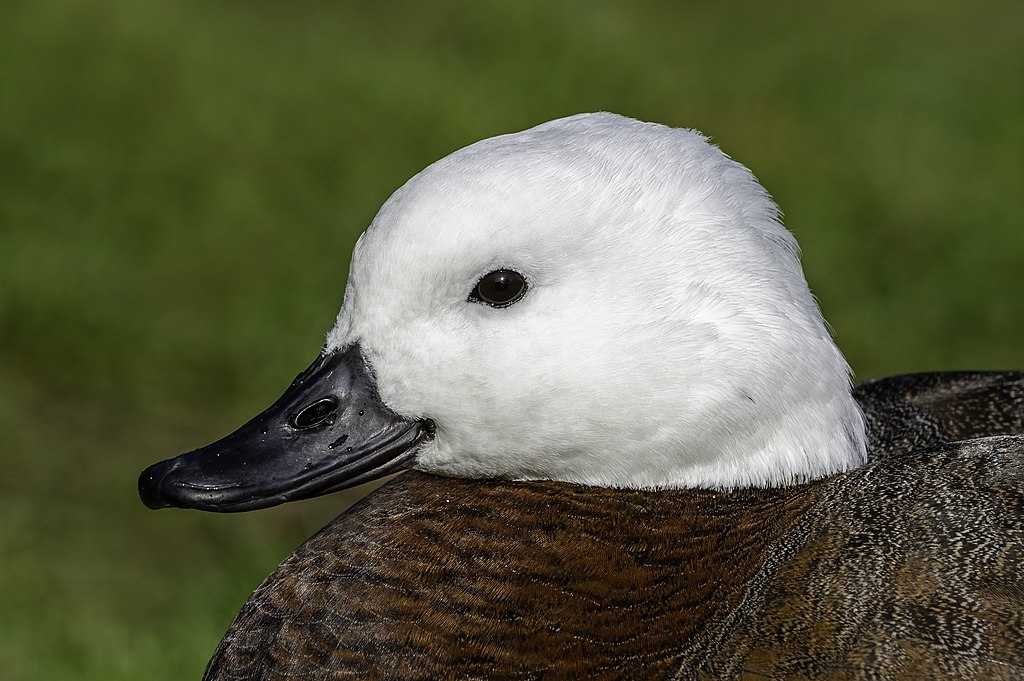
Proving that nature will always surprise and delight us, researchers have just identified a remarkable extinct shelduck from New Zealand’s remote Chatham Islands that evolved to spend more time waddling around on the ground than soaring through the skies. The Rēkohu shelduck chose the pedestrian lifestyle over flight, developing shorter wings and stronger legs during its 390,000 years on the isolated islands before disappearing after humans arrived.
The discovery came from bones found decades ago.
During the 1990s, Museum of New Zealand Te Papa Tongarewa palaeontologist Phil Millener found isolated bones and associated skeletons of an extinct shelduck in the rich fossil deposits around the Chatham Islands archipelago. He noted the bones may belong to a new species, and they were archived until recent scientific advances allowed researchers to properly study them.
Using ancient DNA analysis and modern techniques, scientists finally confirmed this wasn’t just another paradise shelduck, but an entirely separate species that had evolved unique characteristics. The bones had been waiting patiently in museum collections for the right technology to reveal their secrets.
It evolved from paradise shelducks that flew 785 kilometres to the islands.
The Rēkohu shelduck’s ancestors were paradise shelducks from mainland New Zealand who made the epic journey to the Chatham Islands archipelago, 785 kilometres east of mainland Aotearoa New Zealand. These pioneering birds arrived around 390,000 years ago and found themselves in a completely different world.
Once they reached the islands, these shelducks discovered they’d hit the evolutionary jackpot—no predators, plenty of food, and windy conditions that made flying more trouble than it was worth. Over thousands of generations, natural selection favoured birds that were better at ground-based living than aerial acrobatics.
The bird’s wings shrank while its legs grew stronger.
Over time, a preference to spend more time on the ground resulted in the wing bones of the Rēkohu shelduck becoming shorter, more robust and less able to support flight. At the same time, its leg bones became longer and more robust. This is a classic example of “use it or lose it” evolution in action.
The shelducks were essentially trading their frequent flyer cards for hiking boots, developing the kind of sturdy legs that would make any marathon runner jealous. Their wings didn’t disappear entirely but became more like decorative accessories than functional flight equipment.
Island life offered the perfect conditions for flightlessness.
The Chatham Islands provided everything a ground-dwelling bird could want—no mammals to hunt them, abundant food sources, and famously windy weather that made flying exhausting and inefficient. Why struggle against constant gales when you could just walk everywhere instead?
This phenomenon, known as island syndrome, happens when species evolve on predator-free islands and lose traits that were essential for survival on the mainland. Many birds on Rēkohu Chatham Islands show how ‘island syndrome’ influences evolution – they are distinct but remain closely related to species on the mainland.
The islands were home to an incredible diversity of unique birds.
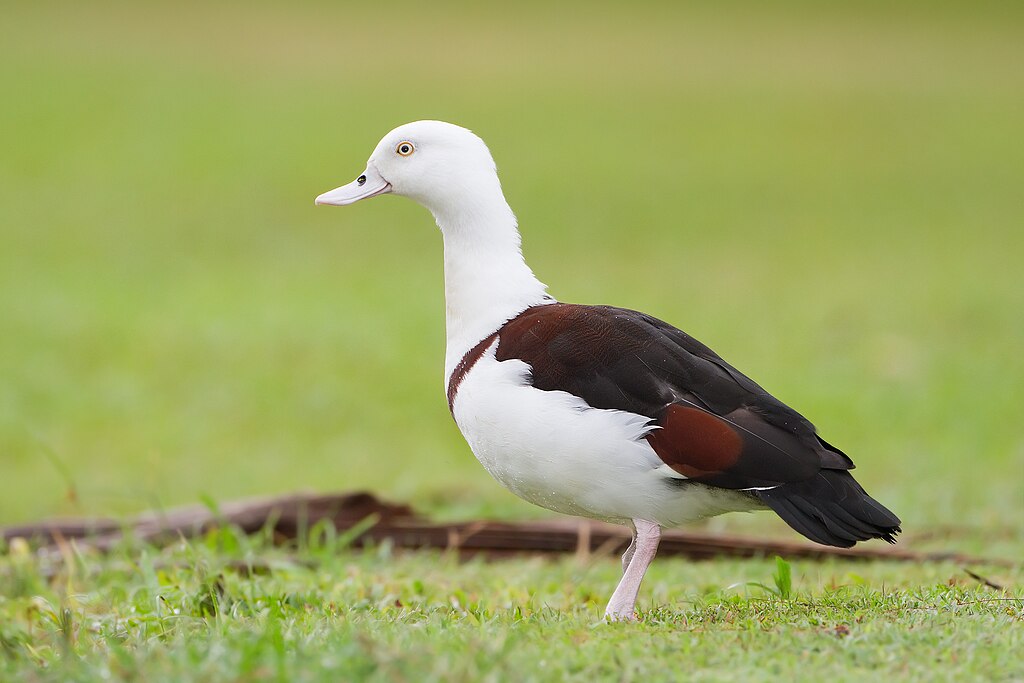
The islands were once home to a rich assemblage of unique birds, with 64 breeding species at the time of human arrival. Some 34 species and subspecies were found nowhere else on Earth. The Rēkohu shelduck was part of this extraordinary avian community that evolved in isolation.
The Rēkohu shelduck is part of a rich native and endemic waterfowl assemblage (nine different species) that was present when people arrived. These birds are survived only by the parera grey duck. This makes the shelduck’s story even more poignant—it was one of many unique species that didn’t survive human colonisation.
The bird was on a trajectory to complete flightlessness.
The Rēkohu shelduck was on a trajectory to flightlessness when it became extinct shortly after humans arrived. If it had survived a few more thousand years, it might have joined the ranks of completely flightless birds like the dodo or kiwi.
Evolution was essentially in the process of creating another flightless island giant, but human arrival interrupted this fascinating evolutionary experiment. The shelduck had already committed to the ground-based lifestyle, but hadn’t quite finished the transition when its time ran out.
It lived alongside other unusual island birds.
The Rēkohu shelduck shared its island home with other remarkable species, including the extinct Chatham Island duck, which was large, flightless and had bony spurs on its wings which were probably used in fights over territory. The islands were essentially a laboratory for flightless bird evolution.
Both the shelduck and the Chatham Island duck represent independent experiments in trading flight for ground-based living, showing how island environments consistently favour this evolutionary strategy when conditions are right.
The species name was gifted by the Moriori people.
The shelduck’s scientific (Tadorna rekohu) and common (Rēkohu shelduck) names were gifted to us by the Hokotehi Moriori Trust, the tchieki (guardians) of Rēkohu biodiversity, with which they are interconnected through shared hokopapa (genealogy).
This collaboration between scientists and indigenous communities ensures that the naming of new species reflects the cultural connection between the Moriori people and their island’s unique wildlife. It’s a beautiful example of how modern palaeontology can honour indigenous knowledge and relationships with the natural world.
Human arrival spelled doom for the walking shelduck.
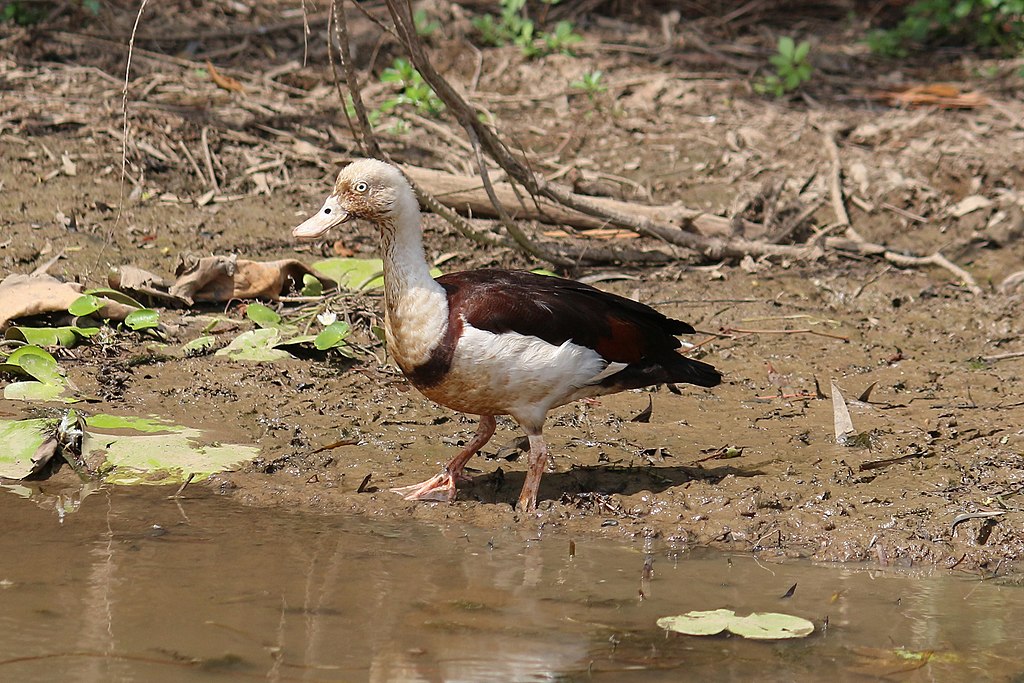
The Rēkohu shelduck was on a unique evolutionary trajectory when it became extinct after humans colonised the islands, but prior to the arrival of Europeans and Māori. The first Polynesian settlers likely hunted these large, easy-to-catch birds for food.
Being flightless made the shelducks sitting ducks, quite literally, for human hunters. They had evolved in a world without land predators and had no defence mechanisms against the new threat. Their ground-based lifestyle, which had been an advantage for 390,000 years, suddenly became their downfall.
The discovery highlights rapid island evolution.
The discovery of the Rēkohu shelduck is a demonstration of the speed at which island species can be changed by their environment. It highlights both the distinctiveness of Rēkohu animals and their close relationship with mainland Aotearoa New Zealand.
In evolutionary terms, 390,000 years is a blink of an eye, yet it was enough time for paradise shelducks to develop into an entirely different species with radically altered anatomy. This research shows just how quickly evolution can work when animals colonise new environments with different selective pressures than their ancestral homes.