Some animals look like they’ve stepped out of another era.
Whether it’s because their bodies haven’t changed for millions of years, or because they survive in ways that seem almost supernatural, they just don’t seem like they belong in the modern world. In many cases, it’s because they first came into existence during a totally different era and have stuck around since then. Here are 14 creatures that feel like wildlife time travellers, largely because they kind of are.
1. Horseshoe crabs
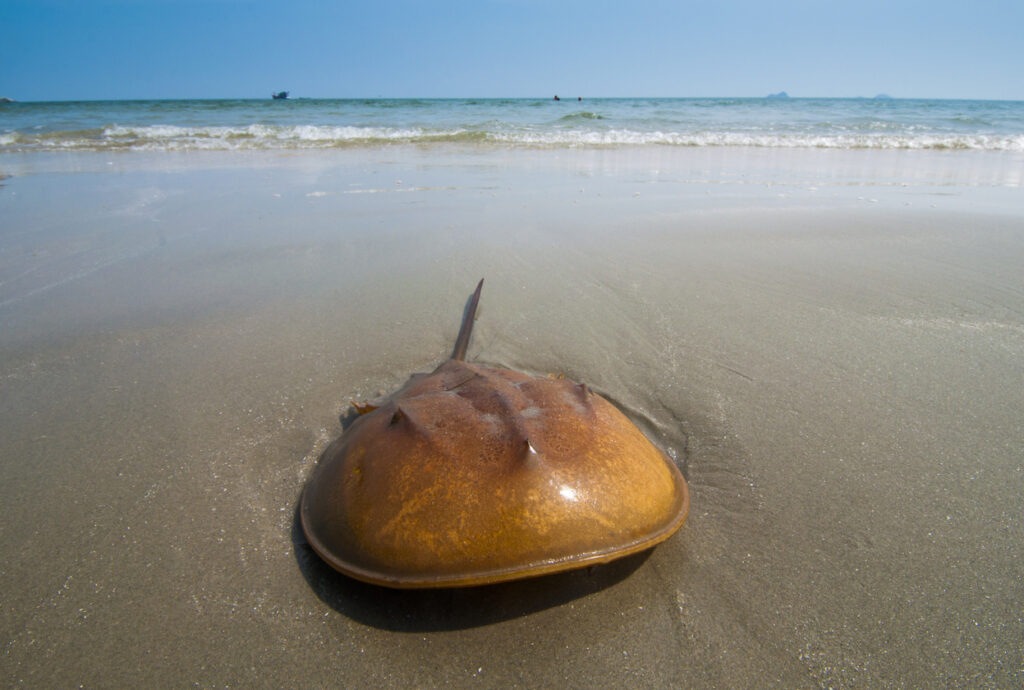
These ancient creatures have been around for more than 450 million years, long before the dinosaurs. Their armour-like shells and spiky tails make them look prehistoric, and remarkably, they’ve changed very little since they first appeared. Horseshoe crabs also play a vital role today. Their blue blood is used in medical testing to check vaccines and drugs for safety, proving that even ancient survivors have a modern purpose.
2. Nautiluses
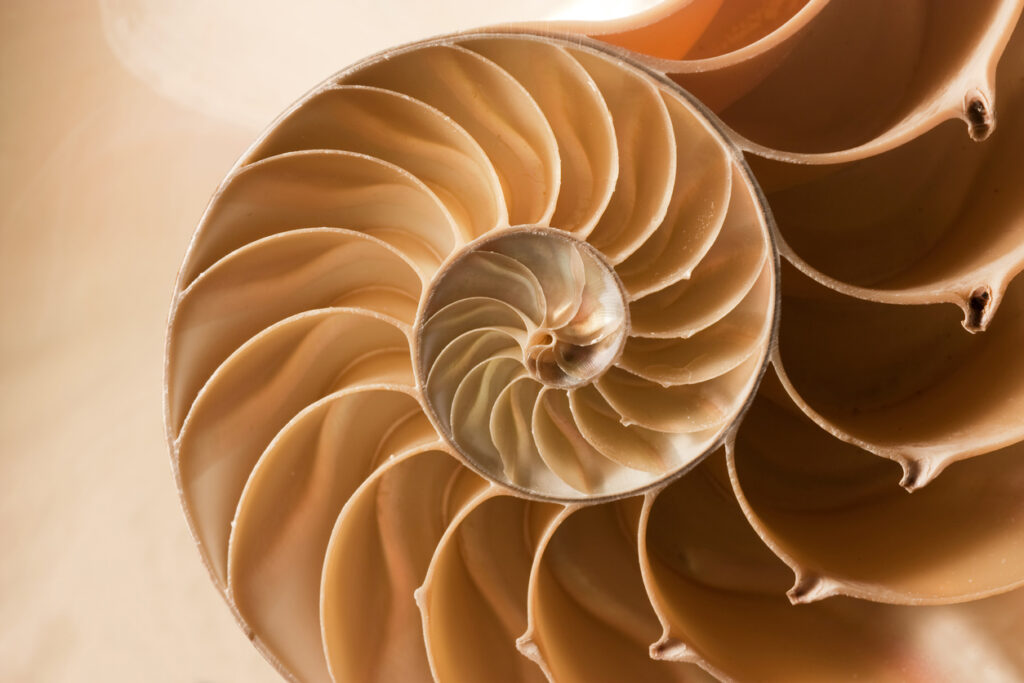
With their spiral shells and tentacled bodies, nautiluses look like living fossils. They’ve drifted through Earth’s oceans for over 400 million years, surviving multiple mass extinctions that wiped out many other marine creatures. They rise and sink in the water by adjusting the gases in their shells, a survival trick that’s helped them thrive where other species vanished.
3. Tuataras

Native to New Zealand, tuataras resemble lizards but belong to an ancient reptile lineage that’s over 200 million years old. They’re the last survivors of a group that once lived alongside early dinosaurs. What makes them even stranger is their “third eye,” a small light-sensitive organ on top of their heads, which hints at their deep evolutionary roots.
4. Crocodiles
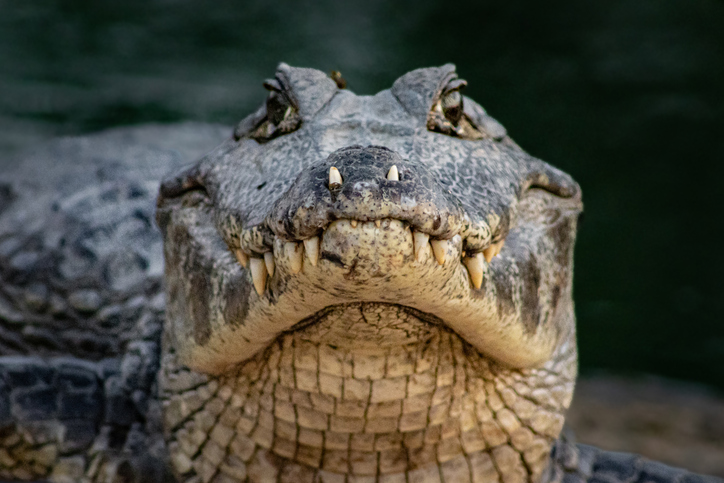
Crocodiles look almost identical to their ancestors from the time of the dinosaurs. With powerful jaws and thick armour-like skin, they’ve barely changed in 200 million years, earning them the title of living fossils. Their ability to adapt to both water and land, along with ambush hunting, explains why they’ve outlived so many other prehistoric creatures.
5. Sturgeons

These fish, found in rivers and lakes across Europe, Asia, and North America, date back over 200 million years. Their bony plates and long snouts give them an unmistakably ancient appearance. Unfortunately, many sturgeon species are now critically endangered due to overfishing for their prized caviar, showing that even long-term survivors aren’t immune to modern threats.
6. Coelacanths
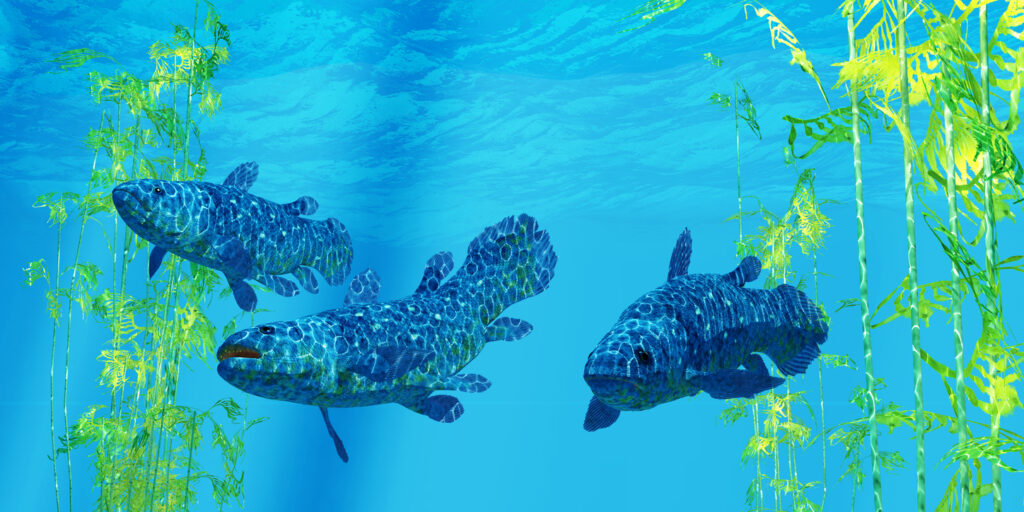
Thought to have become extinct 66 million years ago, coelacanths stunned scientists when a living specimen was discovered in 1938. These deep-sea fish have distinctive lobed fins that resemble the limbs of early land animals. They provide a living link between sea creatures and the first vertebrates to walk on land, making them a true evolutionary time machine.
7. Ginkgo trees
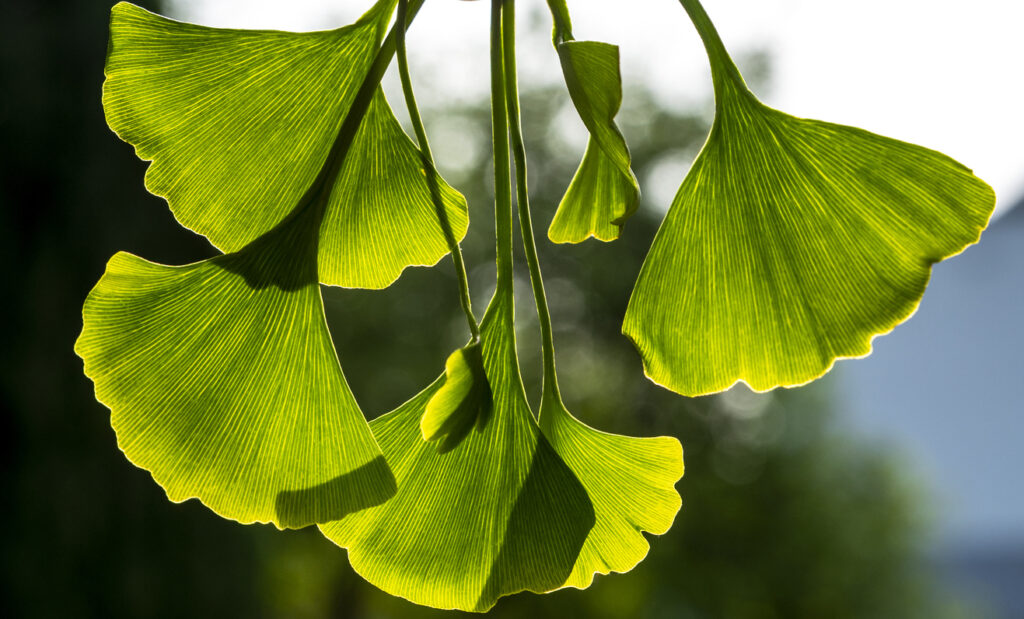
Although not animals, ginkgo trees earn a spot because they’ve remained almost unchanged for 200 million years. Their fan-shaped leaves are instantly recognisable, and fossil records show they once grew across the world. Today, they mainly survive in parts of China, valued for both beauty and resilience, carrying their ancient legacy into modern landscapes.
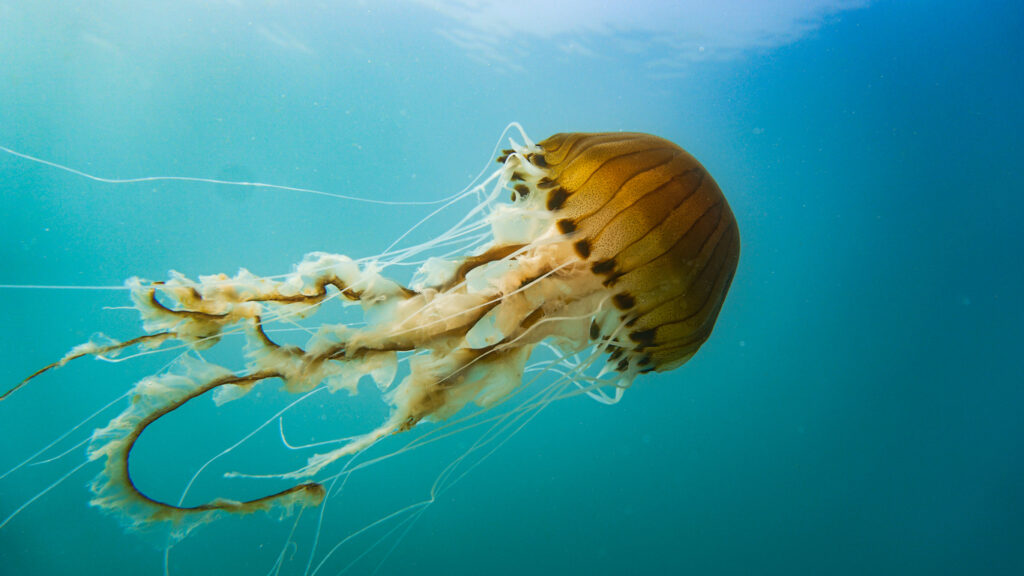
8. Jellyfish
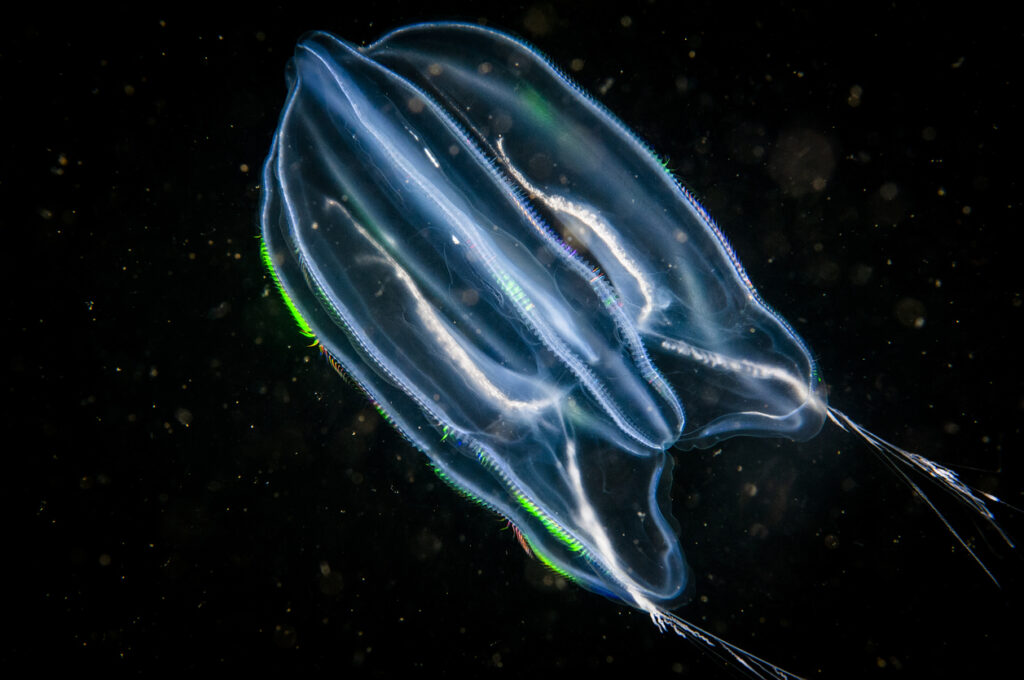
Jellyfish are some of the oldest creatures still floating through the oceans, with fossils dating back over 500 million years. With no bones, brains, or hearts, they’ve thrived through simplicity. Some species, like the “immortal jellyfish,” can even revert to an earlier life stage, effectively turning back time in a way that defies ageing.
9. Lungfish
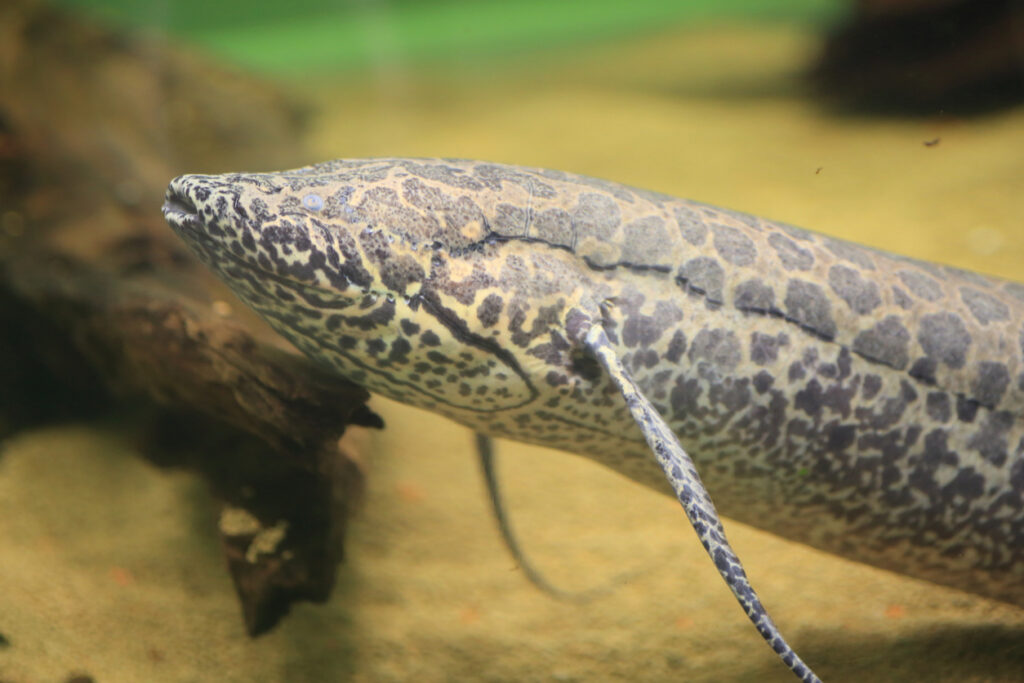
Lungfish have been around for more than 400 million years and can breathe both in water and on land. Their ability to survive droughts by burrowing into mud makes them feel like visitors from another era. They provide a glimpse of how early fish may have made the leap to living on land, keeping one foot in the past and one in the present.
10. Sharks
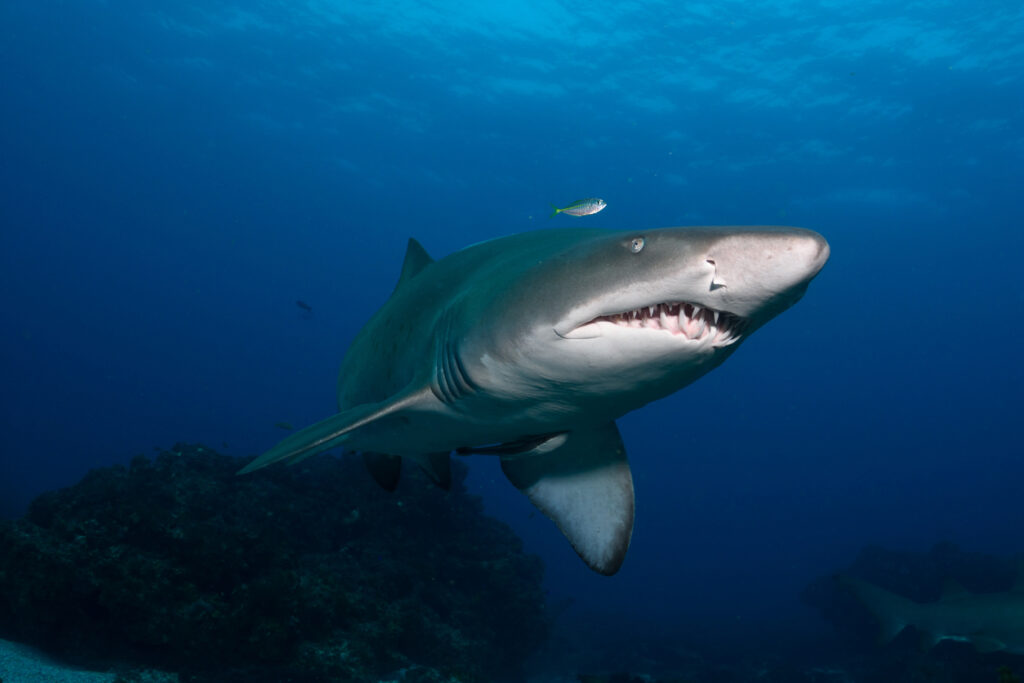
Sharks have existed for around 400 million years, making them older than trees. Although species have evolved, the overall design of a streamlined predator has stayed remarkably consistent through time. The great white may grab headlines, but the true marvel is how sharks’ adaptability has carried them across so many ages of Earth’s history.
11. Platypuses
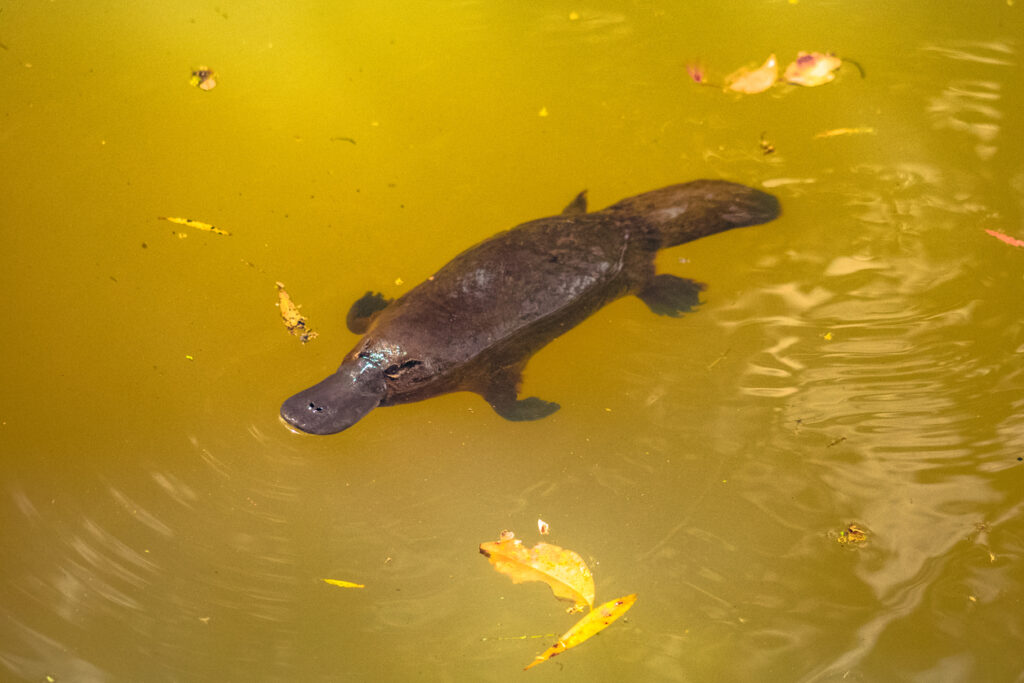
With their duck bills, webbed feet, and ability to lay eggs, platypuses seem like they don’t quite belong in the modern world. They’re monotremes, a primitive group of mammals that split off early in evolution. Their unusual mix of traits makes them feel like creatures stitched together from different eras, reminding us that evolution doesn’t always follow straight lines.
12. Giant tortoises
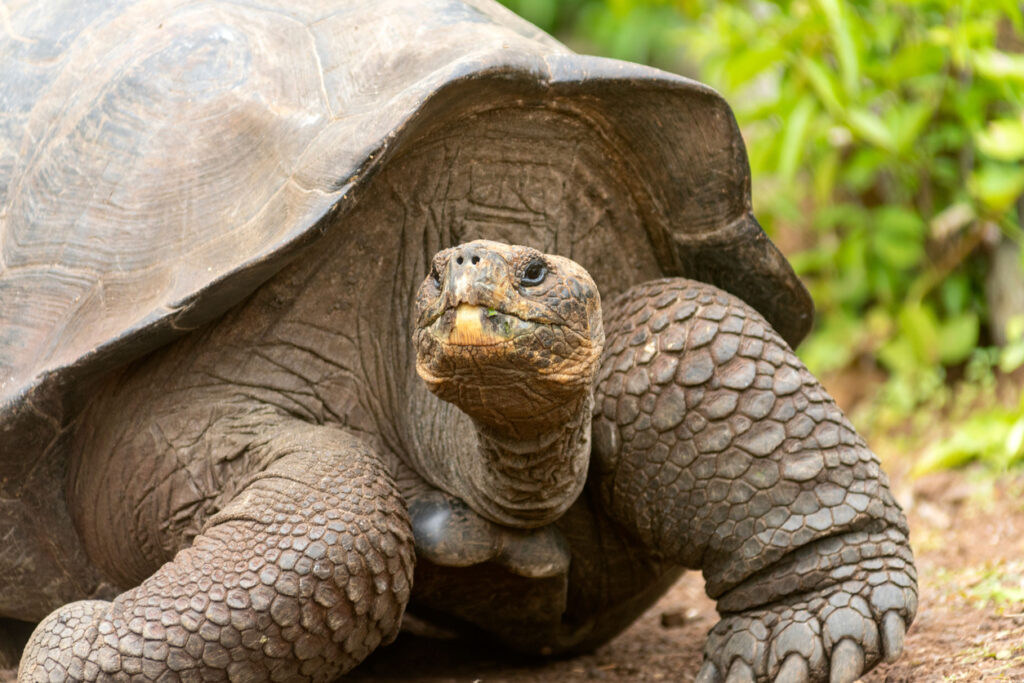
Living for more than a century, giant tortoises give the impression of time travellers simply through their lifespans. Their slow pace and long lives make them symbols of endurance across generations. Some alive today may have hatched when historic events we read about were still unfolding, linking the present to the distant past in living form.
13. Horseshoe bats
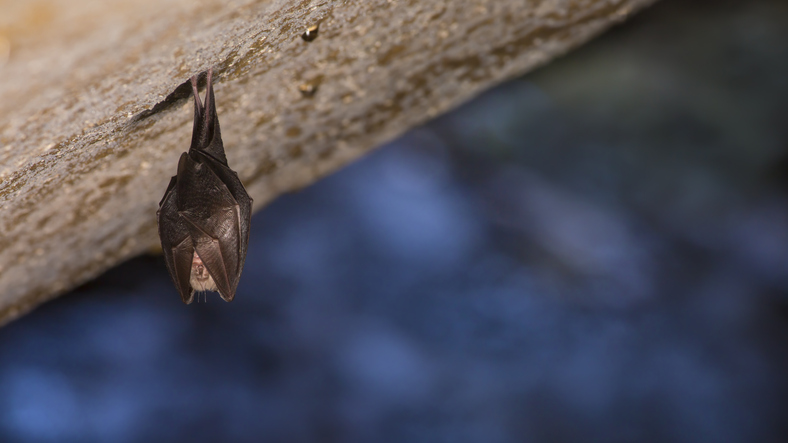
These small bats get their name from the horseshoe-shaped folds of skin around their noses. Fossil records show they’ve existed for over 30 million years with very few changes to their appearance or behaviour. Their echolocation skills are finely tuned, showing how traits perfected long ago remain just as effective today, letting them glide across eras with ease.
14. Armadillos
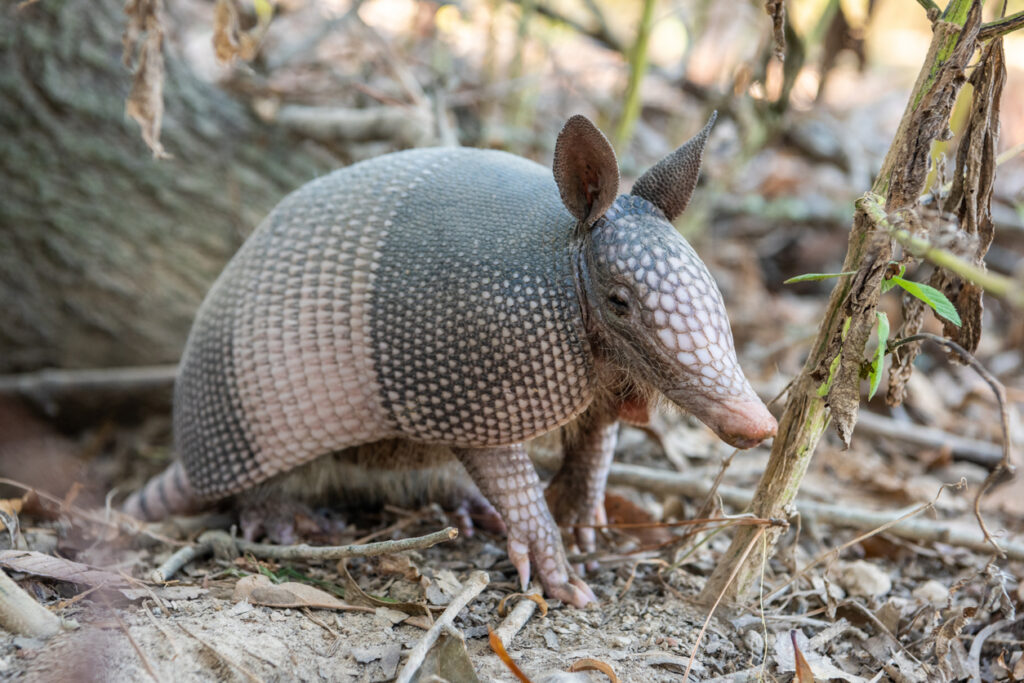
Armadillos, with their armour-like shells, resemble ancient mammals that once roamed with giant sloths and glyptodonts. Their protective plating is a survival feature that’s remained effective across evolutionary time. While smaller than their prehistoric relatives, modern armadillos still carry that ancient look, reminding us how some survival strategies never go out of date.