The black widow spider has a reputation that makes most people shiver.
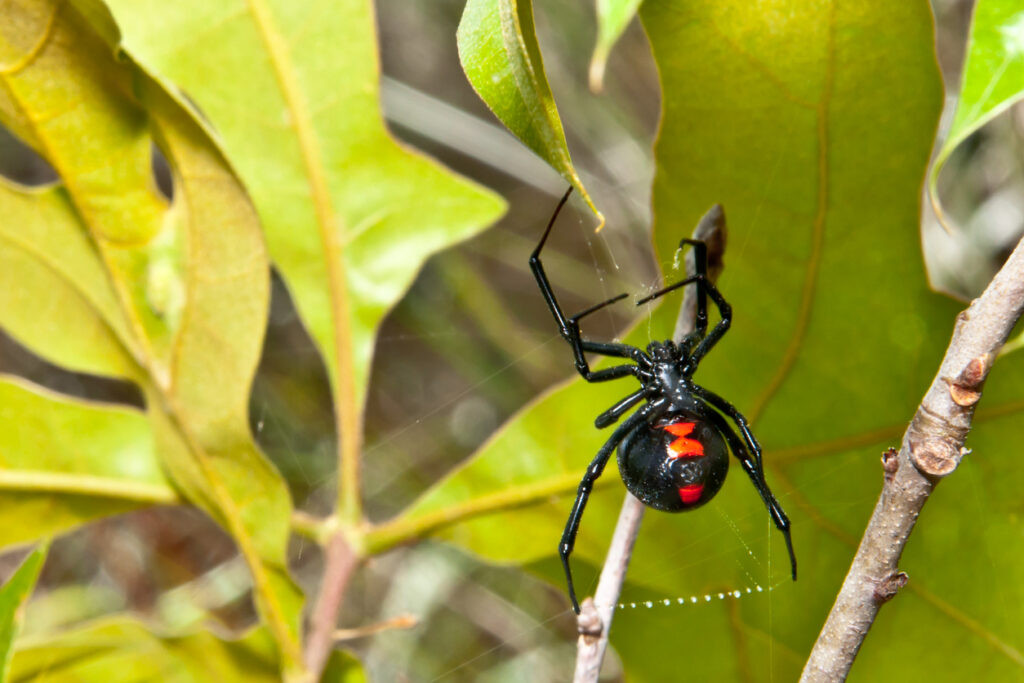
They can be dangerous, for sure, but the truth is that much of what we believe about these arachnids isn’t entirely accurate. The risks it poses are often exaggerated, and the truth is more balanced. Here are some of the biggest myths about the black widow it’s high time we debunk.
1. All black widows are deadly to humans.
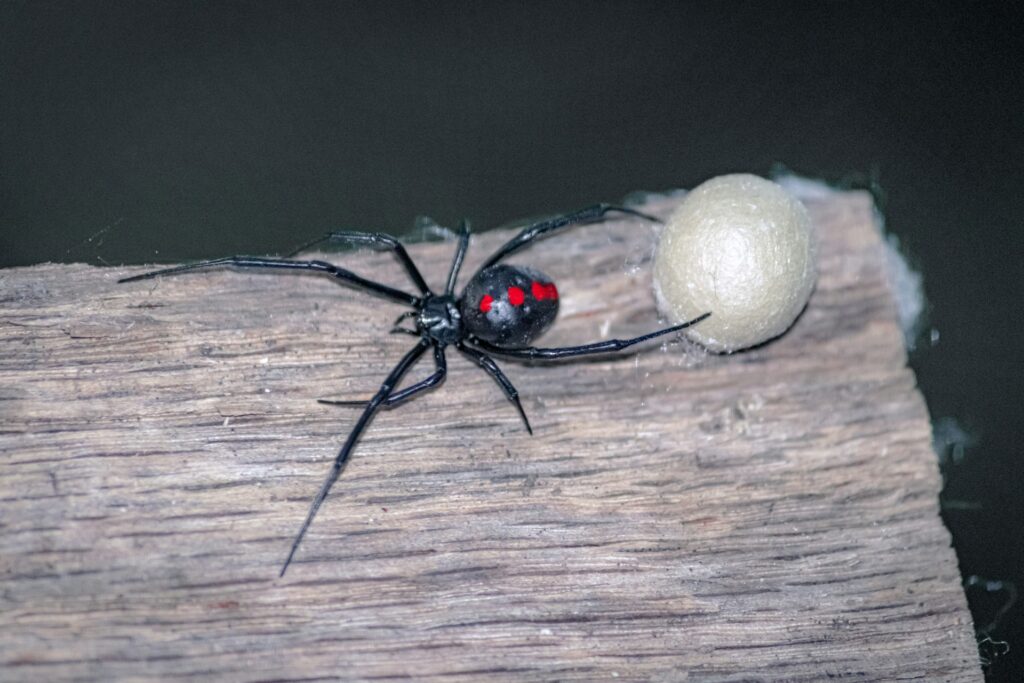
While their venom is strong, very few bites result in serious harm. Most healthy adults experience only mild symptoms that fade within a few days. The idea that every encounter is life-threatening simply isn’t true. Medical treatment is available if needed, but fatalities are extremely rare. Understanding this helps reduce unnecessary panic when you spot one of these spiders nearby.
2. They attack people unprovoked.
Black widows don’t go looking for trouble. They’re shy creatures that prefer hiding in dark corners, and they only bite when they feel threatened or trapped. Most bites happen when people accidentally disturb them. Wearing gloves when clearing sheds or woodpiles is usually enough protection. Taking simple precautions means you can coexist without worry.
3. A bite always requires hospitalisation.
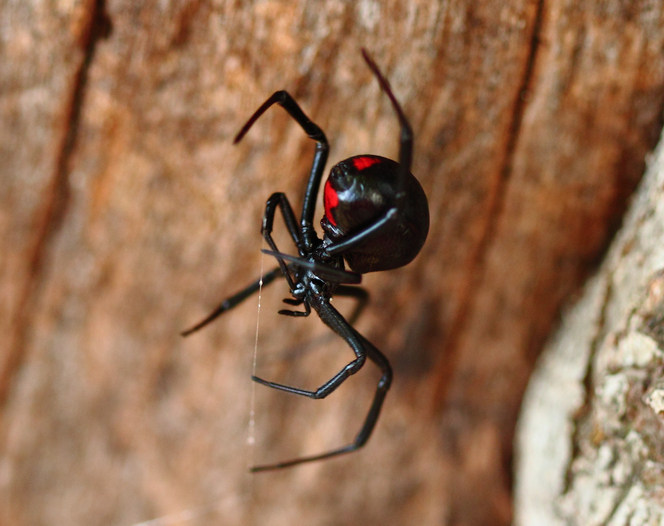
The venom can cause pain, cramps, or sweating, but most bites resolve with rest and over-the-counter medication. Hospital visits are rare and usually recommended for young children, older adults, or those with health conditions. If you’re concerned, it’s always safe to seek medical advice. Knowing the reality prevents panic and encourages sensible, calm responses.
4. They’re aggressive hunters.
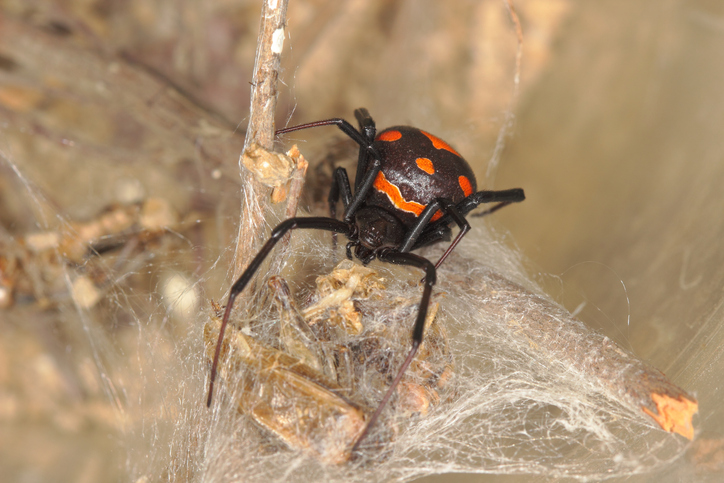
Despite the name and look, black widows aren’t roaming predators. They spin webs and wait for insects to come to them. Their lifestyle is far less menacing than the myths suggest. In truth, they contribute positively by keeping insect populations under control, playing a role in natural pest management around homes and gardens.
5. Only females bite.
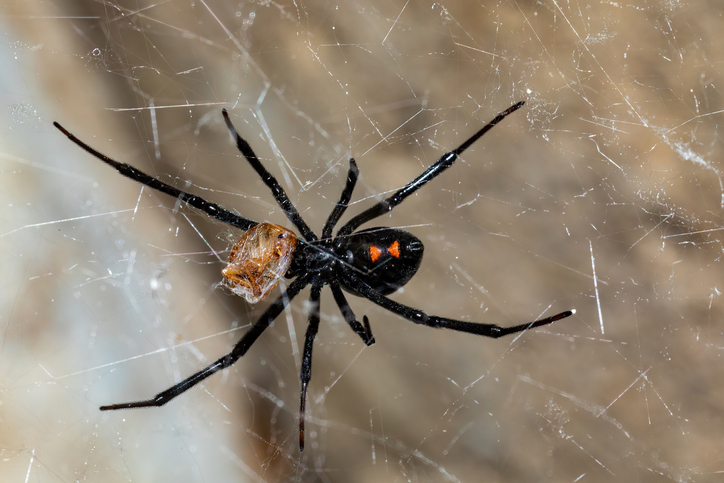
It’s true that female black widows deliver the stronger bite, but males can bite as well, though their venom is weaker. The myth that males are harmless ignores their role in defence when threatened. Even so, both sexes avoid conflict with humans. Most bites, whether from male or female, are defensive reactions rather than deliberate attacks.
6. The venom is always fatal.
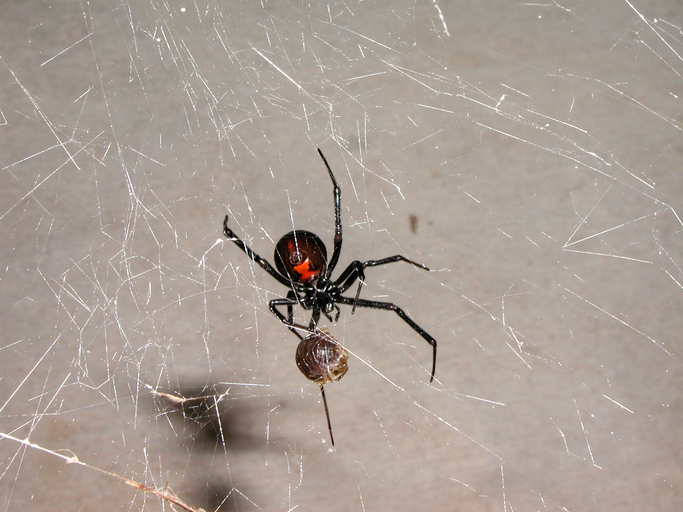
Fatalities are practically unheard of today, thanks to accessible medical care. In fact, there hasn’t been a confirmed death in decades in many parts of the world where these spiders live. Antivenom exists but is rarely needed. Supportive care alone is enough for most cases, showing that the spider’s fearsome reputation is largely outdated.
7. Black widows are everywhere.
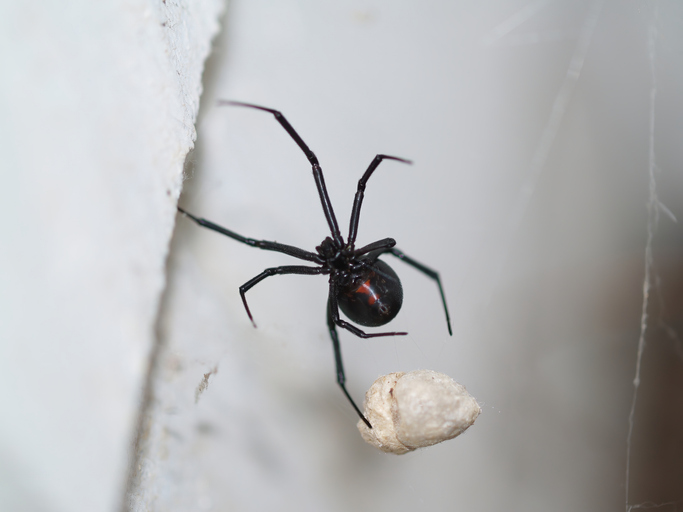
While they live in many regions, they’re not hiding in every dark corner of your home. They prefer quiet, undisturbed places like sheds, garages, or woodpiles, where contact with people is limited. Simple awareness of their habitats reduces encounters. Clearing clutter and wearing gloves outdoors are usually all that’s needed to avoid surprises.
8. They’re huge spiders.
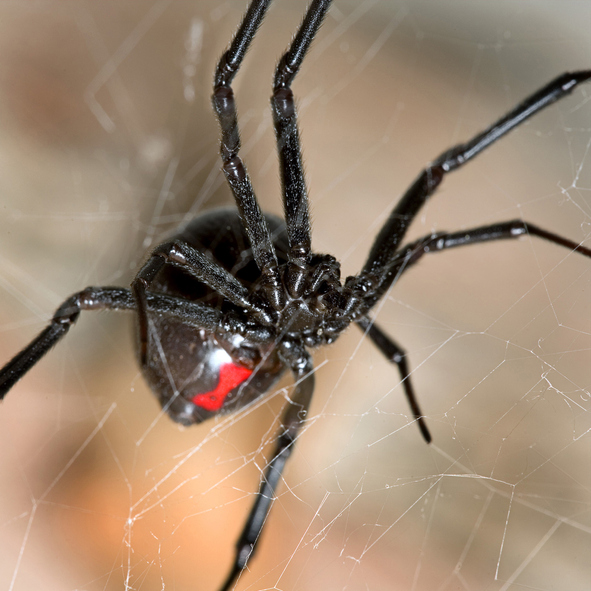
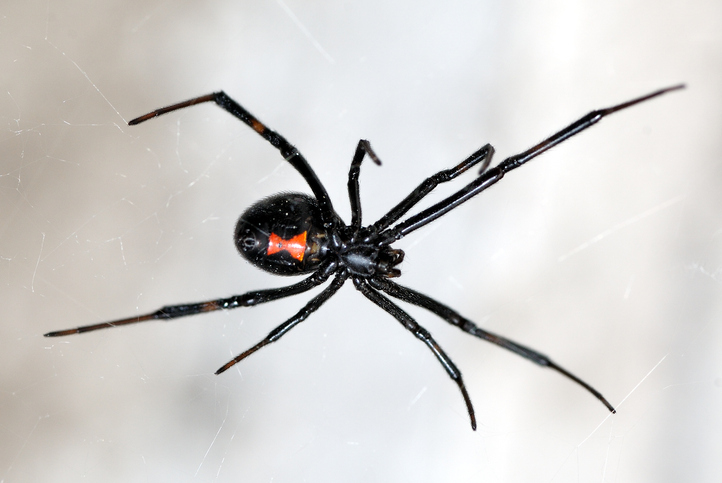
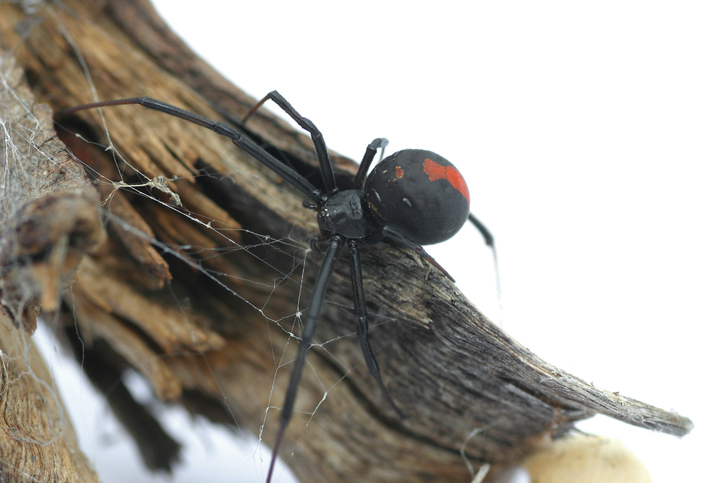
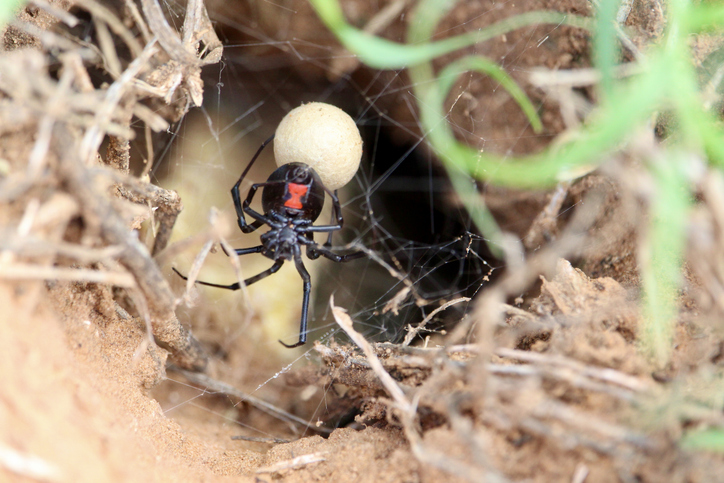
The striking black body and red hourglass mark make them look imposing, but black widows are actually quite small. Females average only about 1.5 centimetres in body length, with legs making them appear larger. Recognising their actual size helps demystify them. They’re far less monstrous in reality than their exaggerated image suggests.
9. They always eat their mates.
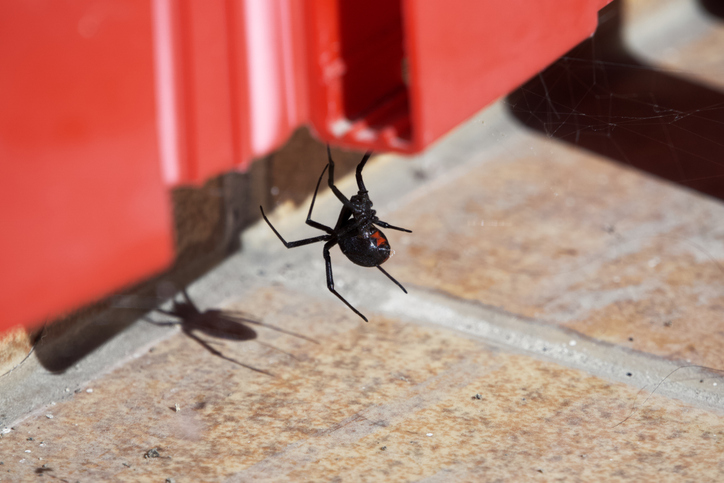
The infamous name comes from the belief that females routinely kill and eat males after mating. In truth, this behaviour is rare in the wild and mostly observed in stressed laboratory conditions. In natural settings, males often leave unharmed. The myth of constant cannibalism adds drama but doesn’t reflect everyday behaviour.
10. Every black spider is a black widow.
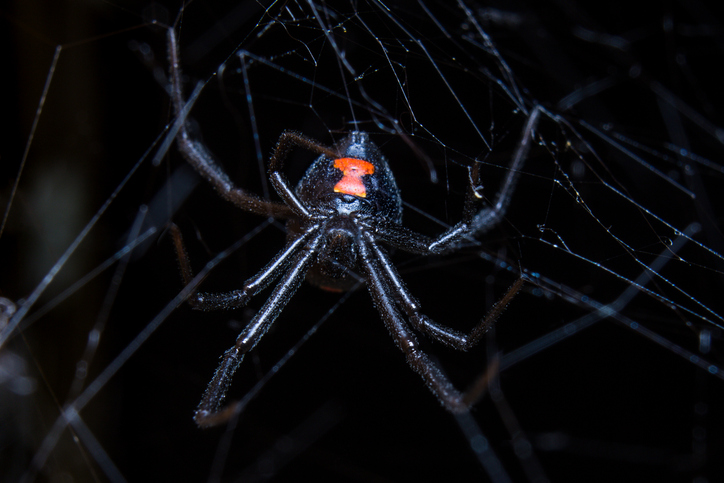
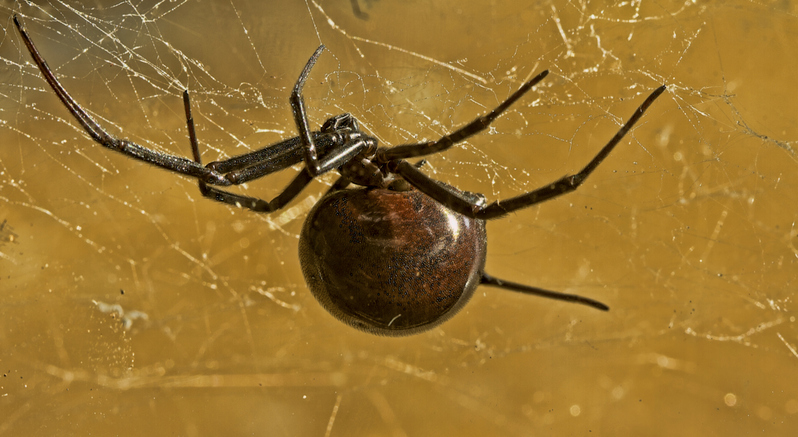
Many harmless spiders share a dark colouring, which fuels confusion and fear. Not every shiny black spider with long legs is a black widow, yet they’re often wrongly identified and killed. Learning to spot the red hourglass marking helps prevent mistaken panic. Most black spiders you see are harmless and even helpful in reducing pests.
11. Their venom melts skin.
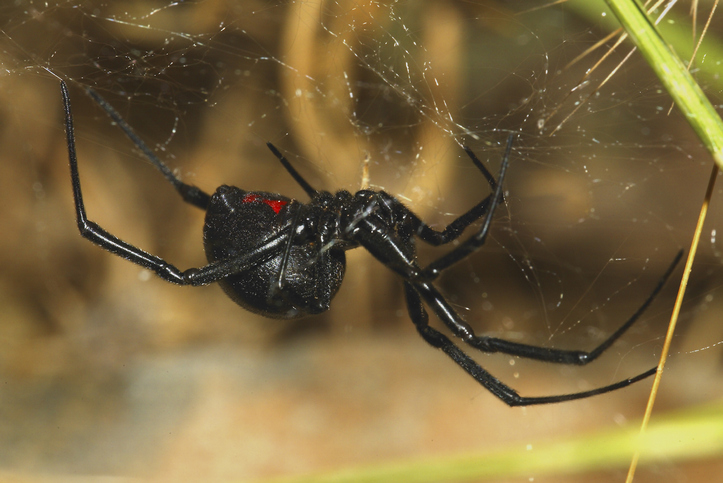
Hollywood has exaggerated the effects of black widow venom, often showing gruesome skin damage. In reality, the venom affects the nervous system, not the skin itself, so bites don’t cause melting flesh or giant wounds. Knowing this corrects one of the most extreme myths and replaces fear with a clearer understanding of what actually happens.
12. They’re a modern threat.
People often think black widows are part of today’s rising list of dangers. In truth, they’ve been living near humans for centuries, and our relationship with them hasn’t changed much over time. With sensible precautions, coexistence has always been possible. They’ve never posed the widespread danger their reputation suggests.
13. They serve no purpose.
Some believe black widows are only harmful, but they play a role in balancing ecosystems. By eating flies, mosquitoes, and beetles, they reduce pests and maintain healthier environments. Remembering their ecological role reframes them as part of nature’s balance rather than purely a danger to humans.
14. They’re out to get you.
The final myth is the simplest: that black widows want to harm people. In reality, they want to be left alone, hiding in dark corners and avoiding human contact whenever possible. Respecting their space and understanding their behaviour takes away much of the fear. They’re not plotting against us. They’re simply another spider with an overstated reputation.