The heaviest land animals on our planet are basically living tanks that make your car look lightweight by comparison.
From gentle giants who munch on leaves all day to massive creatures that could accidentally flatten your garden shed, these incredible animals showcase just how big life on land can get when evolution really goes for it. Some of the wildlife on this list won’t be surprising, but others might actually make you think, “Huh, who would’ve thought?”
1. African bush elephant — up to 6 tonnes

The undisputed heavyweight champion of the land animal kingdom, African bush elephants are so massive they need to eat for 18 hours a day just to fuel their enormous bodies. A single adult can weigh as much as four cars put together, and their appetite matches their size.
These gentle giants can demolish entire trees just to get to the tasty leaves at the top, and they’re surprisingly good swimmers despite weighing more than most trucks. Their ears alone can weigh as much as a small person and work like massive fans to keep them cool in the African heat.
2. Asian elephant — up to 5.5 tonnes
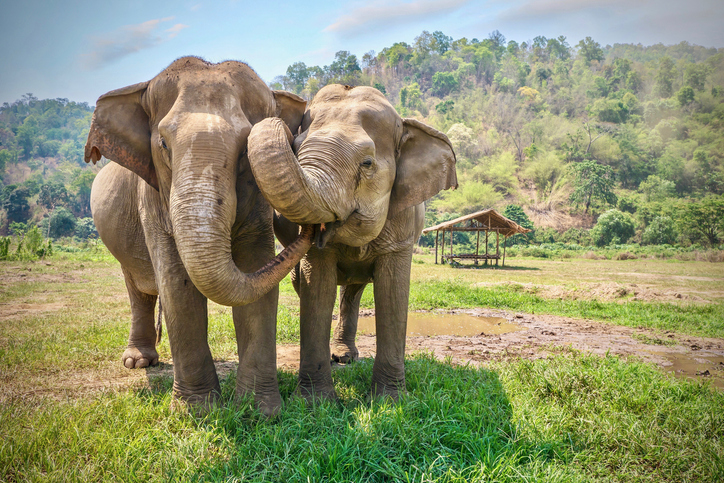
Slightly smaller than their African cousins but still absolutely massive, Asian elephants are like the more compact version of nature’s bulldozers. They’re incredibly intelligent and have been known to use tools, paint pictures, and remember friends they haven’t seen for decades.
Despite their enormous weight, they can move surprisingly quietly through forests and are excellent at sneaking up on unsuspecting tourists. They’re also fantastic swimmers and can use their trunks like snorkels when crossing deep rivers, which is both adorable and impressive.
3. White rhinoceros — up to 3.6 tonnes
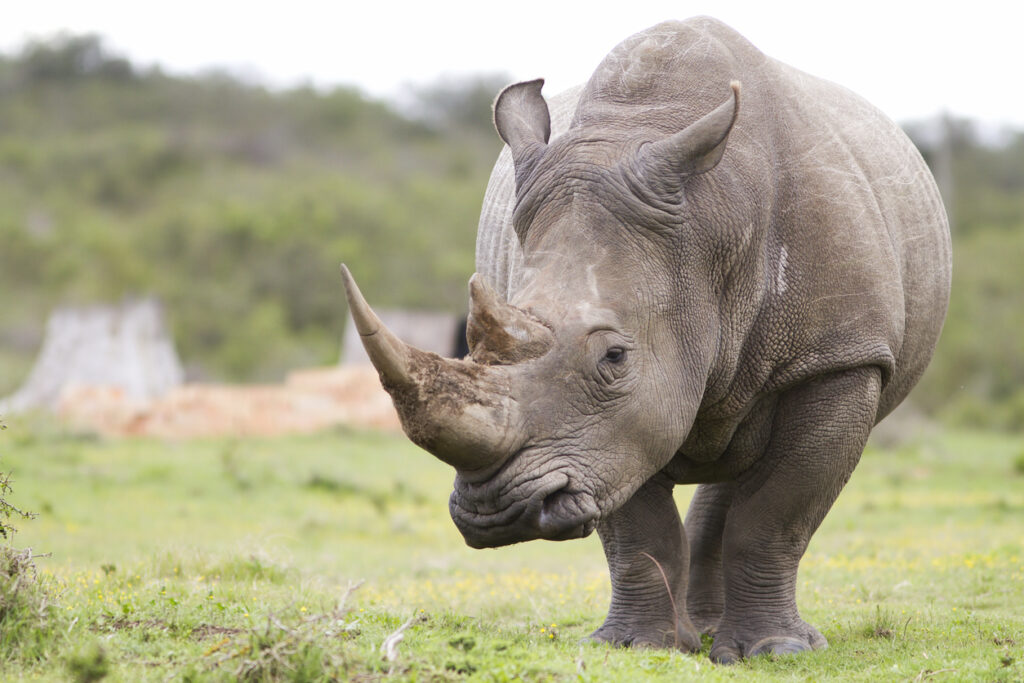
White rhinos are basically living armoured vehicles with a serious grass addiction and surprisingly bad eyesight. They’re called “white” not because of their colour but due to a mistranslation of the Dutch word “wyd,” meaning wide, which describes their square lips perfectly.
These massive herbivores spend most of their day munching grass like enormous lawn mowers, and despite weighing more than two cars, they can run up to 50 kilometres per hour when motivated. Their horn is made of keratin—the same stuff as your fingernails, just significantly more impressive.
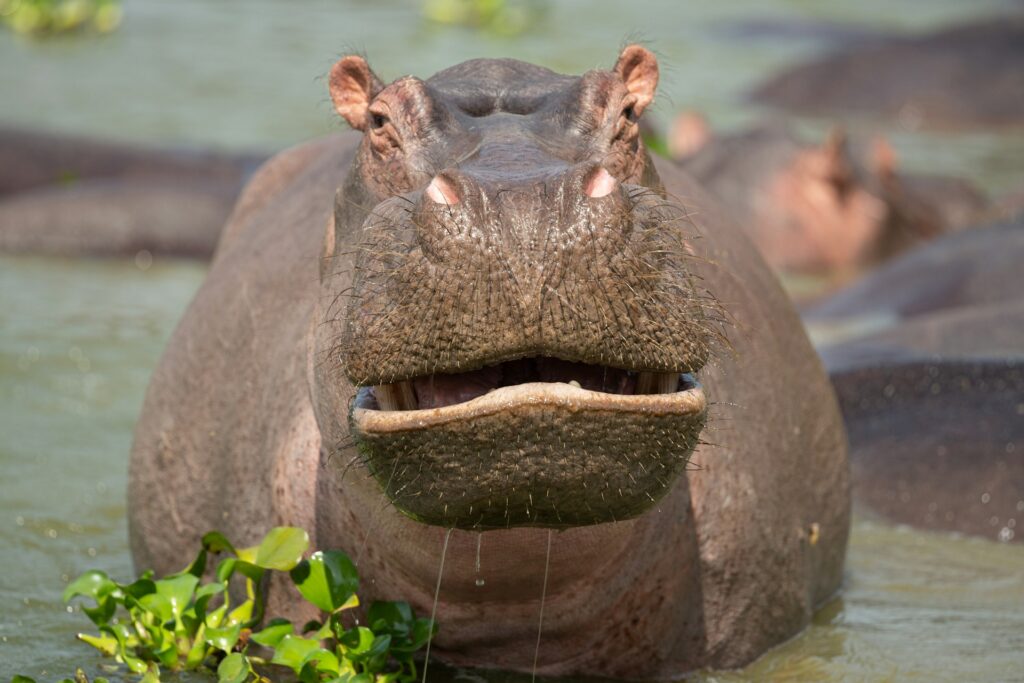
4. Hippopotamus — up to 3.2 tonnes

Hippos might look like adorable water potatoes, but they’re actually one of Africa’s most dangerous animals and weigh about as much as a small lorry. They spend most of their day lounging in water to keep their sensitive skin from getting sunburned, which is surprisingly relatable.
Despite their chubby appearance, hippos can run faster than most humans and have jaws powerful enough to bite a canoe in half. They’re also surprisingly good dancers—well, sort of, since they can walk along river bottoms and even mate underwater, which is quite impressive for such hefty creatures.
5. Indian rhinoceros — up to 2.3 tonnes
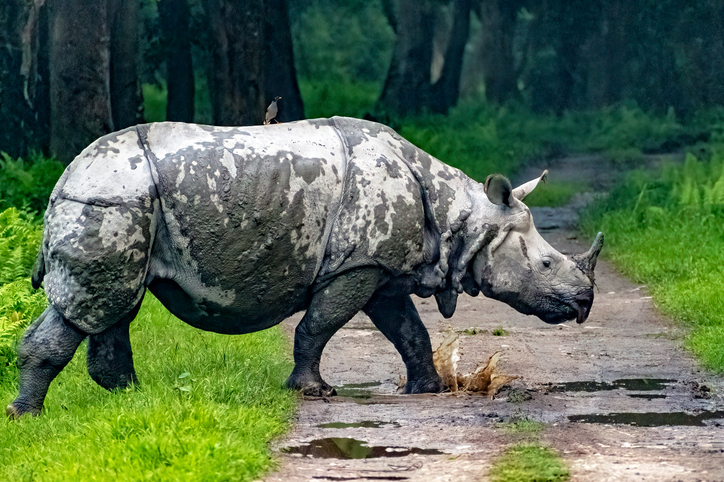
Indian rhinos look like they’re wearing medieval armour thanks to their distinctive skin folds, and they’re built like tanks with excellent swimming abilities. Unlike their African cousins, they only have one horn, but they make up for it with their impressive size and surprisingly aggressive attitude.
These prehistoric-looking giants love wallowing in mud almost as much as they love eating, and they can consume up to 60 kilograms of vegetation daily. They’re also excellent swimmers and have been spotted happily paddling around rivers despite weighing more than most cars.
6. Giraffe — up to 1.9 tonnes

Giraffes are nature’s skyscrapers, with incredibly long necks that somehow don’t snap under the weight of their massive heads. Despite their elegant appearance, adult males can weigh nearly 2 tonnes and their tongues alone are half a metre long and completely black to prevent sunburn.
These gentle giants only need to sleep for 30 minutes to 2 hours per day, which is probably good, since lying down and getting up again must be quite the athletic feat. Their hearts weigh 11 kilograms and pump blood up that incredible neck with enough pressure to power a small fountain.
7. American bison — up to 1 tonne
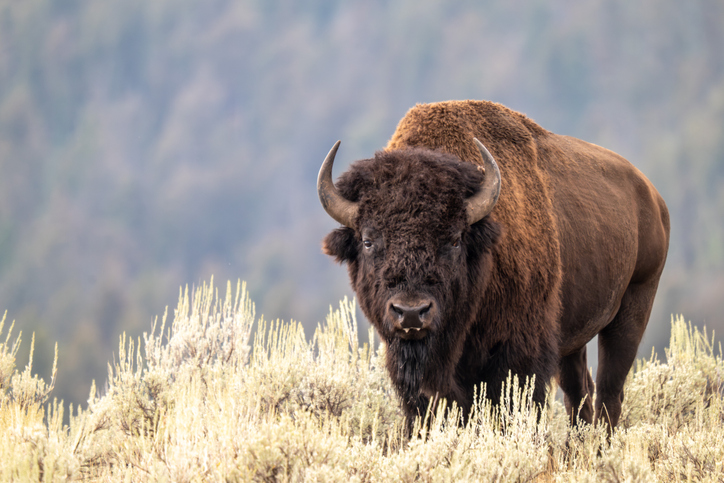
American bison are basically enormous, fluffy cows with attitude problems and the ability to jump 2-metre-high fences despite weighing as much as a small car. They nearly became extinct but have made an impressive comeback, though they’re still grumpy about the whole situation.
These shaggy giants can run up to 65 kilometres per hour, which is terrifying considering they weigh more than most motorcycles and have absolutely no brakes. They’re also surprisingly good swimmers and have been known to cross rivers that would challenge much smaller animals.
8. Saltwater crocodile — up to 1 tonne
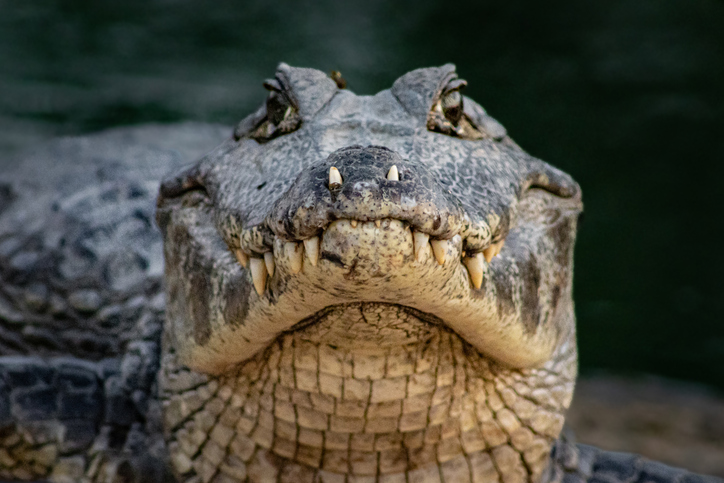
Saltwater crocodiles are basically living dinosaurs that forgot to go extinct and now spend their time being absolutely terrifying in tropical waters. The largest males can weigh as much as a small car and have remained virtually unchanged for millions of years, which suggests they got the design right the first time.
These prehistoric predators have the strongest bite force of any living animal and can hold their breath underwater for up to an hour while waiting for unsuspecting prey. They’re also surprisingly good at climbing and have been spotted sunbathing on riverbank trees, which is both impressive and mildly concerning.
9. Polar bear — up to 680 kilograms
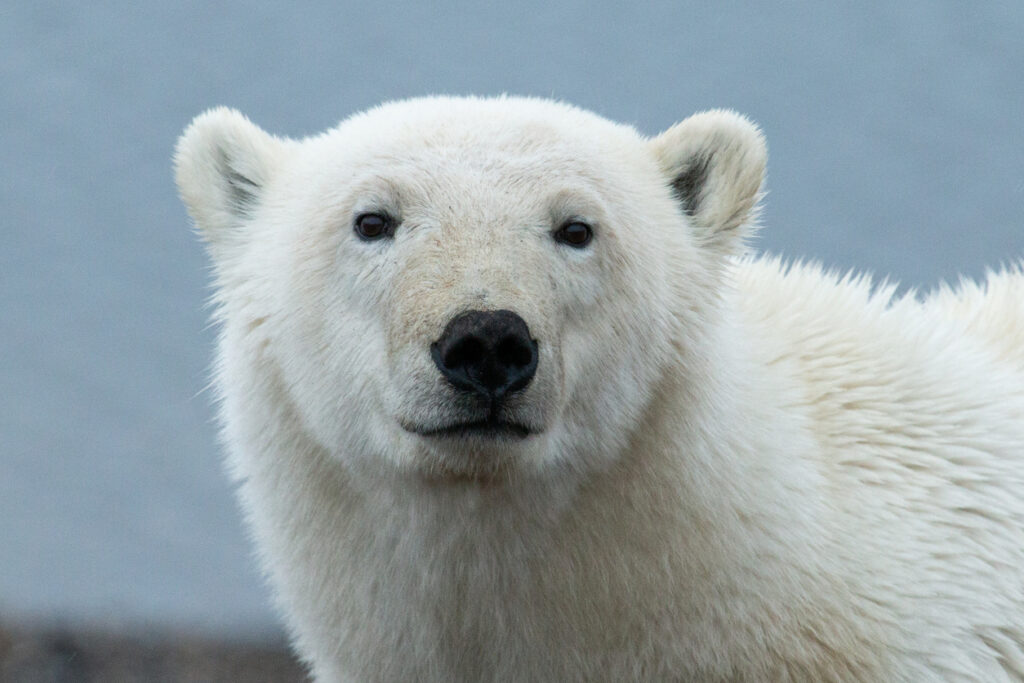
Polar bears are massive, fluffy predators that look cuddly but could easily mistake you for a seal-shaped snack. Male polar bears can weigh more than four adult humans combined, and their paws are so large they work like natural snowshoes for walking on ice.
Despite their massive size, they’re excellent swimmers and can paddle for hours through icy Arctic waters without getting tired. They also have black skin underneath all that white fur, which helps them absorb heat from the sun, proving that even nature’s biggest predators need clever fashion choices.
10. Gaur — up to 650 kilograms
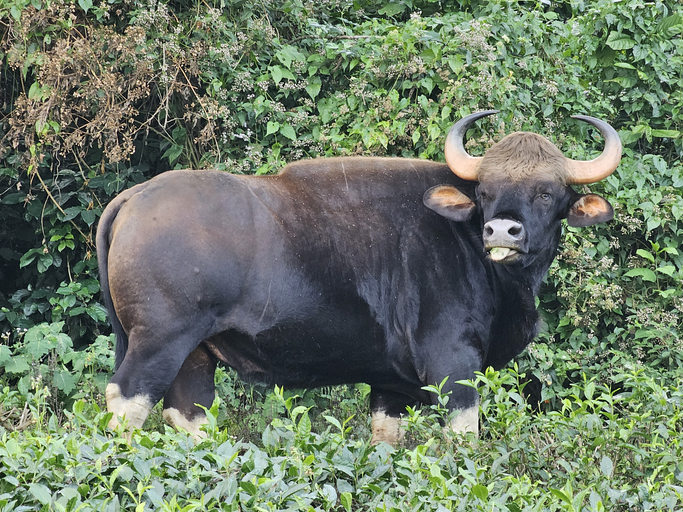
Gaurs are basically enormous wild cattle that look like they’ve been hitting the gym for several decades straight. Native to South and Southeast Asia, these massive herbivores are the largest wild cattle species and have impressively muscular builds that would make bodybuilders jealous.
These gentle giants live in herds and spend most of their time peacefully munching on grass and leaves, but bulls can become quite territorial during mating season. They’re excellent climbers despite their size, and have been spotted grazing on steep mountain slopes that would challenge much smaller animals.
11. Kodiak bear — up to 635 kilograms
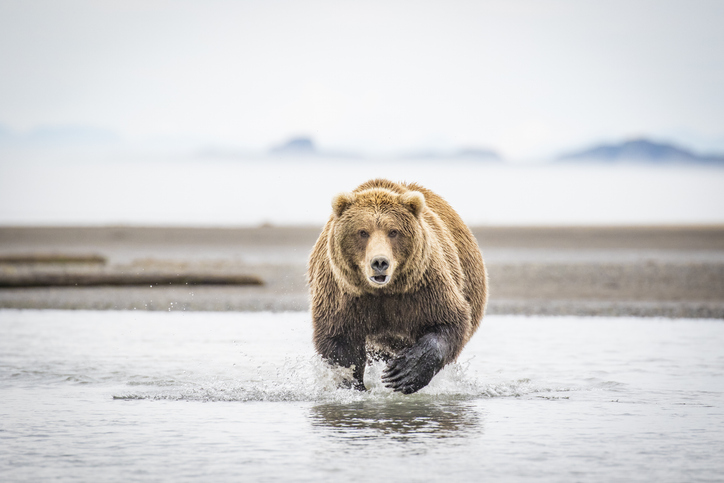
Kodiak bears are basically polar bears’ slightly smaller but equally impressive cousins, who decided to live on an island and eat salmon instead of seals. Found only on the Kodiak Archipelago in Alaska, these enormous omnivores can weigh more than three adult humans and have appetites to match.
During salmon season, these massive bears can gain up to 180 kilograms in preparation for winter hibernation, which is basically the ultimate bulking season. Despite their size, they’re surprisingly agile and can run up to 50 kilometres per hour, making them faster than most humans on bicycles.
12. Grizzly bear — up to 320 kilograms
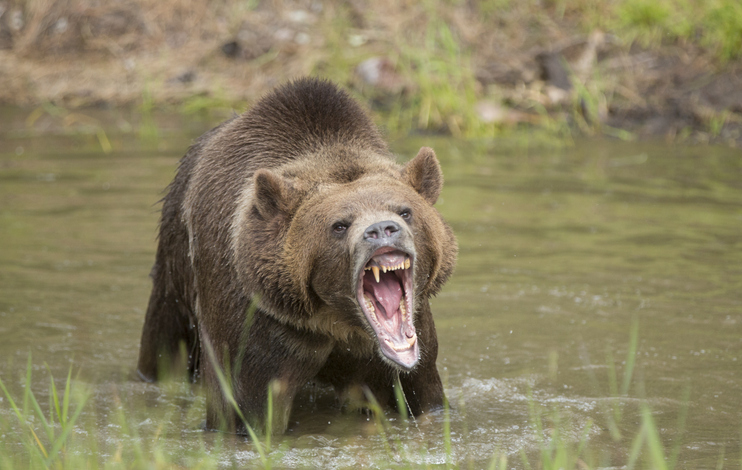
Grizzly bears round out our heavyweight list as nature’s ultimate omnivores with serious anger management issues and claws that would make Wolverine jealous. They can weigh more than two adult humans and have an incredible sense of smell that’s seven times better than a bloodhound’s.
These powerful predators are surprisingly good at fishing and have been known to catch salmon mid-leap, which is both impressive and slightly showing off. They can also run up to 55 kilometres per hour despite their bulky appearance, proving that size doesn’t always slow you down in the animal kingdom.