Ben Nevis is more than just the UK’s tallest mountain, though that’s an impressive feat in and of itself.
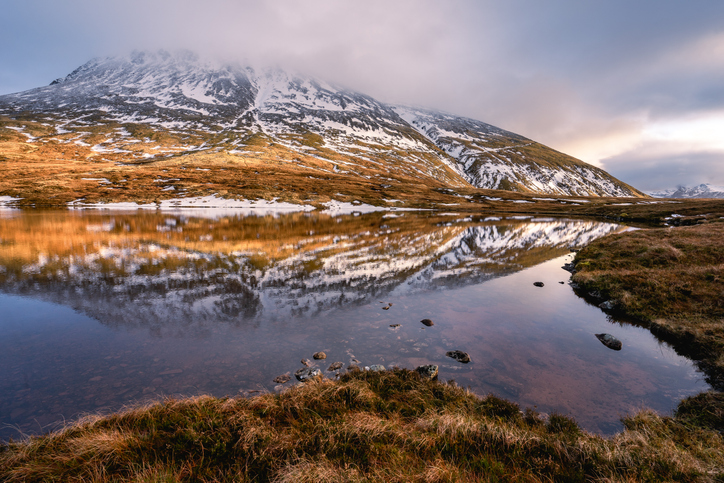
Its history, geology, and quirks make it a fascinating landmark that attracts climbers and curious visitors alike. Whether you’ve scaled it personally, seen it from a distance, or have always wanted to visit but never got ’round to it, here are some of the most interesting facts that show why it’s such a unique place.
1. It’s the tallest mountain in the UK.
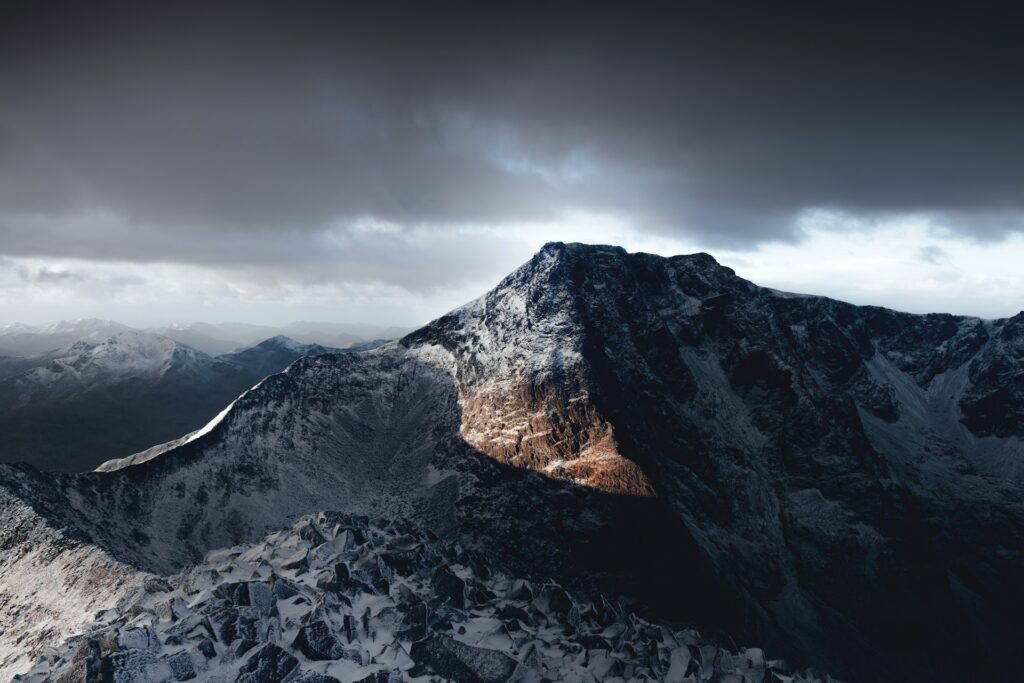
Ben Nevis stands at 1,345 metres above sea level, making it the highest peak in Britain. This height means it draws thousands of climbers every year who want to say they’ve tackled the UK’s biggest summit. Despite its popularity, the climb shouldn’t be underestimated. Weather can turn quickly, and even in summer, conditions at the top can be harsh, so preparation is always key.
2. It was once a massive volcano.
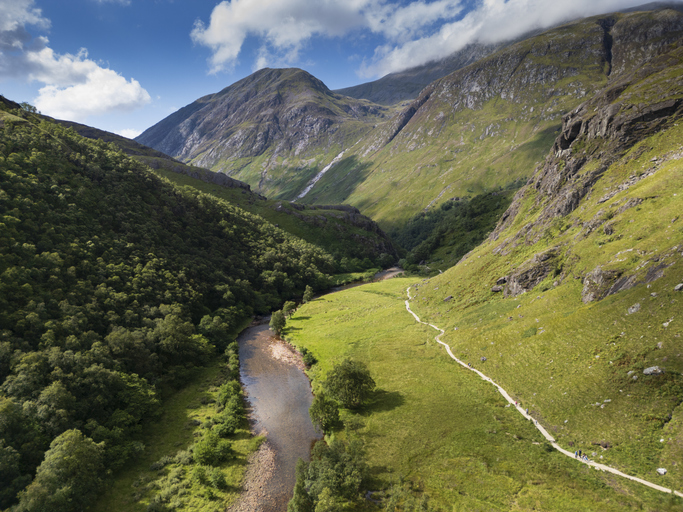
Millions of years ago, Ben Nevis was actually an active volcano. The evidence still lies in the rocks, which show patterns of ancient eruptions and collapsed magma chambers. Its volcanic past explains the rugged landscape and makes it one of the most studied geological sites in the country. Scientists continue to examine its rocks to better understand Earth’s history.
3. The name means “venomous mountain.”

Translated from Gaelic, Ben Nevis (Beinn Nibheis) roughly means “venomous mountain” or “mountain with terrible weather.” The name reflects its unpredictable conditions rather than any literal danger. It’s a fitting description, since fog, snow, and strong winds can roll in suddenly, making the climb far more challenging than many expect.
4. The summit used to host an observatory.

From 1883 to 1904, a meteorological observatory operated at the summit of Ben Nevis. Scientists lived there to collect weather data in extreme conditions, offering early insights into the region’s climate. Although the observatory closed due to cost, the ruins still stand today. Many hikers stop to explore the remains and imagine what life was like at the top over a century ago.
5. It has one of the longest climbs in Britain.
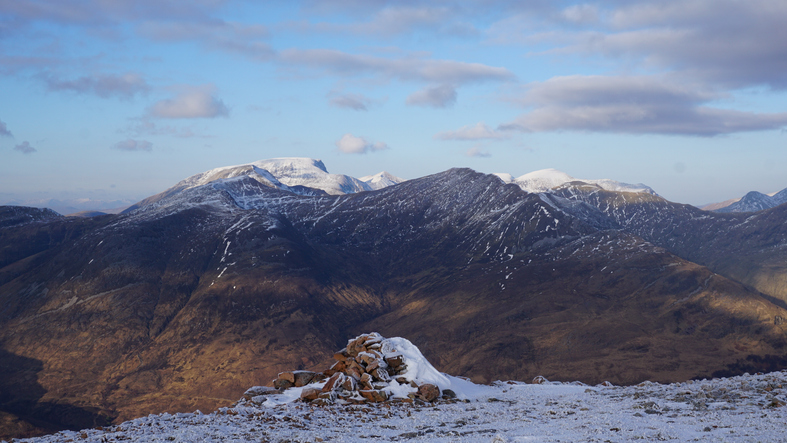
The most common route, the Mountain Track, is about ten miles there and back. Even though it doesn’t involve technical climbing, it’s a long, steep trek that requires stamina. This makes Ben Nevis a bucket-list climb for many walkers, though guides often stress that preparation, pacing, and the right kit are essential for safety.
6. The summit is often covered in snow.
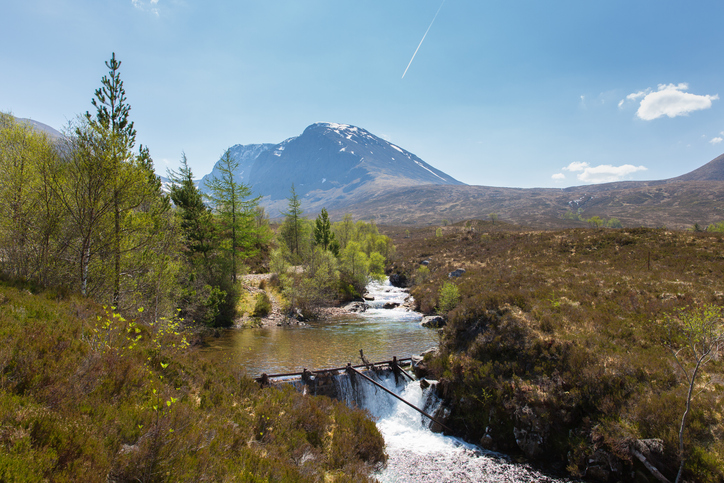
Snow can remain on the summit of Ben Nevis for much of the year, even in late spring or early summer. This surprises many visitors expecting a clear peak in warmer months. Climbers are advised to pack as though it’s winter, regardless of the season. Conditions near the top often resemble alpine weather more than a British hill.
7. There’s a famous cliff face on its north side.
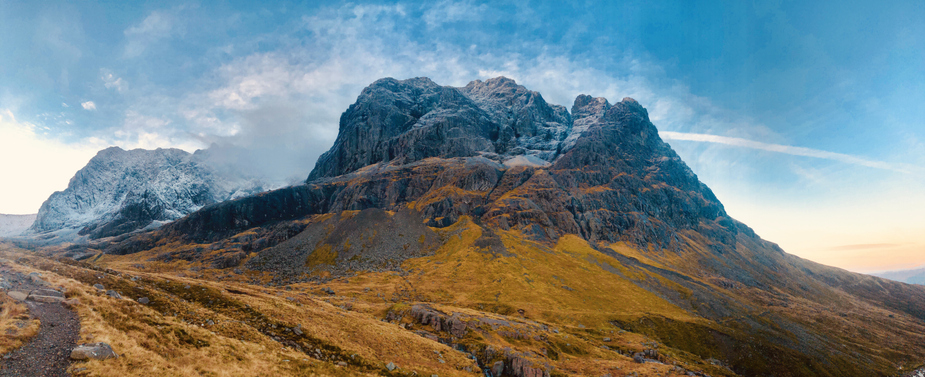
While most walkers take the Mountain Track, serious climbers head to the north face. This side of Ben Nevis features towering cliffs that are considered some of the best climbing routes in the UK. Ice climbing in winter here is world-class, attracting mountaineers from around the globe who want to test themselves against its frozen rock faces.
8. It attracts around 150,000 visitors a year.
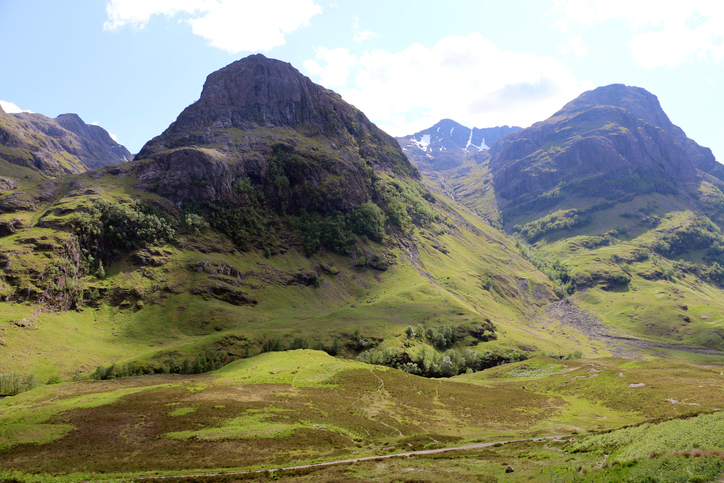
Ben Nevis is hugely popular, with tens of thousands of people climbing it annually. This high footfall makes it one of the busiest mountains in the world for its size. The large number of visitors has prompted conservation efforts to protect paths and surrounding landscapes from erosion, ensuring the mountain remains accessible for future generations.
9. It’s part of the famous Three Peaks Challenge.

Ben Nevis is the first stop in the national Three Peaks Challenge, where climbers aim to summit the highest mountains in Scotland, England, and Wales in under 24 hours. This challenge has raised millions for charity, but it also adds pressure to the mountain’s environment, making responsible climbing more important than ever.
10. The geology is incredibly diverse.

Ben Nevis is made up of both volcanic and sedimentary rocks. The mix of granite and schist tells the story of millions of years of geological processes. That variety makes it an outdoor classroom for geologists, with university groups often visiting to study its rock formations up close.
11. The weather is famously unpredictable.
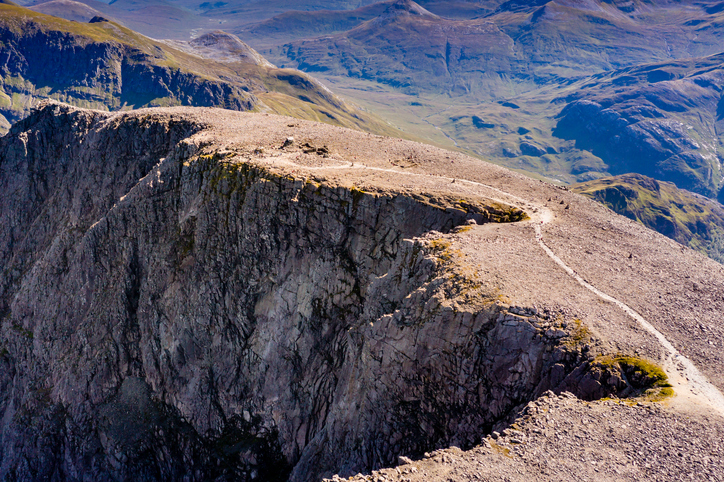
Climbers often joke that Ben Nevis has its own weather system. It can be sunny at the base and snowing at the summit within a few hours, catching many unprepared. The unpredictability is why guides stress checking forecasts and carrying extra layers. The mountain’s reputation for sudden storms is well-earned.
12. It’s home to unique plant life.
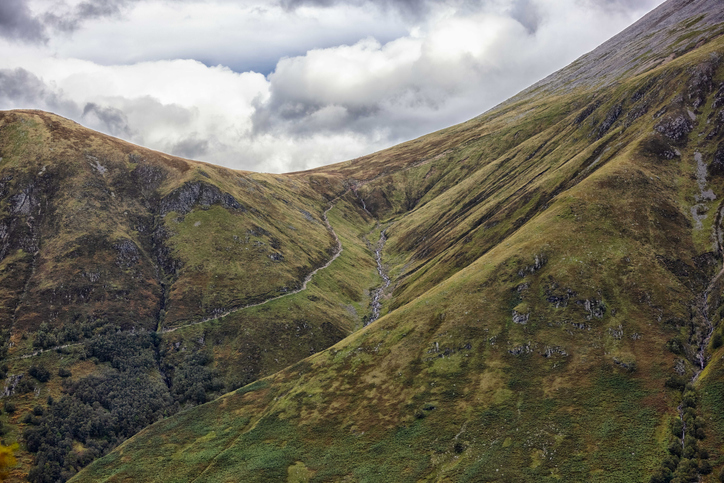
Despite the harsh conditions, the slopes of Ben Nevis support rare alpine plants. These species thrive in the thin soil and cold climate, making the mountain a valuable spot for botanists. Careful conservation is needed, as trampling from walkers can threaten these fragile plants. Staying on marked paths helps protect the mountain’s biodiversity.
13. It’s a symbol of Scottish pride.

Beyond its height and history, Ben Nevis holds cultural significance as a national landmark. It represents resilience, challenge, and Scotland’s natural beauty, making it a point of pride for locals and visitors alike. Whether climbed once or admired from below, Ben Nevis continues to inspire. Its enduring presence reminds people of both the difficulty and reward of facing something bigger than themselves.