The numbat is one of those animals that makes you stop and stare the moment you learn it exists.
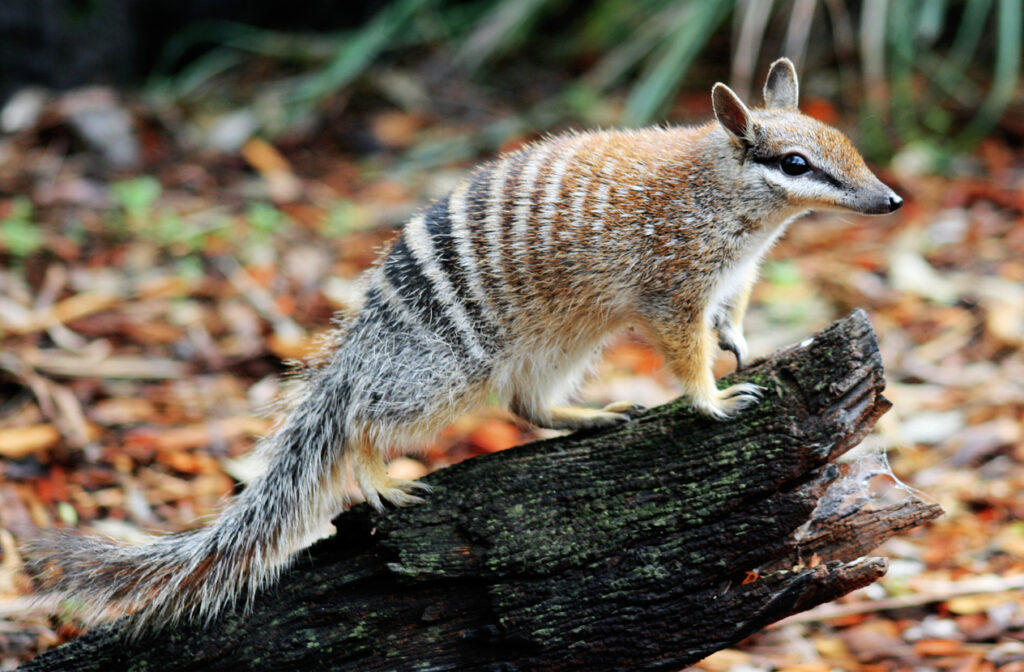
It’s tiny, bright-eyed and covered in stripes, with a personality that seems far bigger than its size. Most people outside Australia have never heard of it, which is surprising considering how charming and unusual it is. Everything about the numbat feels a bit unexpected, from what it eats to how it spends its day.
What makes it even more memorable is how specialised it is. This little marsupial has habits you don’t see in many other species and a way of living that makes it stand out in its wild, sun-soaked habitat. Once you get to know it, you wonder how such an endearing animal isn’t already world-famous. Here’s what sets the numbat apart and why it deserves far more attention than it gets.
Numbats are tiny marsupials with an incredibly delicate look.
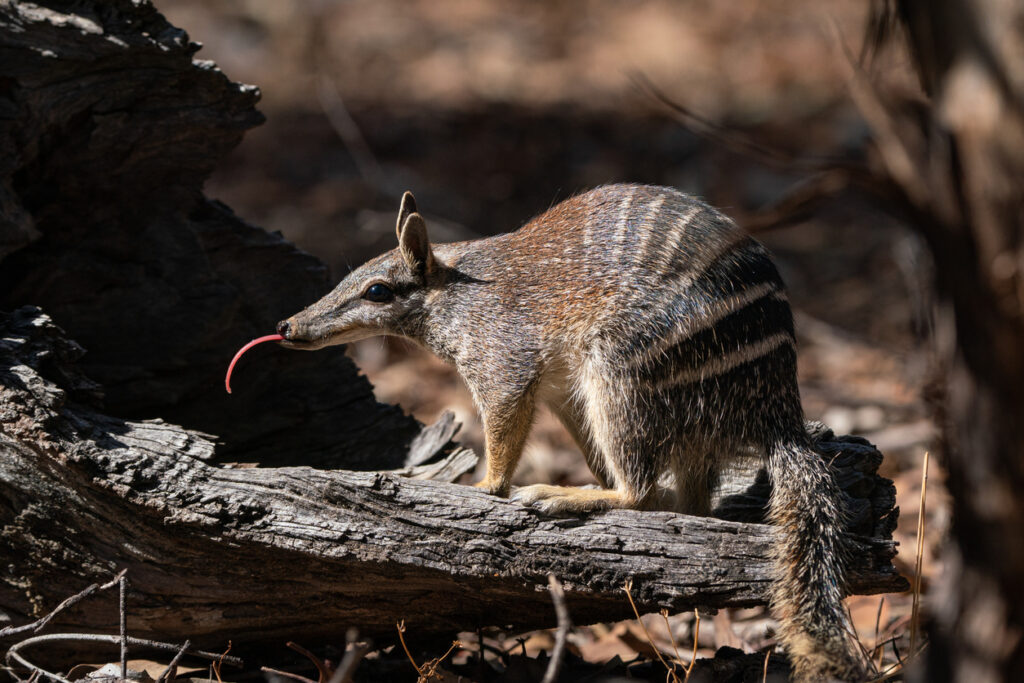
Numbats are small and slim with pointed faces, long bushy tails and bright eyes that make them look alert and gentle at the same time. Their light build helps them move quickly across the ground, and their markings give them a soft yet striking appearance. Even people who know Australian wildlife well often describe numbats as the cutest species they have ever seen. They look like they should be climbing trees, yet they spend almost all their time on the ground.
Their size also makes them easy to miss in the wild because they blend into their surroundings. Their delicate appearance hides a tough lifestyle because numbats survive in harsh environments where temperatures shift quickly. Their beauty isn’t just in how they look, but in how they manage to survive in areas that challenge bigger, stronger animals. The contrast between their tiny frame and their strong instincts makes them even more fascinating.
They have stripes that look like nature painted them by hand.
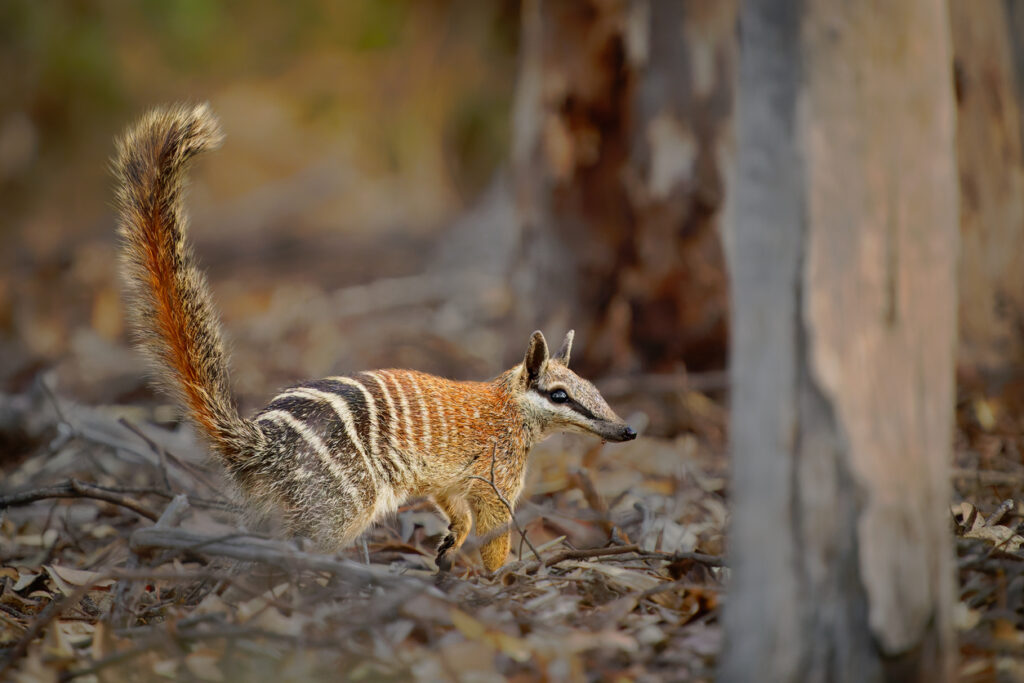
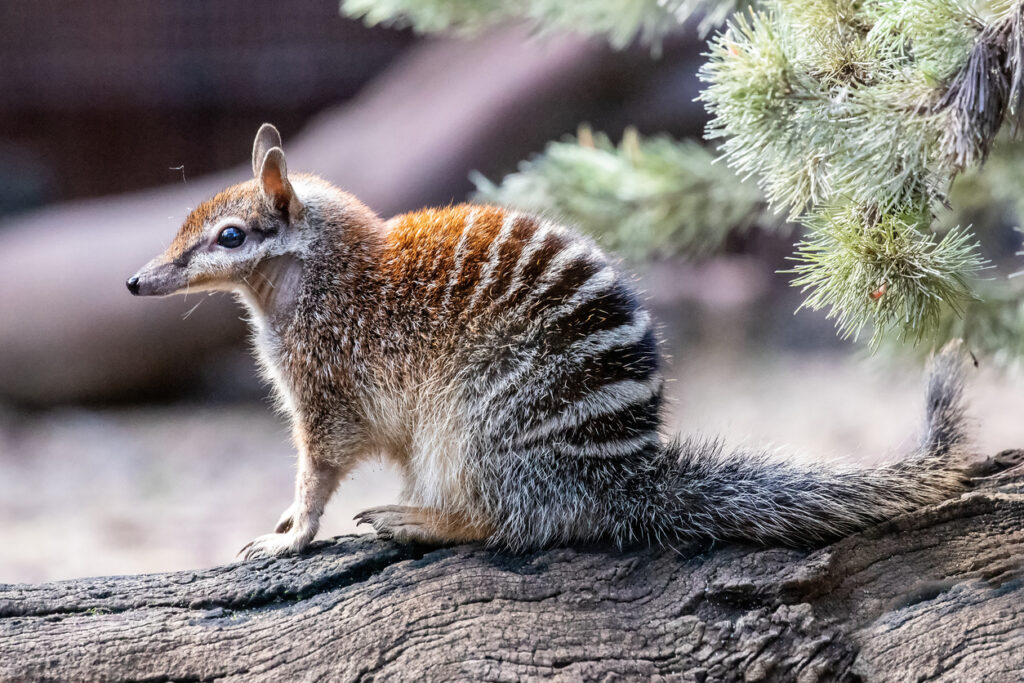
One of the first things people notice about numbats is the set of bright white stripes across their lower back. These stripes help break up their outline in the dry bushland where they live. The pattern looks like something from a children’s book illustration, and it gives them a unique charm. The striped tail and reddish coat make them stand out compared to other small marsupials.
The stripes also serve a practical purpose by helping numbats hide from predators. Their colouring blends well with sunlit patches of grass, fallen leaves and sandy soil. This makes them harder to spot, even in open areas. The mix of beauty and camouflage turns them into one of the most visually interesting animals in Australia.
Numbats eat almost nothing except termites.
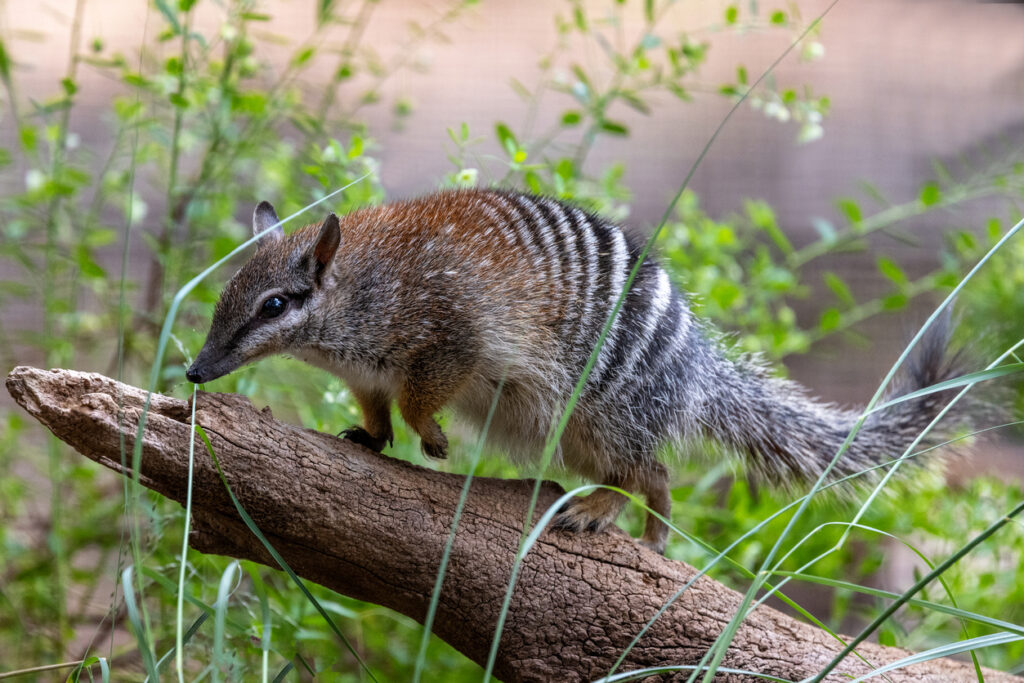
Unlike many marsupials that eat plants, insects or small animals, numbats specialise almost entirely in termites. They search for them throughout the day, using their strong sense of smell to find hidden nests. This diet might seem limited, yet numbats manage to eat thousands of termites each day. Their movements are fast and precise, which helps them snatch food from tiny openings.
Their specialised diet also shapes how they spend their time. They move between different feeding spots as termite activity changes with sunlight and temperature. The numbat’s body is adapted to this lifestyle, which means they thrive in areas many other animals ignore. Their termite focused diet makes them essential to the health of their environment because they help control termite populations naturally.
They use long sticky tongues instead of strong jaws.
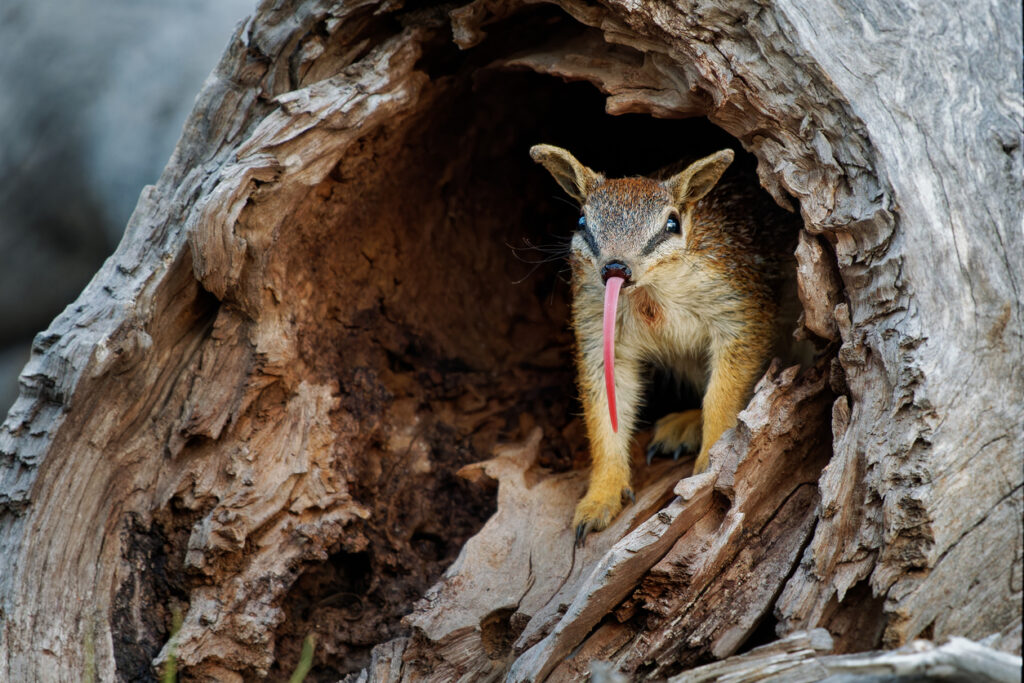
Numbats don’t need big teeth because they never chew their food. Instead, they have a long, narrow tongue covered in sticky saliva that helps them collect termites quickly. This tongue slips deep into the tiny tunnels where termites hide. The sticky surface brings out large numbers of insects in a single lick, which makes feeding efficient even when the termites move quickly.
Their clever design means numbats can eat continuously without needing to break or crush anything. Their light jaw structure reflects their simple diet and prevents unnecessary weight. The combination of a delicate skull and a remarkably effective tongue shows how specialised their evolution has become. Everything about them seems perfectly designed for the life they live.
They’re one of the few marsupials that are active during the day.

Most Australian marsupials avoid the heat by staying active at night, yet numbats prefer daylight. They come out in the morning to warm up, then spend the rest of the day searching for food. This daytime lifestyle helps them avoid competition with other insect eaters. It also makes them easier for people to see, which is rare for marsupials.
Being active during the day also fits their termite-based diet because termites move closer to the surface when the soil warms. The numbat’s daily routine matches these changes perfectly. This daytime behaviour gives them a calm and gentle energy compared to nocturnal species that move more abruptly. Watching a numbat in the wild feels peaceful because they move slowly between feeding spots with quiet confidence.
Their sense of smell is far stronger than their eyesight.
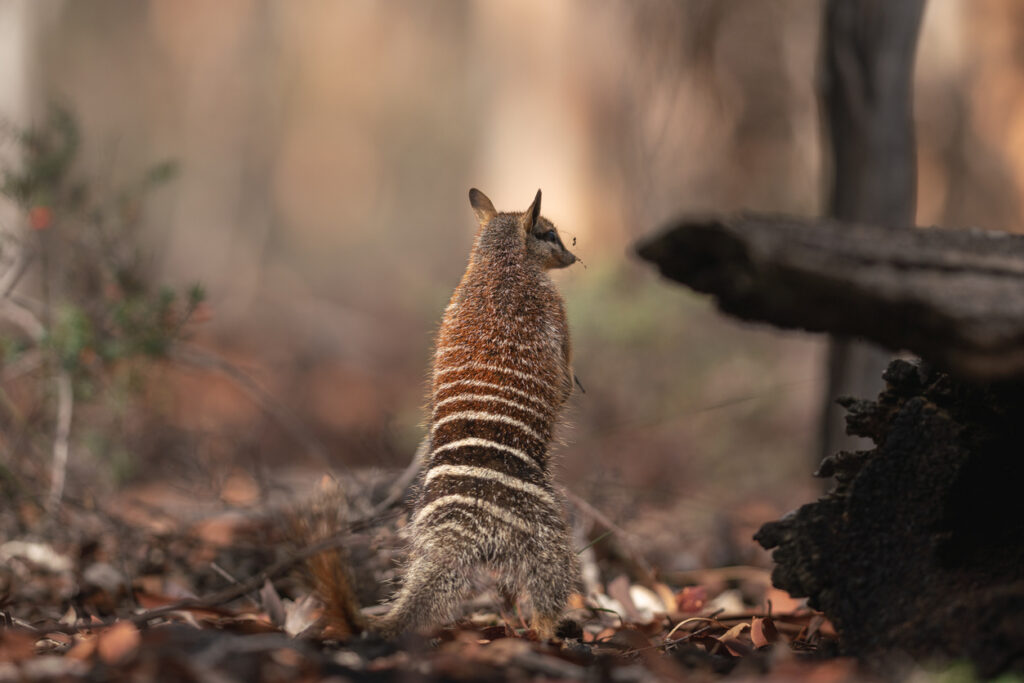
Numbats rely on their nose more than their eyes because they spend most of their time searching for termites underground. Their long snout helps them get close to the soil, and their sense of smell is strong enough to detect nests hidden deep below the surface. Their eyes still help them look out for predators, yet the nose is their main tool for finding food.
Their reliance on scent guides almost every decision they make during the day. They follow smell trails, explore cracks in the ground, and respond to subtle changes that humans would never notice. Their ability to rely on smell rather than sight makes them surprisingly effective hunters despite their gentle appearance.
They sleep in tree hollows, even though they rarely climb.
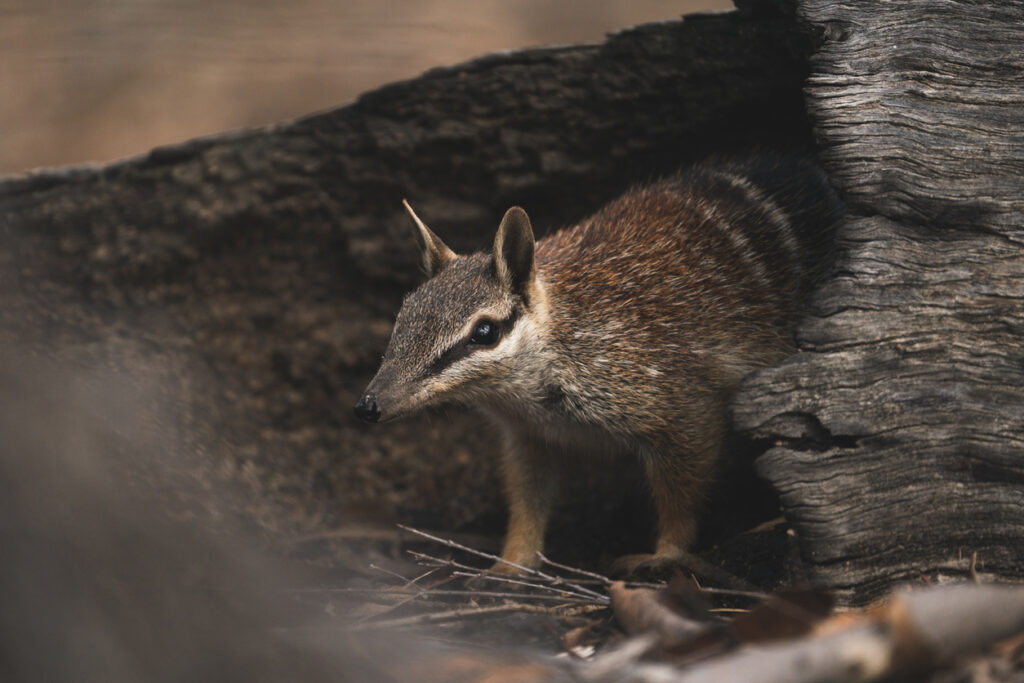
Numbats look like they could be climbing animals, yet they mostly stay on the ground. The one exception is when they hide or sleep because they rest inside tree hollows that offer warmth and protection. These hollows shield them from cold nights and keep them away from predators. Their long fluffy tail wraps around their body to create extra insulation.
Finding the right hollow is important because numbats don’t build nests. They rely on natural spaces already formed in old trees. These hollows provide safety in environments that can be risky for small animals. Their choice of sleeping spots shows how adaptable they are despite their specialised lifestyle.
Numbats used to live across most of Australia.
Early records show that numbats once lived in a wide range of habitats across southern Australia. Today, their numbers are much smaller because their environment has changed and predators like foxes have reduced their populations. This decline makes them one of the country’s rarest marsupials, which surprises people who assume such a cute animal would be protected naturally.
Conservation groups now focus on restoring numbat populations through protected reserves and careful predator control. These efforts are slowly bringing their numbers back up. Their rarity makes every remaining numbat incredibly valuable because each one represents part of Australia’s natural history that nearly disappeared.
They communicate with soft sounds that many people never hear.
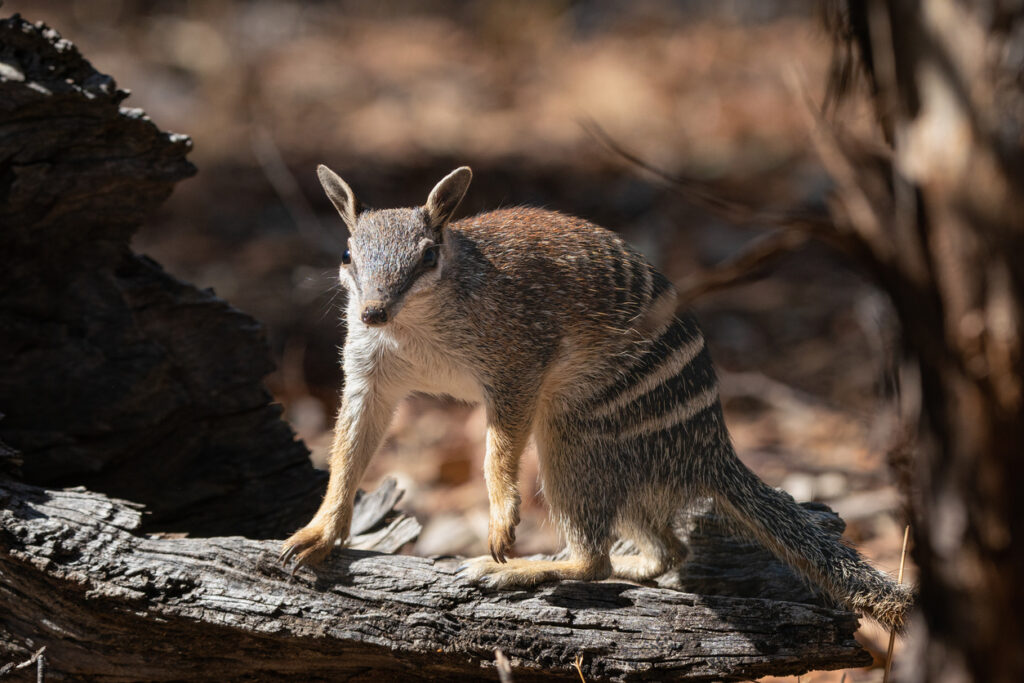
Numbats are quiet animals, yet they do make gentle sounds when they feel threatened or want to warn others. Their calls are high-pitched and subtle, which suits their small size and calm behaviour. These noises help them stay connected without drawing attention from predators.
Because numbats are so soft-spoken, many people who observe them never hear any sound at all. Their quiet communication adds to their charm because it reflects their gentle nature. They’re animals built for peaceful behaviour rather than confrontation.
Their babies stay in the open because numbats have no pouch.
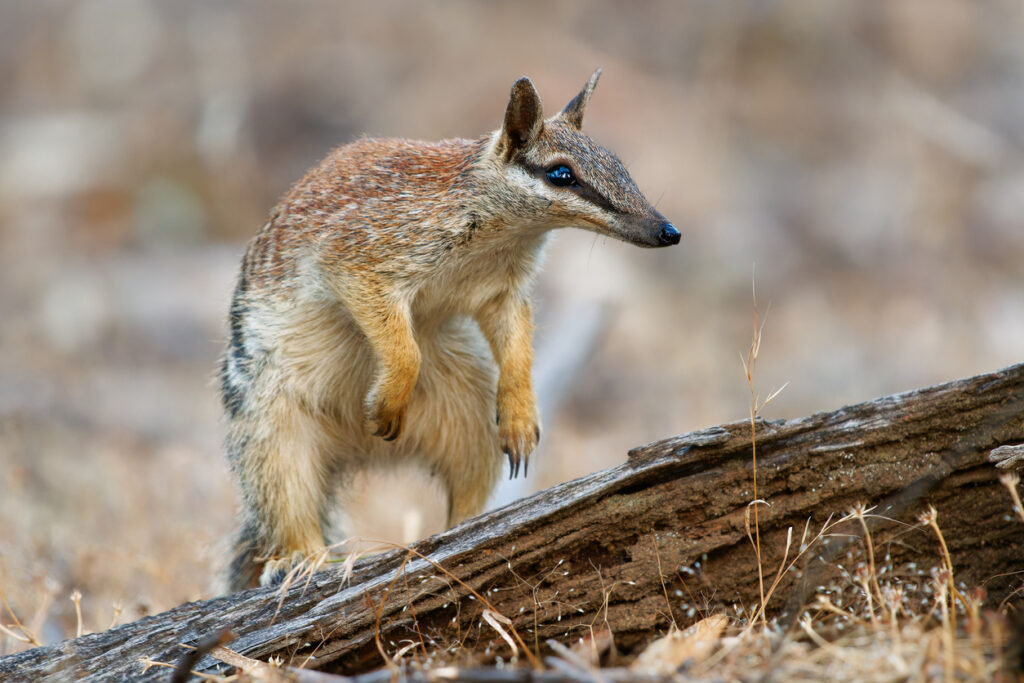
Most marsupials carry their young in a pouch, yet numbats are one of the rare exceptions. Their babies cling to their mother’s underside for several months until they’re big enough to stay in a nest inside a tree hollow. This system works because the infants grow quickly, and the mother protects them carefully.
This pouch free method surprises many people because it looks unusual compared to other marsupials like kangaroos or koalas. It also shows how flexible the marsupial family can be. The numbat’s approach fits their lifestyle and environment perfectly, even though it looks unconventional.
Their population is slowly returning thanks to conservation.
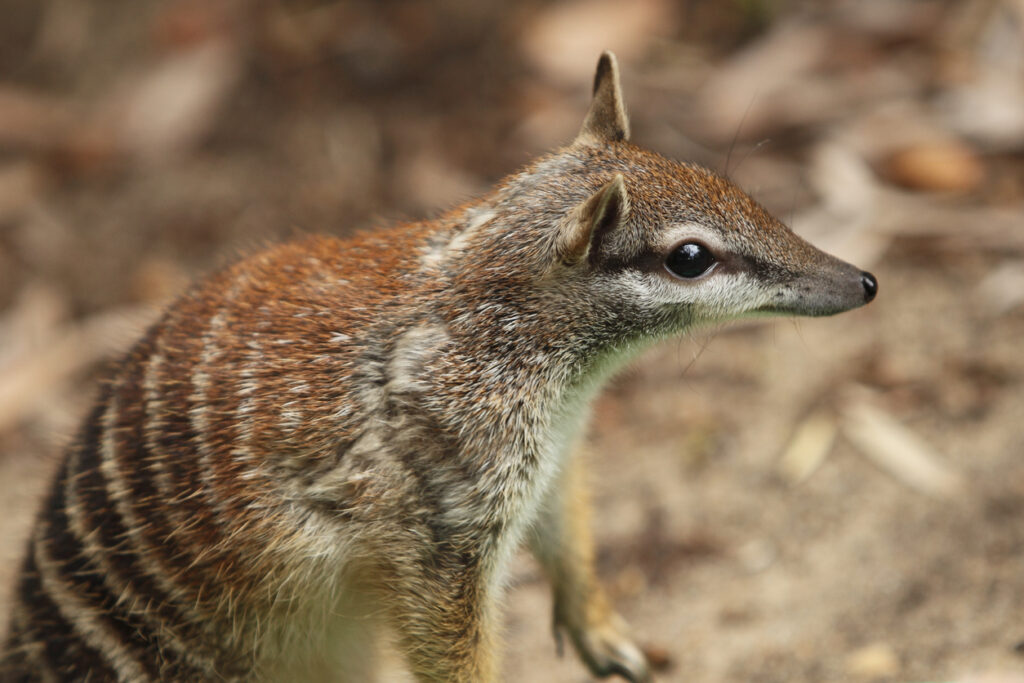
Conservation programmes in Western Australia have worked hard to bring numbats back from the edge of extinction. Protected reserves, breeding programmes and predator management have given the species a real chance of survival. These efforts are a rare success story in wildlife conservation because the numbers are improving steadily.
The numbat’s recovery shows how much difference focused protection can make. Each new generation helps strengthen the species and rebuild lost habitats. Their slow return gives people hope because it shows that endangered animals can recover when given enough support.
People call them the cutest marsupial for good reason.
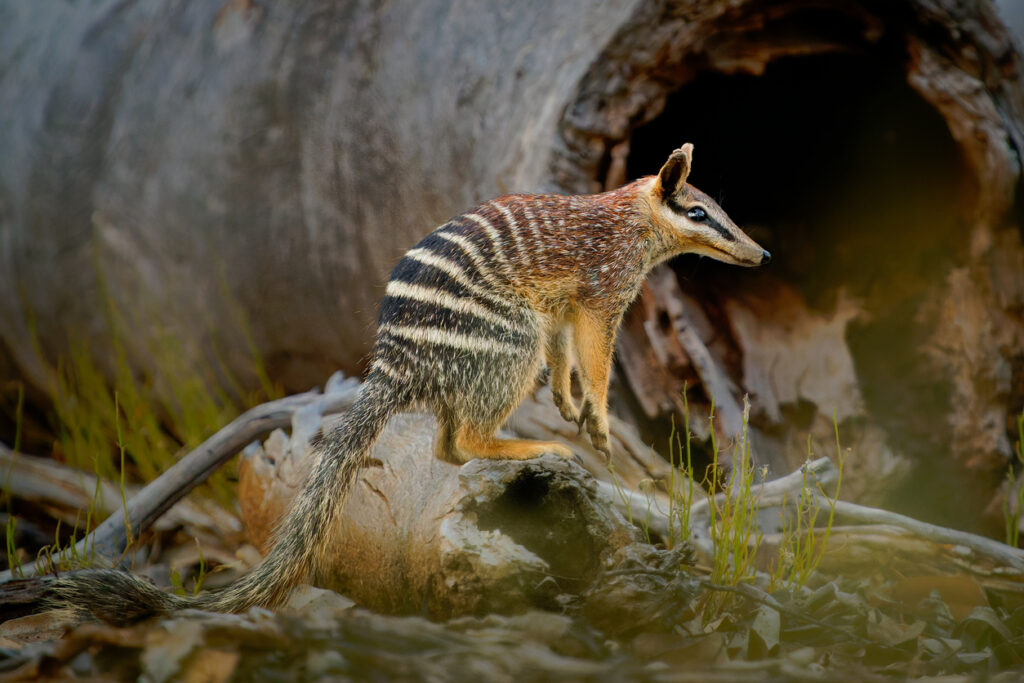
Numbats have a charm that feels immediate because they look gentle and alert, yet they move with surprising confidence. Their stripes, long tail and bright eyes give them a character unlike any other animal. Even people who work with wildlife every day describe numbats as one of the species that always makes them smile.
Their small size and peaceful nature create a sense of warmth that makes them unforgettable. Whether people discover them in a sanctuary or a piece like this, they often end up wondering how something so unique remained hidden from the world for so long. Numbats combine beauty, rarity, and personality in a way that makes them impossible not to love.