Winter can be tough on birds, especially when natural food sources start running low and the cold settles in for months.
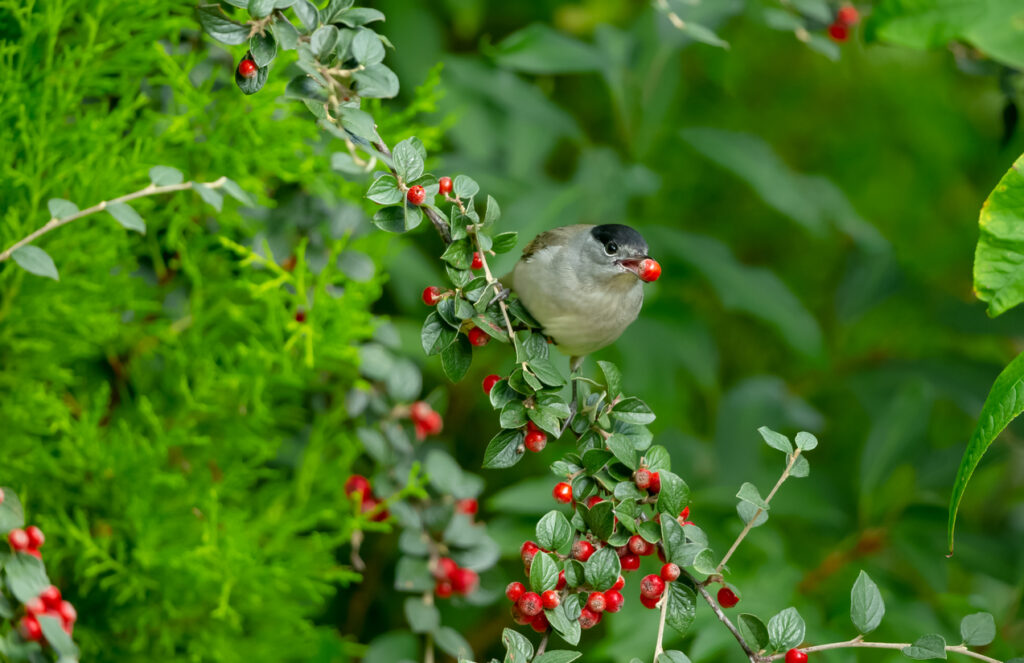
Gardens play a much bigger role than people realise, and the right plants can make the difference between a bird struggling through the season or staying well-fed. You don’t need a huge space or a perfectly designed garden. Even a few thoughtful choices can turn your patch of outdoor space into a lifeline.
What makes winter planting so satisfying is how quickly you see results. Birds remember where they’re fed, and once they know your garden offers something reliable, they return again and again. Some plants hold berries right through the coldest weeks, while others keep seed heads that stay intact long after summer ends. Here are the plants that quietly keep birds going when the rest of the landscape has run out of food.
1. Holly berries provide essential winter calories.
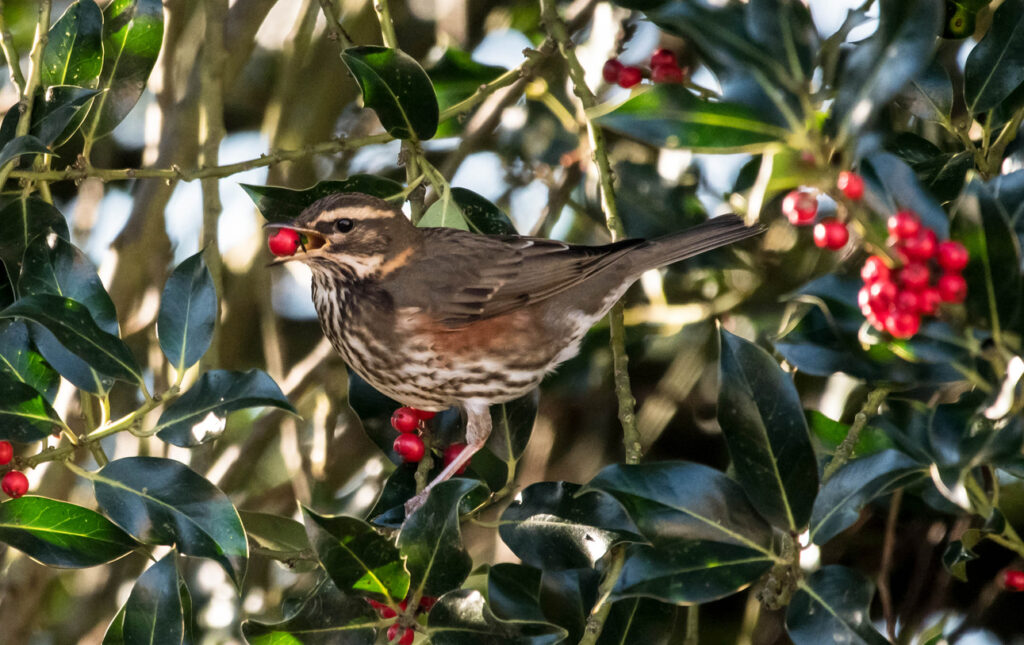
Holly produces bright red berries that ripen in late autumn and last well into winter. The berries are packed with fat and nutrients that birds desperately need when temperatures drop. Blackbirds, thrushes, and robins all feast on holly berries. The evergreen leaves also provide shelter. You need both male and female holly plants to get berries.
Holly berries become more important as winter progresses and other food sources disappear. Birds often leave them until last because they’re quite bitter, but when everything else is gone, holly keeps them alive. The dense branches protect birds from wind and rain, too. A mature holly tree or hedge is like a winter survival station for multiple bird species.
2. Ivy berries ripen when nothing else is available.

Ivy flowers late in autumn and the berries ripen in late winter, exactly when birds need them most. The black berries are high in fat and provide crucial energy. Wood pigeons, blackbirds, and thrushes rely on ivy berries to survive February and March when other food is scarce. Ivy also provides nesting sites and shelter throughout the year.
Many people cut back ivy thinking it’s a pest, but it’s actually vital for winter wildlife. The late-ripening berries fill a gap when virtually nothing else is producing food. Insects shelter in ivy, too, giving insect-eating birds something to hunt. Leaving ivy to mature and flower is one of the best things you can do for winter birds.
3. Pyracantha berries last from autumn through winter.
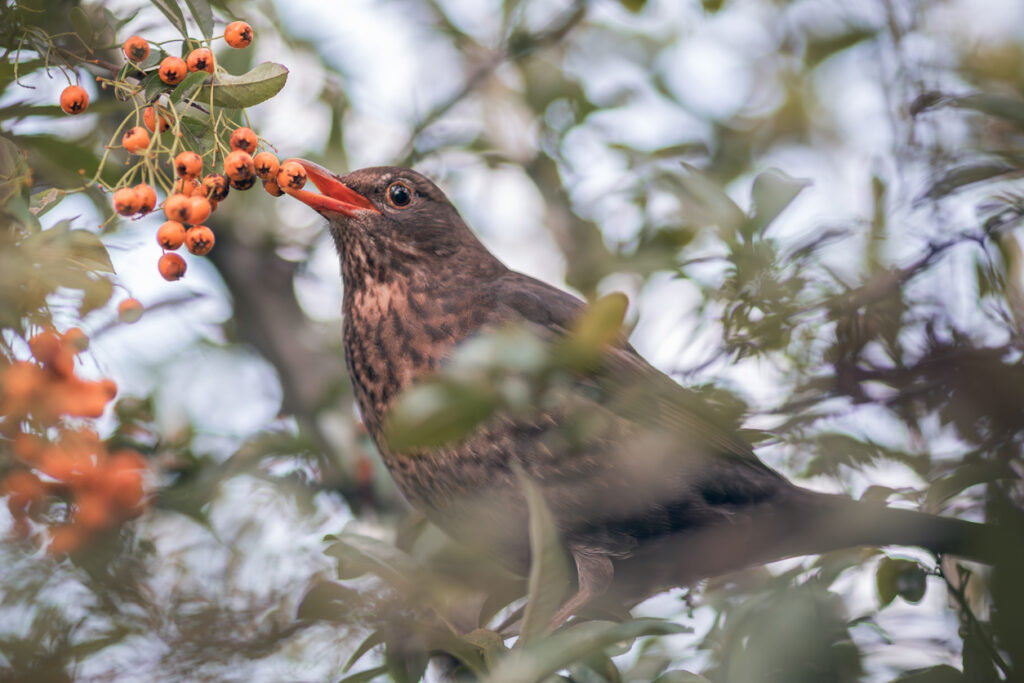
Pyracantha, also called firethorn, produces masses of orange, red, or yellow berries that birds adore. The berries appear in autumn and can last through winter if the birds don’t eat them all first. Blackbirds and thrushes strip the berries quickly when other food runs out. The thorny branches also provide safe nesting spots in spring.
Pyracantha is easy to grow and can be trained against walls or grown as a hedge. The sheer quantity of berries it produces makes it incredibly valuable for feeding birds. Even a small plant can produce hundreds of berries. It’s also decorative, so you get a beautiful garden feature that doubles as a bird feeder.
4. Sunflower seed heads feed finches.
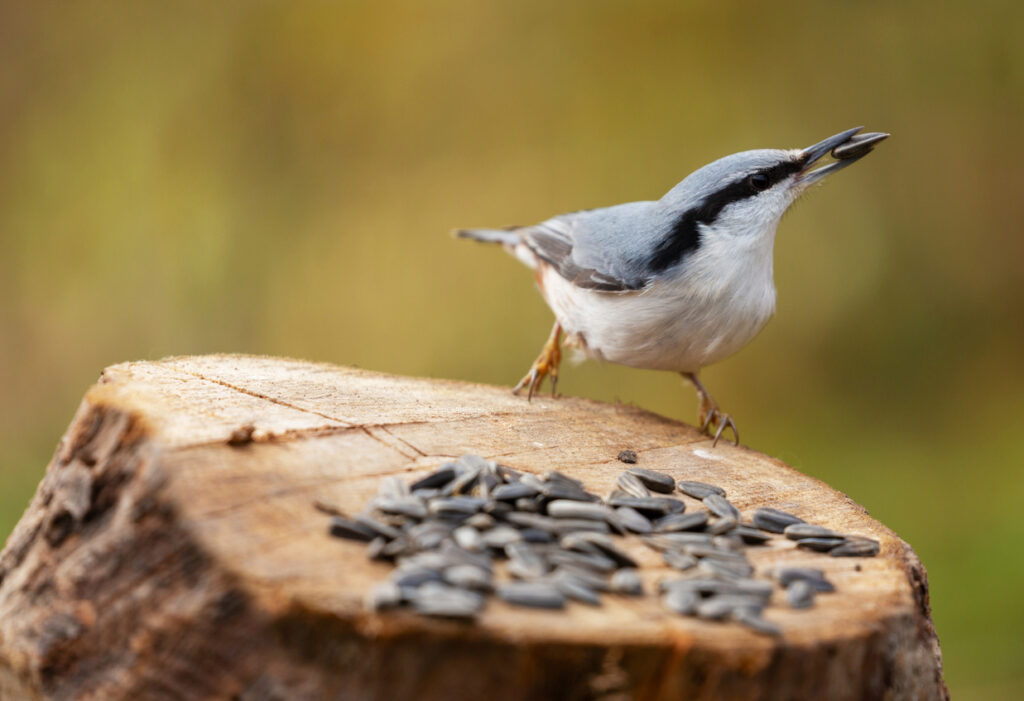
If you leave sunflower seed heads on the plant instead of cutting them down, they become natural bird feeders. Goldfinches and greenfinches love sunflower seeds. The birds cling to the dried flower heads and pick out the seeds. One large sunflower can provide food for weeks. They’re particularly useful in early winter before the seed heads completely decompose.
Growing sunflowers specifically for birds is easy and cheap. Just plant seeds in spring and leave the heads on in autumn instead of deadheading them. The birds will do the harvesting themselves. It looks a bit messy, but birds prefer it to a tidy garden. Multiple sunflower plants create a feeding station that needs zero maintenance from you.
5. Rowan berries are stripped clean by migrating birds.
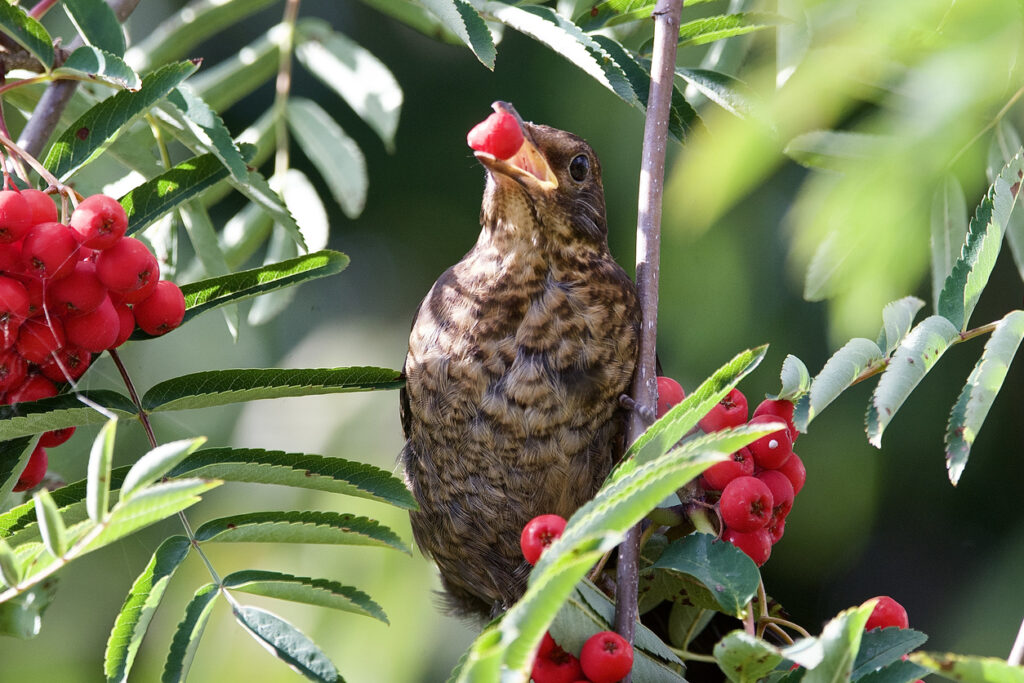
Rowan trees produce clusters of bright red or orange berries in late summer that often last into winter. Waxwings, thrushes, and blackbirds eat them enthusiastically. When waxwings arrive from Scandinavia in winter, they can strip a rowan tree bare in days. The berries are rich in vitamin C and help birds survive cold snaps.
Rowan trees are native to Britain and suit most gardens as they don’t grow too large. The berries are also beautiful, adding colour to autumn and winter gardens. A single mature rowan can produce thousands of berries. Even if birds eat them quickly, that’s the point. You’re providing a vital food source exactly when they need it.
6. Cotoneaster berries feed birds through the harshest weather.
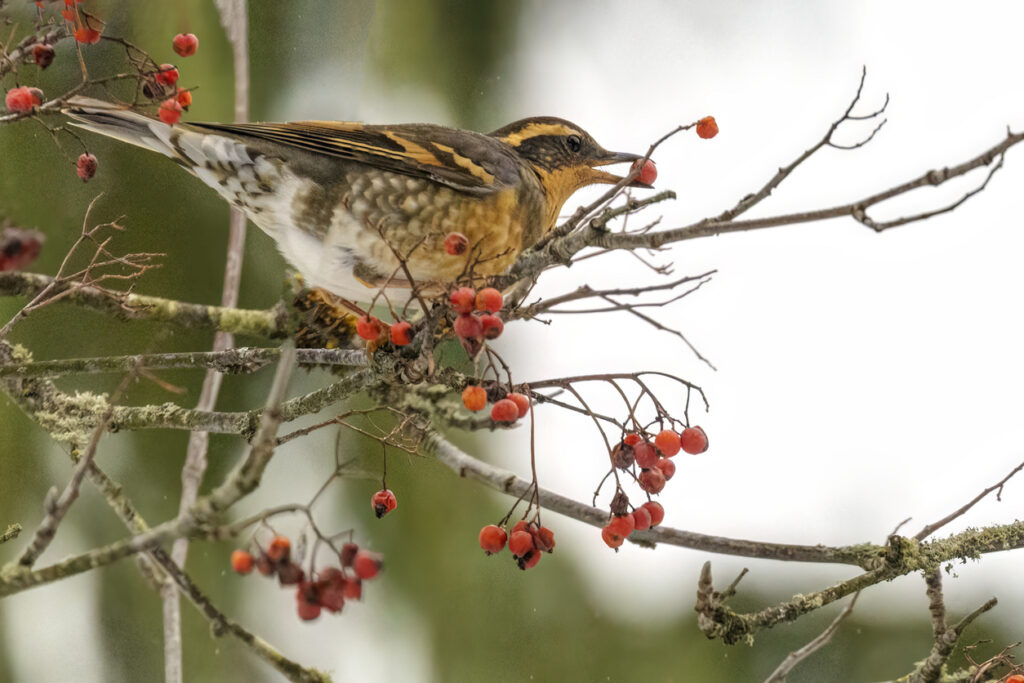
Cotoneaster shrubs produce masses of red berries that persist through winter. Different species ripen at different times, so planting several varieties extends the food supply. Blackbirds and thrushes love these berries. The dense branching also provides shelter from wind and predators. Some cotoneaster species grow low and spreading, others grow tall and upright.
These shrubs are tough and grow in poor soil and difficult spots. They’re perfect for filling awkward areas while providing bird food. The berries are bitter, so birds often leave them until other food runs out, which means they’re available during the worst weather. A row of cotoneaster creates a living hedge that feeds birds all winter.
7. Hawthorn berries sustain birds through early winter.
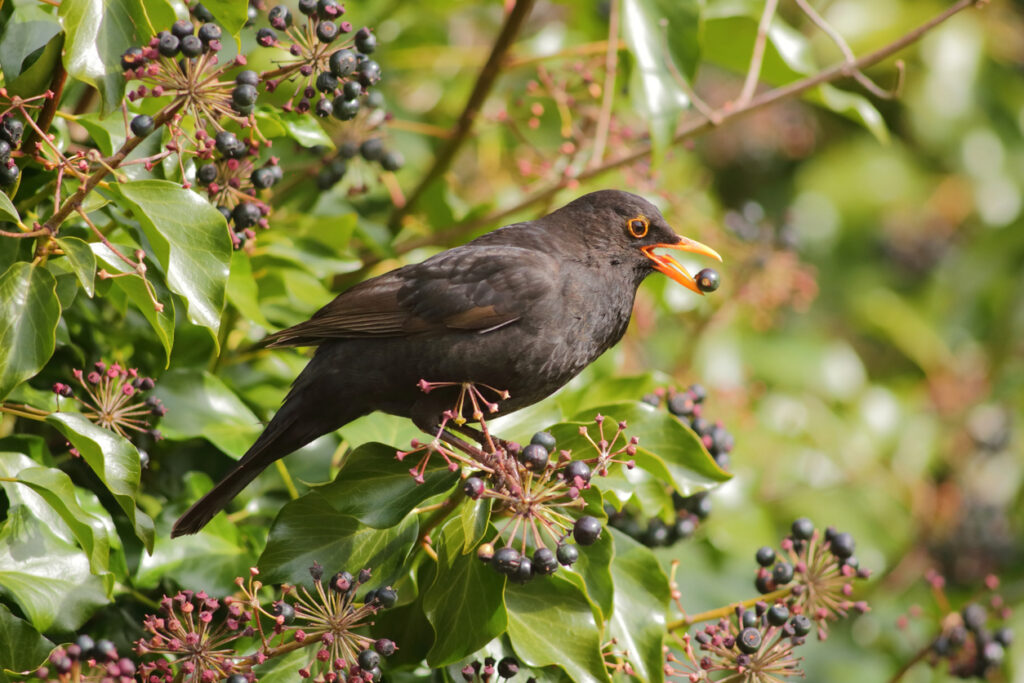
Hawthorn produces dark red berries called haws in autumn. Thrushes, fieldfares, and redwings feast on them before moving on to other berries. The haws don’t last as long as some other berries, but they provide crucial nutrition in early winter. Hawthorn also makes excellent hedging that birds nest in during spring and summer.
Planting a hawthorn hedge creates habitat and food in one go. The thorny branches protect nesting birds from cats and predators. The autumn berries feed them when they’re building up reserves for winter. Native hawthorn is tougher than exotic species and supports more wildlife. A mature hawthorn hedge is one of the most valuable features you can have for birds.
8. Teasel seed heads attract goldfinches and other finches.
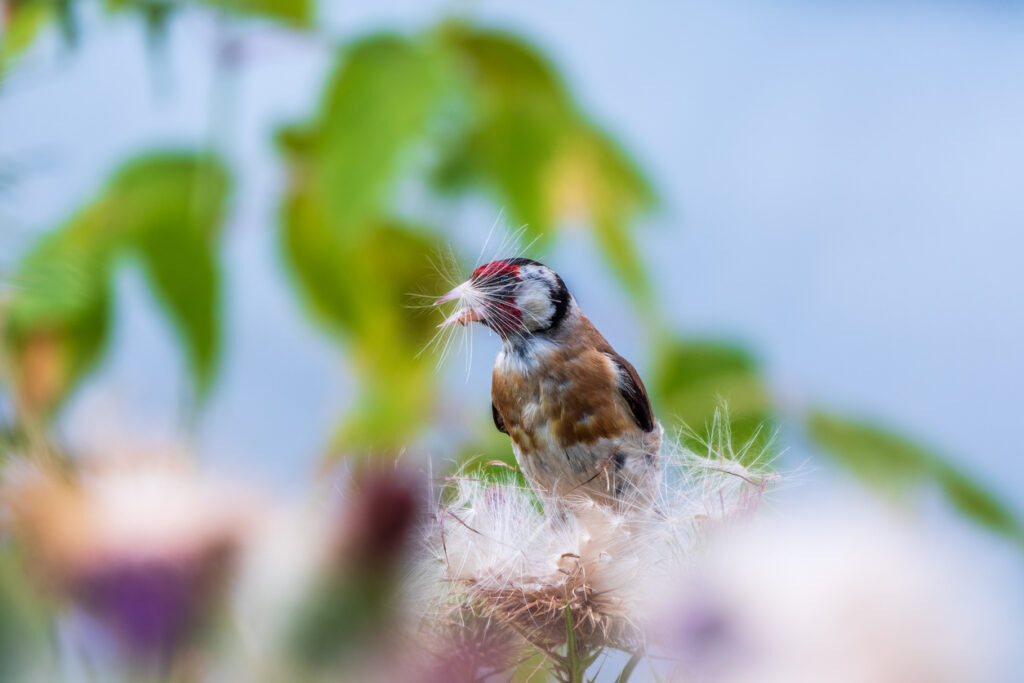
Teasels are tall wildflowers that produce spiky seed heads perfect for finches. Goldfinches in particular love teasel seeds, and you’ll often see them clinging to the dried heads in winter. Leave the dead stems standing instead of cutting them down. The seeds provide food from autumn right through winter. Teasels also look architectural and attractive in the garden.
These plants self-seed easily once established, creating more food sources each year. They grow in poor soil and need almost no care. Watching goldfinches work the seed heads is genuinely entertaining. It’s free bird food that you don’t have to buy or fill. Just let the plants die back naturally and the birds will do the rest.
9. Crab apple trees offer food and shelter.
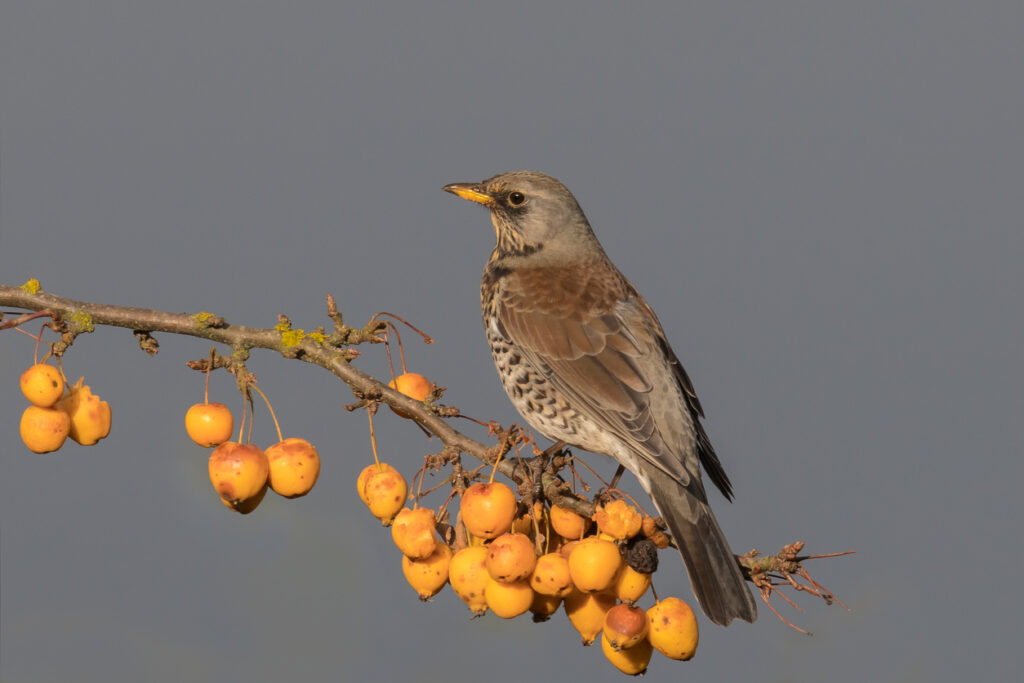
Crab apples produce small fruits that stay on the tree well into winter. Blackbirds, thrushes, and fieldfares eat them, especially after frost softens the flesh. The fruits might look unappetizing to us, but birds find them perfectly edible. The trees also provide good nesting sites and shelter. Different varieties produce different sized fruits, all useful to birds.
Crab apple trees are small enough for most gardens and look beautiful when flowering in spring. The fruits add colour in autumn and winter before birds eat them. They’re low maintenance, and native varieties are incredibly tough. Unlike eating apples that fall and rot, crab apples stay on the tree where birds can reach them easily.
10. Ornamental grasses provide seeds throughout winter.
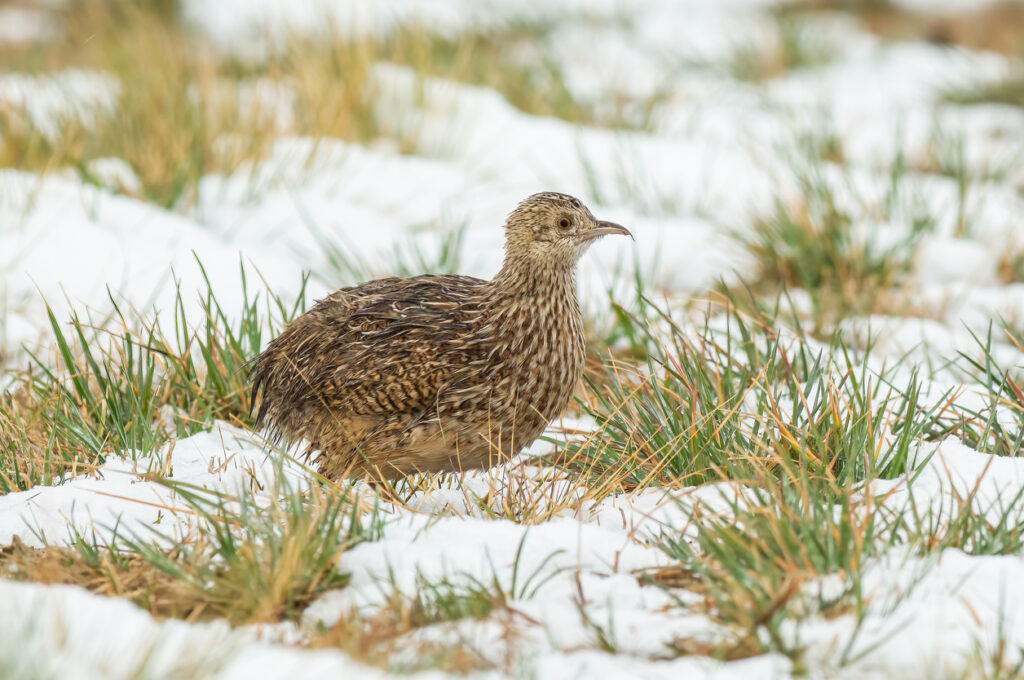
Many ornamental grasses produce seed heads that birds love. Species like miscanthus and panicum attract sparrows, finches, and buntings. The seeds are small but numerous and packed with nutrition. The grasses also provide shelter from wind and rain. Leave the dead foliage standing through winter instead of cutting it back in autumn.
Grasses look stunning through winter, especially when frosted or covered in snow. They add movement and texture to the garden while feeding birds. The seeds stay viable even in wet weather because the grass structure protects them. A border of ornamental grasses becomes a bird feeding station that looks beautiful, too.
11. Honeysuckle berries appear when other sources are depleted.
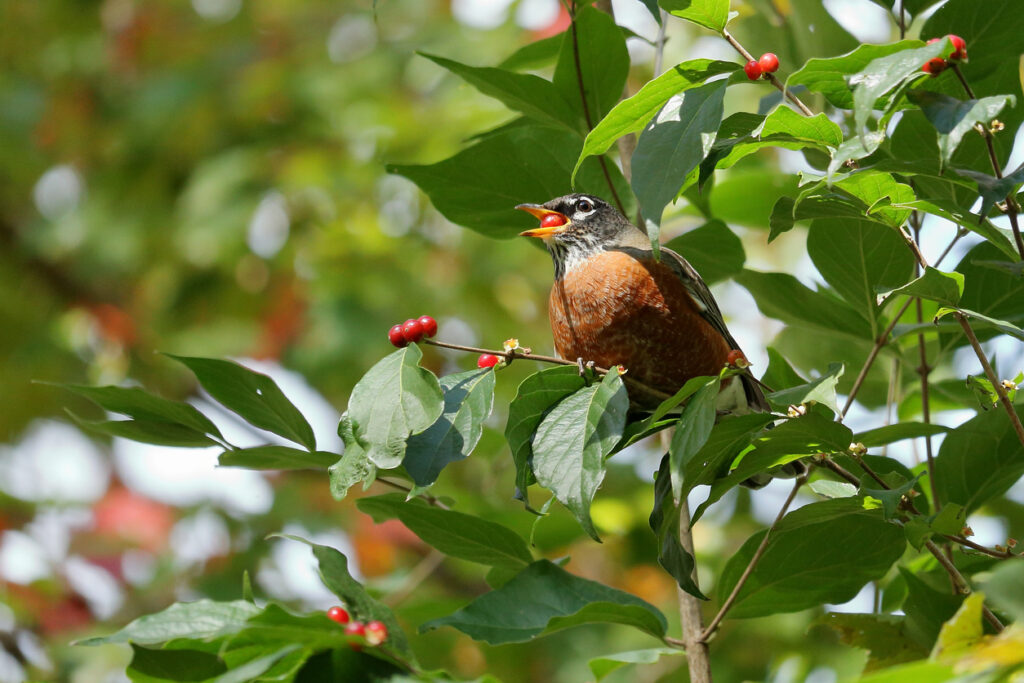
Honeysuckle produces red berries in late summer and autumn that often last into early winter. Blackbirds and thrushes eat them eagerly. The climbing nature of honeysuckle means it doesn’t take up much ground space but provides lots of food. Native honeysuckle is better for wildlife than ornamental varieties. The dense growth also shelters insects that insect-eating birds need.
Growing honeysuckle up a fence, wall, or through a tree creates vertical feeding opportunities. Birds feel safer feeding higher up where cats can’t reach them. The berries might be toxic to humans, but birds digest them perfectly. Allowing honeysuckle to climb and spread creates habitat layers that support more wildlife.
12. Dogwood berries feed birds in autumn and early winter.
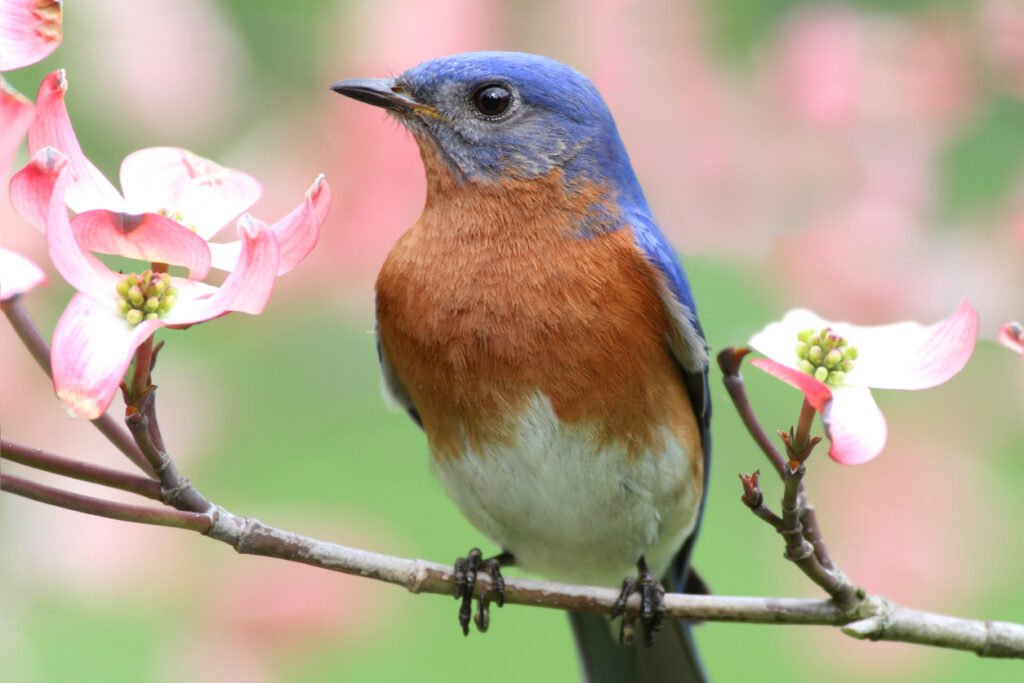
Dogwood shrubs produce white or blue berries that ripen in late summer and autumn. Wood pigeons, thrushes, and starlings all eat them. The berries are high in fat, exactly what birds need to build reserves before winter. Dogwood also has colourful stems that look brilliant in winter gardens after the leaves drop.
These shrubs are easy to grow and tolerate most conditions. They’re often grown for their winter stem colour, but the berries are equally valuable. Native dogwood species support more wildlife than foreign varieties. The combination of food, shelter, and visual interest makes dogwood an excellent choice for a wildlife-friendly garden that still looks good.