Hydrangeas look tough in summer, but they feel the winter chill far more than people expect.

A sudden cold snap can wipe out next year’s blooms, and many gardeners only realise after the damage is done. The good news is that hydrangeas are easy to protect once you know what they’re sensitive to and how to give them a bit of shelter.
A few simple steps make a big difference. You don’t need specialist equipment or hours of spare time, just a little preparation before the worst weather arrives. With the right care, your hydrangeas come through winter in good shape and reward you with healthy growth once spring returns. Here’s how to keep them safe through the cold months.
Start by clearing dead leaves and old blooms.
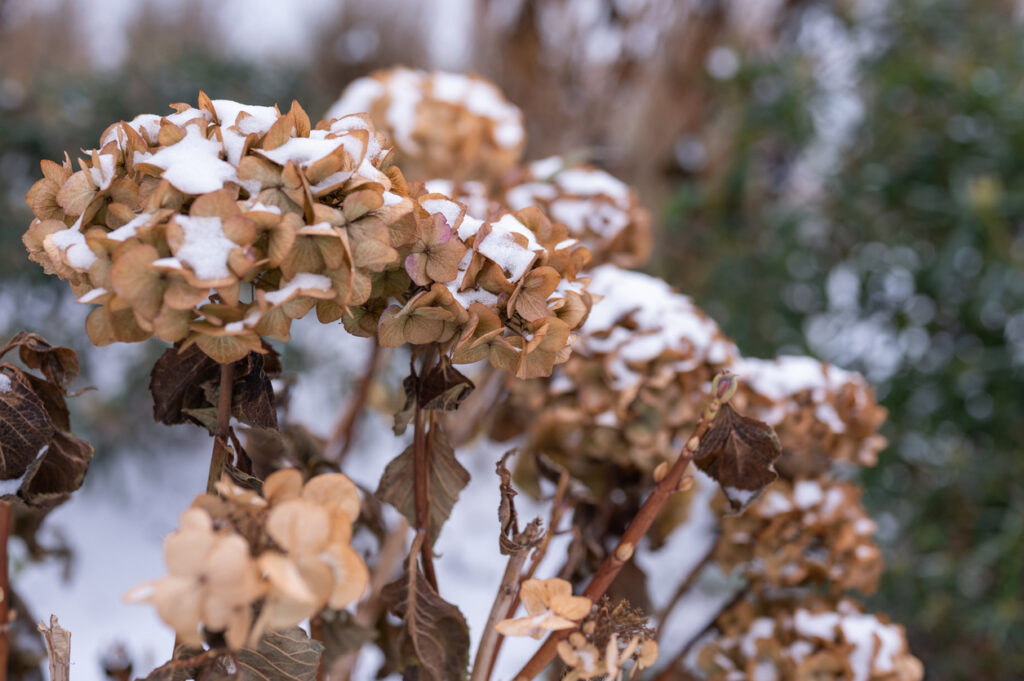
Before you protect anything, you need to make sure your hydrangeas are clean and healthy. Dead leaves trap moisture that can freeze during cold nights, and this causes rot that spreads into the stems. Old blooms also hold water, which increases the risk of frost damage. Clearing everything away gives your plant a fresh start and reduces the chances of disease forming during winter.
Having a quick tidy up also helps you see the true shape of the plant. You can check for weak or broken stems and remove anything that looks unhealthy. Once the plant is clear and tidy, every step that follows becomes much more effective. It gives you a better picture of what your hydrangea needs before the cold sets in fully.
Add a thick layer of mulch around the base.
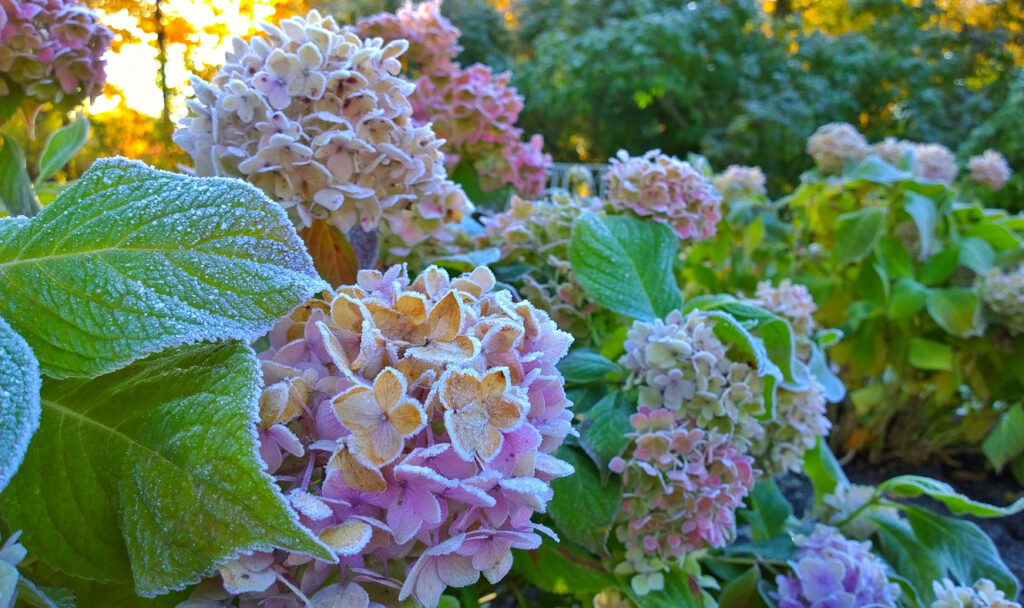
Mulch is one of the most important winter protectors for hydrangeas because it keeps the soil warm and stops roots from freezing. A layer of compost, bark, or leaf mould works well because it locks heat into the ground and helps the soil stay steady during temperature changes. This protects the roots, which are the most vulnerable part of the plant in cold weather.
A good mulch layer also keeps the soil moist without letting it become waterlogged. Roots that sit in cold, wet soil for too long can rot, so adding mulch creates a natural barrier that helps water drain slowly. It gives your hydrangea a safer, more stable foundation during long winter months.
Tie stems loosely to prevent wind damage.
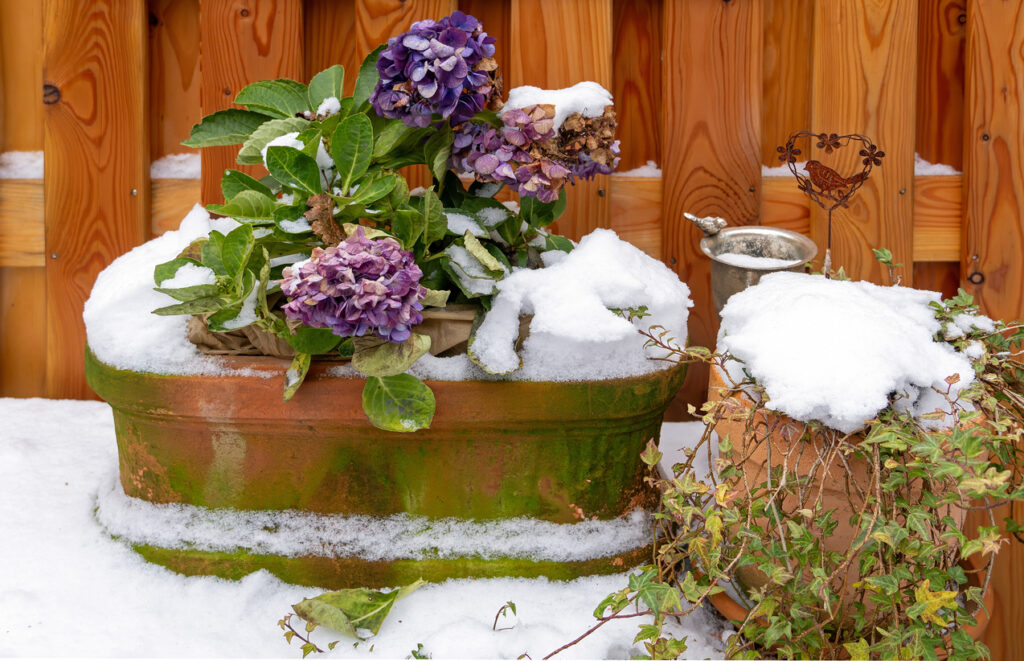
Winter winds can snap hydrangea stems easily, especially when the plant is older and has heavier growth. Tying the stems together gently helps them support each other so they don’t sway too much in strong gusts. Soft garden twine works well because it holds everything in place without cutting into the stems.
A bit of support also helps keep the plant upright when snow or icy rain builds up on top of it. Hydrangeas bend quickly under weight, and broken stems reduce next year’s flowering. A few minutes of tying can save months of growth and give your plant a better chance of blooming well in spring.
Cover the crown during severe cold spells.
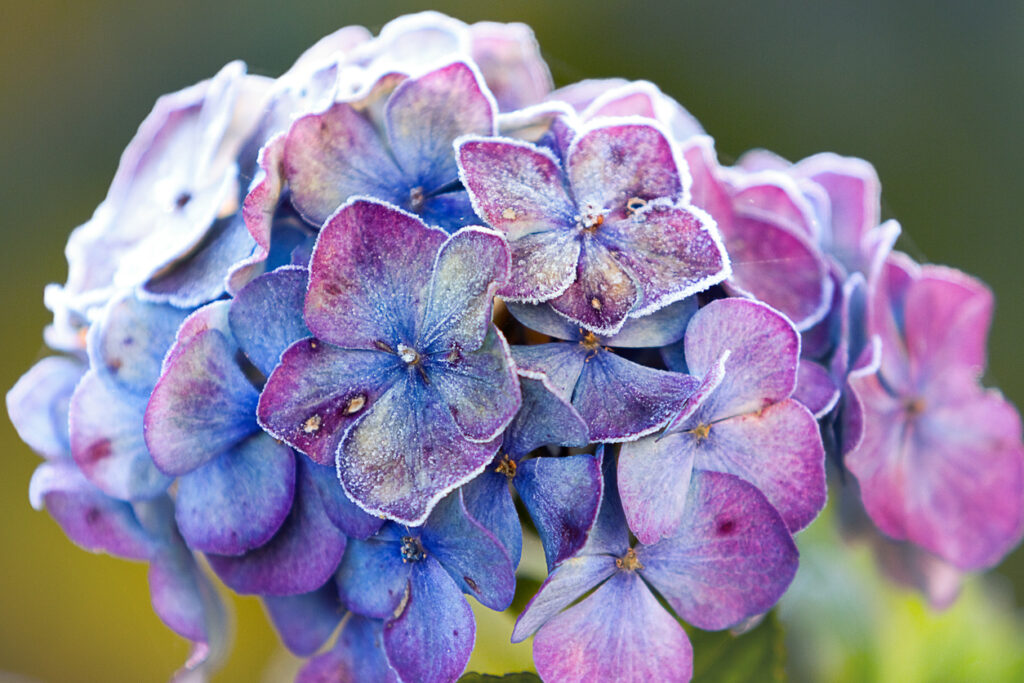
Some winters bring sharp temperature drops that damage the crown, which is the part of the plant where new growth forms. Covering it during freezing conditions helps protect these delicate buds. A breathable material like horticultural fleece works best because it traps warmth while still allowing air to move through.
You can wrap the fleece around the top of the plant or drape it gently to form a protective layer. This keeps frost from settling directly on the buds and gives your hydrangea a better chance of producing strong new stems when spring arrives. Removing the cover during milder periods stops moisture building up underneath.
Use a simple frame to stop fleece from touching the plant.
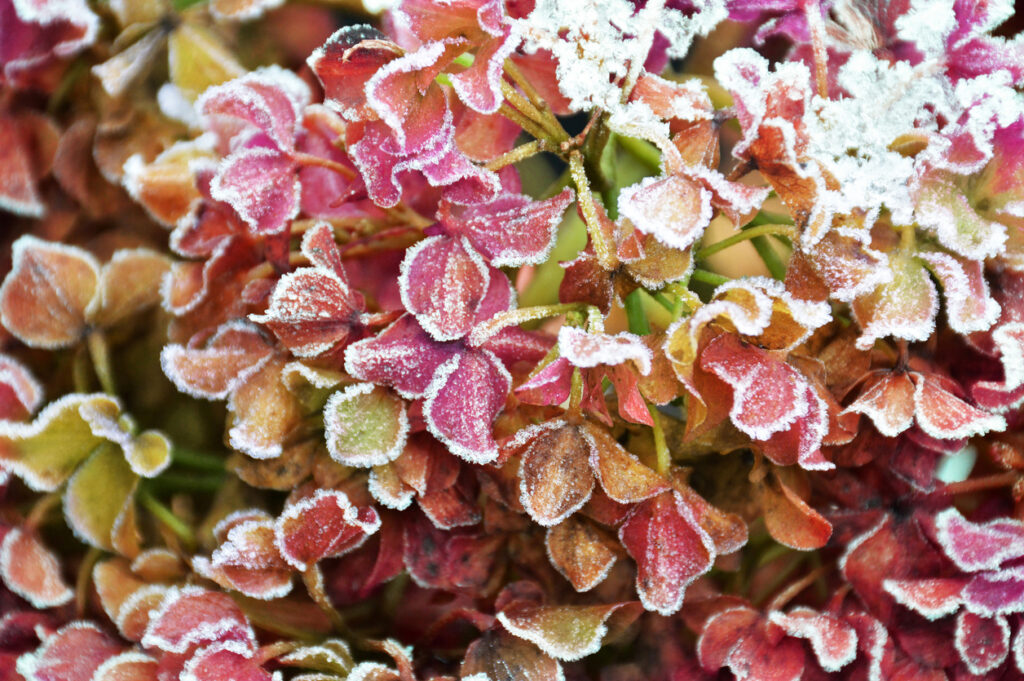
If your hydrangea is large, draping fleece directly on top of it can weigh it down when it gets wet. A small frame made from bamboo canes or spare garden stakes keeps the cover lifted so nothing presses onto the stems. This creates a small tent over the plant that protects it from frost while preventing damage from trapped moisture.
Providing a raised cover keeps the plant warmer because the air inside the frame stays at a steadier temperature. It also allows rain to slide off easily, rather than collecting on top. Frames don’t need to be expensive or complicated. Even a few canes pushed into the soil can give your hydrangea a safer winter shelter.
Check the soil throughout winter so it never becomes waterlogged.
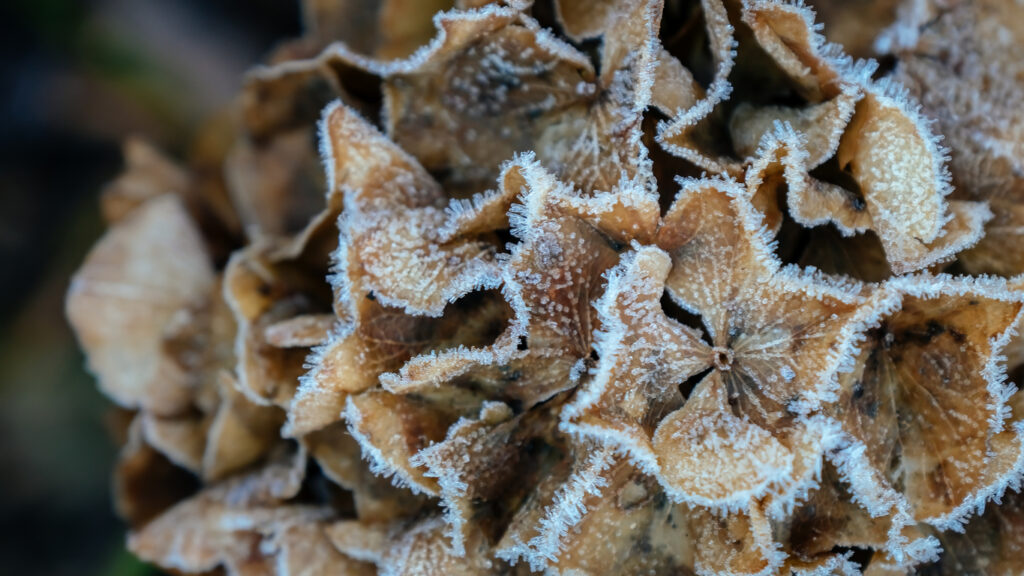
Hydrangeas suffer when their roots sit in cold, soggy soil for long periods. Heavy winter rain can build up quickly, especially in clay or compacted soil. Checking the ground every few weeks helps you spot problems before they cause damage. If the soil feels heavy and wet, gently loosen it around the edges to help water drain away.
You can also add more mulch if the surface starts to look bare because mulch helps break up compacted soil. Keeping the ground well aerated gives roots the air they need to stay healthy. Consistent soil checks are one of the simplest ways to prevent winter damage that gardeners often don’t notice until spring.
Protect young plants with extra insulation.
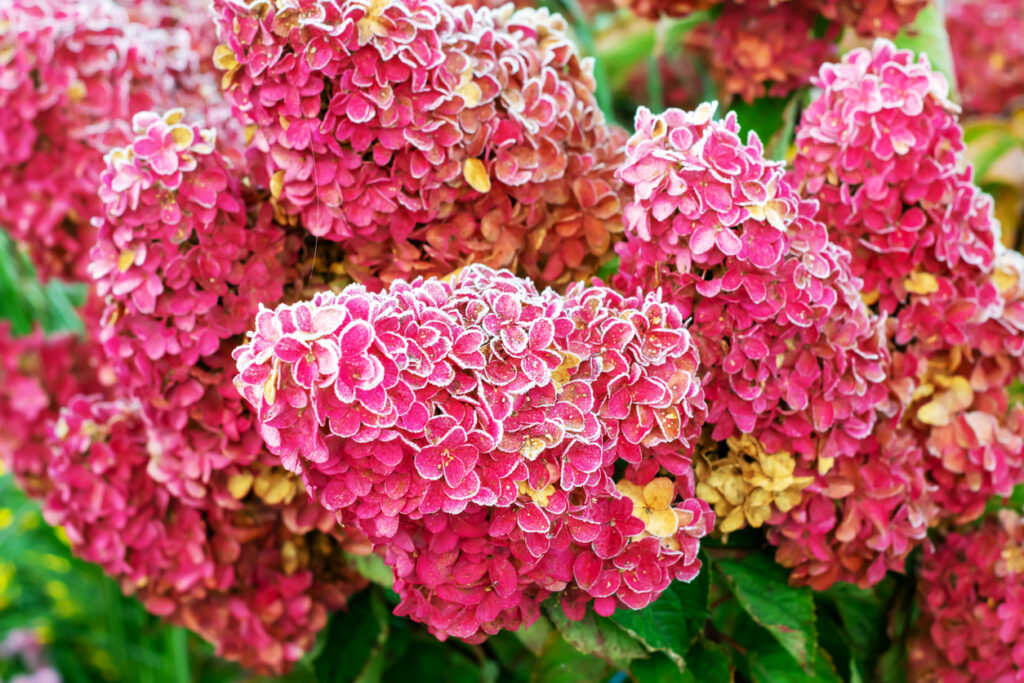
Newly planted hydrangeas don’t have strong root systems yet, which makes them more vulnerable to frost. Giving them extra insulation helps them survive their first winter more confidently. A thicker mulch layer is a good start, but you can also wrap the lower part of the plant with fleece or place a cloche over it during severe cold spells.
This additional protection keeps the root area warm while the plant settles into its new home. Young hydrangeas also lose moisture easily, so the insulation prevents cold winds from drying them out. Once they grow stronger roots, they won’t need as much hands on care in future winters.
Move potted hydrangeas to sheltered spots.
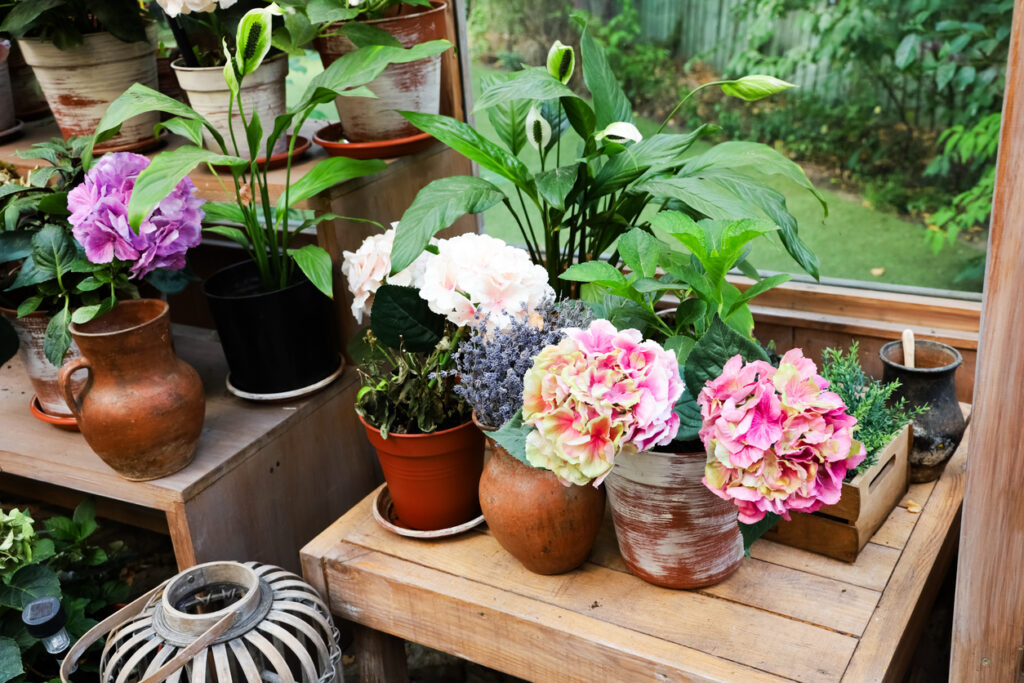
Potted hydrangeas face stronger temperature swings than ones planted in the ground because their roots sit closer to the outside air. Moving the pots against a house wall, inside a greenhouse or into a sheltered corner helps protect them from frost. Even a small shift into a wind-free spot makes a big difference.
Adding bubble wrap or extra straw around the pot helps insulate the roots even further. You don’t need to wrap the whole plant, only the container itself. Keeping the root ball warm prevents ice forming inside the soil and protects the plant from cold damage that container plants face more easily.
Water carefully during dry cold periods.
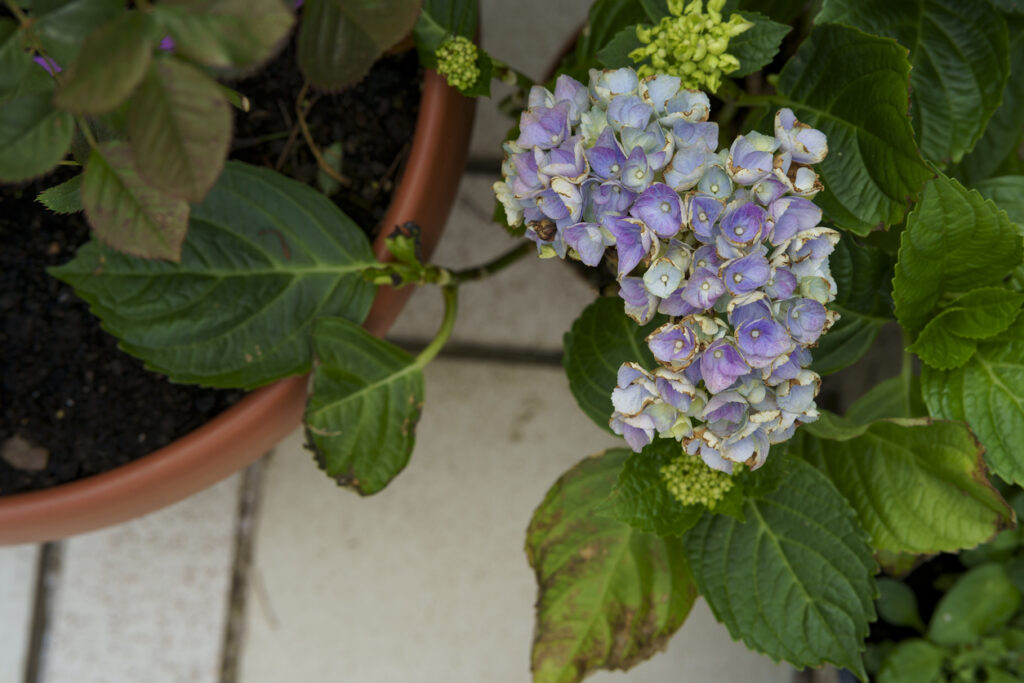
Hydrangeas still need water in winter, even when they look dormant. Cold, dry weather can dehydrate them, especially if strong winds are pulling moisture from the stems. Watering lightly when the soil becomes too dry helps the plant stay healthy, but it’s important not to overwater because this can lead to root rot.
The goal is to keep the soil gently moist rather than soaked. Water on milder days so the moisture can settle properly before the next frost. This careful balance keeps the plant hydrated without creating frozen patches in the soil that stress the roots.
Leave the dried flower heads on certain varieties until spring.
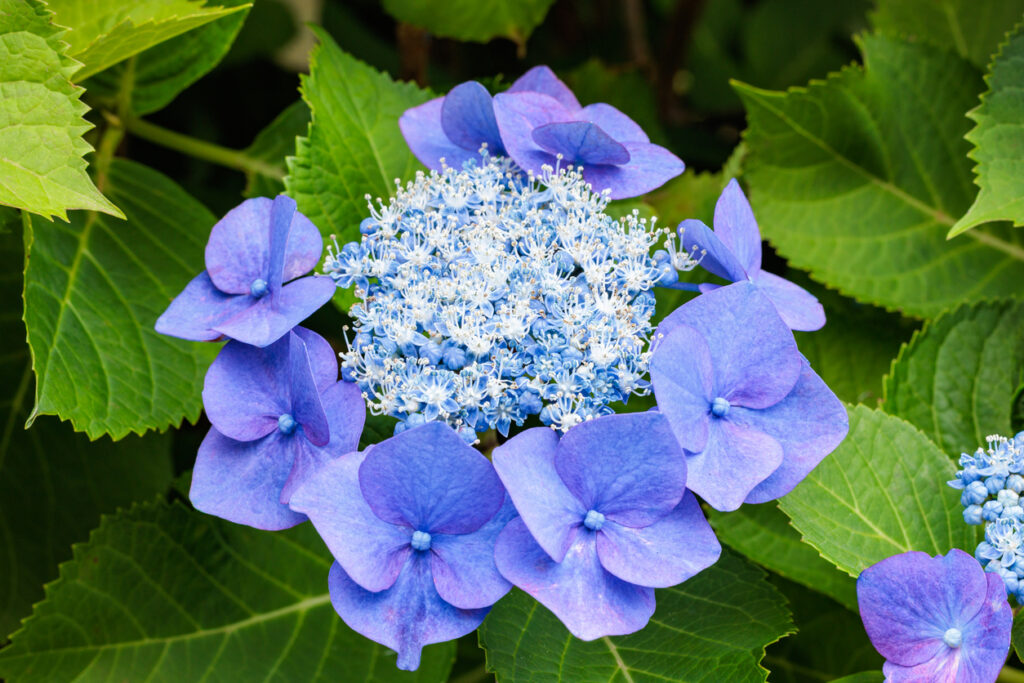
Some hydrangeas, especially mophead and lacecap types, benefit from keeping their dried blooms through winter. These faded flower heads act like natural shields that protect the developing buds underneath from frost and icy winds. Leaving them alone saves you from pruning at the wrong time and risking next year’s flowers.
Once spring arrives and the worst frost has passed, you can trim them back gently to allow fresh growth to emerge. This simple timing change helps your hydrangea bloom more reliably and keeps the buds safe during the colder months. It’s one of the easiest winter protection habits you can use.