You might look at a massive, colourful lake or a weirdly lush forest on the other side of the world and think it’s just a pristine bit of nature.
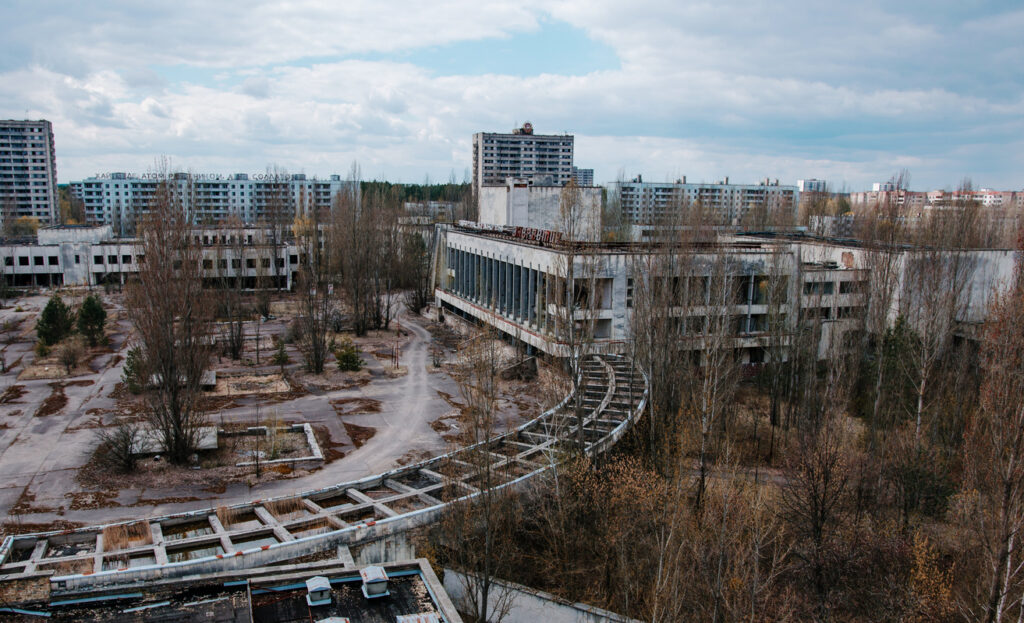
However, a lot of the most famous spots on Earth only look the way they do because someone made a right hash of things. We’re not talking about a bit of accidental littering; we’re talking about massive industrial disasters, failed engineering projects, or whole cities that were simply walked away from after things went sideways.
These landscapes aren’t “natural” in the way we usually think; they’re the planet’s way of scabbing over a wound we left behind. It’s a bit of a trip to realise that a “peaceful” oasis might only exist because a mine flooded, or a massive environmental blunder actually created a new habitat. Once you know that these 10 global spots are actually the result of something going spectacularly wrong, you’ll see that nature is a lot better at cleaning up our messes than we deserve.
1. Chernobyl’s exclusion zone exists because a reactor failed.
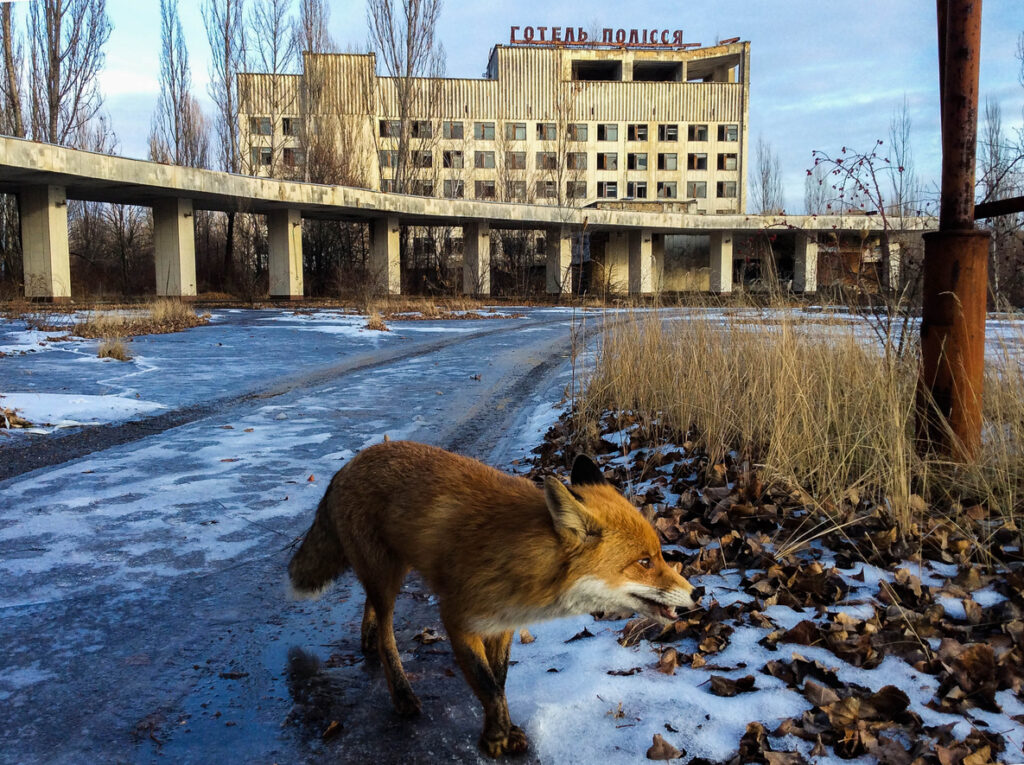
The forests and wetlands around Chernobyl look almost untouched now, but they only exist in their current form because of a catastrophic nuclear accident. When the reactor exploded in 1986, people fled, buildings were abandoned, and nature rushed back into the empty space left behind.
Without farming, traffic, or constant human presence, ecosystems expanded rapidly. Wolves, boar, birds, and rare plants reclaimed land that had been tightly controlled for decades. It’s a landscape shaped by absence, created not by intention, but by sudden human failure.
2. The Aral Sea basin formed because water was diverted.
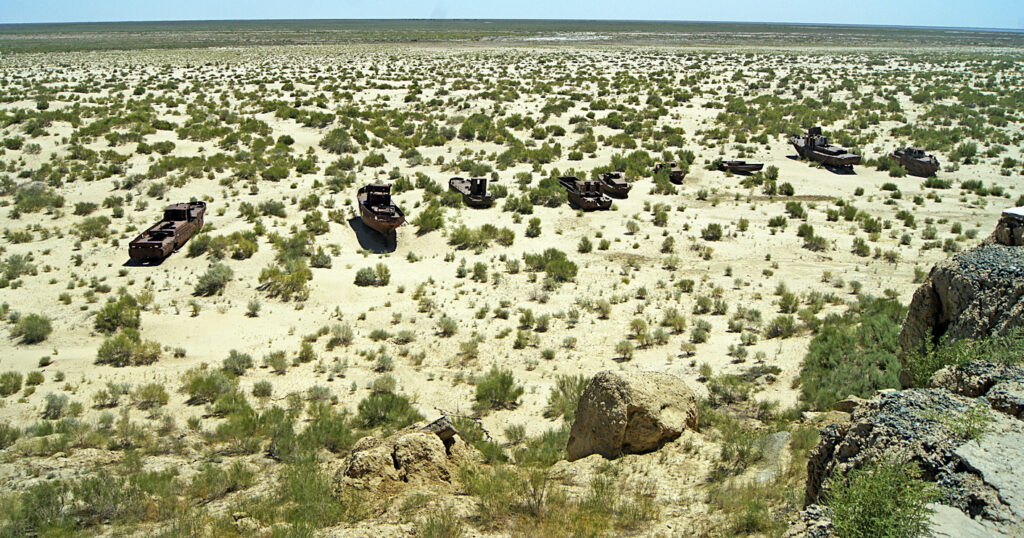
What was once one of the largest lakes on Earth is now a vast, dusty basin dotted with rusting ships. The Aral Sea didn’t dry up naturally. It was drained when rivers feeding it were diverted for large-scale irrigation projects. The exposed seabed became a new desert, carrying salt and toxic dust across nearby regions. This landscape only exists because of a planning disaster that underestimated how tightly water, climate, and land are linked.
3. Sinkhole fields exist where the ground collapsed.
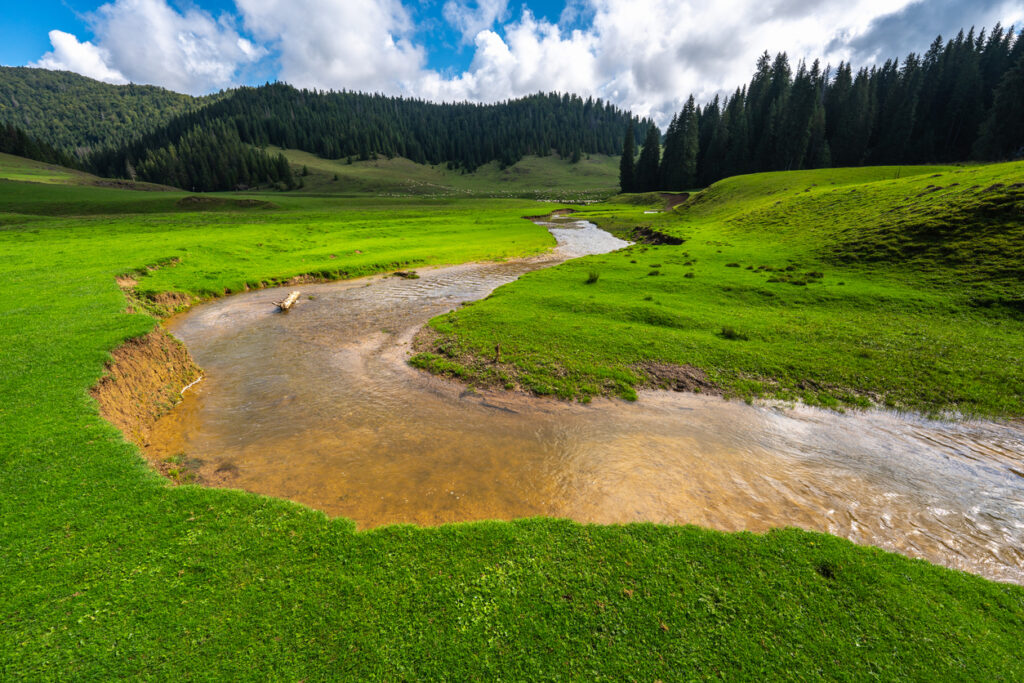
In parts of the world built on limestone, entire landscapes of sinkholes have formed after underground rock dissolved away. Sometimes the collapse is sudden, swallowing roads or buildings. Other times it happens slowly, creating fields dotted with deep hollows. These landscapes are the result of water getting where it shouldn’t and weakening the ground from below. What looks like strange natural geometry is really evidence of instability hidden underground for years.
4. Volcanic badlands exist where eruptions went extreme.
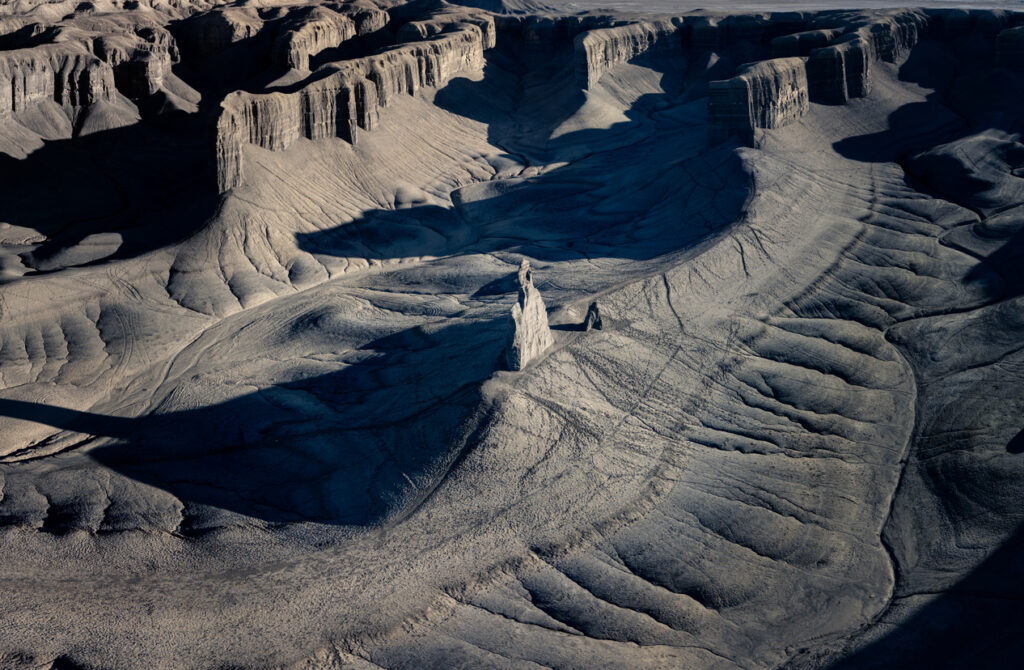
Some of the most alien-looking landscapes on Earth come from volcanic eruptions that didn’t just flow gently. Explosive blasts covered land in ash, pumice, and lava, wiping out everything that lived there at the time. These areas often take centuries to recover, if they recover at all. The strange colours, sharp rock formations, and barren ground exist because heat and pressure escaped violently instead of slowly releasing.
5. The Dust Bowl plains were reshaped by farming failure.
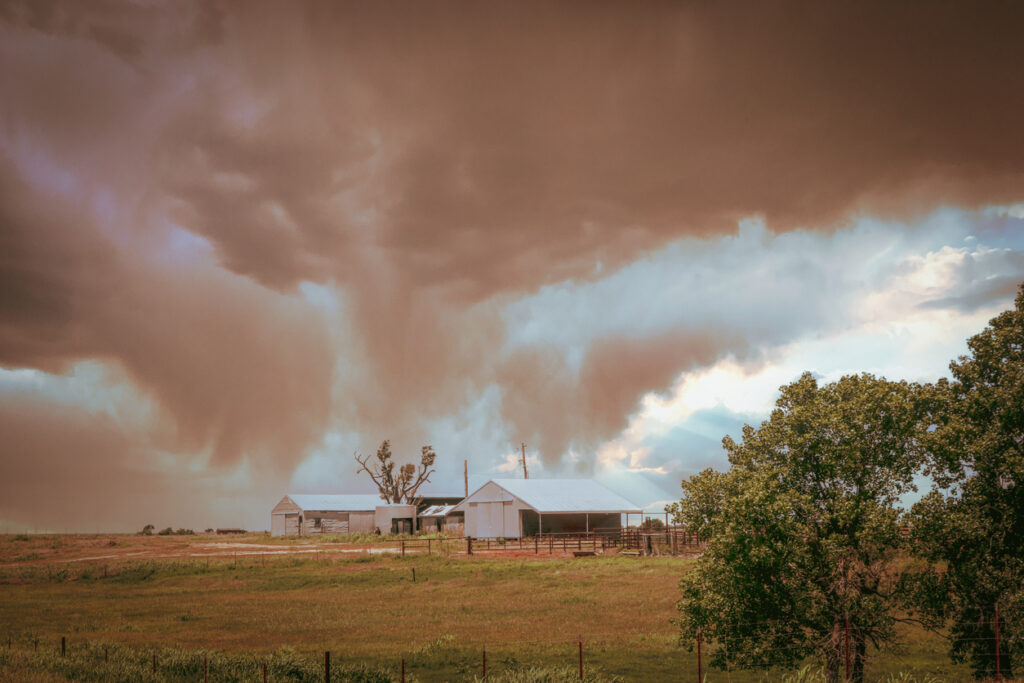
The Dust Bowl landscape in the United States didn’t start as a natural desert. It formed after widespread farming removed deep-rooted grasses that held soil in place. When drought hit, the land simply blew away. The result was a scarred landscape of drifting soil and abandoned farms. It exists as a reminder that removing natural protections can turn productive land into something barely usable within a single generation.
6. Glacial outwash plains formed after ice retreated too fast.
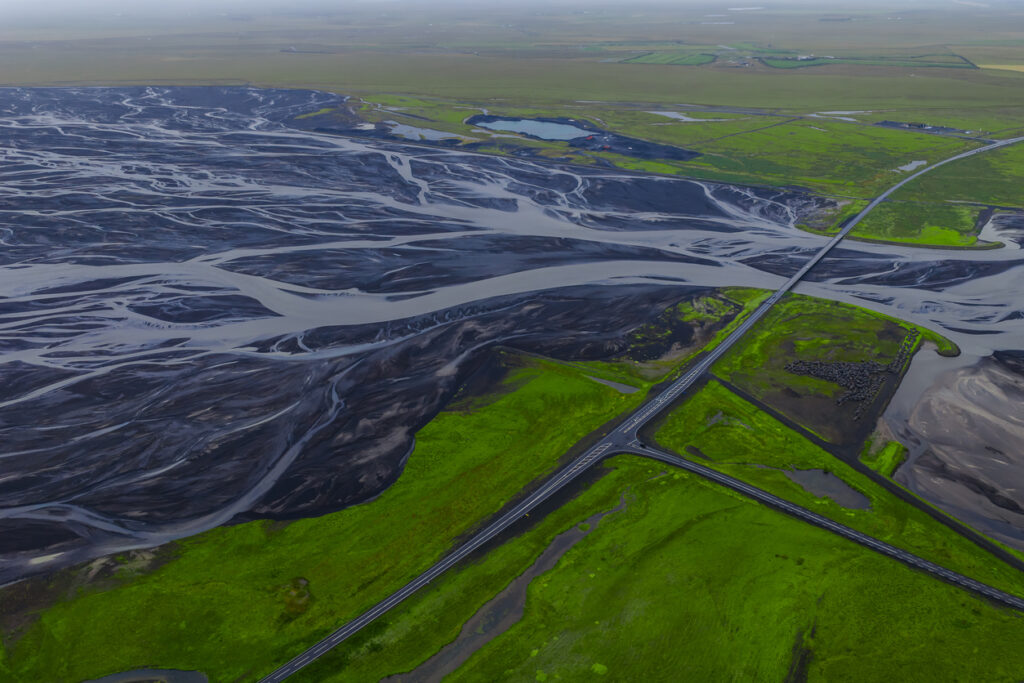
When glaciers melted rapidly at the end of ice ages, they released enormous amounts of water and debris. Instead of gentle rivers, vast floods spread gravel, sand, and silt across wide plains. These flat, rocky landscapes only exist because ice disappeared faster than the land could stabilise. They mark moments when the planet warmed quickly and systems struggled to keep up.
7. Acid mine drainage valleys exist because rock was exposed.
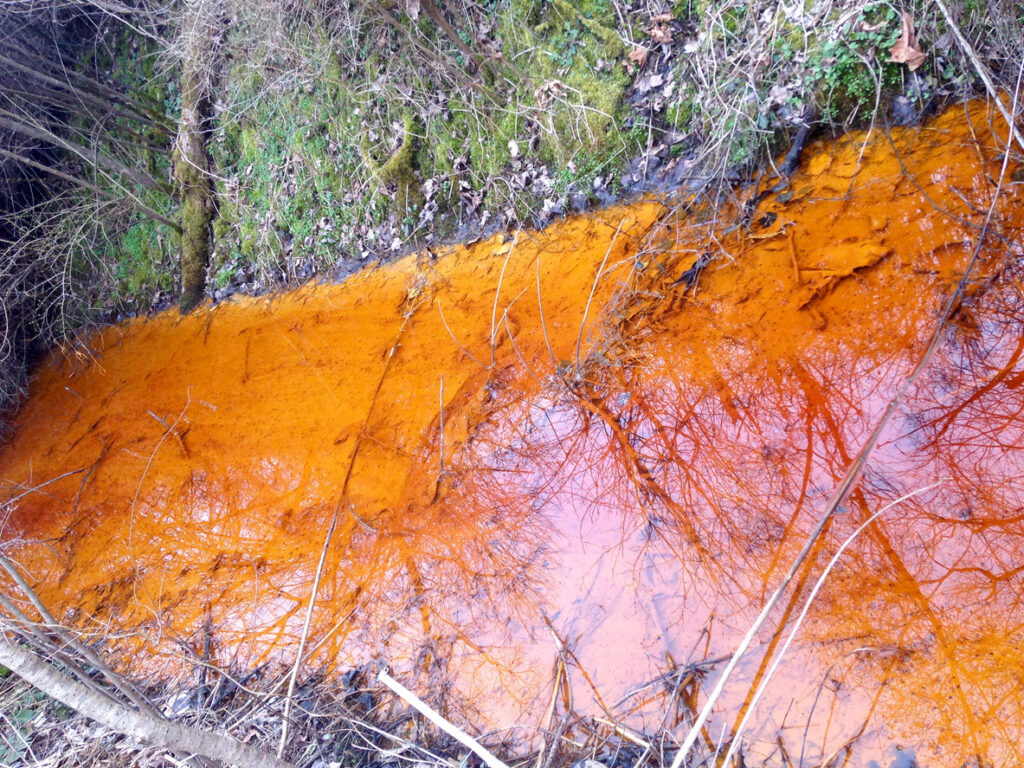
In some mining regions, exposed rock reacted with air and water to create acidic run-off. This poisoned streams and stained valleys in bright reds and oranges, killing plants and fish downstream. The landscape that forms looks dramatic but signals long-term damage. It only exists because the ground was disturbed in ways nature never prepared for, creating chemical reactions that wouldn’t have happened otherwise.
8. Fire-adapted wastelands formed after repeated wildfires.
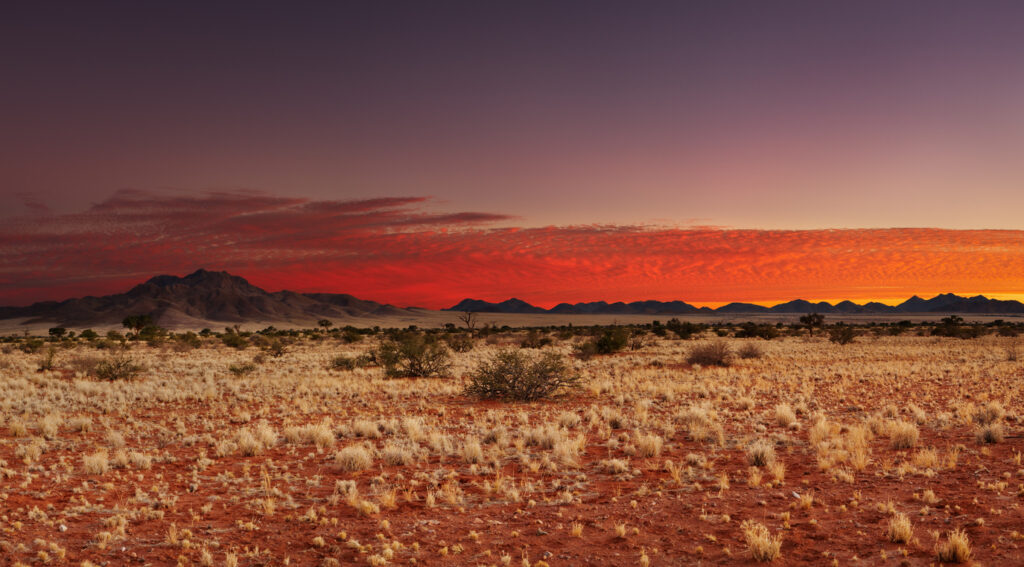
Some landscapes now dominated by scrub or bare ground were once forests. Repeated wildfires, often intensified by human activity, burned too frequently for trees to recover. What remains is land shaped by constant stress rather than balance. These areas exist because fire cycles sped up beyond what ecosystems could handle, locking them into a harsher state.
9. Floodplains expanded after rivers were constrained.

When rivers are straightened, dammed, or boxed in by development, water behaves differently during heavy rain. Floodplains expand into areas that never flooded before, reshaping entire regions. The new landscape forms because natural overflow routes were removed. What looks like nature reclaiming land is often water reacting to human interference upstream.
10. Abandoned industrial landscapes formed when systems collapsed.
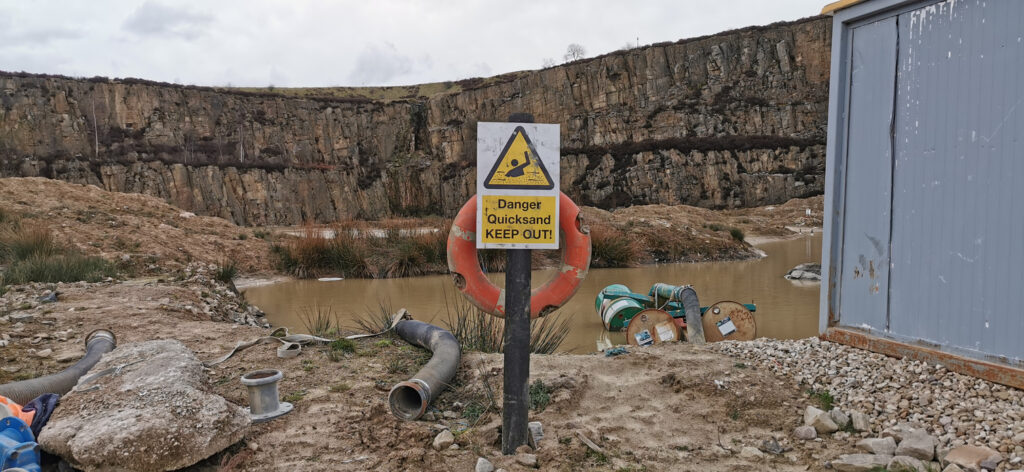
Old quarries, factories, rail yards, and industrial zones often turn into strange hybrid landscapes. Concrete cracks, water pools, plants push through surfaces never meant to support life. These places exist because industries failed, moved, or collapsed economically. Nature adapts to the mess left behind, creating landscapes that feel both broken and unexpectedly alive.
Many of these places look striking, even beautiful, but they weren’t meant to exist. They’re the physical memory of things going wrong, whether through accident, pressure, or poor decisions. Landscapes don’t judge how they were made, they simply carry the evidence forward.