Most of us are guilty of being out in the garden, spotting a problem, and reaching for a quick fix you saw on the internet or heard from a mate at the pub.

You think you’re being clever by chucking some salt on the weeds or dousing everything in “natural” home remedies, but you’re often just making a proper rod for your own back. It’s not about being a bad gardener, it’s just that some of these old-school tricks move the problem from the leaves of your plants down into the soil where you can’t see it.
You might get a result today, but in six months’ time, you’ll be wondering why nothing is growing, and your garden has turned into a bit of a wasteland. If you don’t want to spend next summer trying to undo the damage you did this weekend, you’ve got to stop falling for these 10 “hacks” that actually end up costing you a fortune in time and money later on.
1. Laying down weed membrane absolutely everywhere
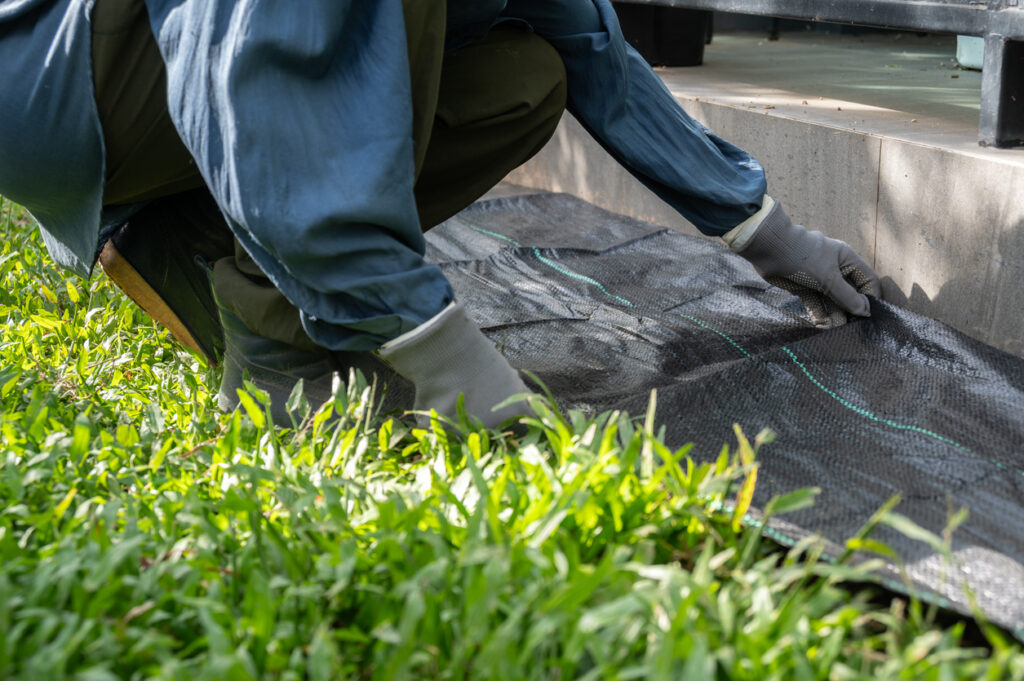
Weed fabric seems like the perfect solution to stop weeds forever, but it creates problems that are way worse than the original weeds. The membrane stops water and nutrients getting to plant roots properly, soil quality underneath goes downhill fast, and weeds still grow on top of it anyway once enough dirt accumulates.
Tree and shrub roots can’t spread properly so plants struggle and eventually die. When you finally admit defeat and try to remove it, the fabric’s usually torn into a million bits tangled around roots, and it takes forever to dig out. You’ve basically created an expensive nightmare that’s harder to deal with than just pulling the occasional weed would’ve been.
2. Piling mulch right up against plant stems and tree trunks.
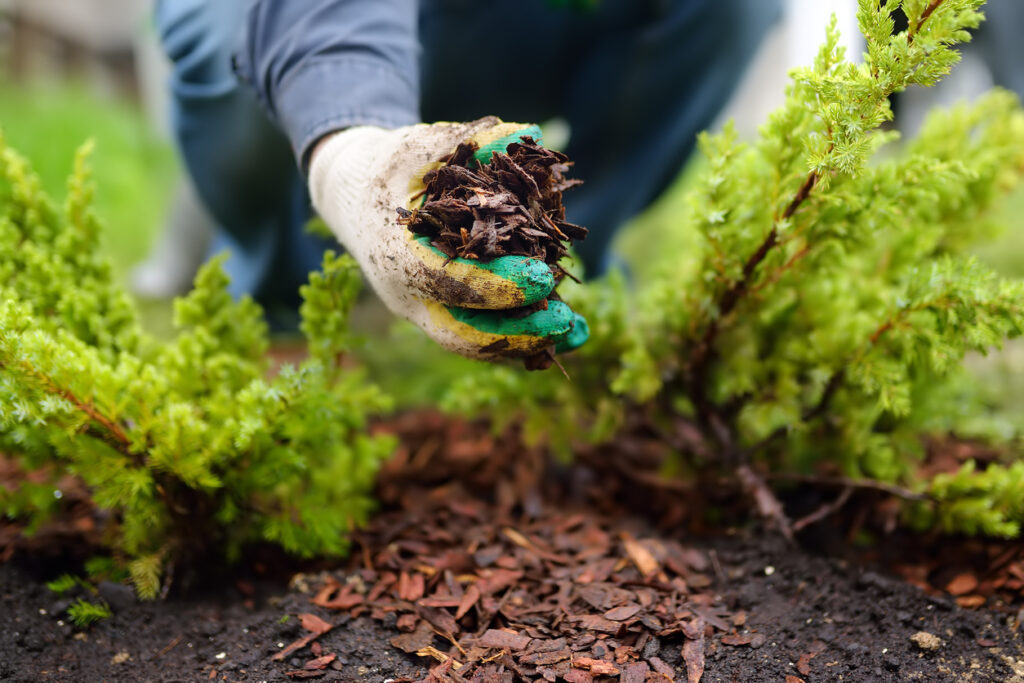
Mulch is brilliant for suppressing weeds and retaining moisture, but when you heap it against stems, it creates constant dampness that rots the bark. It kills plants slowly from the base up, and by the time you notice something’s wrong the damage is often too far gone. It also creates perfect conditions for pests and diseases to set up camp right at the most vulnerable part of the plant.
The mulch should stop a few inches away from any stems, but loads of people create these volcano shapes around trees thinking they’re being helpful. You’re basically suffocating and rotting your plants while thinking you’re protecting them.
3. Cutting your lawn really short to avoid mowing as often
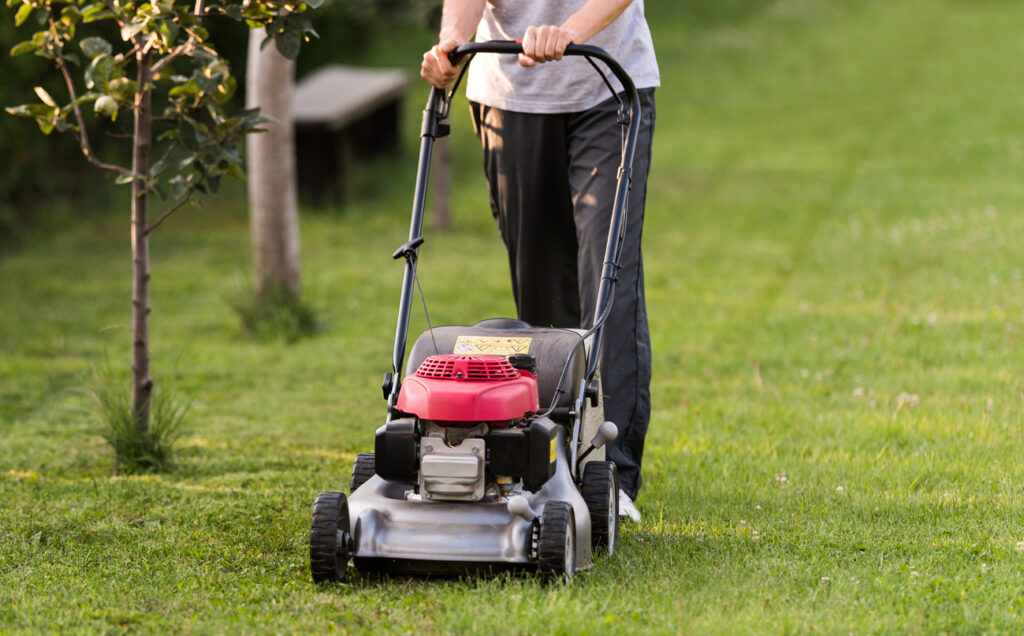
Scalping your grass seems efficient because you won’t need to mow again for ages, but short grass is weak grass that struggles in dry weather. The roots don’t develop properly when the grass is kept too short, so your lawn becomes patchy and brown at the first sign of summer. Weeds also move in easily because there’s no competition from healthy grass.
You end up with a terrible-looking lawn that needs constant intervention, rather than just mowing slightly more often at a sensible height. Longer grass is healthier, handles drought better, and actually looks nicer, but people keep scalping it for convenience.
4. Dumping gravel everywhere to solve drainage issues
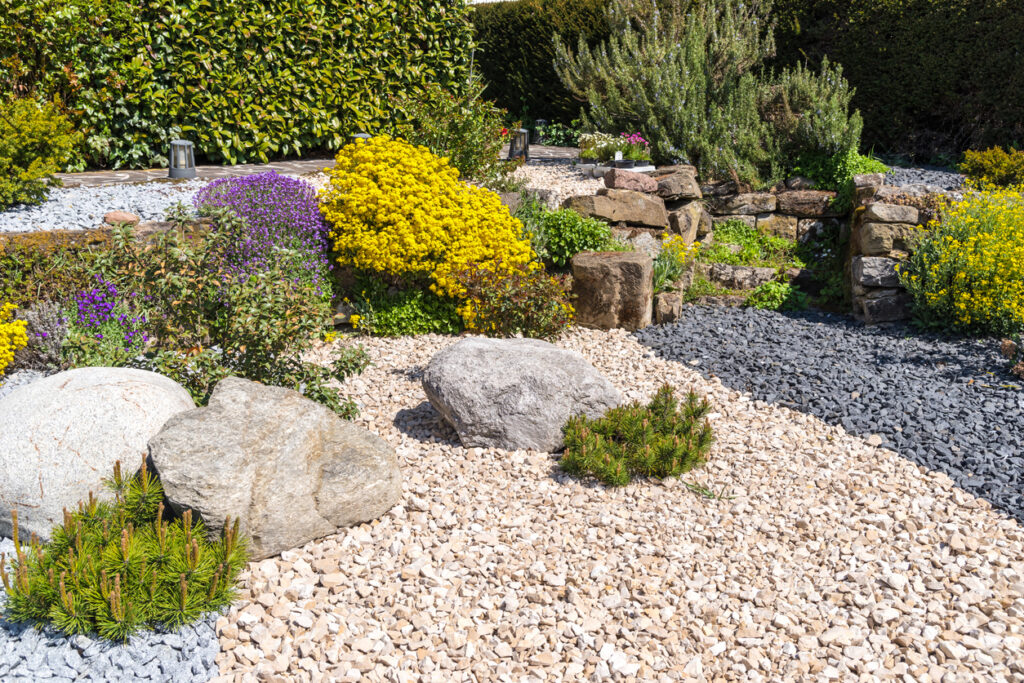
Gravel seems perfect for wet areas because water drains through it, but it doesn’t actually fix the underlying drainage problem. The water still has nowhere to go so it just sits under the gravel, and you’ve now got a sodden mess that’s also a pain to work with. Weeds grow through gravel enthusiastically, and once they’re established they’re harder to remove than from soil.
The gravel moves about, ends up in your borders and lawn, and within a few years looks scruffy. You’ve spent loads of money and effort creating a different problem instead of fixing drainage properly, and now you’ve got gravel contaminating everything that you’ll never fully get rid of.
5. Planting fast-growing ground cover to deal with bare patches
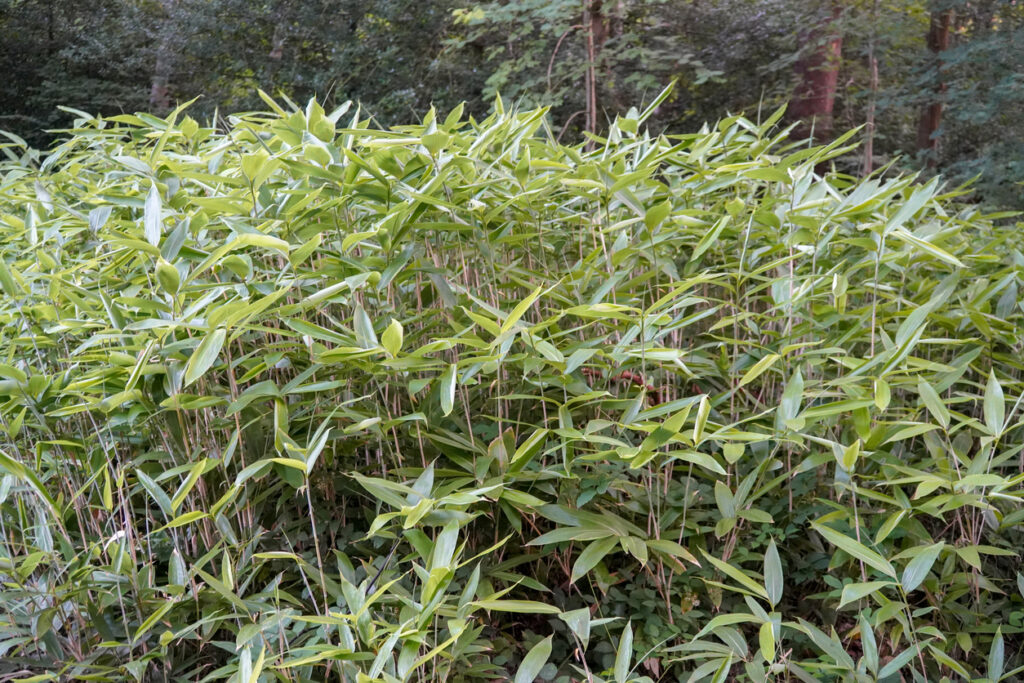
Vigorous ground cover plants like periwinkle or certain varieties of ivy seem ideal for covering ugly bare areas quickly. The problem is that they don’t stop where you want them to, they just keep going and smother everything else. What looked like a solution turns into an invasive nightmare that’s almost impossible to fully remove once established.
You’ll be pulling it out for years, and it still keeps coming back from tiny root bits you missed. It climbs into shrubs, strangles other plants, and takes over way more space than you ever intended. Fast-growing should’ve been your warning that this would get out of control.
6. Drowning struggling plants with extra water
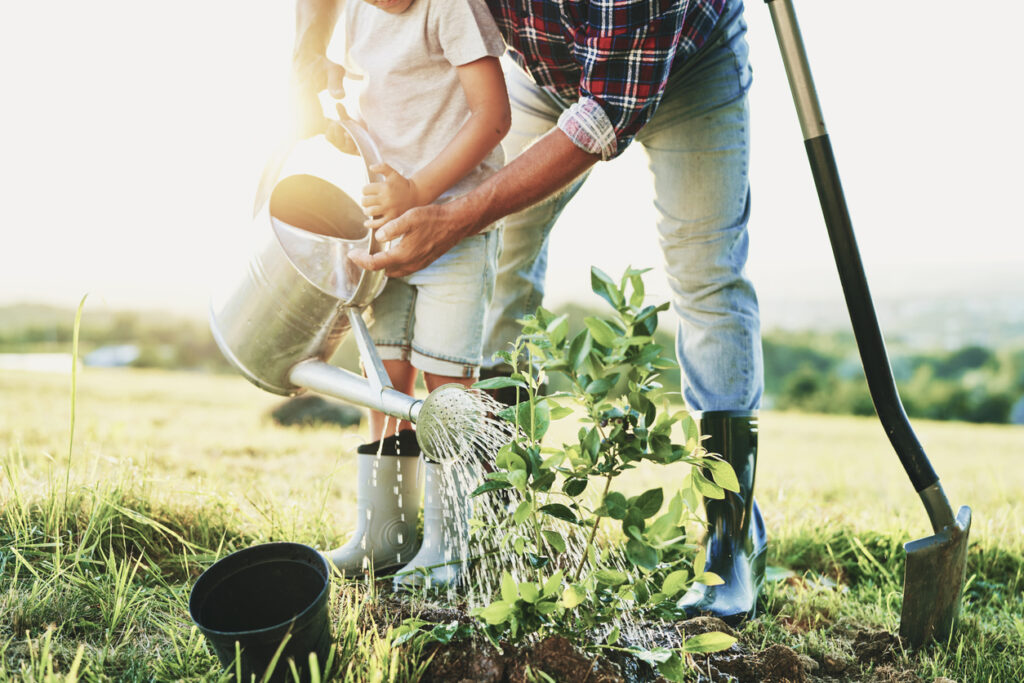
When a plant looks sad and droopy, the automatic response is to water it more, but overwatering kills way more plants than underwatering does. Most struggling plants are actually drowning already, and adding more water makes root rot worse. The symptoms of too much water and too little water look quite similar, so people keep watering and wondering why the plant’s getting worse.
You’ve now got a plant with rotten roots that can’t recover even if you stop watering, when the original problem might’ve been something completely different like poor drainage or a pest issue. Checking the soil before assuming it needs water would prevent loads of unnecessary plant deaths.
7. Adding more topsoil on top of compacted ground
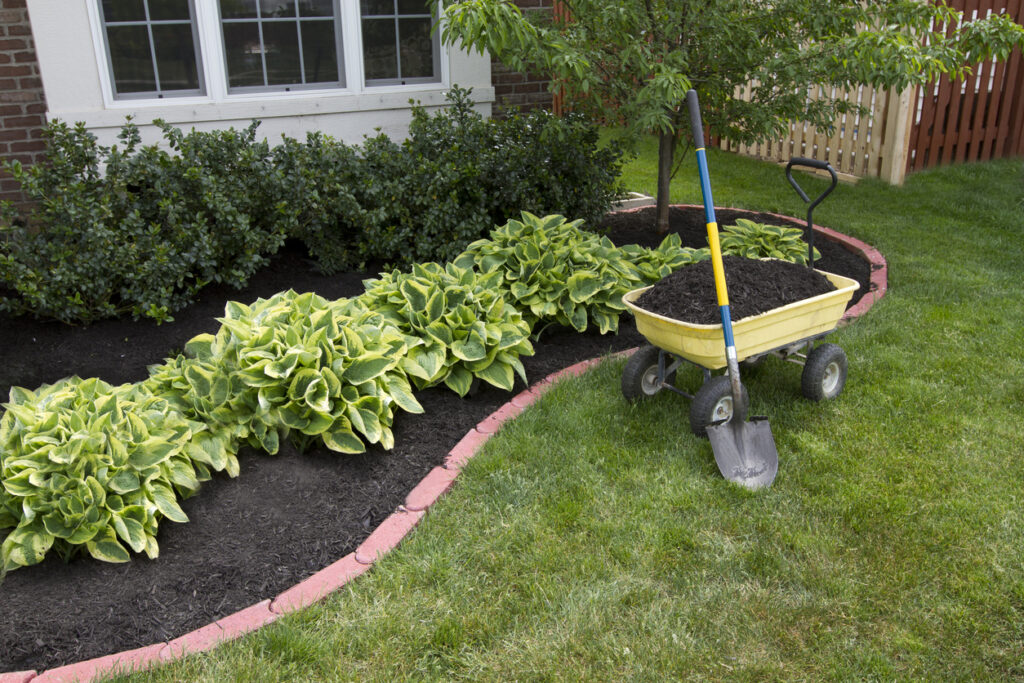
When your soil’s rubbish, dumping nice topsoil on top seems like an obvious fix that’ll sort everything out. The problem is the compacted layer underneath doesn’t go anywhere, so the new soil just sits on top without integrating. Water can’t drain through properly, roots can’t penetrate down, and you’ve essentially created a shallow layer of decent soil over the same terrible base.
Plants struggle once their roots hit the compacted bit, and you’ve wasted money on soil that’s not actually solving anything. You needed to fix the compaction first by breaking it up and improving drainage, but that’s harder work so people just add soil and hope.
8. Ripping out every single weed, including useful ones
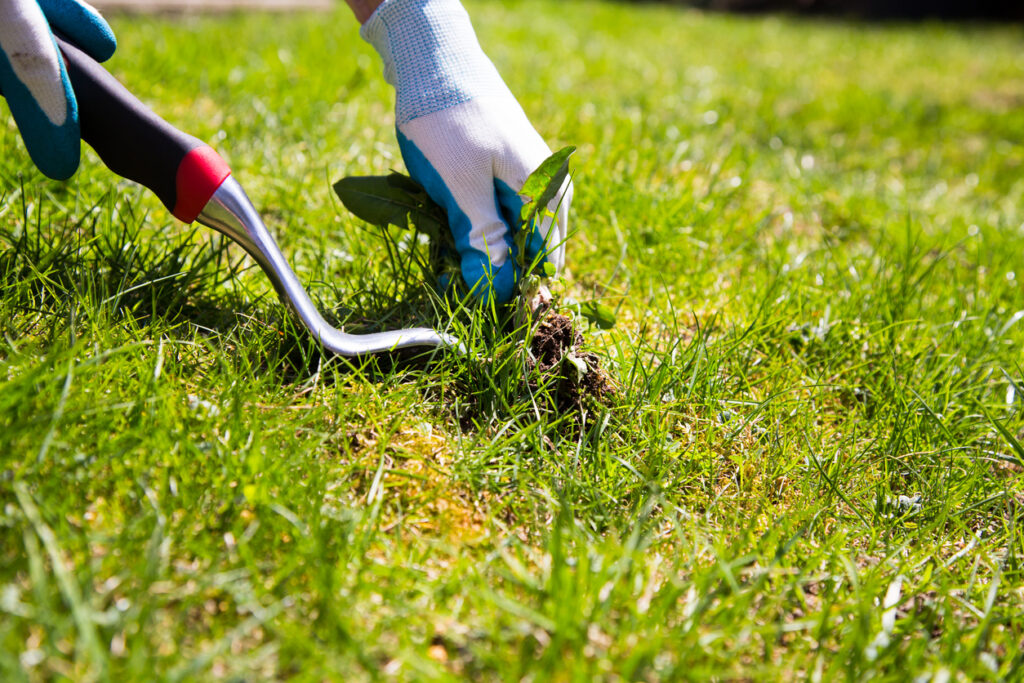
Going scorched earth on anything that wasn’t deliberately planted seems productive, but some “weeds” are actually holding your soil together, feeding pollinators, or indicating what’s wrong with your ground. Completely bare soil erodes quickly, dries out faster, and gets colonised by worse weeds than what you removed.
Some native plants that people call weeds are way more valuable for wildlife than the ornamental stuff people replace them with. You’ve created lifeless, high-maintenance bare patches that require constant work to keep weed-free, when tolerating some messiness would’ve been easier and better for the local ecosystem.
9. Blasting every insect you see with pesticide
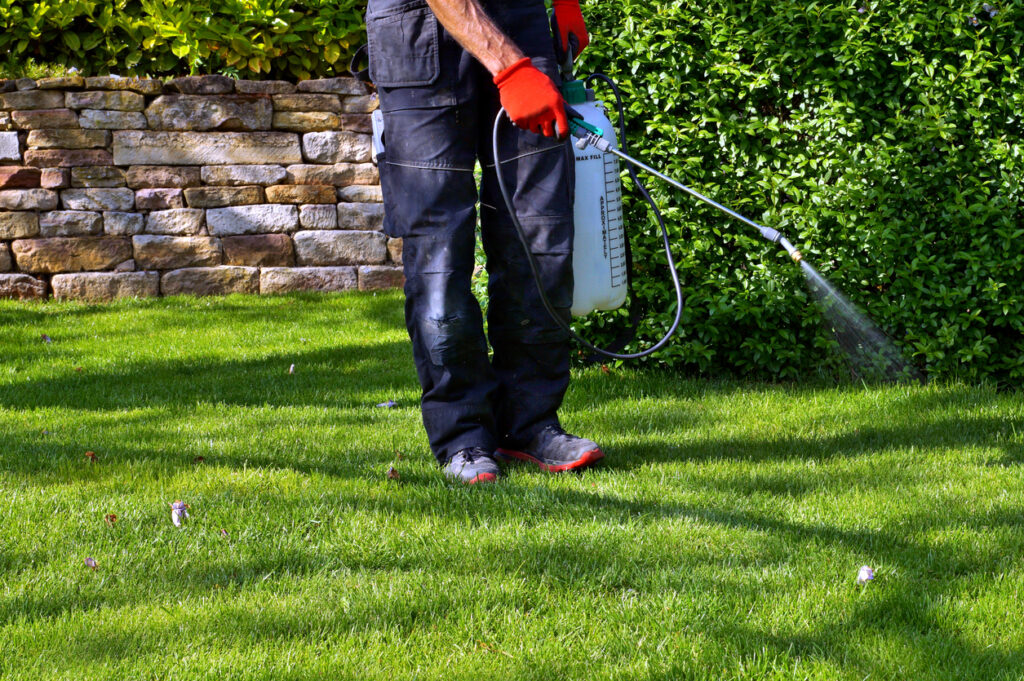
Seeing bugs and immediately reaching for chemicals seems like protecting your plants, but you’re killing predators along with pests. Ladybirds, lacewings, and other beneficial insects that eat aphids and other problem bugs get wiped out, so you’ve removed your natural pest control.
That means you need more pesticide more often because there’s nothing keeping pest populations in check anymore. You’ve created dependence on chemicals for a problem that would’ve largely sorted itself out if you’d left the good bugs alone. Most insects in your garden aren’t harming anything, and the ones that eat pests are worth way more than any spray.
10. Planting leylandii for a quick privacy hedge
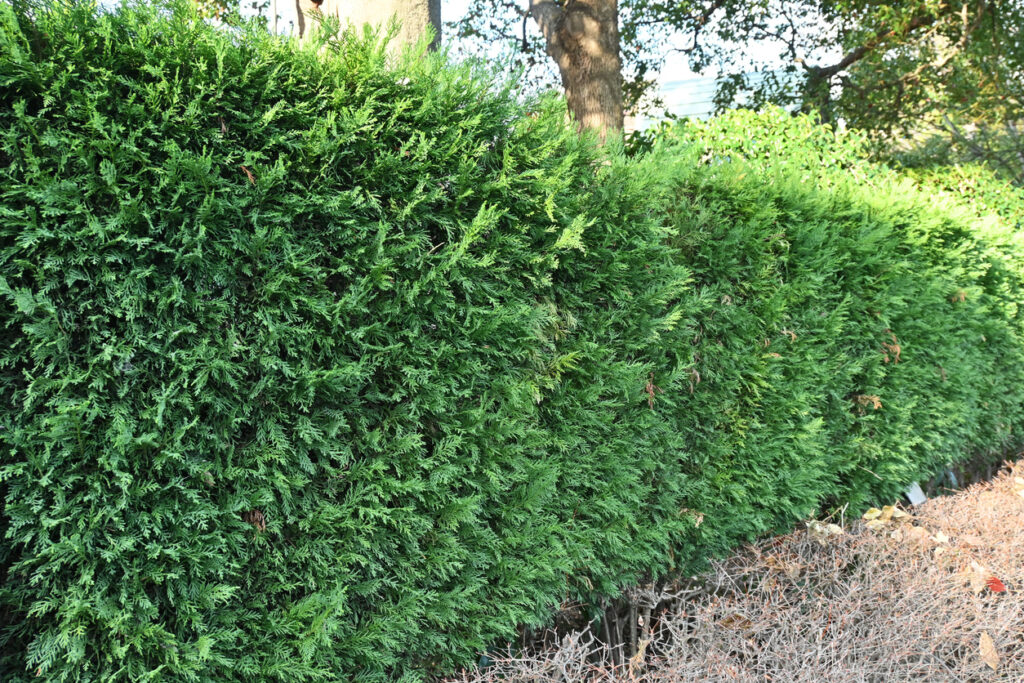
Leylandii grow incredibly fast, which seems perfect when you want screening now rather than in five years, but they don’t stop growing once they hit your desired height. They keep shooting up, need constant cutting, and take so much water and nutrients from the soil that nothing else grows near them.
They’re also quite ugly once they get big and blocking out loads of light. Neighbours hate them, they cause disputes, and removing a massive established hedge is expensive and difficult. You’ve solved your privacy issue but created ongoing maintenance, ruined your soil, and potentially annoyed everyone around you. Slower-growing alternatives would’ve been way less hassle long-term.