You probably don’t notice it when you’re headed to the shops or stuck in traffic, but the ground beneath your feet isn’t nearly as settled as it looks.

Most of us think of Britain as this solid, unchanging island, but the truth is the whole place is a work in progress. It’s not about some massive, cinematic catastrophe that’ll happen next Tuesday; it’s the quiet, relentless stuff that moves the landscape an inch at a time while we’re not looking.
Whether it’s the east coast slowly crumbling into the sea or the north of the country literally rising up because the weight of the last ice age has finally lifted, the map is being redrawn every single day. Getting a handle on these 10 processes makes you realise that “the old country” is actually a lot more restless than it lets on, and the Britain we’re standing on today won’t look anything like the one our grandkids inherit.
1. Coastal erosion is steadily eating away at the edges.
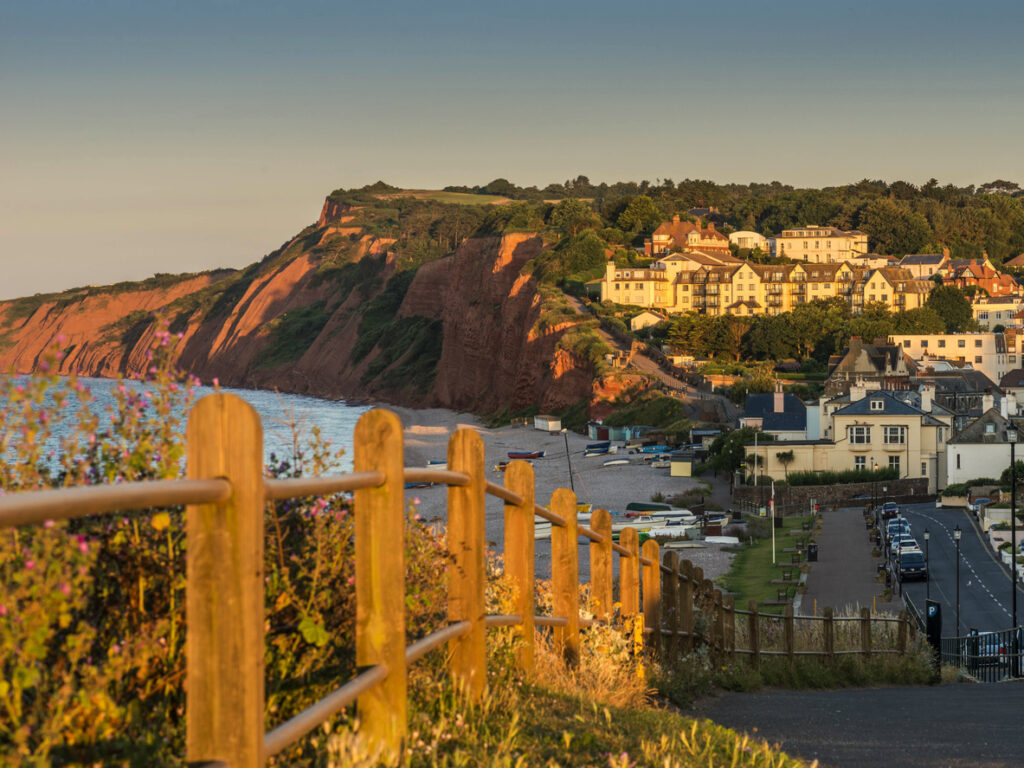
Britain’s coastline is one of the most visibly changing parts of the country, even if the pace feels deceptively calm. Along the east coast especially, cliffs made of softer rock are being worn down by waves, wind, and repeated storms. Each collapse might look sudden on the news, but it’s the result of years of gradual weakening rather than one dramatic event.
What makes coastal erosion so unsettling is that it never truly stops. Even on still days, the sea keeps working, pulling sediment away grain by grain. Over decades, entire villages, roads, and footpaths disappear, turning what once felt permanent into something temporary. The map of Britain is being redrawn not by lines on paper, but by water that never rests.
2. Rising sea levels are changing coastal balance.
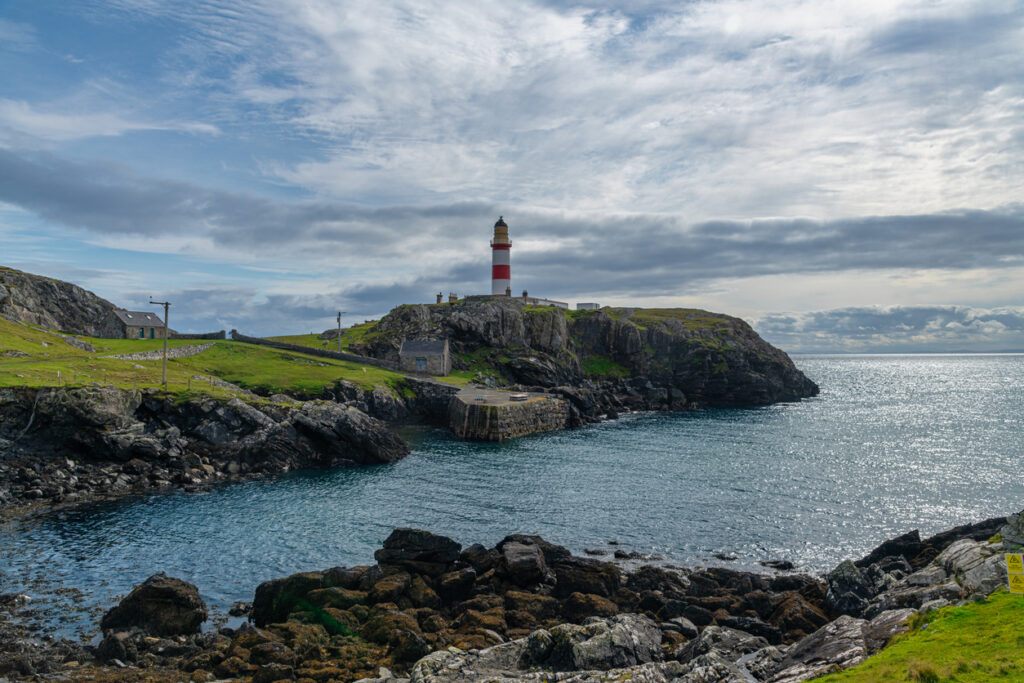
Sea level rise doesn’t just mean the water line creeps higher. It changes how tides behave, how saltwater moves inland, and how coastal land drains after storms. Low-lying areas, salt marshes, and estuaries are slowly being reshaped as saltwater reaches places it rarely touched before.
These shifts affect plant life first, then everything else that depends on it. Freshwater species retreat while salt-tolerant plants move in, altering habitats without fanfare. Britain’s coastlines aren’t simply shrinking, they’re transforming into different ecosystems altogether.
3. Rivers are carving new shapes into the land.

Britain’s rivers are far more active than they appear. They erode banks, move sediment, and subtly adjust their courses every year, especially after heavy rainfall. Flooding accelerates this process, cutting into land that might have looked stable for generations.
Over long periods, rivers don’t just flood and retreat. They reshape valleys, create new wetlands, and abandon old channels. What looks like a fixed river on a map is actually a living system constantly rewriting its own path through the landscape.
4. Soil erosion is thinning Britain’s surface.
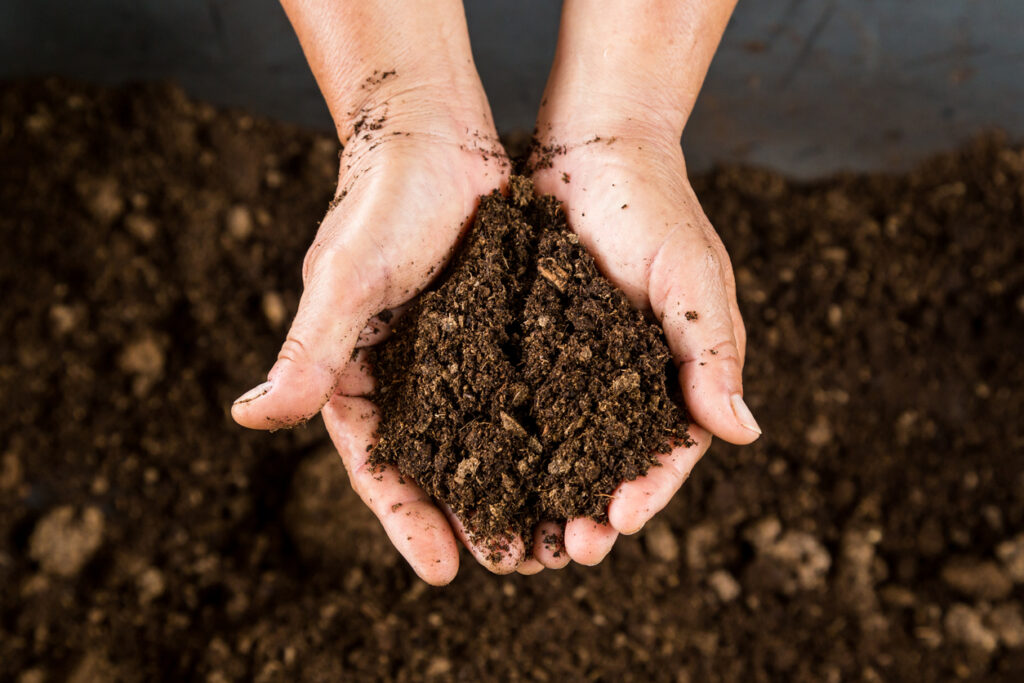
Soil erosion rarely looks dramatic, which is why it’s easy to ignore. Heavy rain washes away topsoil from farmland, while wind strips exposed fields during dry spells. That thin, dark layer that supports crops and wildlife is surprisingly fragile.
Once soil is lost, it takes decades or even centuries to rebuild naturally. Fields may look unchanged year after year, but beneath the surface the land becomes less fertile and more vulnerable. Britain isn’t losing land outright here, but it is losing resilience.
5. Peatlands are drying, shrinking, and collapsing.
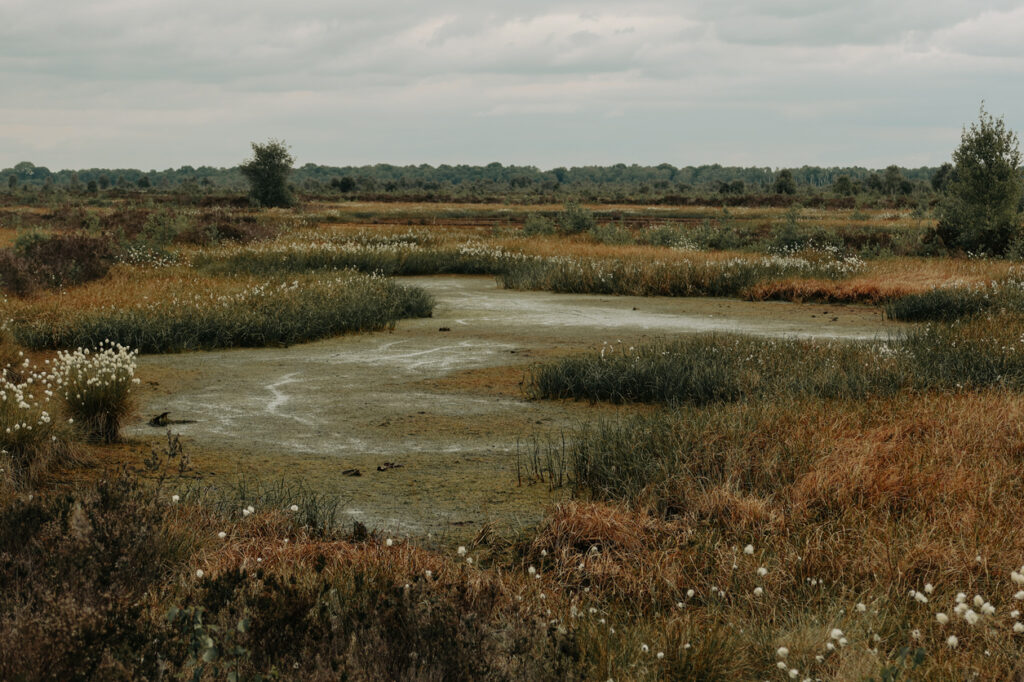
Britain’s peat bogs formed over thousands of years, storing carbon and water while supporting rare wildlife. When they dry out through drainage or warmer conditions, the peat becomes unstable and begins to break down.
As peat erodes, it physically reshapes upland landscapes and releases stored carbon back into the atmosphere. Gullies deepen, surfaces crack, and entire moorlands subtly change shape. What took millennia to form is being undone in a fraction of the time.
6. Glacial rebound is lifting the north of Britain.
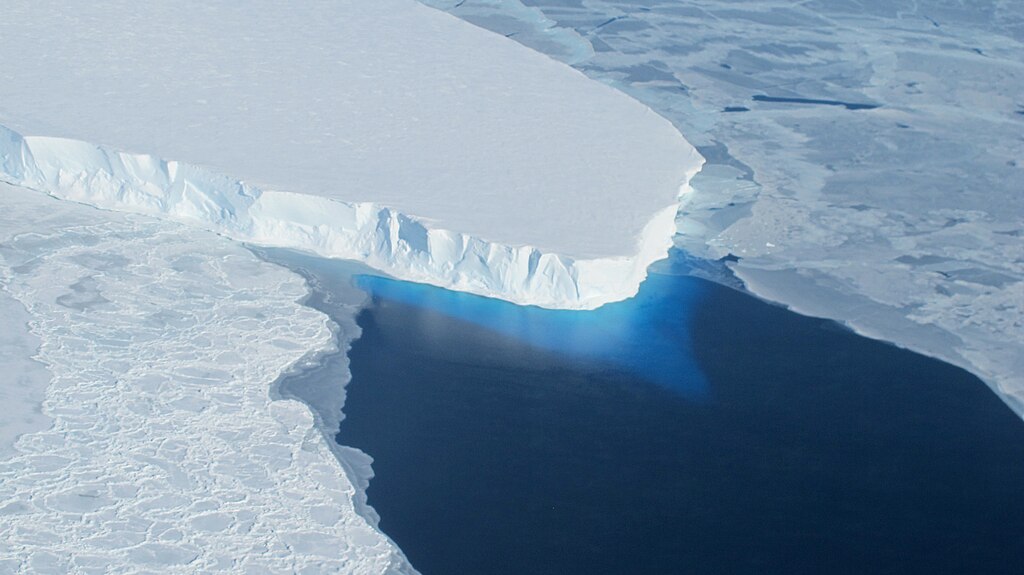
Northern Britain is still responding to the weight of Ice Age glaciers that vanished thousands of years ago. As the land slowly rebounds upward, parts of Scotland rise by millimetres each year.
That uneven movement matters because southern Britain isn’t rising at the same rate. Relative sea levels change, altering flood risk and coastline behaviour. It’s a reminder that Britain is still physically adjusting to events that ended long before recorded history.
7. Weathering is quietly breaking the land apart.
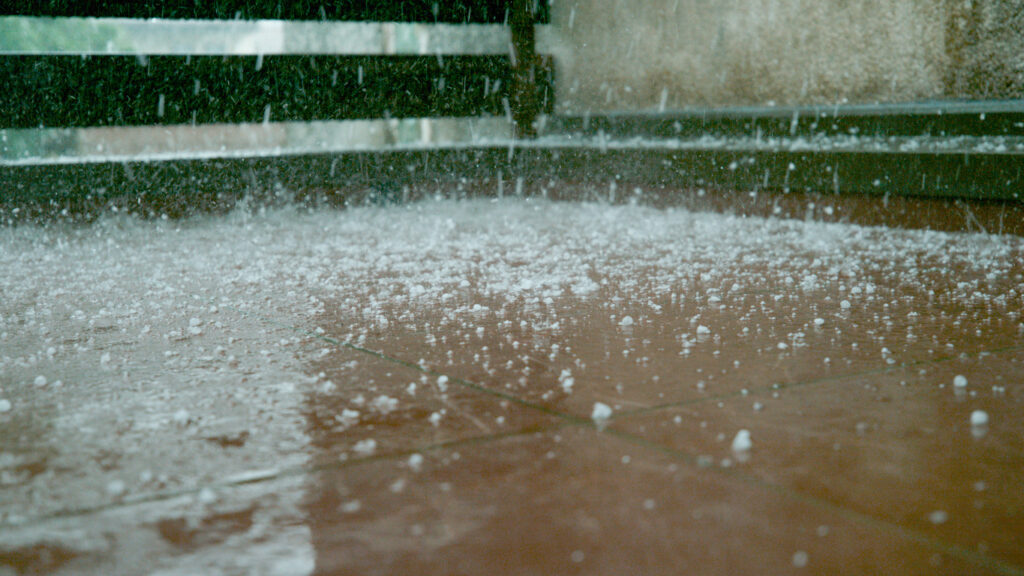
Weathering sounds gentle, but it’s relentless. Rain dissolves minerals, wind scours exposed rock, and repeated temperature changes weaken stone. Freeze-thaw cycles are especially effective, forcing water into cracks that widen every winter.
That slow breakdown creates soil, reshapes cliffs, and softens hills over time. Britain’s rolling landscapes exist because of this process, even though it works too gradually for us to notice without stepping back across decades.
8. Landslips and slope movement are more common than people realise.
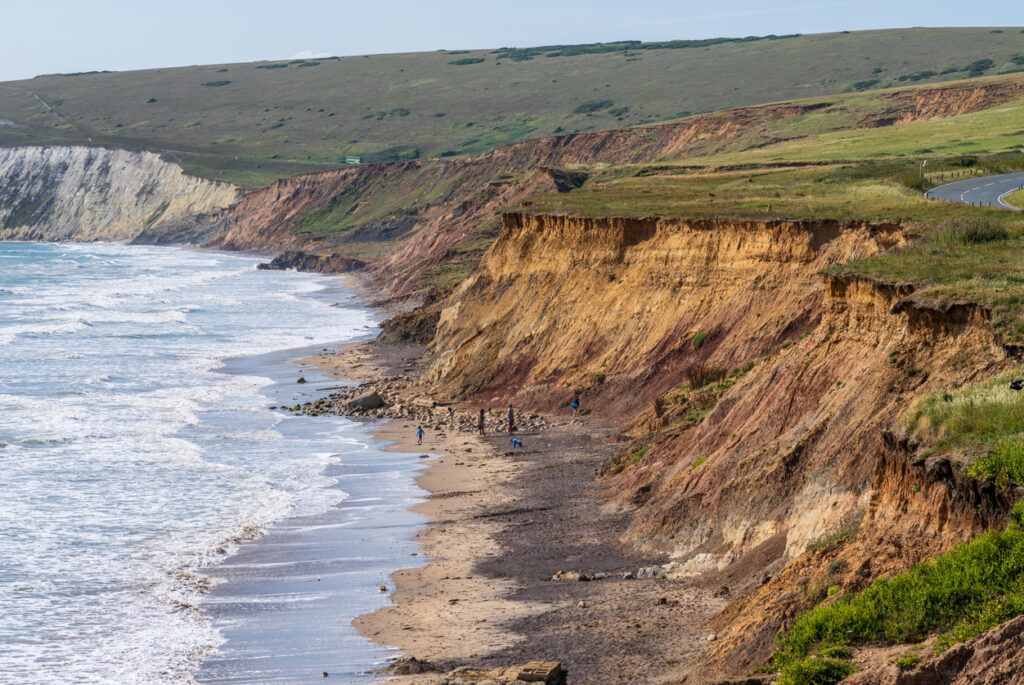
Britain doesn’t have dramatic mountain collapses, but small landslips happen frequently along coasts, valleys, and steep hillsides. Heavy rainfall saturates soil, making slopes unstable and prone to movement.
Each slip might seem minor, but together they permanently alter terrain. Cliffs retreat, slopes flatten, and drainage patterns shift. These changes don’t make headlines often, but they steadily remodel Britain’s shape.
9. Vegetation is reclaiming abandoned and unmanaged land.
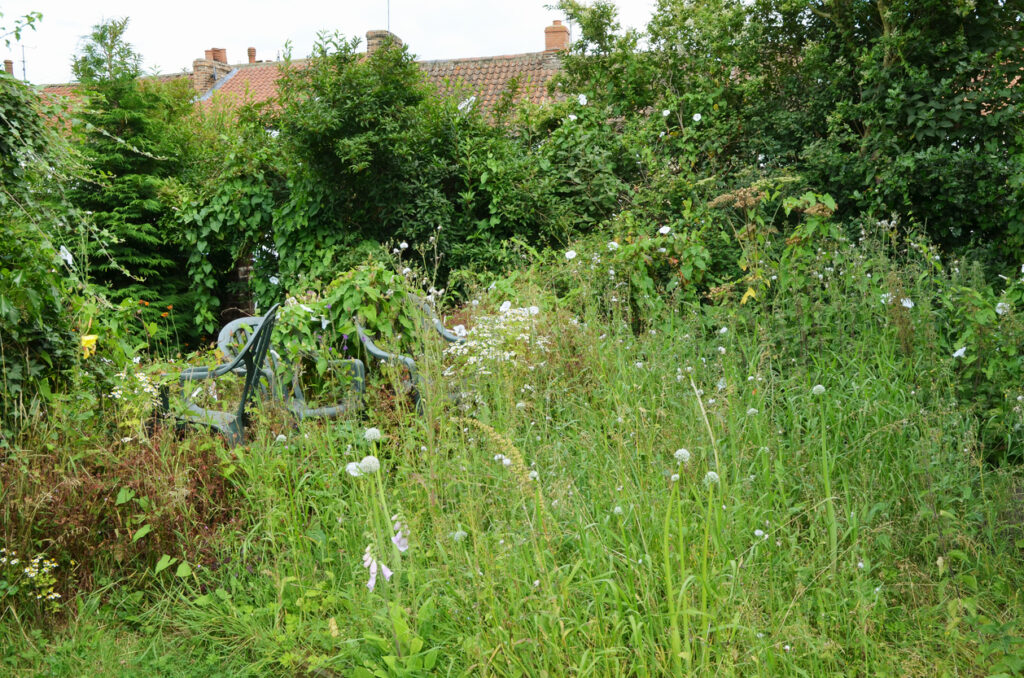
When land is left alone, plants move in quickly. Old industrial sites, unused fields, and abandoned infrastructure begin filling with grasses, shrubs, and trees. This natural regrowth changes soil composition and water flow.
As time goes on, these areas start behaving like older ecosystems again. Wildlife returns, roots stabilise ground, and the landscape shifts away from human design. It’s one of the few reshaping processes that often improves ecological health rather than damaging it.
10. Rainfall patterns are altering how land holds water.

Britain is experiencing longer wet periods followed by heavier bursts of rain. This changes how water moves across the land, increasing run-off and erosion, while reducing the soil’s ability to absorb moisture gradually.
After a while, this reshapes floodplains, compacts soil, and stresses natural drainage systems. The land isn’t just getting wetter, it’s responding differently to water, and that response is slowly changing Britain’s physical layout.