If you’ve spent any proper time living somewhere with a bit of green space, you’ll know that the local wildlife isn’t just there for a nice view.
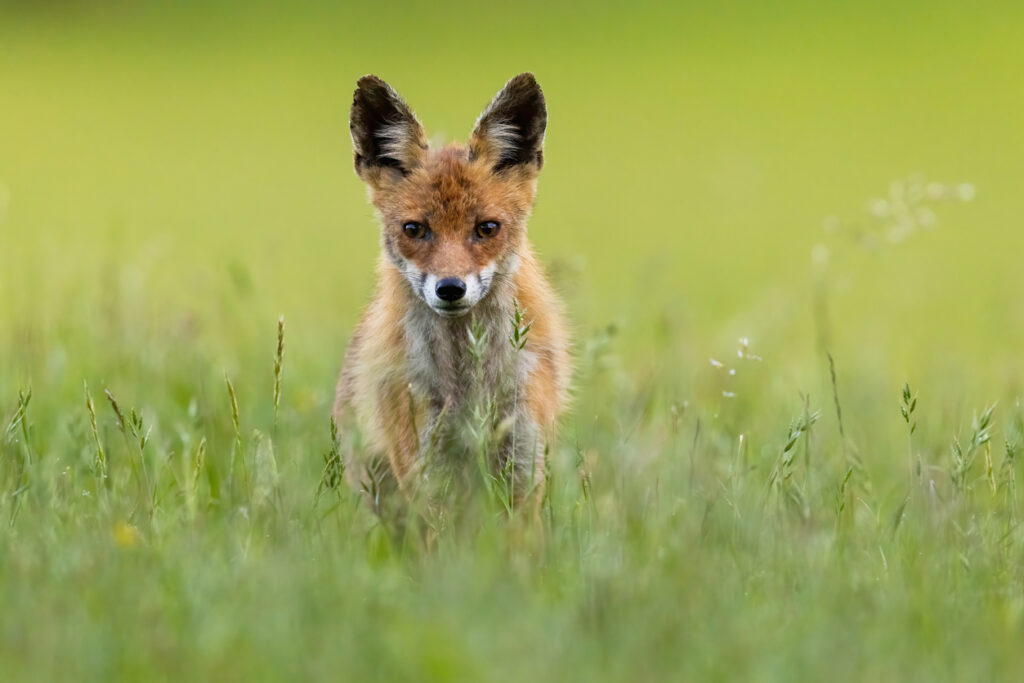
You might think you’re just coexisting with the foxes or the birds, but after a while, you start picking up on things you never would have noticed in a concrete jungle. You don’t necessarily become some sort of forest-dwelling guru, but your brain usually starts to sync up with the rhythms of the world outside your window. You notice when the air changes before a storm because the birds have gone quiet, or you learn the value of patience from watching a heron wait for its dinner.
These aren’t lessons you’ll find in a book; they’re the sort of quiet realisations that move you away from your own head and back into the real world. Living that close to nature gives you a bit of perspective on what actually matters, and it teaches you that the world is a lot bigger and more complicated than your own daily to-do list.
You can’t zone out completely anymore.

When there’s wildlife wandering about, you get into the habit of actually looking before you do things. You glance out the window before opening the back door, you check your garden before letting the dog out, and you don’t drive on autopilot at dusk because deer appear out of nowhere.
It stops being a conscious effort after a while and just becomes automatic. You’re not paranoid exactly, you’re just paying attention to what’s actually around you instead of living entirely in your own head. This means you spot way more stuff in general, not just animals because your brain’s actually switched on.
You know what time of year it is by what the animals are doing.
The calendar matters less than whether the squirrels are hoarding food or the birds have gone quiet. You can tell spring’s coming because everything gets noticeably louder and busier, not because of the date. Autumn’s when the garden gets dug up constantly and certain birds vanish for months.
You start predicting weather by watching how animals behave rather than checking forecasts, and you’re often more accurate. It connects you to the actual year turning rather than just human schedules, which sounds a bit woo but genuinely changes how you experience seasons.
You give up trying to control your outdoor space.

Wildlife will do what it wants and your perfectly planned garden doesn’t stand a chance. Badgers dig massive holes overnight, foxes scatter your bins across three gardens, and birds nest in the worst possible places right when you need access.
You can either spend your life furious about it, or just accept that you’re sharing the space and work around them. Fighting it is pointless and exhausting, so you adapt instead. This acceptance bleeds into other areas where you stop trying to control things that were never really controllable anyway, which is honestly less stressful.
You get quite good at reading what things are about to do.
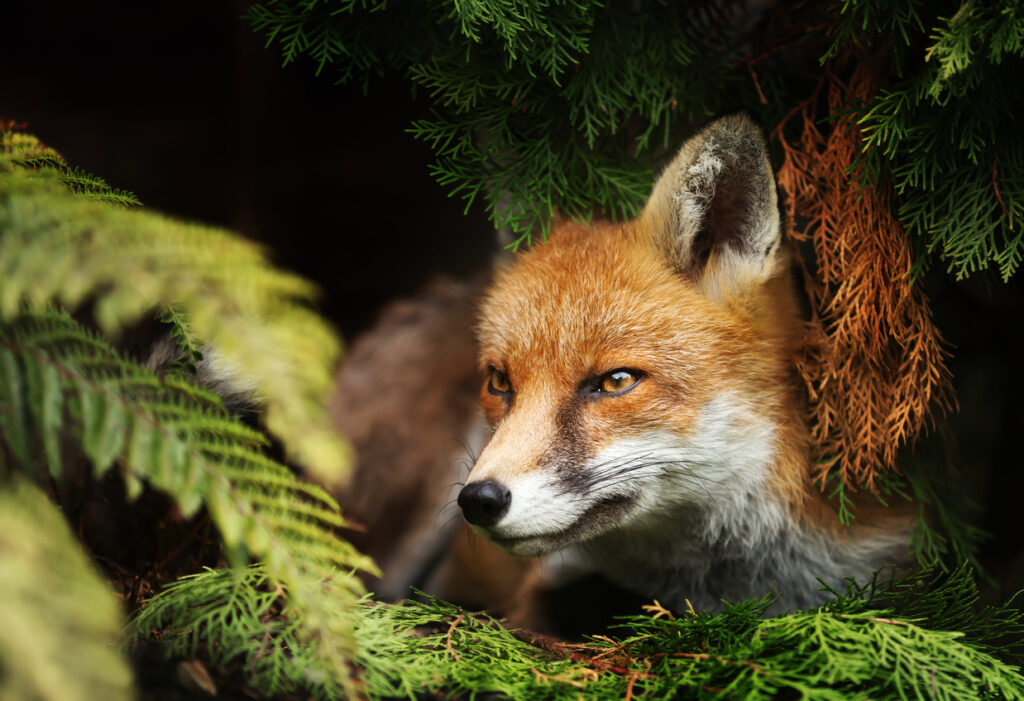
After watching animals for a while, you pick up on the tiny signals that show what’s coming next. You know when a deer’s about to bolt, when a fox is hunting versus just passing through, when birds are alarmed about something you haven’t spotted. It’s not magic, you’re just noticing body language and patterns.
Weirdly, this makes you better at reading people too because you’re paying attention to what someone’s body is doing rather than just what they’re saying. You pick up on tension and discomfort and intent that you’d have missed before.
Your tolerance for mess goes up in a big way.

There’s always mud, leaves, bits of fur, and general outdoor chaos when you live near wildlife, and you just get used to it. Perfect lawns and spotless patios stop mattering because maintaining them is a losing battle you can’t win. You still clean, obviously, but your standards transition from pristine to functional, and it’s way less exhausting.
The constant low-level mess becomes normal rather than something demanding immediate action. You save your energy for things that actually matter, instead of fighting nature’s tendency to make everything slightly grubby.
Predator and prey stuff stops being shocking.
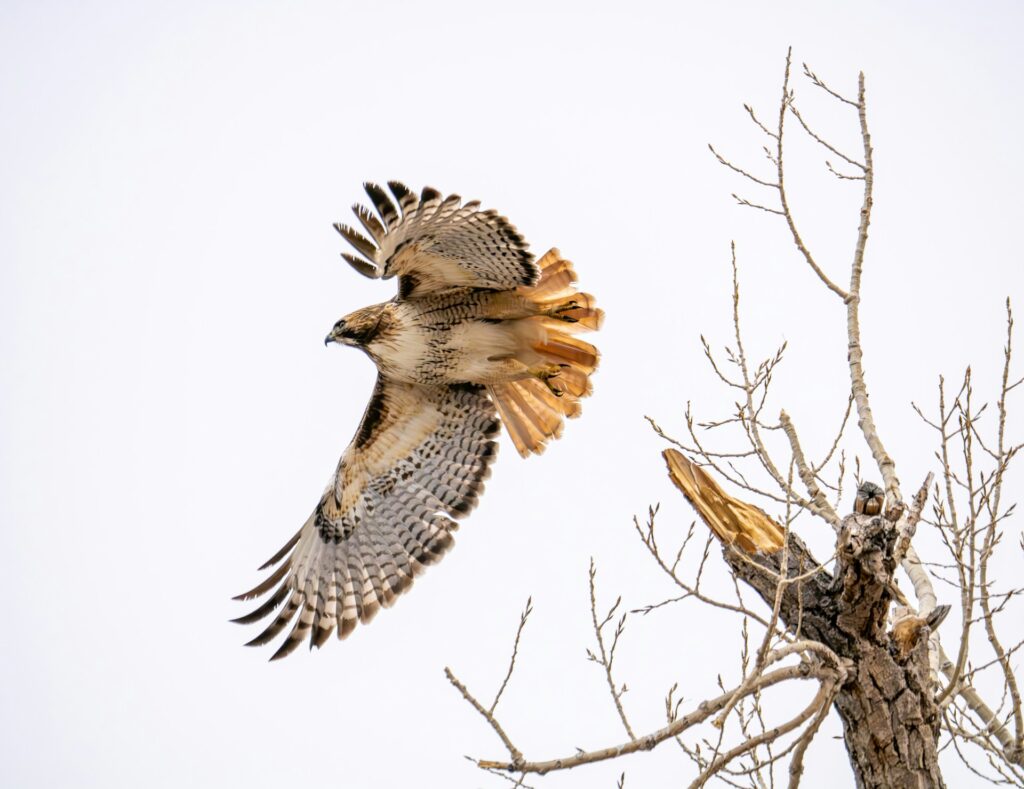
You see birds hunting insects, foxes hunting rabbits, hawks taking smaller birds, and after a while it’s just how things work. The sanitised version of nature where everyone’s friends disappears pretty quickly when you’re watching it happen in real time.
You stop being sentimental about it, while somehow respecting it more. Death’s just part of how everything functions, not a tragedy that needs preventing. Predators aren’t villains in your garden drama, they’re just getting food like everything else. It’s surprisingly easy to watch once you accept it’s normal.
Waiting around becomes easier.
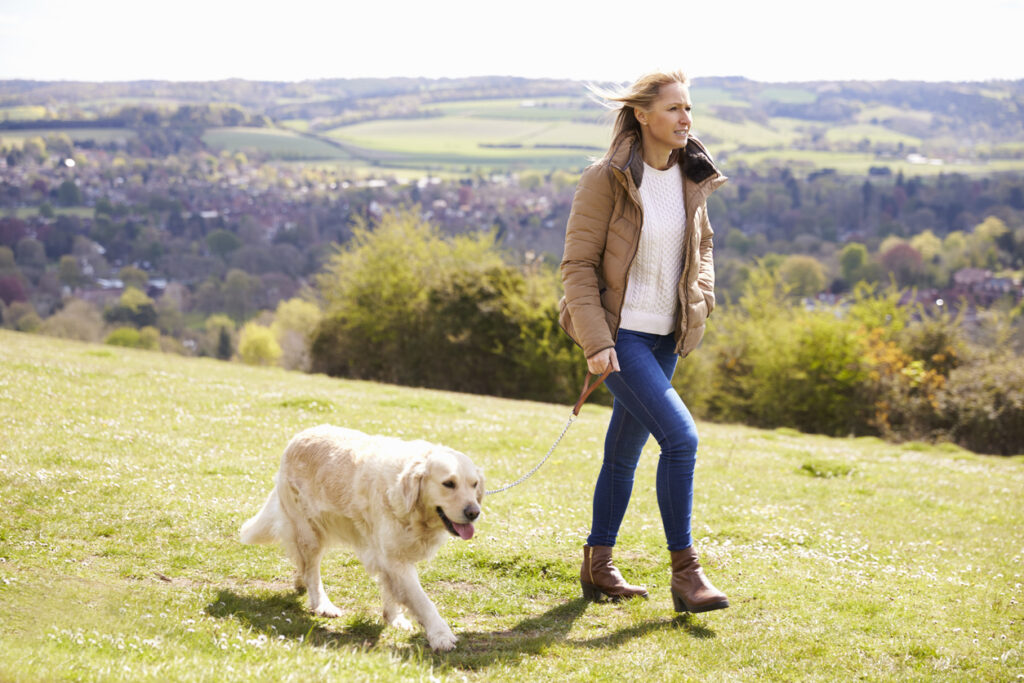
If you want to see anything interesting, you have to actually wait properly, which means sitting still without grabbing your phone every thirty seconds. You get used to being patient because wildlife operates on its own schedule and rushing achieves nothing.
That patience spreads to other situations, and you’re less bothered by queues or things taking longer than expected. You’ve sat for an hour waiting for a badger to show up, so waiting 10 minutes for a bus is nothing. The constant need for something to be happening all the time just fades a bit.
You notice how loud and obtrusive people are.
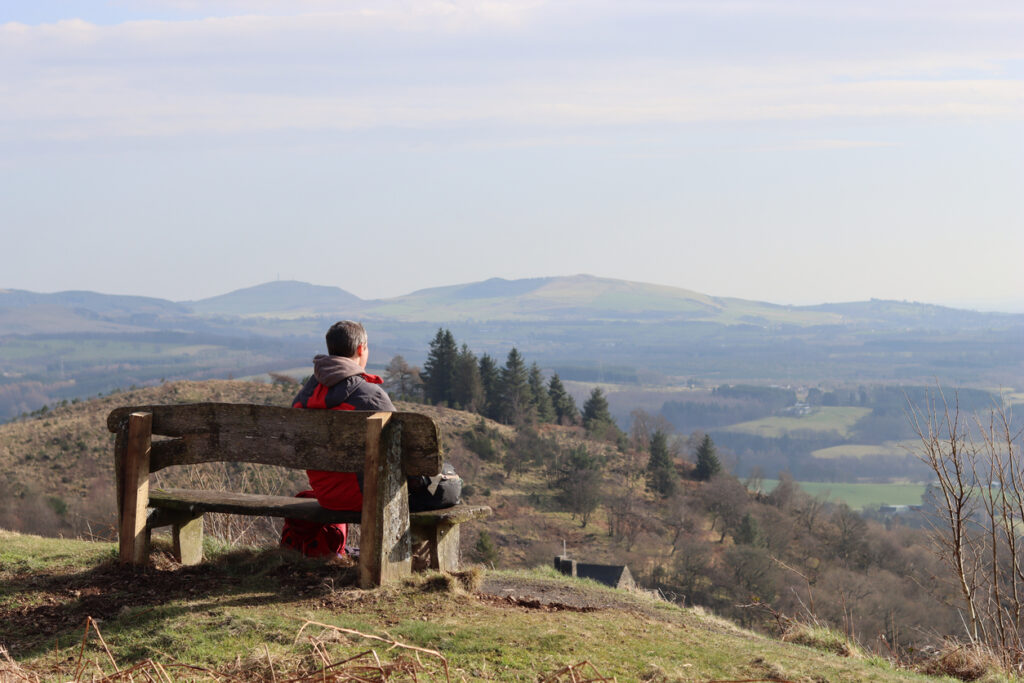
Humans stomp about making loads of noise and taking up loads of space, and once you’re aware of wildlife you can’t unsee this. We’re basically walking alarm systems that scatter everything in our path. You become more conscious of your own noise and impact, and you naturally start moving quieter and taking up less room.
It’s quite humbling realising that from an animal’s perspective, we’re the disruptive ones barging through their space. You’re not less important, you’re just one creature among many, rather than the main character.
Ordinary days have more good bits in them.

A fox trotting past your window, a bird landing close to you, deer in the garden while you’re having breakfast, these moments become genuinely nice parts of your day. You don’t need big experiences or special trips to feel like something good happened.
Normal life gets more satisfying when you’re actually noticing what’s around you, rather than waiting for the next proper event. The bar for what counts as interesting drops, but in a good way that makes regular days feel less boring.
The separation between nature and normal life stops making sense.
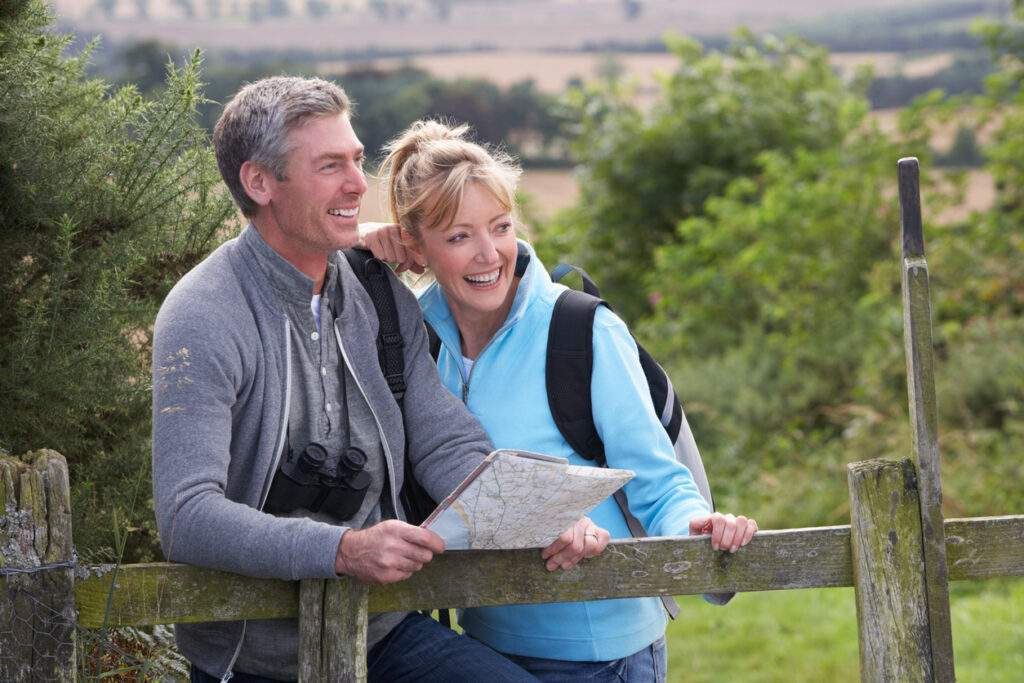
Wildlife’s just there all the time as part of your everyday background, not something you visit occasionally. You’re not entering nature when you go outside, you’re already in it along with everything else that lives there.
The whole idea of nature being separate from human spaces falls apart when you’re sharing yours with loads of creatures. It’s all one thing, and you’re part of it rather than observing from outside. This changes how you think about environmental stuff because nature’s not something happening elsewhere, it’s where you already are.