Most of us think we’re pretty clever because we can build a fire or check a weather app, but when it’s properly hitting the fan, we’re actually quite useless compared to the rest of the animal kingdom.
We’re not talking about just finding a cave to hide in, but the sort of weird, genius moves that seem like something out of a sci-fi film. Whether it’s a creature that can literally freeze itself solid to wait out the winter or an insect that uses its own body as a chemical weapon, animals have spent millions of years figuring out how to survive in ways that wouldn’t even cross our minds.
They don’t have gear or gadgets; they just have these bizarre instincts and physical tricks that move them from being a potential snack to a proper survivor. Looking at these 12 survival tactics makes you realise that while we’re busy worrying about our phone battery, there are creatures out there doing things that are genuinely mind-bending just to see another sunrise.
1. Playing dead so convincingly they fool actual predators
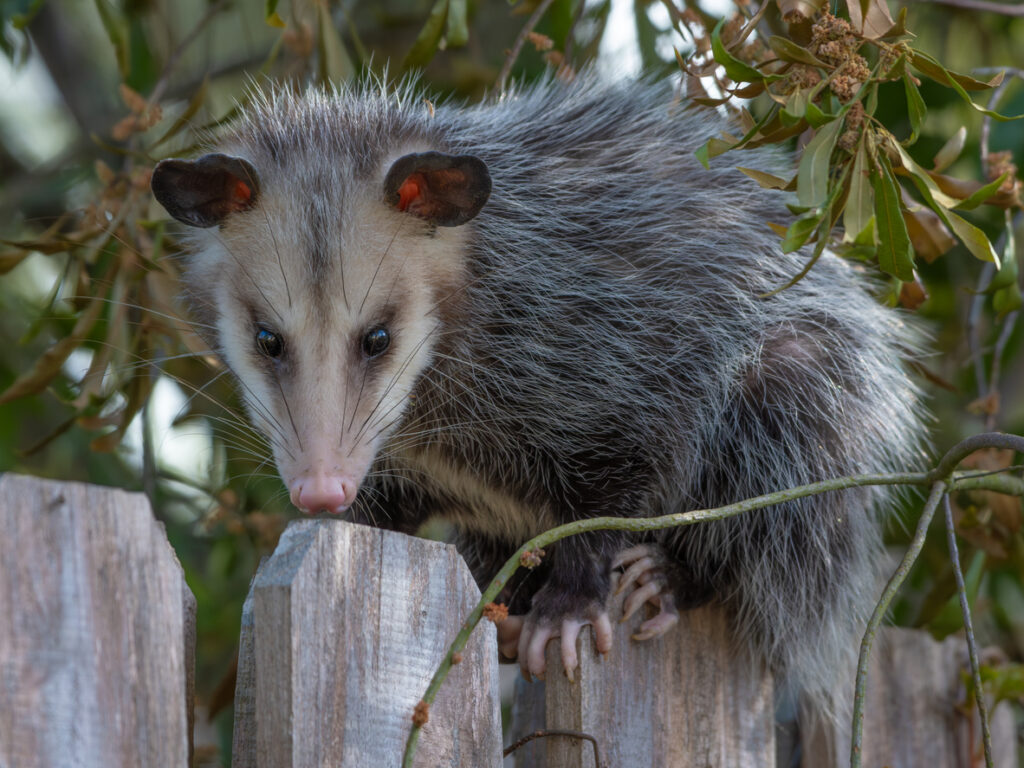
Opossums don’t just lie still when threatened, they go into an involuntary shock state where they genuinely look and smell dead. Their body goes stiff, they drool, release a corpse-like smell from their bum, and their tongue hangs out properly. It’s not an act they’re consciously performing, it’s an automatic response they can’t control that lasts for hours sometimes.
Predators lose interest because most of them want fresh kills, not something that’s already rotting. Humans playing dead get eaten because we can’t pull off the smell and complete stillness, but opossums have perfected it to the point where they’re basically temporary corpses. They come round eventually and wander off like nothing happened.
2. Ejecting their internal organs as a distraction
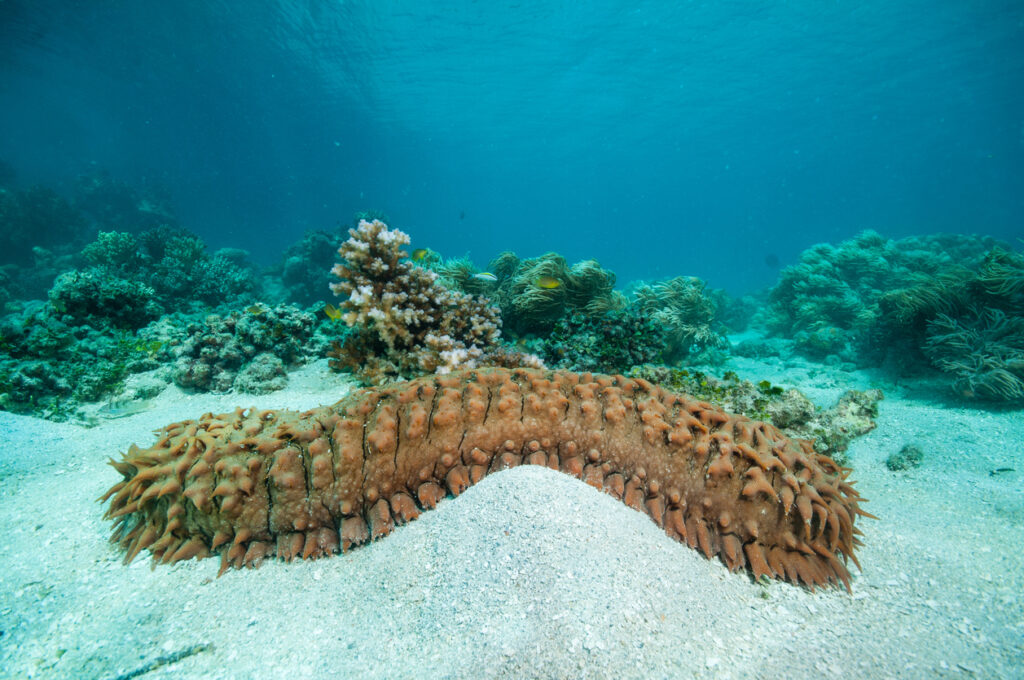
Sea cucumbers literally vomit out parts of their digestive system, respiratory organs, and reproductive bits when threatened, leaving predators to eat those whilst they escape. The expelled organs are sticky and sometimes toxic, so they tangle up or disgust whatever’s attacking.
The sea cucumber then grows all its organs back over the next few weeks like it’s no big deal. Humans would die instantly from this, but for them, it’s just a standard Tuesday defence mechanism. Some species shoot the organs out their bum at high speed directly at the threat, which is even more ridiculous but apparently effective.
3. Squirting blood from their eyes at attackers
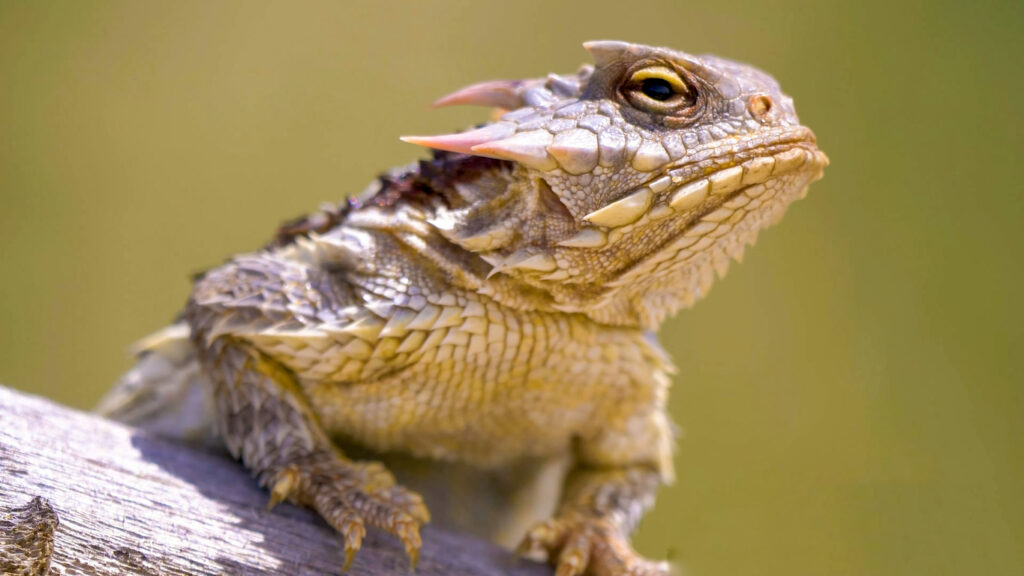
Horned lizards increase blood pressure in their head until vessels around their eyes rupture and spray blood up to five feet. The blood tastes absolutely disgusting to predators like coyotes and foxes, so they immediately back off. The lizard can do this multiple times and loses about a third of its blood supply, which would kill most creatures, but they just carry on fine.
It looks like something from a horror film, but it’s a calculated defence that works specifically on the predators that hunt them. They reserve this for serious threats because it’s quite costly, but when they use it, predators remember and avoid horned lizards afterwards.
4. Creating massive clouds of suffocating slime instantly
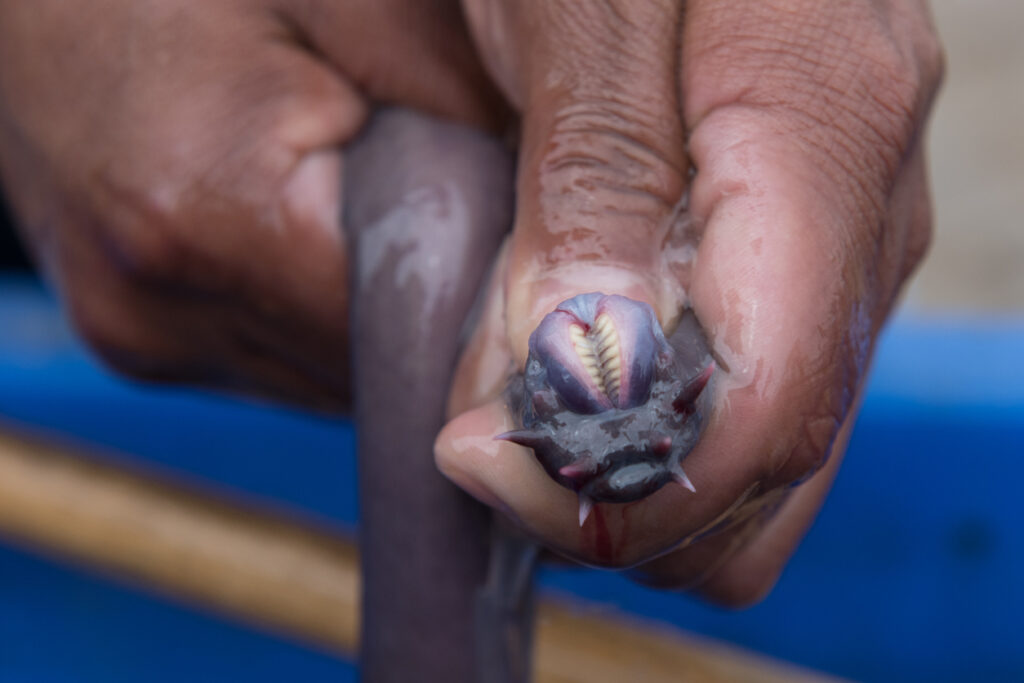
Hagfish produce enormous amounts of thick, sticky slime when attacked, and we’re talking about litres of the stuff from a relatively small eel-shaped fish. The slime expands in water and clogs up predators’ gills so they can’t breathe and have to back off or risk drowning.
The hagfish then ties itself in a knot and slides the knot down its body to scrape off its own slime so it doesn’t suffocate itself. Humans have tried to find uses for the slime because it’s incredibly strong and flexible, but the hagfish’s ability to produce it on demand and then remove it is something we can’t replicate. One hagfish can turn a bucket of water into solid goo in seconds.
5. Freezing completely solid and surviving it
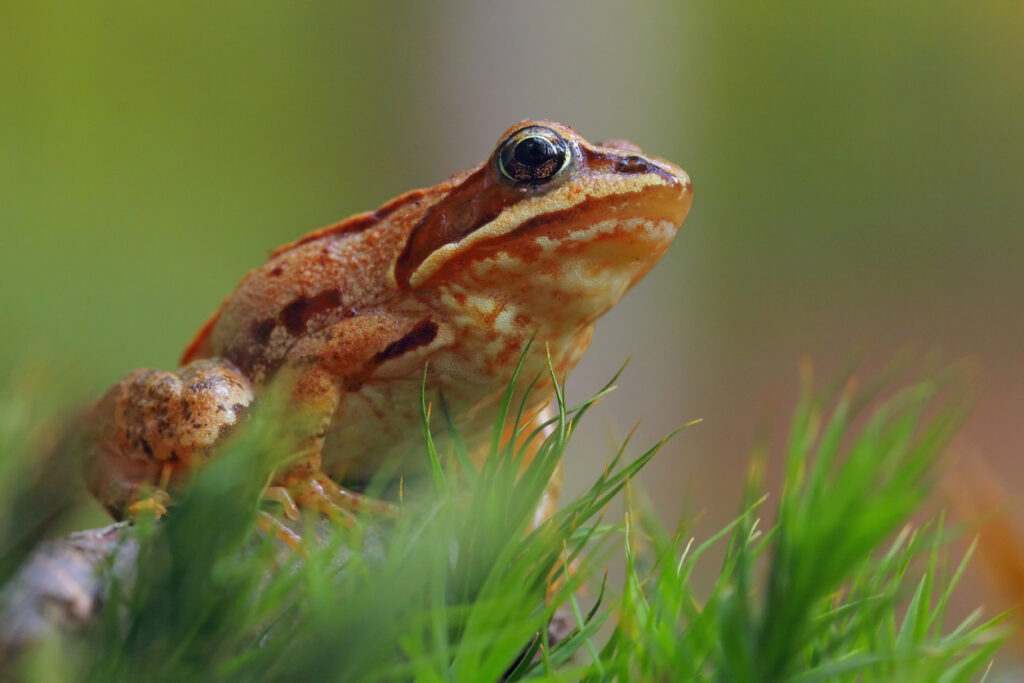
Wood frogs in North America freeze during winter to the point where their heart stops, they stop breathing, and ice crystals form throughout their body. They’re basically frogsicles for months, properly frozen with no signs of life. When spring arrives, they thaw out and hop away completely fine because their cells produce glucose and urea that protects vital organs from ice damage.
Humans die from frostbite way before reaching this level of freezing, but these frogs have evolved to turn it into a survival strategy. They can survive being frozen at temperatures down to minus six degrees for weeks at a time.
6. Spraying boiling chemicals at attackers
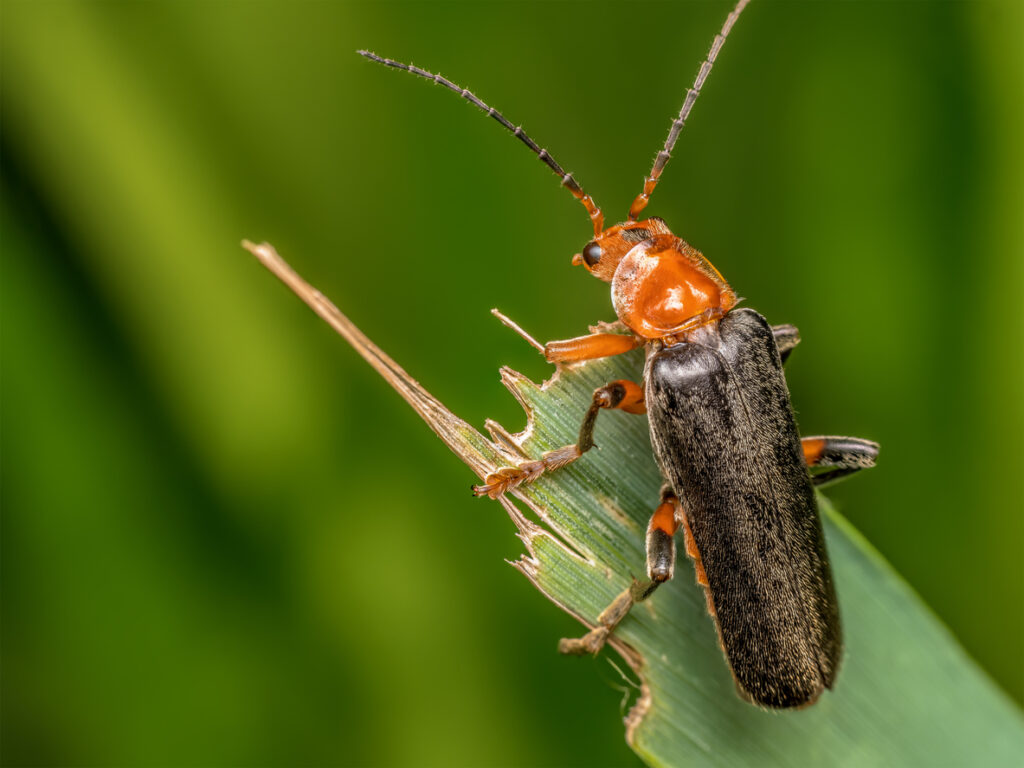
Bombardier beetles mix two chemicals in a special chamber in their abdomen that react to create a boiling liquid at 100 degrees Celsius, then spray it accurately at whatever’s threatening them. The spray pulses like a machine gun because the reaction happens in controlled explosions, and they can aim it in different directions.
The heat and toxic chemicals together are enough to seriously injure or kill insects and small predators, and even large animals back off immediately. The beetle’s body can handle producing these explosions internally without damage, which is chemistry that humans can barely replicate in labs. They can fire this weapon repeatedly without running out.
7. Vomiting oil that permanently ruins predators’ feathers
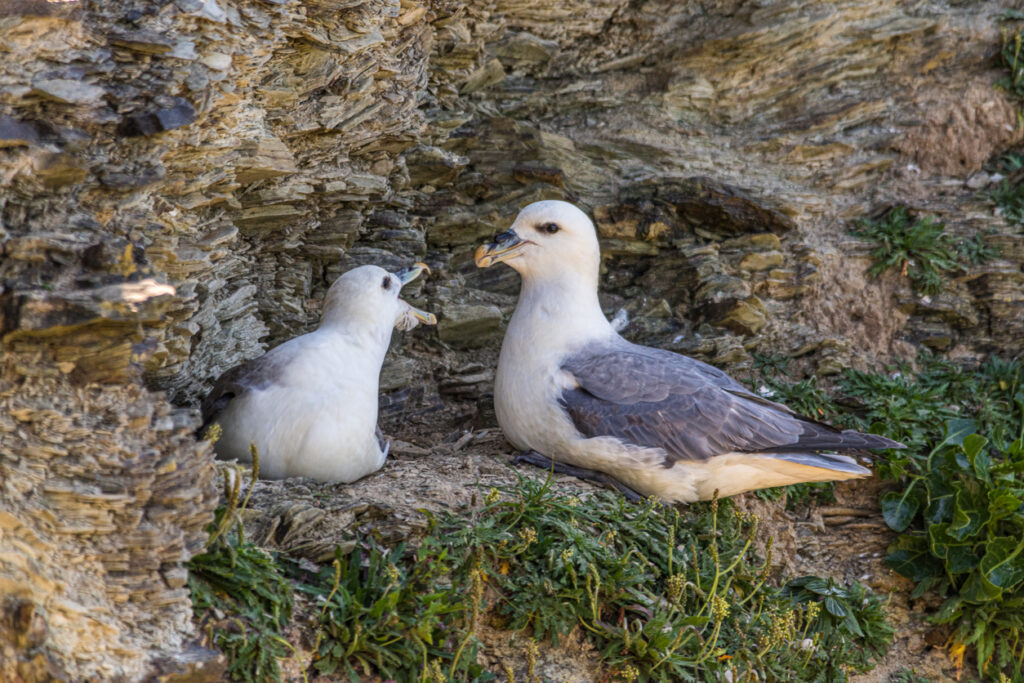
Fulmar chicks, when threatened in their cliff nests, projectile vomit a disgusting stomach oil that stinks and is almost impossible to remove. If it gets on another bird’s feathers, it destroys their waterproofing permanently, which for seabirds means death because they can’t survive in water anymore.
Adult fulmars can also do this, but the chicks are especially good at it because they’re vulnerable and can’t fly away. The oil is so effective that predatory birds learn to avoid fulmars completely. It’s essentially chemical warfare that doesn’t harm the fulmar but devastates anything it hits, and they can launch it several feet with impressive accuracy.
8. Dropping body parts that keep moving to distract predators
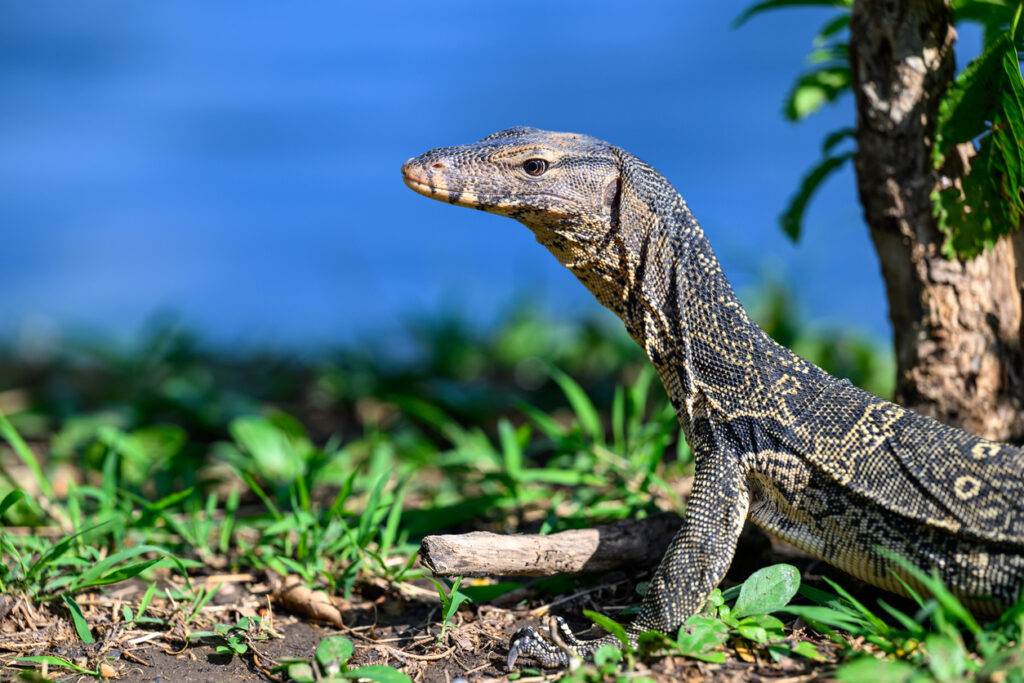
Loads of lizards drop their tails when grabbed, but the clever bit is the tail continues thrashing violently for ages after it’s detached. The movement is so distracting that predators focus on the tail whilst the lizard escapes, and the tail can wiggle for up to 30 minutes. Some species have tails that are brightly coloured or patterned specifically to draw attention.
The lizard grows a new tail eventually, though it’s never quite as good as the original. Losing a body part deliberately seems extreme, but it beats being eaten, and the wiggling tail is genuinely hypnotic enough to fool most predators into thinking they’ve caught the whole animal.
9. Detaching their own arms when trapped
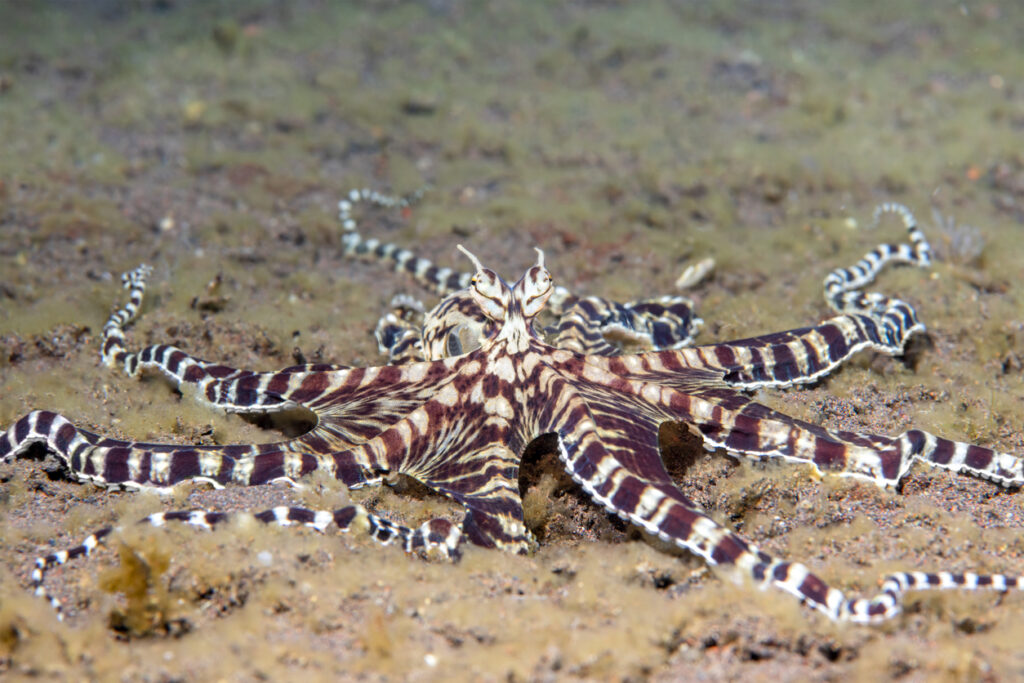
Octopuses can deliberately detach an arm if a predator’s got hold of it, and the arm keeps moving independently for ages afterwards. The lost arm distracts the threat whilst the octopus escapes, and they can regrow it over time, though it takes months.
Some species use detached arms as active lures by making them wiggle enticingly to draw predators away from their body. The arm contains enough nerve clusters to move purposefully without the brain controlling it, which is genuinely weird. Octopuses are already brilliant at escaping, but having disposable body parts as backup is next-level survival thinking.
10. Eating toxic food then using the poison for defence

Monarch butterflies eat milkweed as caterpillars which is toxic to most creatures, then store those toxins in their bodies for life. Birds that eat monarchs get violently ill and learn to avoid anything with those orange and black markings. Other harmless butterflies have evolved to look like monarchs just to benefit from the protection, which is cheating but effective.
The caterpillars actively seek out the most toxic milkweed varieties rather than avoiding poison like sensible creatures would. Humans can’t store toxins like this without dying, but monarchs turned poison into a permanent defence system by eating it deliberately.
11. Creating a cavitation bubble that stuns prey with sound
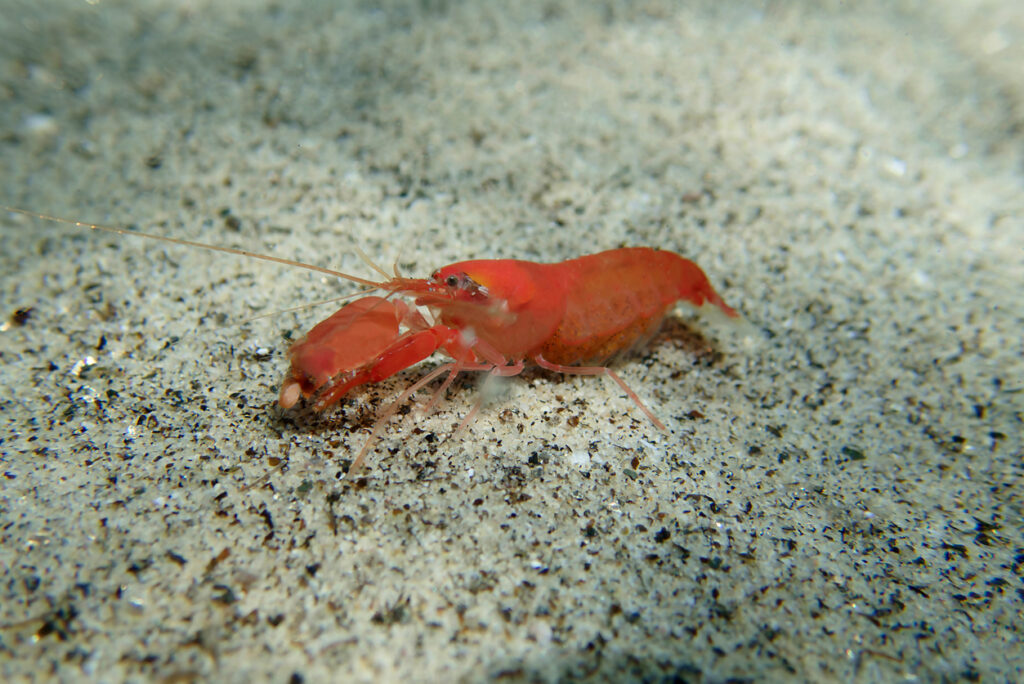
Pistol shrimp snap their claw so fast, it creates a bubble that collapses with a sound louder than a gunshot underwater. The collapsing bubble briefly reaches temperatures as hot as the sun’s surface and creates a shockwave that stuns or kills small fish and other prey. The sound can reach 218 decibels, which is loud enough to break glass, and the whole thing happens in less than a millisecond.
They’re tiny shrimp, but they’ve weaponized physics in a way humans struggle to replicate even with technology. The bubble collapse also creates a flash of light called sonoluminescence, so they’re basically using heat, sound, and light as weapons all from one claw snap.
12. Shooting sticky glue that hardens instantly to trap prey
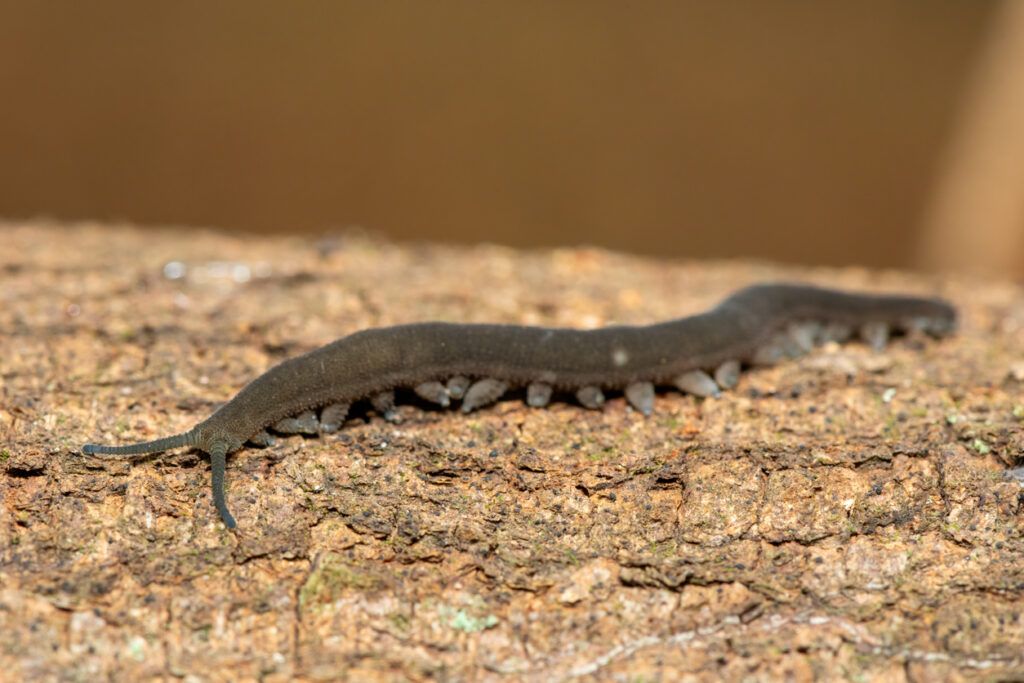
Velvet worms spray two streams of glue from glands on their head that hit targets up to a foot away and harden in seconds. The glue is incredibly strong and tangles up prey completely, then the worm takes its time eating them whilst they’re stuck.
The glue comes out liquid but forms tough fibres the moment it hits air, similar to spider silk but fired from a distance. They wave their head whilst spraying to cover the target completely, and the glue’s strong enough to immobilize insects much larger than them. Humans have studied this glue for years trying to replicate it for medical and industrial uses but haven’t managed to create anything that works as well.