We talk about nature like it’s something gentle and precious, almost magical.
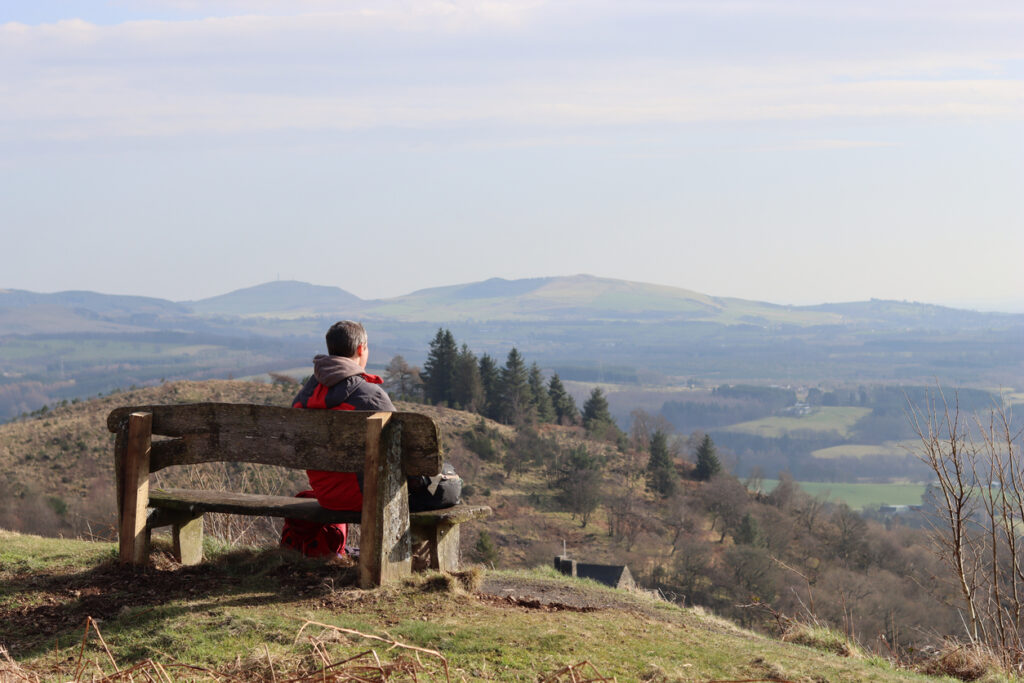
We frame it as healing, grounding, something that makes us feel better about ourselves. At the same time, we’re draining it, fragmenting it, and pushing it past its limits. The contradiction isn’t accidental. It’s built into how we think and live. Here’s why romanticising nature and damaging it so often happen side by side.
We love how nature makes us feel, not what it actually needs.

For most people, nature is an emotional experience before it’s a responsibility. It’s the calm you feel walking through trees, the relief of fresh air after a long week, the sense of perspective when you look at the sea. Those feelings are real and genuinely valuable.
The issue is that feelings don’t automatically translate into care. It’s easy to love what nature gives us while staying disconnected from what it requires in return. Once protection involves effort, inconvenience, or long-term thinking, the emotional bond often stops doing the work.
We prefer nature when it fits neatly into our lives.
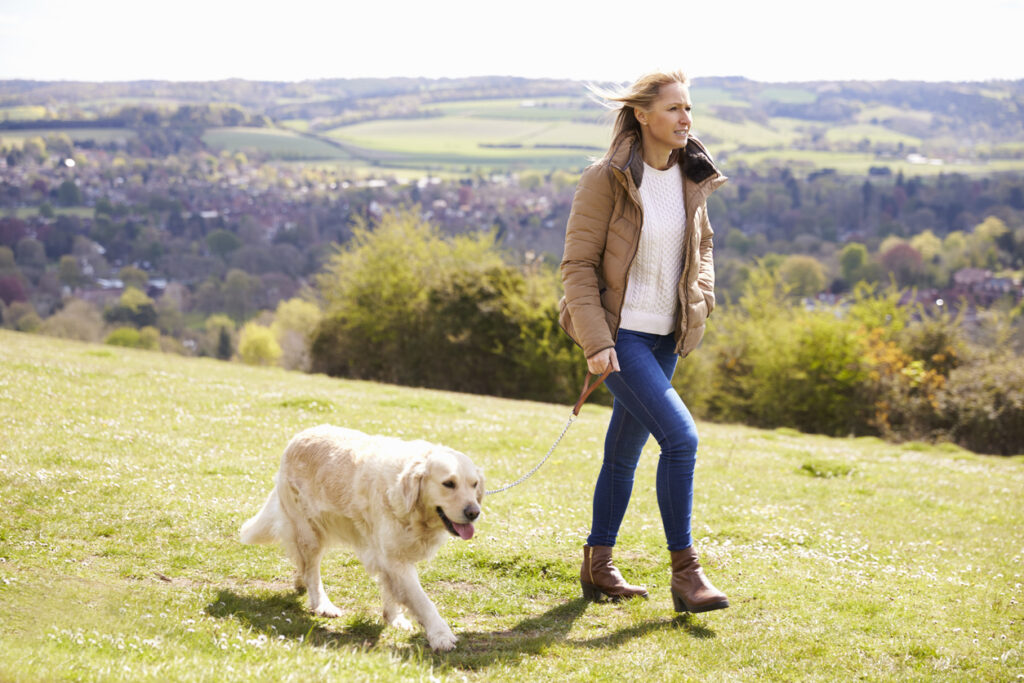
We tend to like nature best when it behaves itself. Clean parks, tidy footpaths, calm beaches, wildlife that’s cute and predictable. Nature that floods roads, ruins crops, or brings insects into our homes quickly loses its charm.
It’s a preference that shapes everything from planning decisions to daily habits. When nature demands space, patience, or adaptation from us, romance fades fast. Appreciation is easiest when nothing about our routine has to change.
Screens let us love nature from a safe distance.
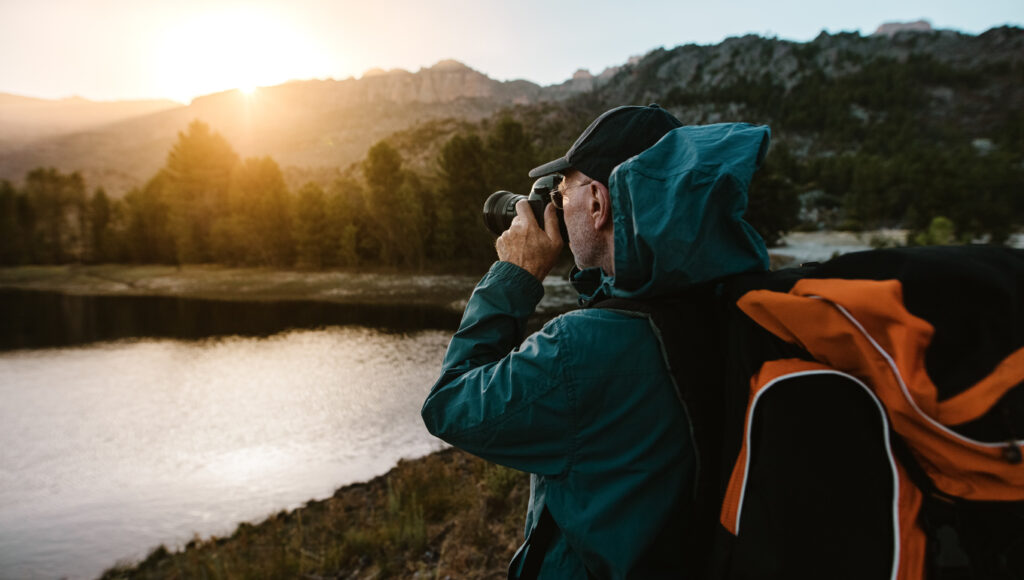
Most of our exposure to nature now comes through images. Perfect landscapes, dramatic skies, slow-motion animals. It’s beautiful, but it’s also filtered and controlled.
Real nature is noisy, muddy, unpredictable, and sometimes uncomfortable. Watching it through a screen allows us to enjoy the aesthetic without dealing with the reality, which makes it much easier to stay emotionally attached while remaining practically detached.
We talk about destruction as if it’s happening somewhere else.
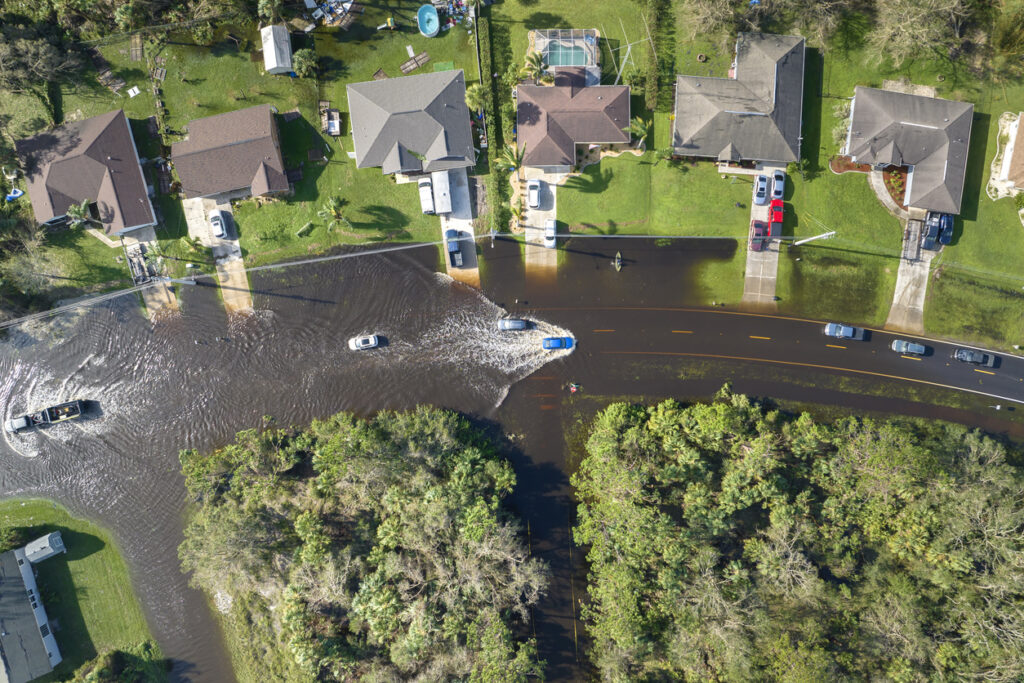
Environmental damage is often framed as distant. It’s always in another country, another industry, or it’s another generation’s problem. That distance really dulls the emotional impact it has on us. When harm feels abstract, it doesn’t interfere with how we see ourselves. We can love nature while believing the damage is caused by forces beyond our control, even when our own habits are part of the picture.
Nostalgia feels safer than responsibility.

We love stories about how things used to be. More wildlife. Cleaner rivers. Proper seasons. Childhood memories tied to green spaces and open land. Nostalgia asks very little of us. It lets us mourn without acting. Looking forward, on the other hand, requires decisions, compromises, and change. Romanticising the past can quietly replace protecting the future.
Nature has been turned into an aesthetic.
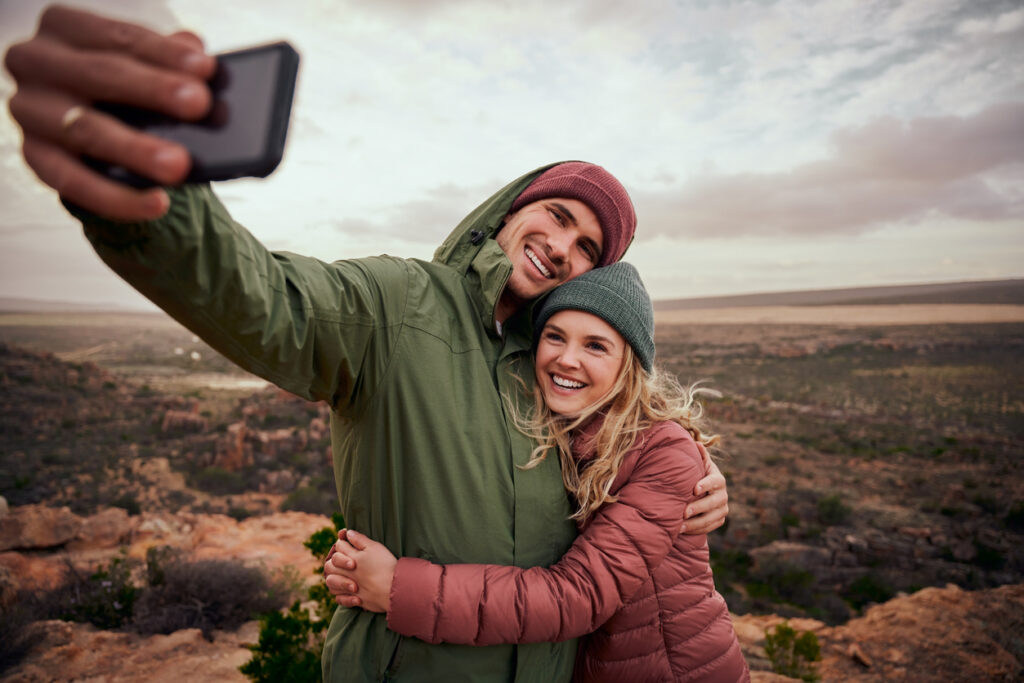
Green imagery sells everything now: clothing, skincare, travel, even technology. Nature is used to signal purity, calm, and goodness. When nature becomes a visual brand rather than a living system, consumption can feel like appreciation. Buying the image of nature becomes easier than questioning the impact of constant buying itself.
We assume nature will cope, even when it’s showing signs it can’t.

There’s a comforting belief that nature is endlessly resilient. Forests regrow. Animals adapt. The planet finds balance. That belief isn’t entirely wrong, but it’s incomplete. Nature can recover, but not without limits. Assuming it will always bounce back allows us to delay action without feeling irresponsible.
Simple love stories are easier than complex realities.

Romantic ideas about nature come with clear messages. Love the planet. Save the trees. Protect wildlife. They’re easy to share and feel good to repeat. The reality is messier. Environmental issues involve trade-offs, politics, money, and long-term planning. Loving nature in theory is far more comfortable than engaging with the complexity of actually protecting it.
Fully noticing the damage would mean sitting with discomfort.
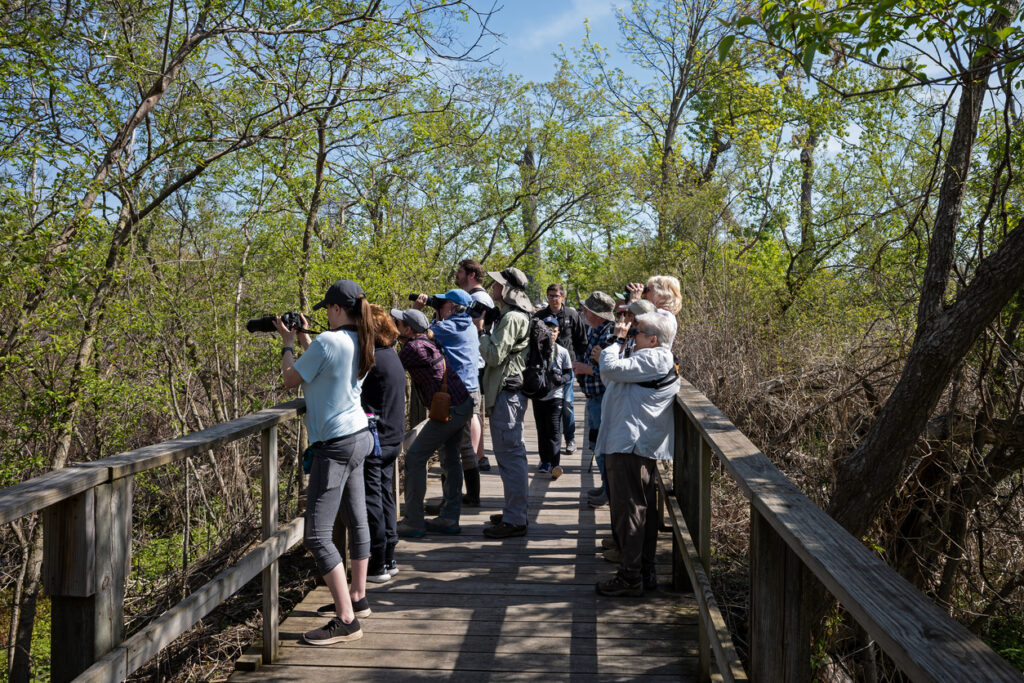
Paying real attention to environmental loss brings up grief, guilt, and fear. Those aren’t easy emotions to live with day to day. Romanticising nature keeps us in admiration rather than awareness. It allows us to feel connected without having to stay emotionally present with what’s being lost.
Loving nature feels nourishing, changing for it feels demanding.
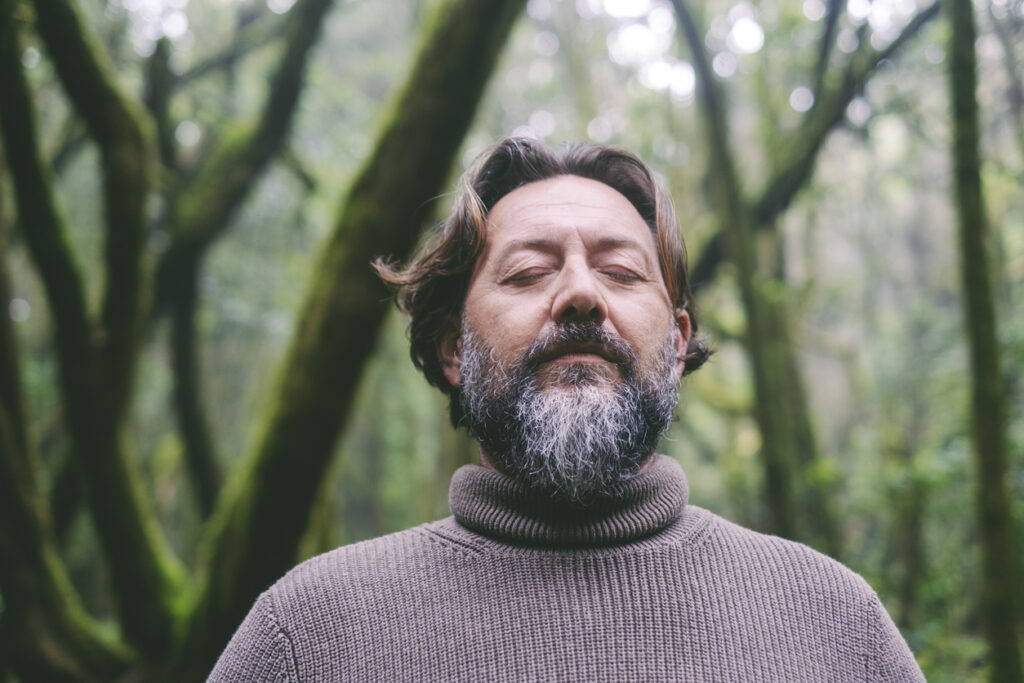
There’s nothing wrong with loving nature. That love often comes from a genuine place. The problem is when admiration becomes the stopping point. Protecting nature asks for consistency, restraint, and long-term thinking. It’s quieter, less satisfying, and harder to show off. Romanticising nature feels good immediately. Changing for it takes time, and that’s where many people stall.