Getting more time outside doesn’t mean you have to suddenly start scaling mountains or sleeping in a tent every weekend.
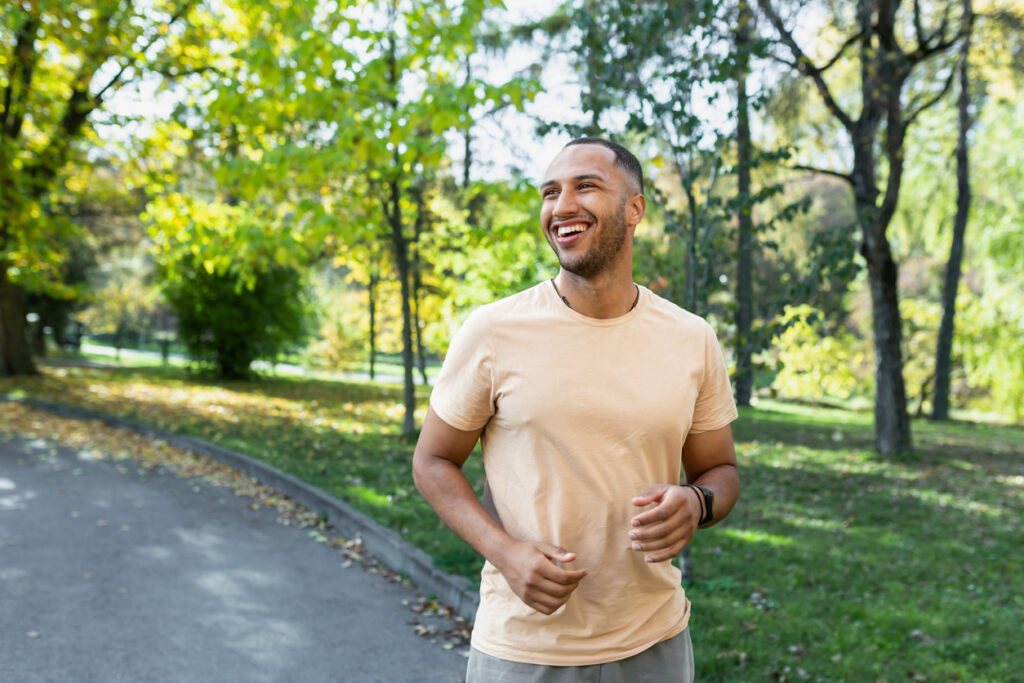
For most people, becoming “outdoorsy” is just about breaking the habit of spending 24 hours a day staring at four walls and a screen. It is about realising that a bit of fresh air and a change of scenery does wonders for your head, helping to clear out the mental fog that builds up when you’re stuck indoors.
You don’t need a load of expensive gear or a massive plan; it’s more about making small, consistent choices, like taking your lunch to the park or choosing a coastal path over a treadmill. The benefits go beyond just getting a bit of exercise; it’s a proper reset for your nervous system that makes the rest of the week feel a lot less claustrophobic.
Start with short, easy walks in your immediate area.
You don’t need to drive somewhere scenic or plan elaborate hikes to begin spending more time outdoors. Walking around your neighbourhood, local park, or even just sitting outside for your morning coffee counts as outdoor time. The goal is building the habit rather than achieving anything impressive.
Just 10 minutes outside daily creates more lasting change than occasional ambitious hikes you dread planning. Once short walks feel normal, you’ll naturally want to go further or explore new areas.
Your physical health improves in ways you’ll actually notice.
Regular outdoor activity strengthens your cardiovascular system, improves bone density, and helps maintain healthy weight without requiring gym memberships. Sunlight exposure helps your body produce vitamin D, which affects everything from bone health to immune function.
Walking on uneven terrain uses different muscles than treadmills and builds better balance and coordination. These benefits accumulate gradually, so you might not notice immediate dramatic changes, but your body becomes stronger and more capable over months of consistent outdoor activity.
Invest in one good piece of gear that makes going outside comfortable.
Waterproof jacket, decent walking shoes, or warm layers make the difference between tolerating outdoor time and actually enjoying it. You don’t need expensive technical gear for casual outdoor activities, but having one reliable item removes excuses about weather.
British weather particularly requires accepting that rain happens and having appropriate clothing means you go out anyway. Once you’re not cold, wet, or uncomfortable, being outside becomes significantly more appealing, and you’ll do it more often.
Mental health benefits happen faster than physical ones.
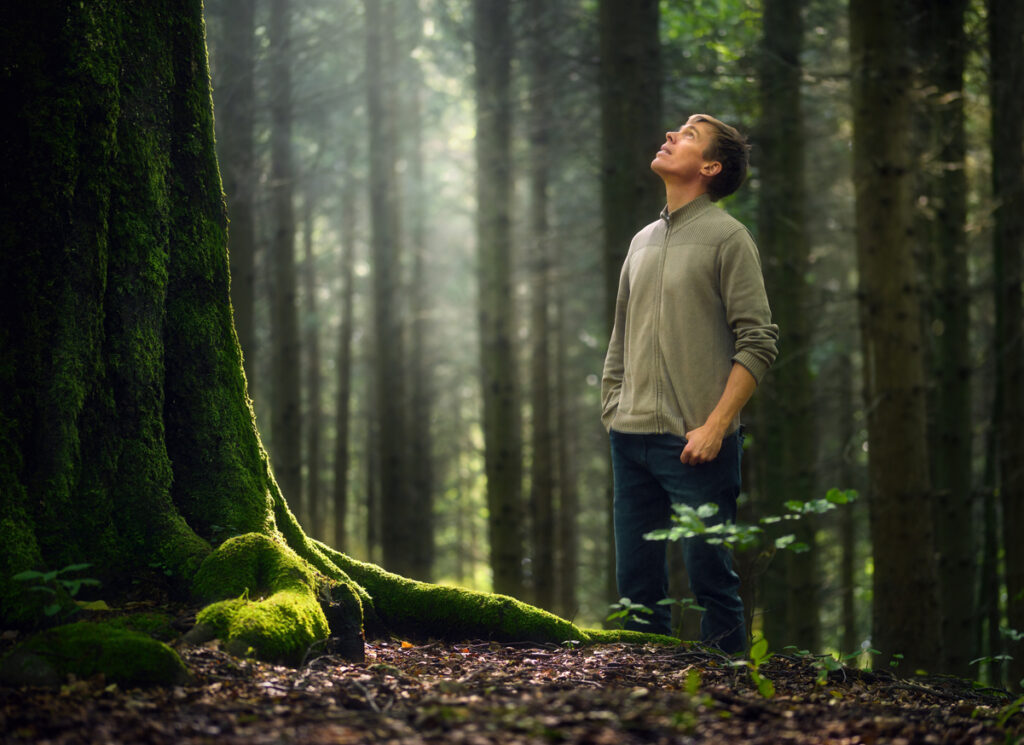
Even twenty minutes outside reduces stress hormones, lowers blood pressure, and improves mood measurably. Nature exposure helps with anxiety, depression, and general mental wellbeing in ways that indoor exercise doesn’t replicate. The combination of movement, fresh air, natural light, and different sensory input gives your brain a break from indoor stimulation. People dealing with burnout or overwhelm often find that outdoor time provides relief that nothing else manages, probably because it forces you to be present rather than ruminating.
Find activities you genuinely enjoy rather than forcing yourself to hike.
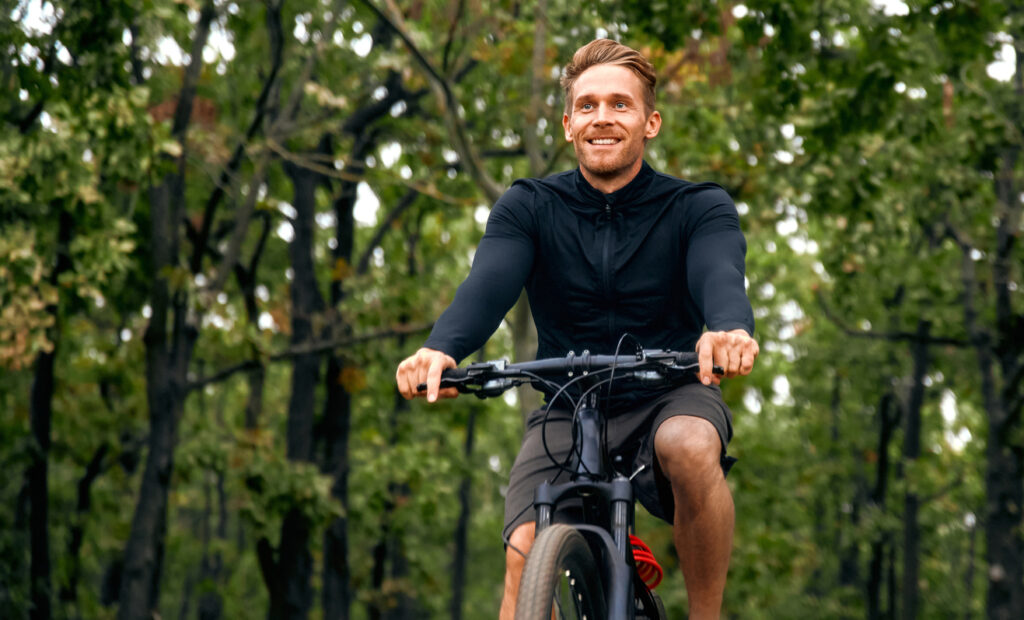
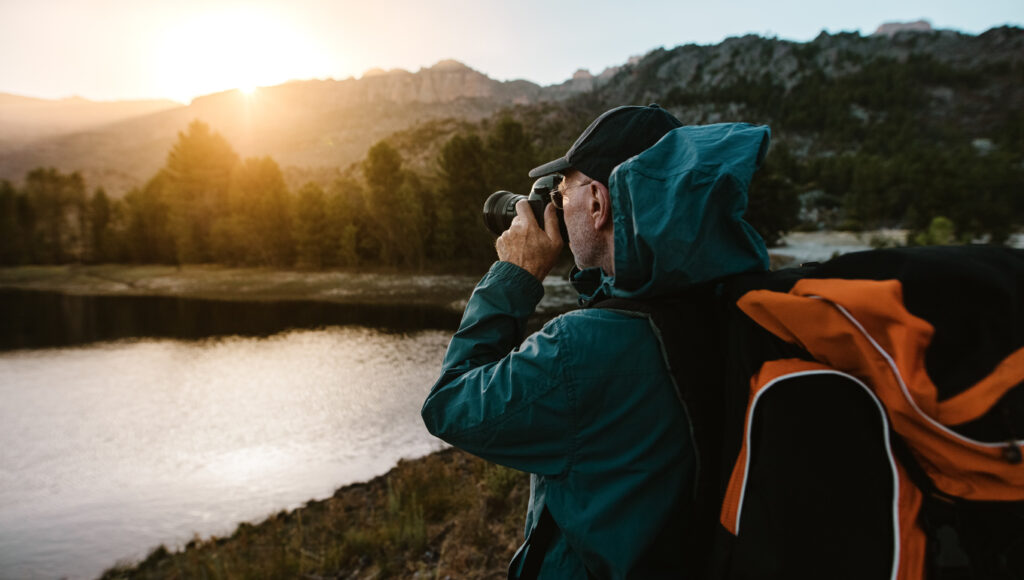
Becoming outdoorsy doesn’t mean you must enjoy hiking if you hate it. Birdwatching, photography, foraging, gardening, cycling, or just reading in parks all count as outdoor engagement. Some people prefer social outdoor activities like group walks or outdoor fitness classes, while others want solitary time in nature.
Experiment with different activities until you find something that pulls you outside rather than requiring willpower. When outdoor time feels like reward rather than obligation, you’ll actually maintain the habit.
Your sleep quality improves with regular outdoor exposure.
Natural light during the day helps regulate your circadian rhythm, making it easier to fall asleep at night and wake feeling rested. Physical activity outside tires your body in healthy ways that promote deeper sleep. Even people with chronic sleep issues often notice improvements when they start spending time outside daily. The combination of daylight exposure and physical movement works better than most sleep aids, though it takes a few weeks of consistency to see full benefits.
Start noticing what’s actually around you outside.
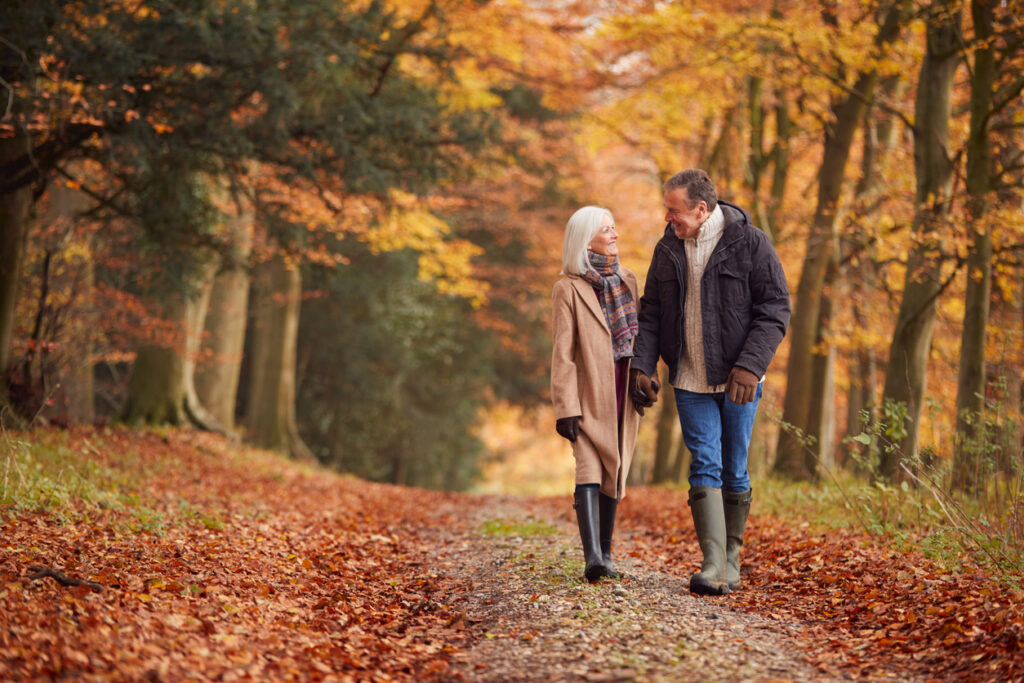
Paying attention to birds, plants, weather patterns, or seasonal changes transforms outdoor time from just being outside to actually engaging with your environment. Learning to identify even a few common birds or trees makes walks more interesting because you’re noticing rather than just passing through.
Apps for identifying plants, birds, and stars make this accessible even if you know nothing about nature currently. This observation practice also trains your brain to be more present, which reduces anxiety and rumination.
Social connections strengthen when you do outdoor activities together.

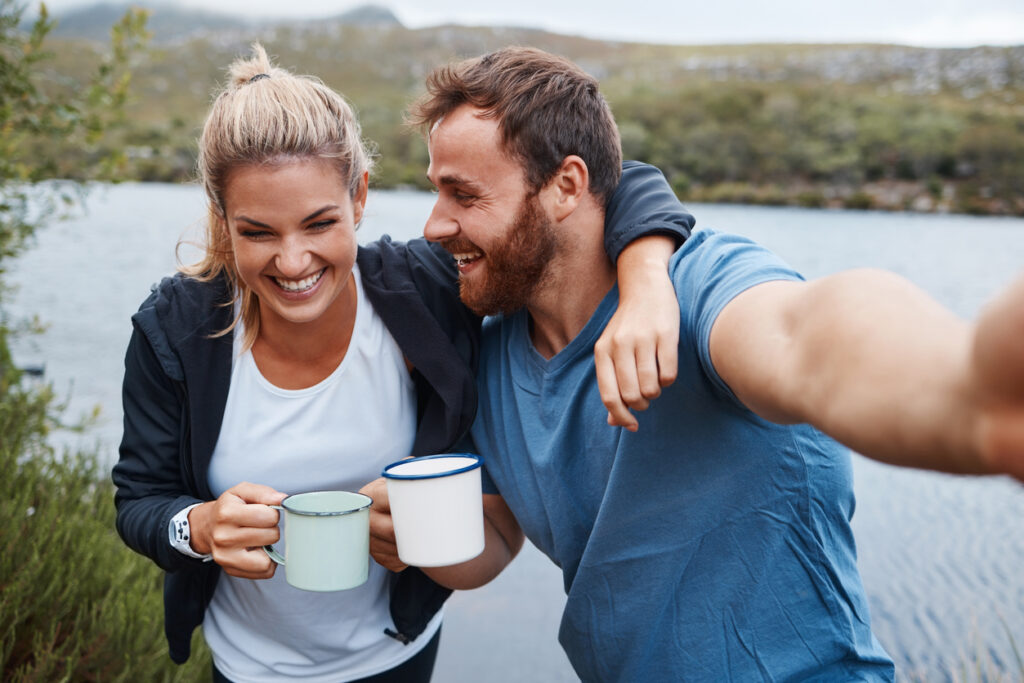
Walking and talking creates different conversations than sitting across a table makes, often leading to more honest or meaningful discussions. Outdoor activities give you something to do together that’s not centred on eating, drinking, or spending money.
Meeting friends for walks rather than always meeting at cafés or pubs adds variety while making socialising more active. Shared outdoor experiences create memories differently than indoor hangouts, probably because you’re moving through changing scenery rather than sitting in static environments.
Build up gradually rather than attempting ambitious goals immediately.
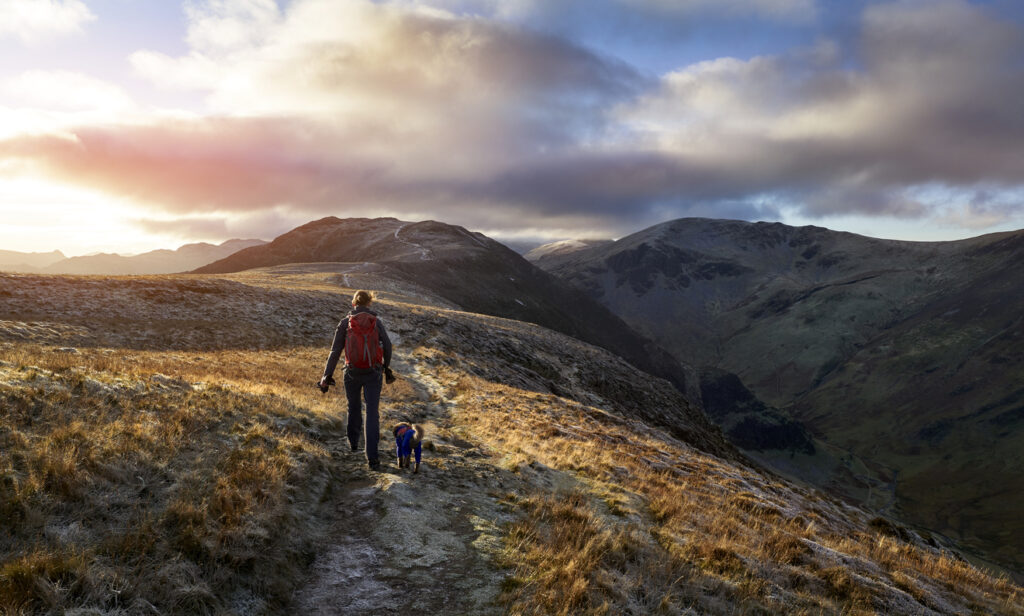
People who go from sedentary to attempting long hikes often injure themselves, get exhausted, and quit entirely. Starting with manageable distances and difficulties prevents this boom-bust cycle. Add ten minutes or one kilometre to your usual distance each week, giving your body time to adapt.
A more gradual progression feels less dramatic but creates sustainable habits rather than short-lived enthusiasm followed by burnout. You’re building a lifestyle change, not training for a specific event.
Creativity and problem-solving improve after time outside.
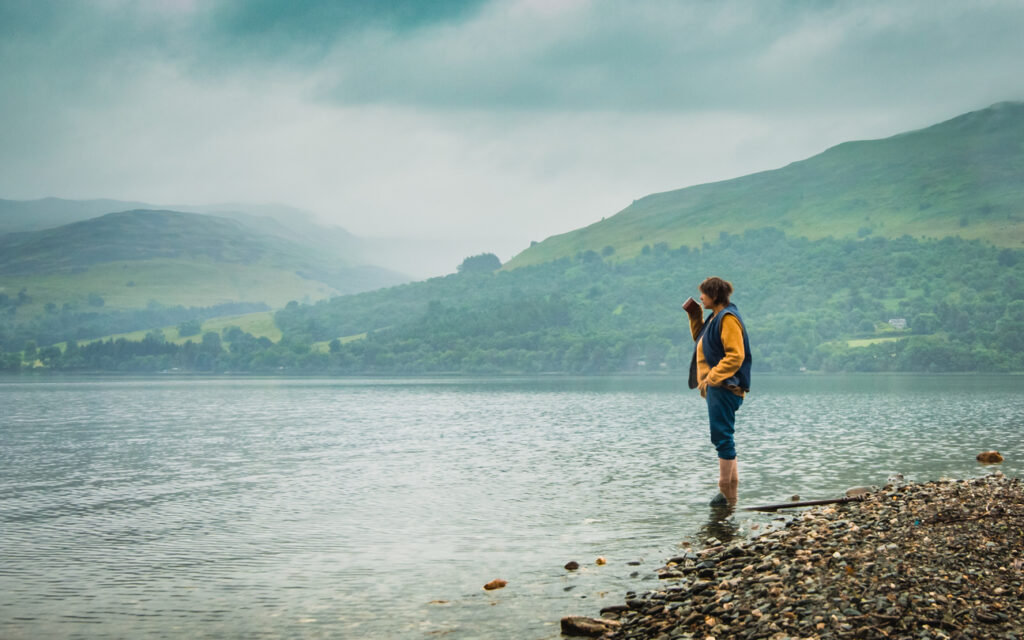
Studies show that outdoor exposure enhances creative thinking and helps people solve problems they were stuck on indoors. Something about moving through natural environments frees up mental resources that indoor environments keep occupied.
Writers, artists, and people in creative fields often find that outdoor time breaks through blocks more effectively than forcing themselves to keep working. Even if your work isn’t creative, the mental clarity that comes from outdoor time helps you think through decisions and challenges more effectively.
Make outdoor time non-negotiable, like other health habits.

Treating outdoor activity as optional means it disappears when life gets busy, which is exactly when you need it most. Scheduling specific times for outdoor activity and protecting them like appointments ensures consistency. Some people go outside first thing in the morning before excuses accumulate, others use lunch breaks or evenings. The specific timing matters less than the commitment to actually doing it, regardless of weather or motivation levels.
Your immune system strengthens with regular outdoor exposure.

Exposure to diverse microorganisms outside actually helps your immune system function properly, rather than weakening it. Fresh air circulation outdoors means you’re not breathing recycled air full of other people’s germs. Spending time outside during different seasons helps your body adapt to temperature variations and environmental changes.
People who regularly spend time outside tend to get sick less often than those who stay indoors constantly, possibly because their immune systems get regular practice rather than being understimulated.
Disconnect from screens while outside, even if briefly.

Taking your phone outside to photograph everything or checking it constantly defeats much of the purpose of being outside. Try leaving your phone behind or keeping it in your pocket for at least part of your outdoor time. The break from notifications and screens contributes significantly to the stress relief that outdoor time provides. You can still use apps for identifying plants or tracking walks, but avoid mindlessly scrolling social media while supposedly enjoying nature.
The habit becomes self-reinforcing once you feel the benefits.
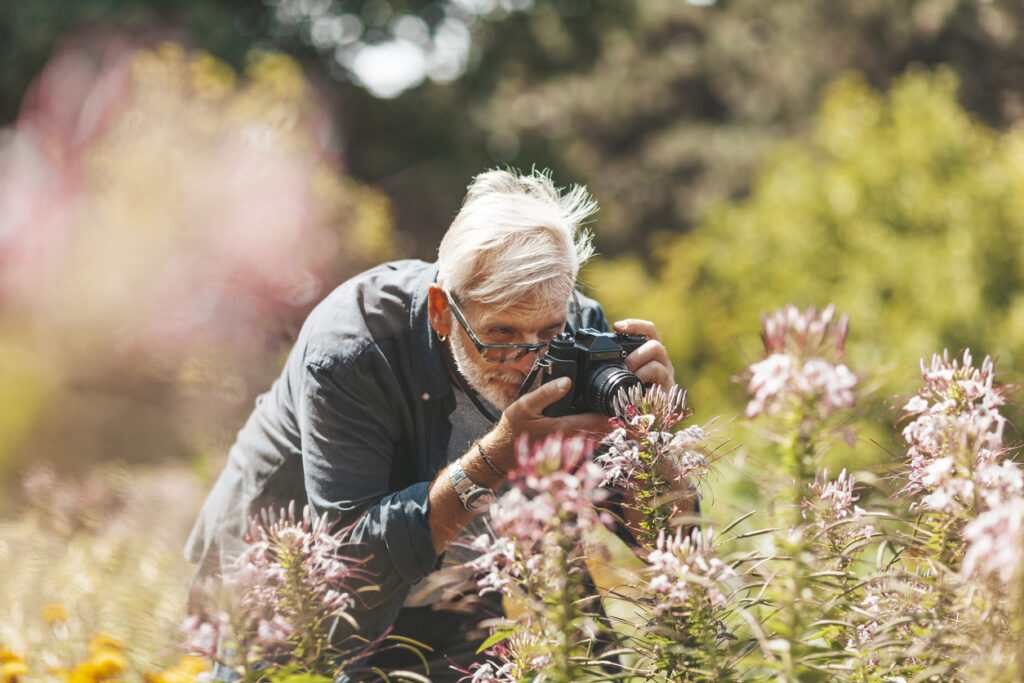
Initially, you might need discipline to get outside regularly, but after a few weeks the habit maintains itself because you feel noticeably better. Missing your outdoor time starts feeling wrong, rather than going outside feeling like effort. Your body begins craving the movement and fresh air the same way it craves sleep or food.
The transition from forced activity to genuine desire makes the habit sustainable long-term. Eventually, you become someone who needs outdoor time to function well, rather than someone who occasionally goes outside when conditions are perfect.