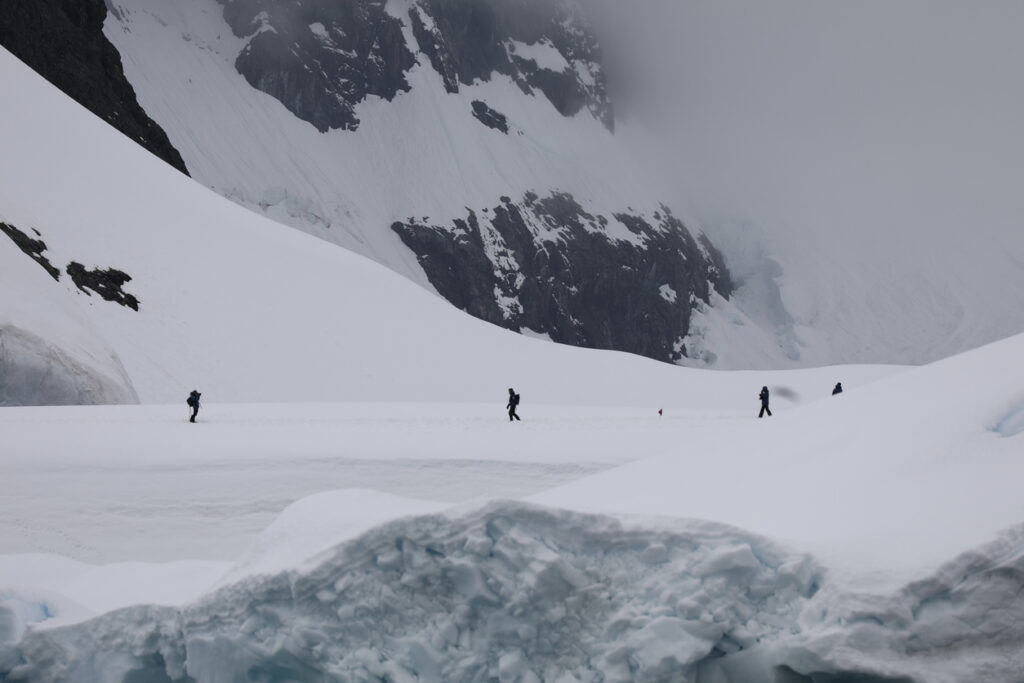
The coldest place on Earth isn’t just chilly, it’s cold enough to freeze your breath solid before it leaves your mouth. We’re talking about temperatures so extreme they barely seem possible on our planet, yet this place exists and scientists have actually measured just how brutal it gets.
The East Antarctic Plateau holds the record for Earth’s coldest temperature.
This vast, elevated stretch of Antarctica recorded a temperature of minus 98 °C in 2013, which translates to minus 144 °F (around 62 °C). That measurement came from satellite data analysed by scientists who were specifically looking for the coldest spots on the continent.
The previous record was minus 93 °C from 1983, but more detailed satellite technology revealed even colder pockets scattered across the plateau. These temperatures occur in small hollows and depressions where cold air settles and stays trapped for extended periods during the Antarctic winter.
The extreme cold happens because of a perfect storm of factors.
The East Antarctic Plateau sits at an elevation of around 3,500 metres above sea level, which already makes it significantly colder than lower elevations. The air there is incredibly dry because cold air holds almost no moisture, and water vapour normally acts as a blanket that traps some heat.
Without that moisture, heat radiates directly into space with nothing to slow it down. The area also experiences months of complete darkness during winter, so there’s no solar radiation whatsoever to provide even minimal warmth. Clear skies during these dark months mean even more heat escapes upward, and light winds allow cold air to pool in low spots rather than mixing with slightly warmer air from elsewhere.
@curiousedge6 Earth’s Coldest Place ❄️😳 You Won’t Believe This!” #ColdestPlace #Antarctica #ExtremeEarth #WorldFacts #FreezeFact ♬ Serious, tense, epic, movie trailer style(1558055) – alpha
At these temperatures, the environment becomes genuinely alien.
Carbon dioxide freezes solid at minus 78 °C, so in the coldest parts of the plateau, you’d see dry ice forming naturally on the ground. Your exhaled breath would turn into tiny ice crystals instantly and fall to the ground rather than forming a cloud of vapour.
Any exposed skin would get frostbite in under two minutes, and your eyeballs would start freezing if you didn’t protect them properly. Steel becomes brittle and can shatter, rubber turns hard as rock, and normal fuel gels into uselessness. It’s cold enough that many materials we consider stable just stop functioning in any recognisable way.
Scientists discovered these temperatures using satellite thermal imaging.
Ground-based weather stations can’t reach the most extreme cold pockets because they’re scattered across a massive area that’s largely inaccessible. Satellites equipped with thermal sensors can measure surface temperatures across the entire plateau, identifying the coldest spots that would be impossible to find otherwise.
The measurements come from NASA and NOAA satellites that have been monitoring Antarctica for decades. Researchers had to carefully calibrate the data because snow reflects so much radiation that it can throw off temperature readings, and they needed multiple observations over several years to confirm the findings weren’t flukes.
@metrouk NASA has found a perfectly cut, trillion-ton rectangular iceberg, near the east coast of the Antarctic peninsula 🧊 People are saying it’s like a ‘Glitch in the matrix’ and it looks like ‘someone has carved it with a chisel’ 🤯 Well, although it does kind of look like it holds the secret to Atlantis… it’s supposedly a completely natural phenomenon 🤨 #fy #fyp #nasa #iceberg #antarctica #science #space #earth #planet #discover #discovery #news #scienceismagic #sciencetok #sciencefacts ♬ Suspense, horror, piano and music box – takaya
These record temperatures only occur in very specific conditions.
The absolute coldest measurements happen during clear, calm winter nights when the air is exceptionally dry. If clouds move in or wind picks up, temperatures rise by several degrees almost immediately because the system that creates such extreme cold is quite delicate.
The coldest spots are typically shallow depressions where dense, cold air collects and stagnates for days at a time. These aren’t deep valleys, but relatively minor dips in the landscape that trap air just long enough for it to cool beyond what the surrounding areas experience. This means the coldest place on Earth isn’t a single fixed location, but rather whichever hollow happens to have the right conditions on any given night.
Absolutely nobody lives anywhere near these cold pockets.
The coldest temperatures occur hundreds of miles from the nearest research station, in areas so remote and inhospitable that there’s no reason for humans to be there. The closest permanent research facilities are on the Antarctic coast where temperatures are significantly warmer, relatively speaking.
Even scientists studying Antarctica’s interior conduct their research during summer months when temperatures rise to merely minus 40 or minus 50 °C. The extreme cold areas offer nothing worth the risk of travelling there during winter, when rescue would be essentially impossible if something went wrong.
The landscape itself is featureless and monotonous.
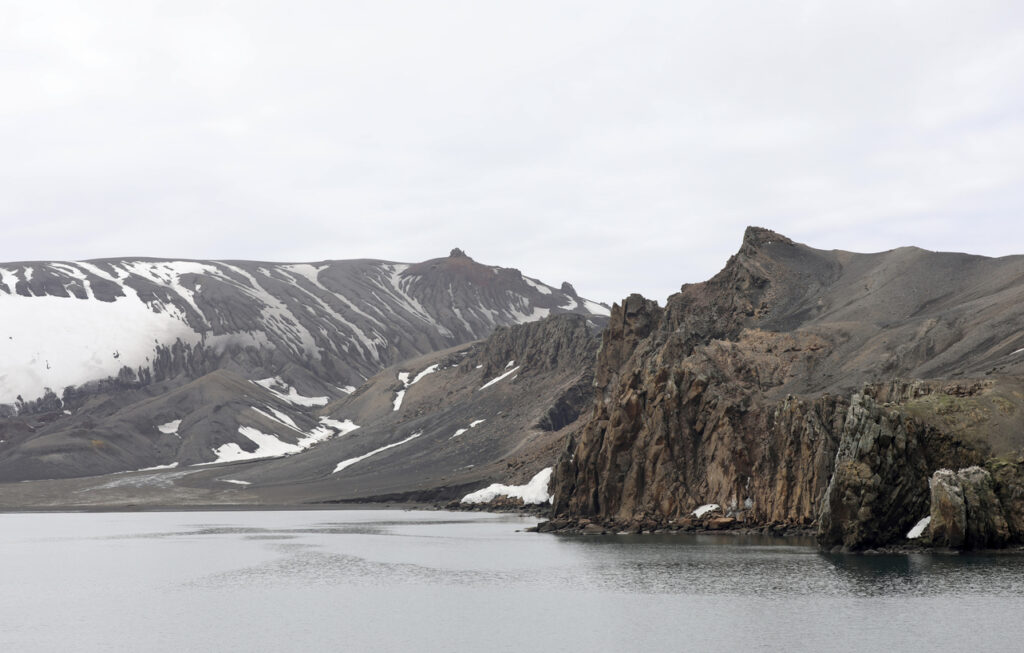
The East Antarctic Plateau is basically a massive frozen desert with no vegetation, no animals and no distinguishing features for hundreds of miles. The ice sheet there is several kilometres thick, with bedrock buried far below under accumulated snow that’s been compressed over hundreds of thousands of years.
The surface is mostly flat with gentle undulations, looking almost identical in every direction. During winter darkness, the only light comes from stars and occasionally the southern lights, casting the whole region in an eerie twilight that reveals nothing but endless white emptiness. It’s possibly the most desolate environment on the planet.
This cold is actually colder than winter on Mars.
Mars’ average winter temperature is around minus 80 °C, which seems brutal until you realise Antarctica beats it handily. The difference is that Mars has almost no atmosphere, so the actual air temperature matters less than you’d think for human survival.
On Earth, the thick atmosphere at these temperatures will freeze you solid very quickly because air conducts heat away from your body efficiently. The coldest place on Earth is genuinely more hostile to human life than large portions of Mars, at least in terms of temperature alone. You’d need similar levels of life support equipment to survive more than minutes in either location.
Climate change hasn’t affected these extreme cold records yet.
While Antarctica is warming overall, particularly around the coasts and the Antarctic Peninsula, the interior plateau remains brutally cold with no significant temperature trend so far. The conditions that create these extreme cold pockets are still occurring regularly during winter months.
However, scientists expect that even this region will eventually warm as global temperatures rise, though it’ll likely be one of the last places on Earth to show clear warming signals. The sheer amount of ice and the elevation mean the plateau is somewhat insulated from rapid temperature changes affecting the rest of the planet.
These temperatures represent Earth’s theoretical cold limit at surface level.
The minus 98 °C measurement is probably close to the absolute coldest the Antarctic surface can possibly get under current atmospheric conditions. To get colder would require even drier air, clearer skies and more stagnant conditions than already occur during the worst cold snaps.
Scientists think temperatures might occasionally dip slightly below the recorded minimum, but not by much because the physics of heat radiation and atmospheric conditions set a practical floor. This means we’ve essentially found Earth’s cold extreme, the furthest the planet can naturally deviate from its average temperature, which makes the East Antarctic Plateau unique among Earth’s environments.