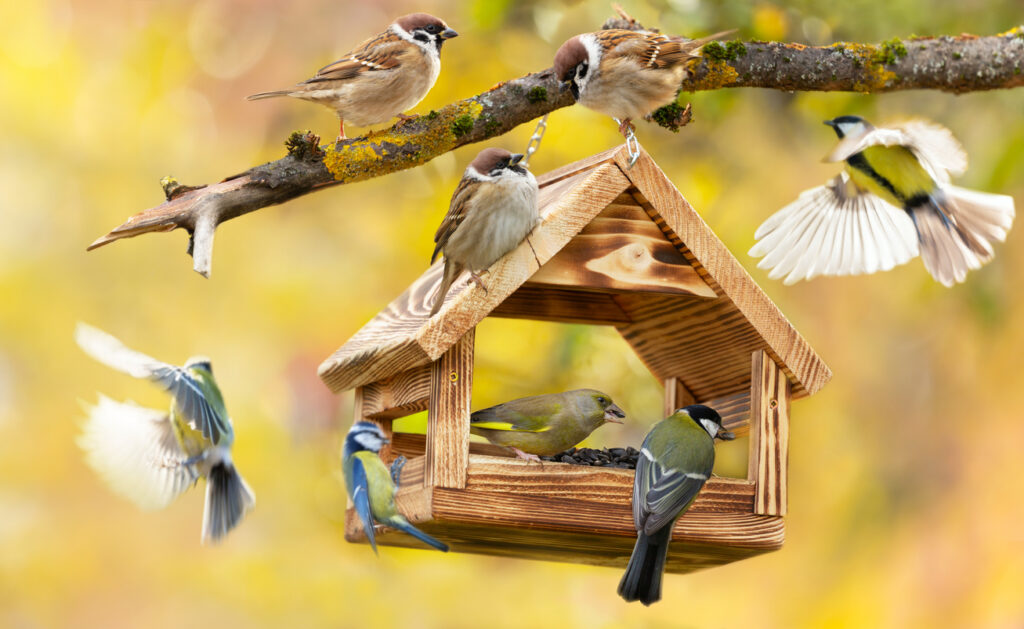
Birds make an incredible variety of sounds, from simple chirps to complex songs, but whether they actually understand each other the way we understand language is more complicated than you’d think. They definitely communicate, but their system works quite differently from human conversation.
Different bird species have their own distinct languages.
A robin can’t understand what a crow is saying any more than you can understand someone speaking Mandarin if you only know English. Each species has developed its own set of calls and songs that carry meaning within their group, but these don’t translate across species boundaries.
The sounds are so different in pitch, rhythm, and structure that they’re essentially separate communication systems. However, birds can sometimes recognise alarm calls from other species even if they don’t understand the specifics because a panicked shriek sounds urgent regardless of who’s making it.
Birds within the same species absolutely understand each other’s basic calls.
When one blackbird spots a cat and makes an alarm call, every other blackbird in the area knows exactly what that means and reacts appropriately. These aren’t just random noises, they’re specific signals that carry consistent meanings within the species.
Some calls mean “predator approaching from above,” others mean “predator on the ground”, and birds respond differently depending on which warning they hear. This shows they’re not just reacting to loud sounds, but actually processing the information contained in different vocalisations.
@corvidresearch Replying to @latricia_ransom TLDR: We know that crows can recognize each other visually but we’re not entirely sure how. Maybe facial structure. Reminder: we know its not UV feather patterns. #CrowTok #Raven #Bird #Scicomm #CorvidResearch #FilterFree ♬ original sound – Kaeli Swift, PhD
Bird songs are more complex than simple alarm calls.
Males of many species sing elaborate songs during breeding season, and these songs convey multiple layers of information at once. The song tells other males “this territory is taken”, whilst simultaneously advertising to females that the singer is healthy, mature and worth considering as a mate.
The complexity and consistency of a song can indicate the bird’s age and experience, so other birds are essentially reading a CV delivered through music. Females can distinguish between a strong, practiced song and a weaker attempt, which shows they’re interpreting quite subtle differences in what they hear.
Young birds have to learn their species’ songs.
Most songbirds aren’t born knowing how to sing properly, they have to learn it by listening to adults during a critical period when they’re young. If a bird grows up without hearing its species’ song, it’ll produce something garbled and incorrect that other birds won’t recognise or respond to properly.
That learning process proves that bird communication isn’t purely instinctive, there’s a cultural transmission element where knowledge passes from one generation to the next. Regional dialects even develop, so sparrows in one area might have slight variations in their songs compared to sparrows fifty miles away.
Context matters enormously in bird communication.
The same call can mean different things depending on when and where it’s used. A soft chirp during nest-building means something different from the same chirp during feeding time. Birds pay attention to what’s happening around them when interpreting sounds from others, combining the vocalisation with visual cues and their current situation. They’re not just following a simple sound-equals-meaning formula, they’re processing context to understand what another bird is actually communicating in that specific moment.
Some birds can mimic sounds without understanding them.
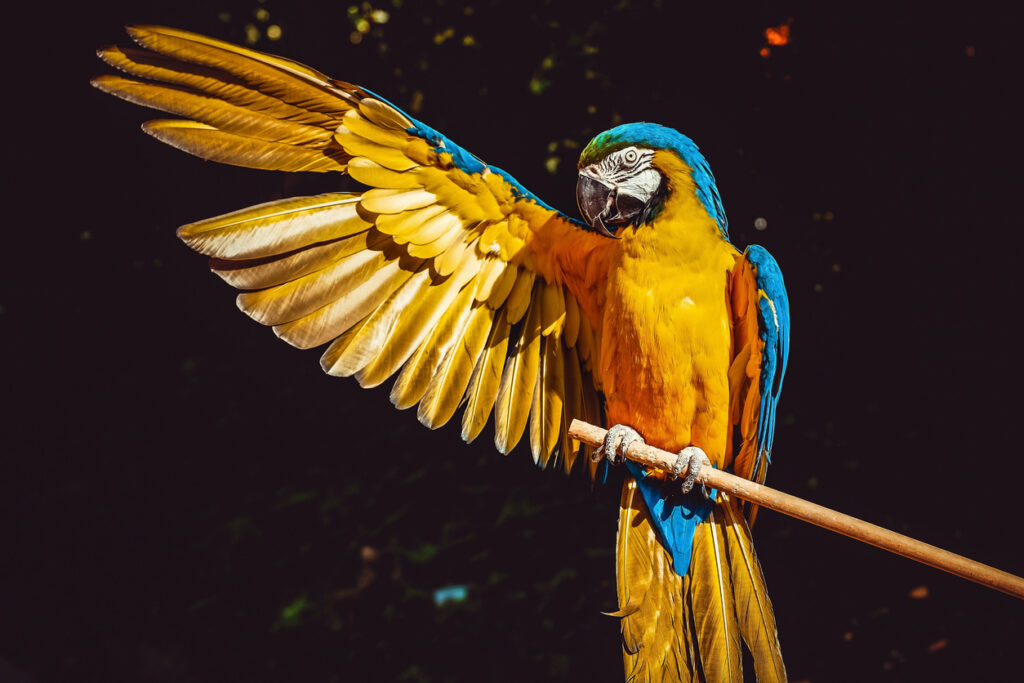
Parrots, mynahs, and lyrebirds can copy human speech, car alarms and other birds’ songs with remarkable accuracy, but that doesn’t mean they comprehend what they’re saying. They’re incredibly skilled at reproducing sounds, yet the mimicry is more about social bonding, territorial display or simple entertainment than actual communication of ideas.
A parrot saying “hello” isn’t greeting you in the way you’d greet someone, it’s learned that making that sound gets a reaction. However, parrots can learn to associate certain words with outcomes, which suggests they’re capable of some level of understanding even if it’s not the same as language comprehension.
Birds use body language alongside vocalisations.
Communication isn’t just about the sounds birds make, it’s also about how they move and position themselves. A puffed-up chest, raised crest feathers or specific head movements all add meaning to whatever sounds are being produced. Other birds read these visual signals alongside the audio ones to get the complete message. When you see two birds interacting, they’re having a multichannel conversation where movement and sound combine to create meaning that neither element would convey alone.
@topwildanimals77 #foryouu #animalsworld #animals #wild #wildanimals #trendingtiktok #animalworld #viralvideo #wolf ♬ original sound – Top_WildAnimals
Flock coordination shows sophisticated understanding.
When a flock of starlings or geese moves together in coordinated patterns, they’re responding to signals from each other that we can barely perceive. These movements require birds to understand subtle cues about direction, speed, and urgency from other flock members.
The level of coordination suggests they’re not just blindly following, but actually processing information from multiple individuals simultaneously and adjusting their behaviour accordingly. This collective decision-making shows communication happening on a level that goes beyond simple call-and-response.
Parent birds and chicks have specific communication systems.
Baby birds make begging calls that tell parents they’re hungry, and the intensity of these calls communicates how desperately they need food. Parents can recognise their own chicks’ calls among dozens of others and respond specifically to their offspring.
The chicks, in turn, learn to recognise their parents’ calls and respond to them rather than to other adult birds. This personalised communication system develops quickly and shows that birds can distinguish between individuals, not just between species or types of calls.
Birds probably don’t have conversations the way humans do.
While birds clearly understand each other’s signals and respond appropriately, they’re not having philosophical discussions or exchanging complex ideas through their vocalisations. Their communication is more immediate and functional, focused on survival, reproduction and social coordination rather than abstract thought.
That doesn’t make it less impressive, it’s just a different system that’s evolved to meet their specific needs. They’re brilliant at conveying essential information quickly and accurately, which is exactly what they need to thrive in their environments, even if it’s not the same as sitting down for a chat about their feelings.