While most wildlife documentaries focus on the “nature’s majesty” side of things, some animals are just high-grade menaces that will go for you simply because you’ve entered their line of sight.
It’s not always about hunger or defending a nest; certain creatures seem to operate on a hair-trigger of pure spite, viewing any living thing in their vicinity as a target for a quick nip or a full-on chomp. Whether it’s a territorial bird that’s decided a public park is its personal kingdom or a small mammal with a serious Napoleon complex, these animals don’t need a formal invitation to start a scrap.
You can be minding your own business, miles away from doing anything threatening, and still end up on the receiving end of a bite just because the creature in question had the opportunity and the inclination. Luckily, knowing which animals are prone to these random acts of aggression is the best way to make sure your next walk in the country doesn’t end with a trip to A&E and a very embarrassing story.
1. Geese will attack without warning or provocation.
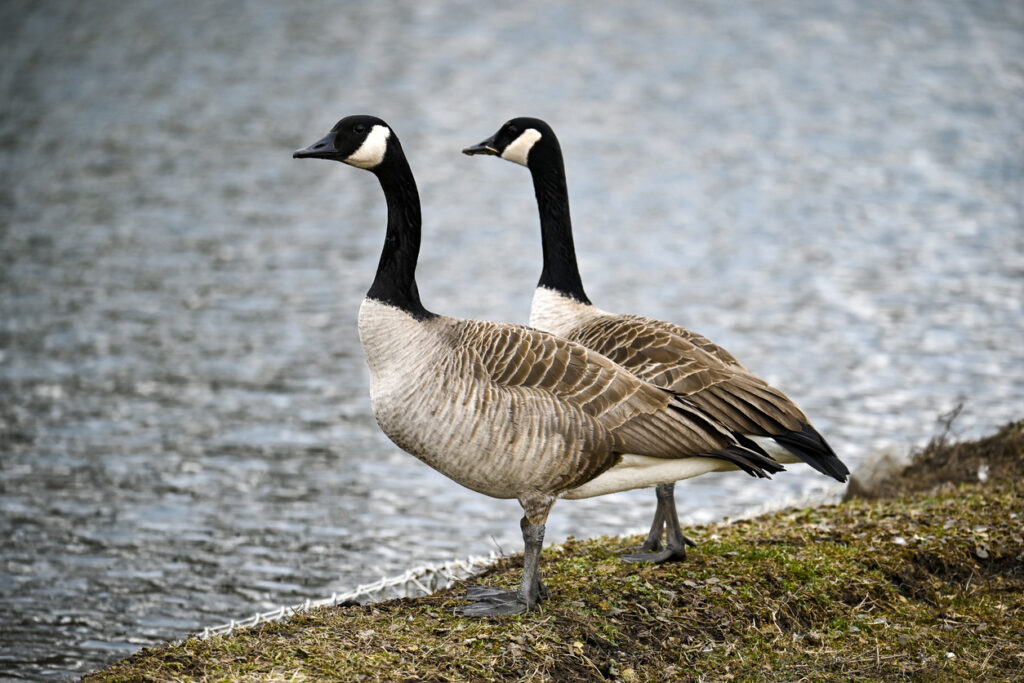
These birds are notorious for their aggression, particularly during nesting season, when they’ll chase and bite anyone who comes near their territory. They don’t need a reason beyond your presence to decide you’re a threat worth attacking. Geese have serrated beaks that can pinch hard enough to bruise, and they’ll go for your legs, arms, or whatever they can reach. Their territorial instincts are so strong that they’ll attack people who are just walking past, minding their own business.
2. Moray eels bite first and ask questions never.
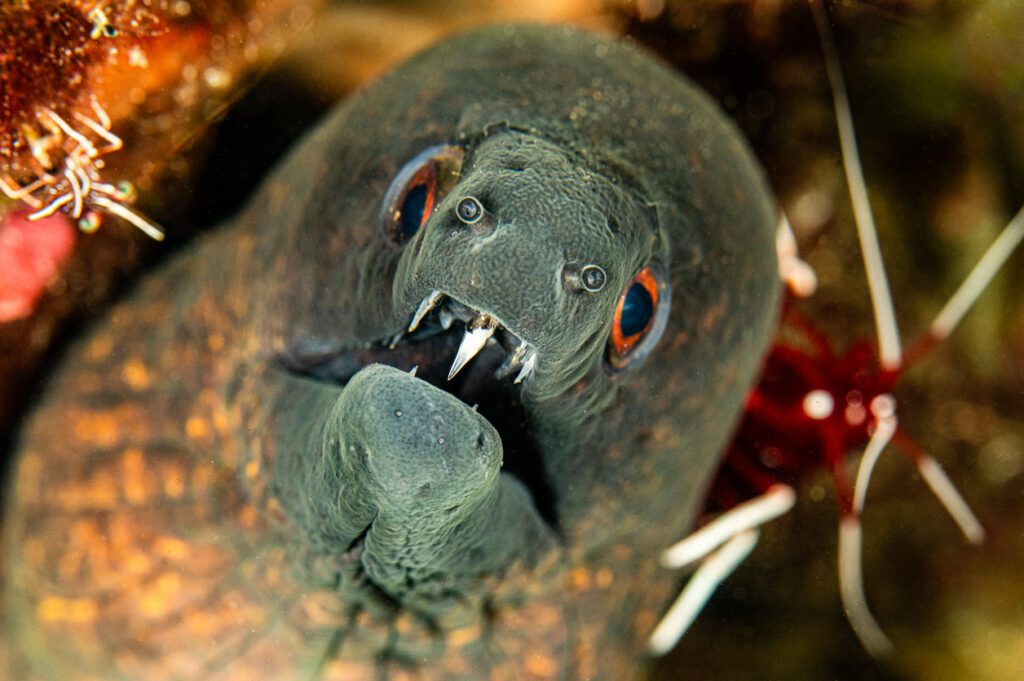
These ambush predators hide in crevices with their mouths open, showing rows of sharp teeth, and they’ll bite anything that gets too close. Divers who stick their hands into holes looking for lobsters often discover moray eels the painful way. The eels have poor eyesight and rely on smell, so they sometimes mistake fingers for food and clamp down with incredible jaw strength. Once they bite, they don’t let go easily, and their backward-facing teeth make extraction extremely difficult and damaging.
3. Camels hold grudges and will bite when they feel like it.
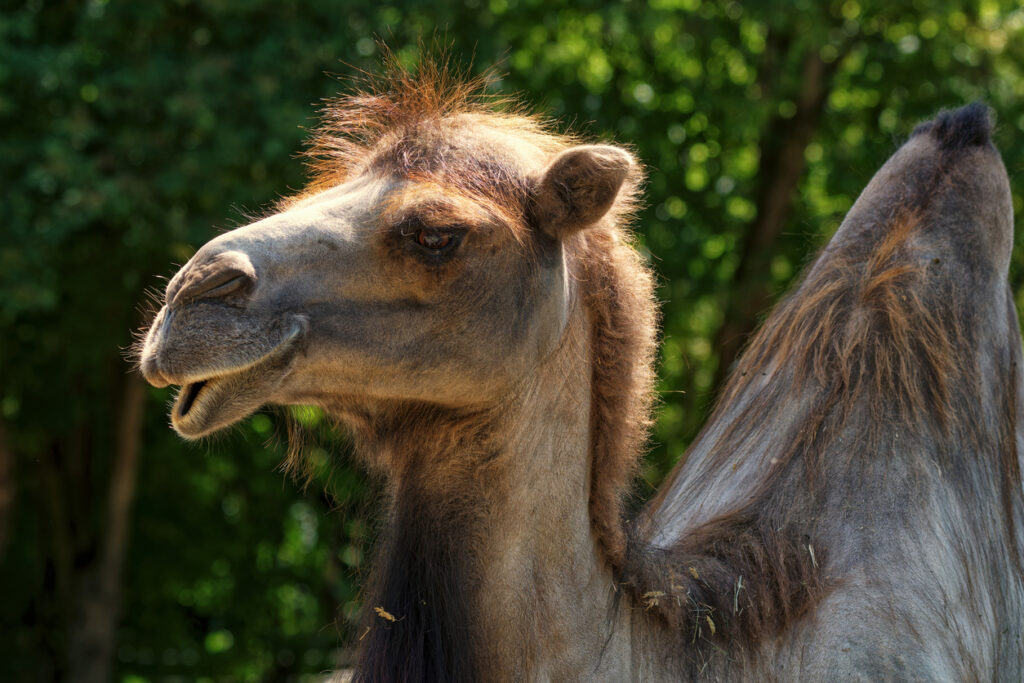
These animals have excellent memories and will remember people who’ve wronged them, waiting for opportunities to exact revenge through biting. Even camels that haven’t been mistreated can be moody and unpredictable, biting handlers without obvious triggers. Their bite is powerful enough to cause serious injury, and they’ll aim for arms, shoulders, or heads depending on what’s accessible. Male camels during breeding season become particularly aggressive and dangerous, biting anyone within reach regardless of familiarity or intent.
4. Honey badgers are famously aggressive and will bite anything.
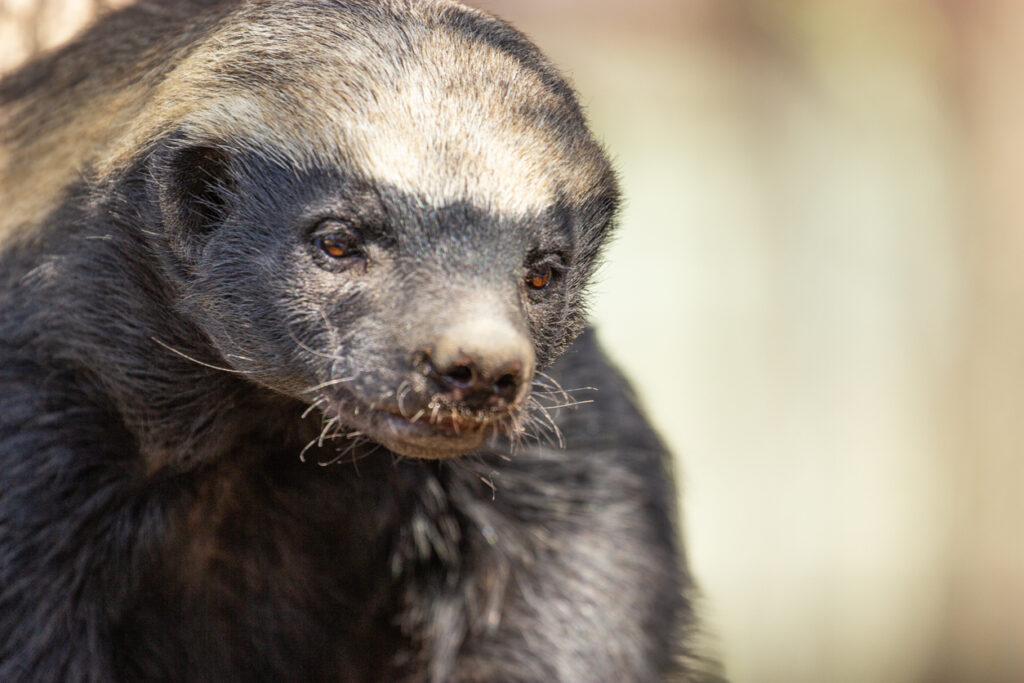
These small carnivores have earned their fearsome reputation by attacking animals much larger than themselves without hesitation. They don’t bite defensively, they bite offensively, going after potential threats before those threats even realise the badger exists. Their loose skin means that even if something grabs them, they can twist around and bite their attacker. Honey badgers have incredibly strong jaws relative to their size, and they’ll bite and hold on while clawing simultaneously.
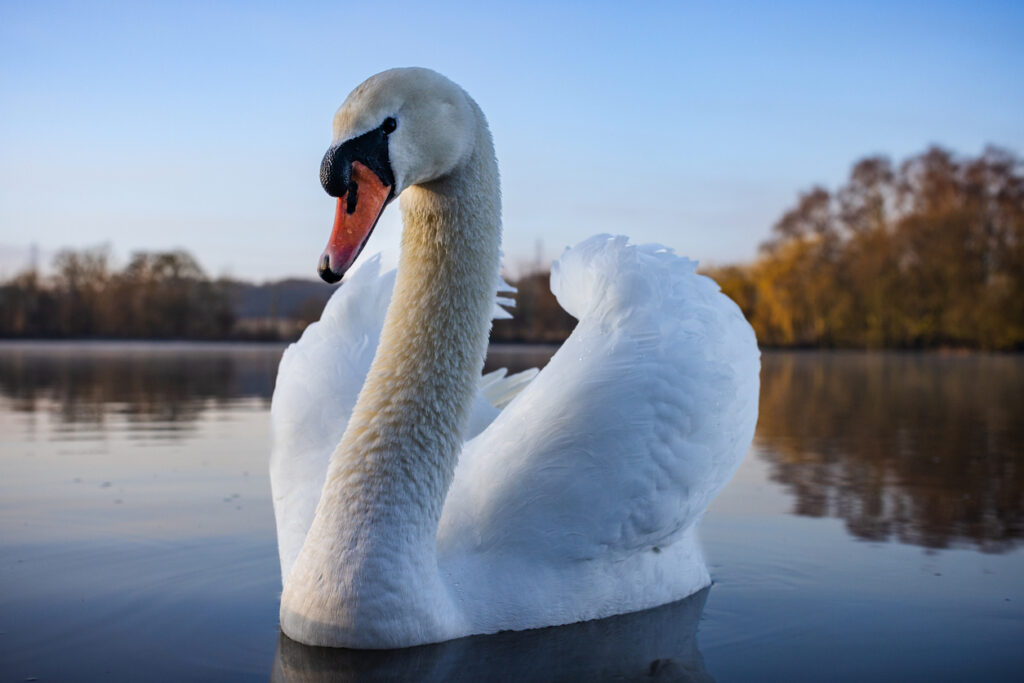
5. Swans are beautiful but absolutely vicious when annoyed.
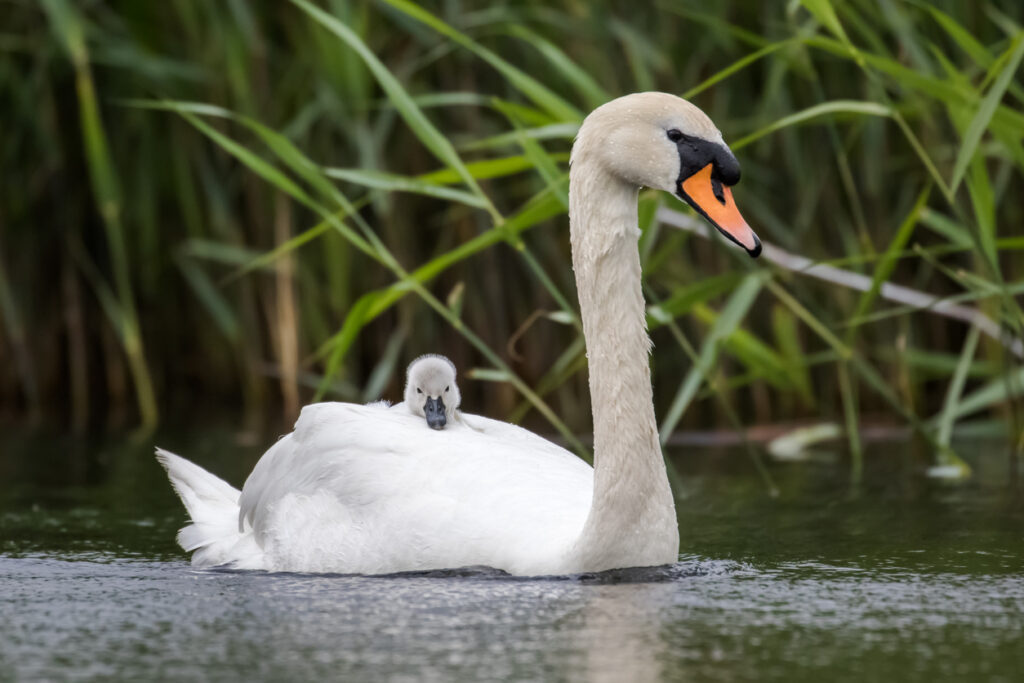
People assume swans are gentle because they look elegant, but these birds are powerful and aggressive with zero tolerance for perceived intrusions. They’ll bite people feeding them, people photographing them, or people who are simply existing near water they’ve claimed as their territory. A swan’s bite combined with wing strikes can break bones, and they’ll chase people considerable distances to deliver these attacks. Their aggression isn’t limited to nesting season either, some swans are just perpetually hostile.
6. Wolverines punch well above their weight class with aggression.
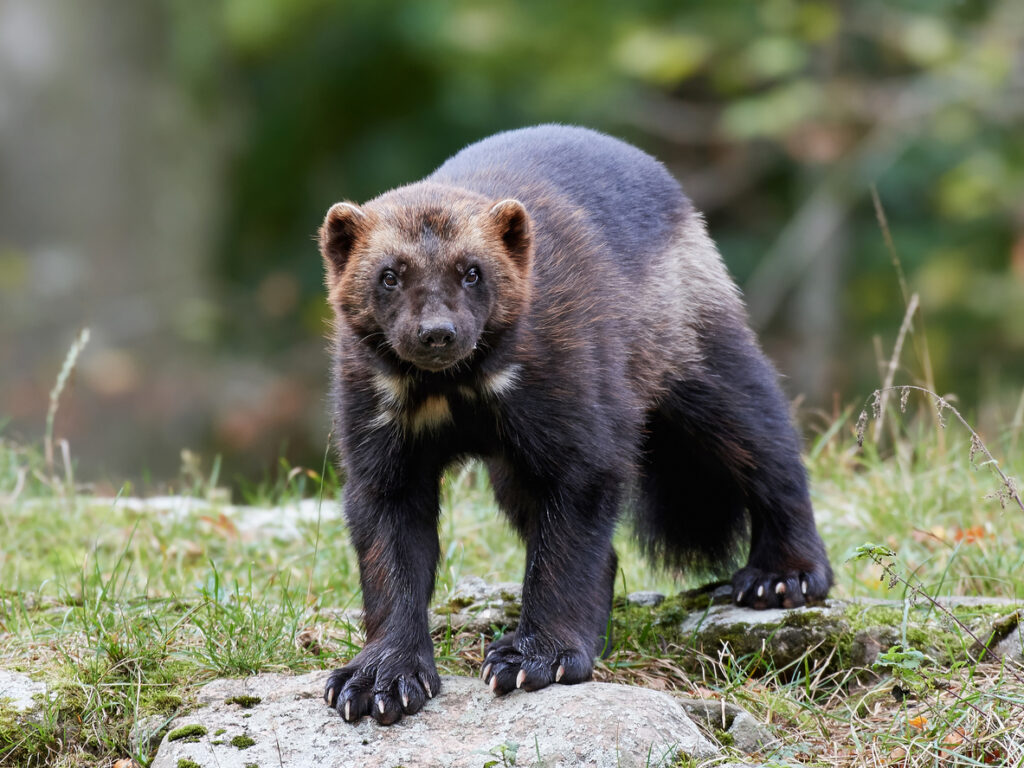
These muscular members of the weasel family will attack bears, wolves, and humans with equal enthusiasm when they feel threatened or territorial. Wolverines don’t back down from confrontations and their bite force is disproportionately strong for their size. They have a reputation in northern regions for being absolutely fearless and unreasonably aggressive. Getting between a wolverine and its food cache is asking for a mauling that includes vicious biting alongside scratching and general fury.
7. Snapping turtles live up to their name enthusiastically.
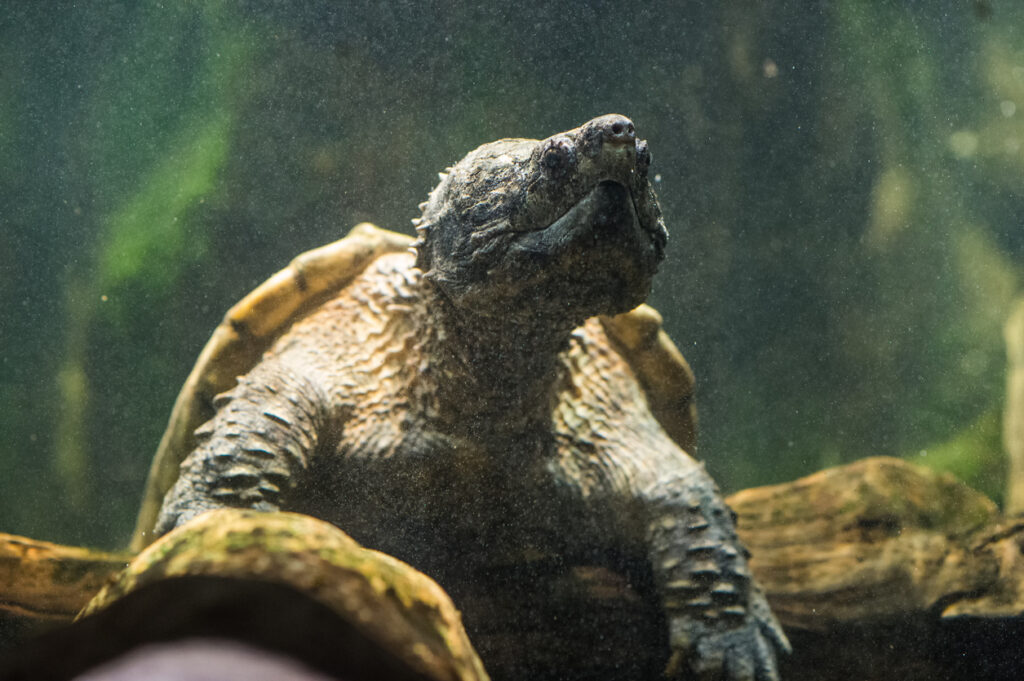
These turtles don’t retreat into their shells when threatened, they lunge forward and bite with powerful jaws that can easily remove fingers. They’re defensive rather than aggressive but their definition of threatening behaviour includes basically anything within striking distance. Snapping turtles have surprising reach when they extend their necks, catching people off guard who thought they were safely out of range. The bite is lightning fast and incredibly strong, capable of causing serious damage before you even register what’s happening.
8. Tasmanian devils are appropriately named for their temperament.
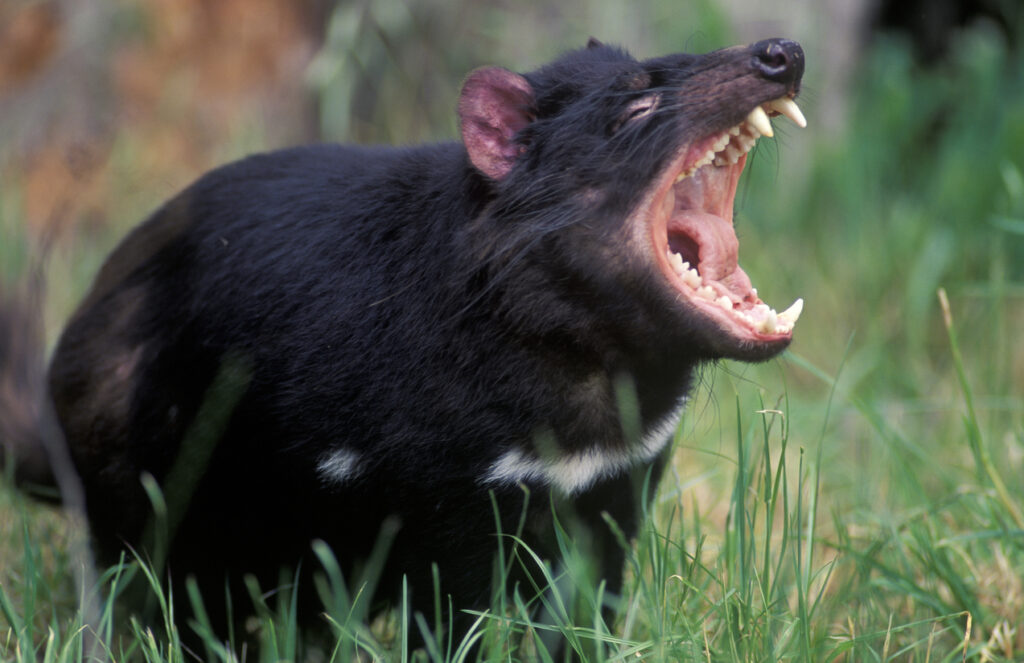
These Australian marsupials have the strongest bite relative to body size of any living mammal, and they’re not shy about using it. They’ll bite each other during feeding frenzies over carcasses, and they’ll absolutely bite humans who get too close. The sound they make while biting is genuinely unsettling, earning them their devilish name from early European settlers. Their jaws can crush bones, and their aggressive feeding behaviour means they’re in a perpetual state of readiness to bite whatever’s nearby.
9. Cassowaries will kick and bite when feeling remotely threatened.
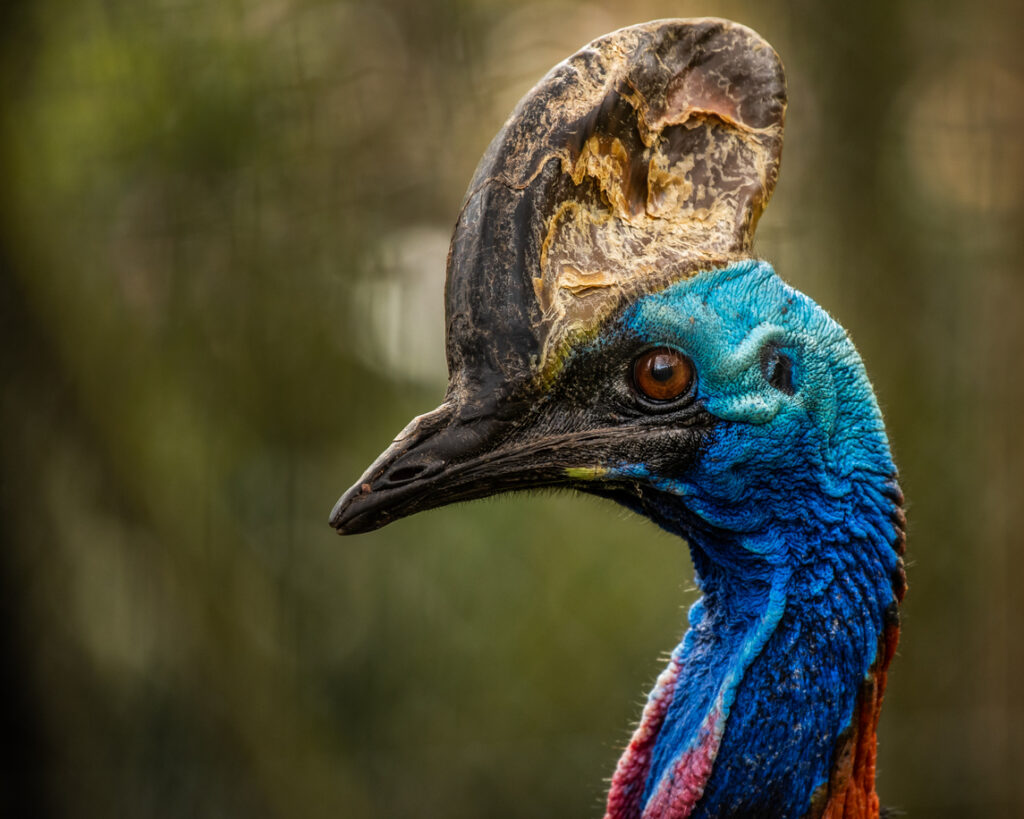
While their kicks with dagger-like claws are most famous, cassowaries also have strong beaks they’ll use to bite and batter anything they perceive as a threat. These large flightless birds are extremely territorial, and they consider humans in their territory as automatic threats worth attacking. They don’t give warning displays or chances to retreat, they just attack with whatever weapons are most convenient. The combination of kicks, pecks, and bites makes them one of the most dangerous birds in the world.
10. Hippos are responsible for more human deaths in Africa than most predators.
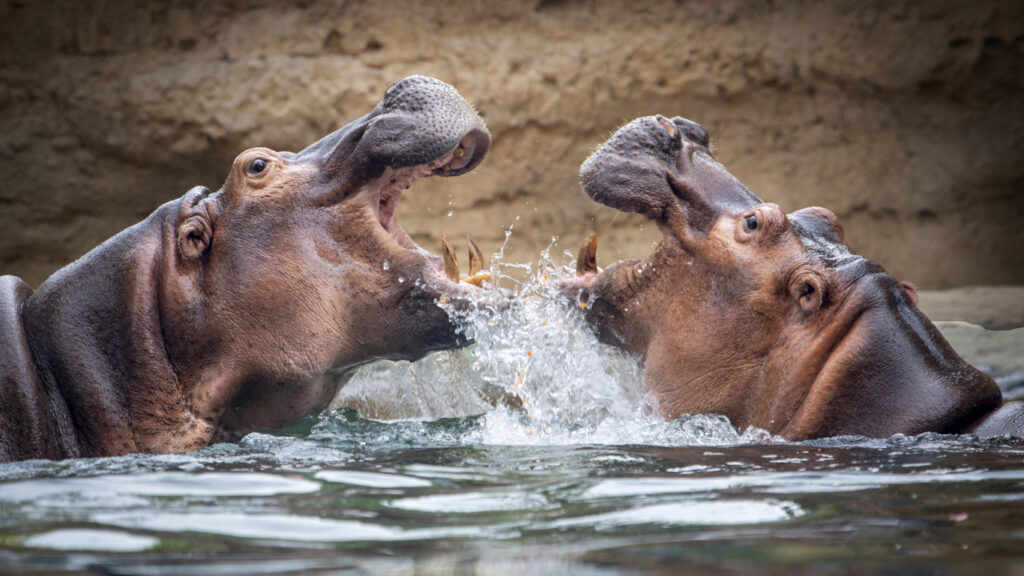
These massive herbivores are incredibly territorial and aggressive, with enormous tusks they’ll use to bite anything that enters their space. They’ll attack boats, people, and other animals with shocking speed despite their bulk. Hippos view humans as threats rather than potential meals, but that doesn’t make their bites any less deadly. Their jaw strength can bite a crocodile in half, so human bodies stand no chance against the crushing force they deliver.
11. Shrews are tiny but absolutely savage.
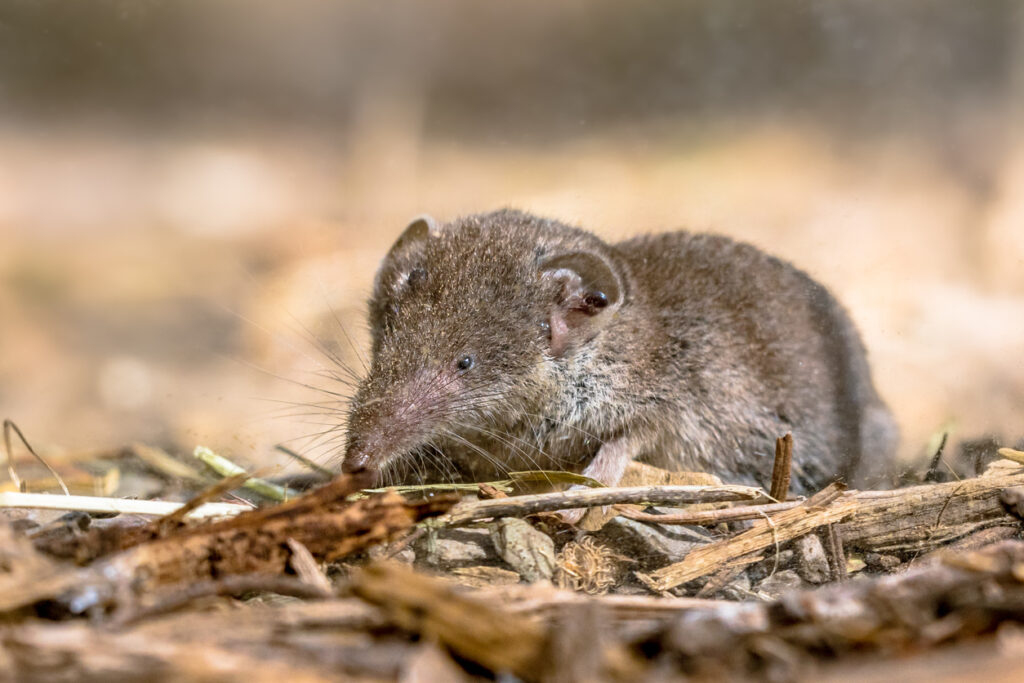
These small mammals have venomous saliva and aggressive temperaments that make them disproportionately dangerous for their size. They’ll bite handlers, other shrews, and anything else within reach because they have incredibly fast metabolisms requiring constant eating. Shrews are so aggressive, they often die from stress if they don’t eat frequently enough. The venom in their bite isn’t deadly to humans, but it causes intense pain and swelling.
12. Wild boars charge and bite with tusks that cause devastating injuries.
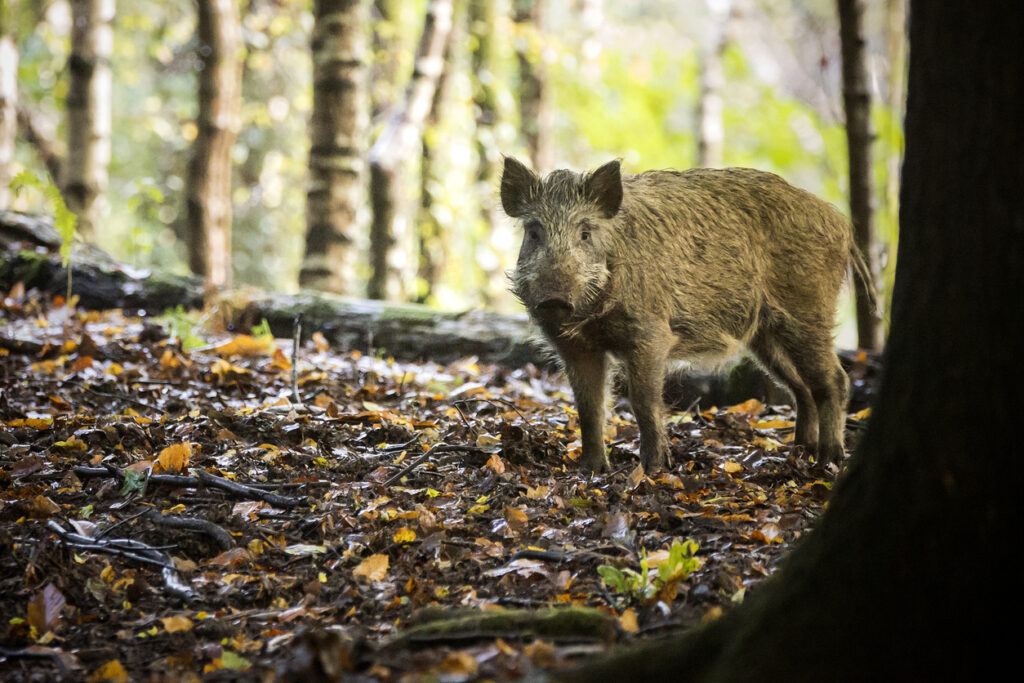
These animals are unpredictable and will attack without clear provocation, using their sharp tusks to gore and bite simultaneously. They’re particularly dangerous because they’re common in many regions where people don’t expect aggressive wildlife. Boars will defend territory, young, or food sources by charging and biting anything nearby. The tusks can cause deep lacerations, and their bite force is strong enough to crush bones while they shake their heads violently.
13. Leopard seals are apex predators with no fear of humans.
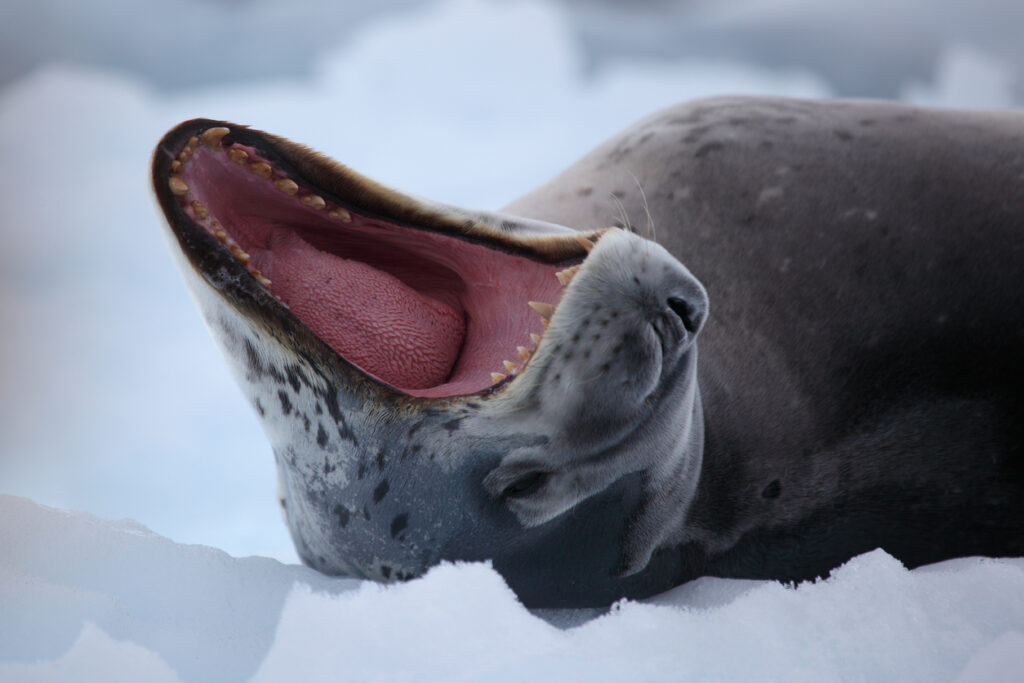
These Antarctic seals have attacked divers, bitten through kayaks, and shown predatory interest in humans entering the water. They’re used to being top predators with no natural enemies, so they don’t see humans as threats worth avoiding. Their bites are devastatingly powerful, designed to tear apart penguins and other seals. Scientists and photographers working near leopard seals have been stalked and attacked, with the seals displaying hunting behaviour rather than defensive aggression.