Shinrin-yoku, or forest bathing, is basically just a fancy way of saying you should head into the woods and actually pay attention to what’s around you for once.
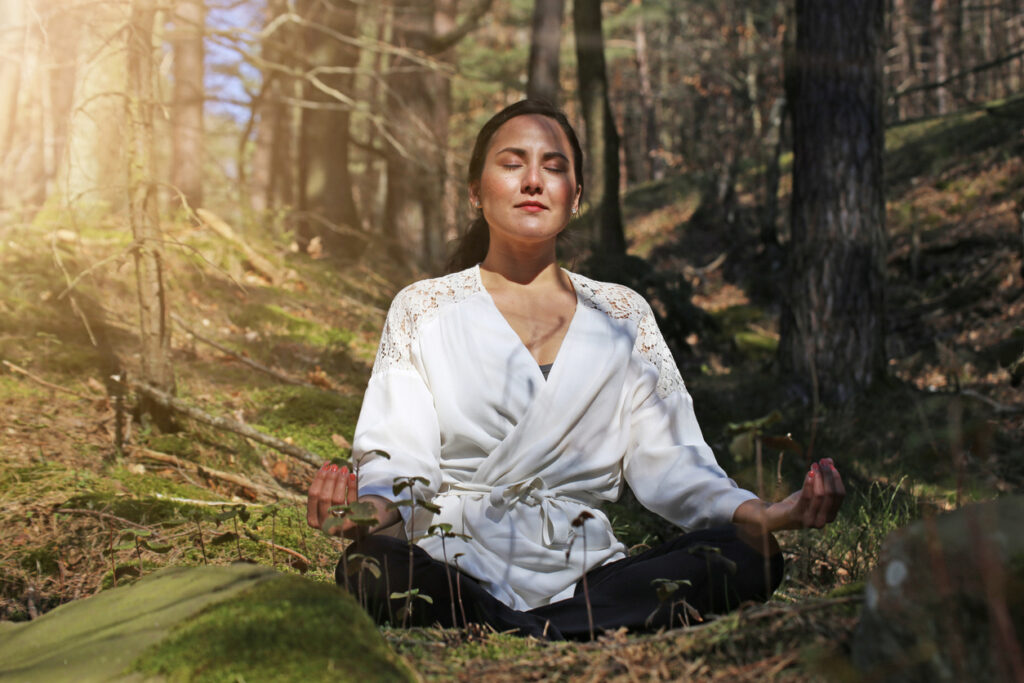
There’s no power-walking through the trees or trying to hit a step goal; it’s about slowing down enough to let your senses take over from the constant noise in your head. The idea is that by switching off your phone and just existing in a natural space, you can lower your blood pressure and clear out the mental fog that comes from being glued to a desk all week.
It sounds a bit airy-fairy to some, but there is real science behind how the phytoncides released by trees can give your immune system a decent boost and drop your stress levels significantly. It’s one of the easiest ways to hit the reset button on your nervous system without needing any special kit or a gym membership, and once you start doing it properly, you’ll realize how much your brain has been craving that bit of quiet.
Think of it as slowing down outdoors, not exercising outdoors.
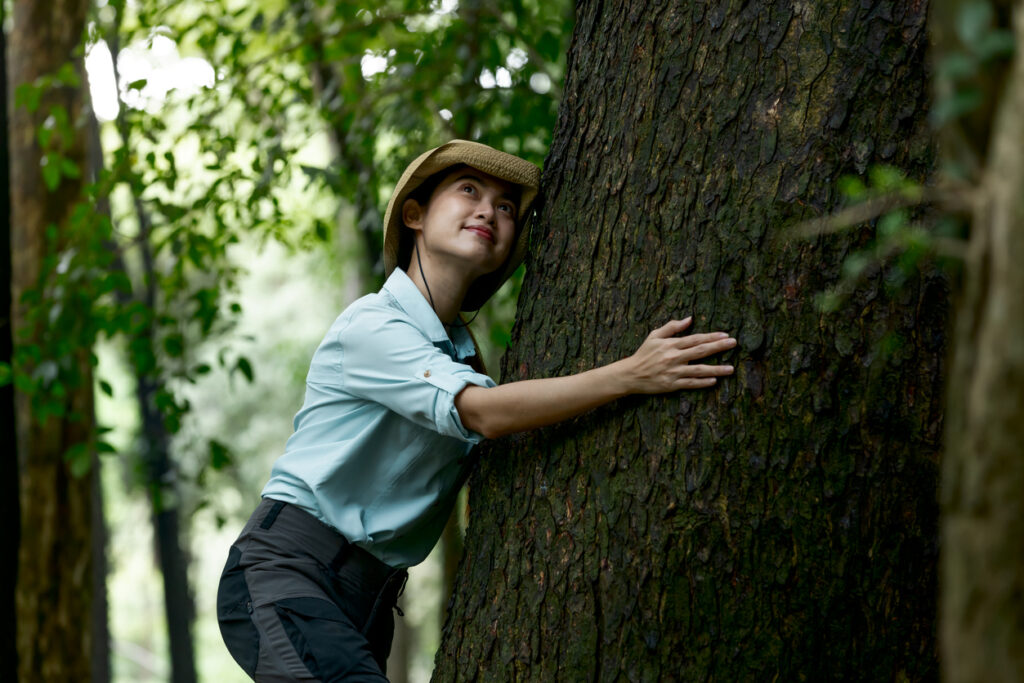
The biggest difference with Shinrin-yoku is the pace. This isn’t the kind of walk where you’re checking your watch, overtaking people, or trying to make it up the hill without stopping. It’s more like wandering, the way you would as a kid, where you naturally pause because something catches your eye. If you treat it like a workout, you miss the whole point because your body stays in that rushed mode.
Try giving yourself permission to move slowly from the start, even if it feels strange at first. If you’re used to being productive all the time, your brain might keep trying to turn it into a task. When you notice that, just soften it and remind yourself you’re here to feel better, not to achieve something. The calm kicks in more easily when you stop trying to force it.
Pick a spot where you won’t feel watched or hurried.
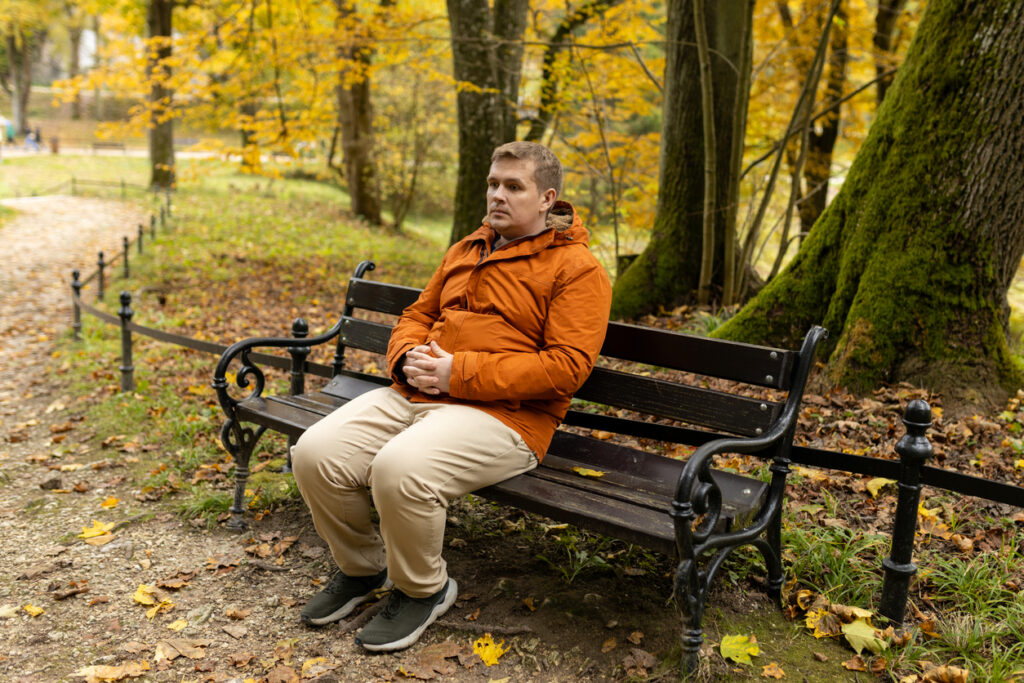
You don’t need a massive forest, but you do need somewhere you can relax. If you pick a place that’s full of cyclists, loud families, or heavy traffic noise, it can be harder to settle into that slower rhythm. A quieter park, woodland trail, nature reserve, or even a tucked-away path near your area works better. Somewhere you don’t feel like you’re in the way.
It also helps if the place feels safe and comfortable for you because your nervous system won’t unwind if you’re on edge. If you’re not sure where to go, start with somewhere familiar and just take a different route than usual. Over time, you’ll find your own little spots that feel calming the moment you arrive, like your brain knows it can unclench there.
Leave your phone alone as much as you can.

You don’t have to throw your phone into a lake, but you do want to stop feeding your brain constant noise. If you’re scrolling while walking, replying to messages, or checking social media, you’re not really in the woods, you’re just carrying the internet with you. Shinrin-yoku works best when your attention isn’t split a hundred different ways.
A simple trick is putting your phone on silent and keeping it in your pocket, only using it if you need it for safety. If you want to take photos, take a couple, then put it away again. You’re trying to create a little gap where your brain can breathe properly, and that’s hard to do if you’re still mentally “on call” the whole time.
Use your senses like you’re checking in with the world again.
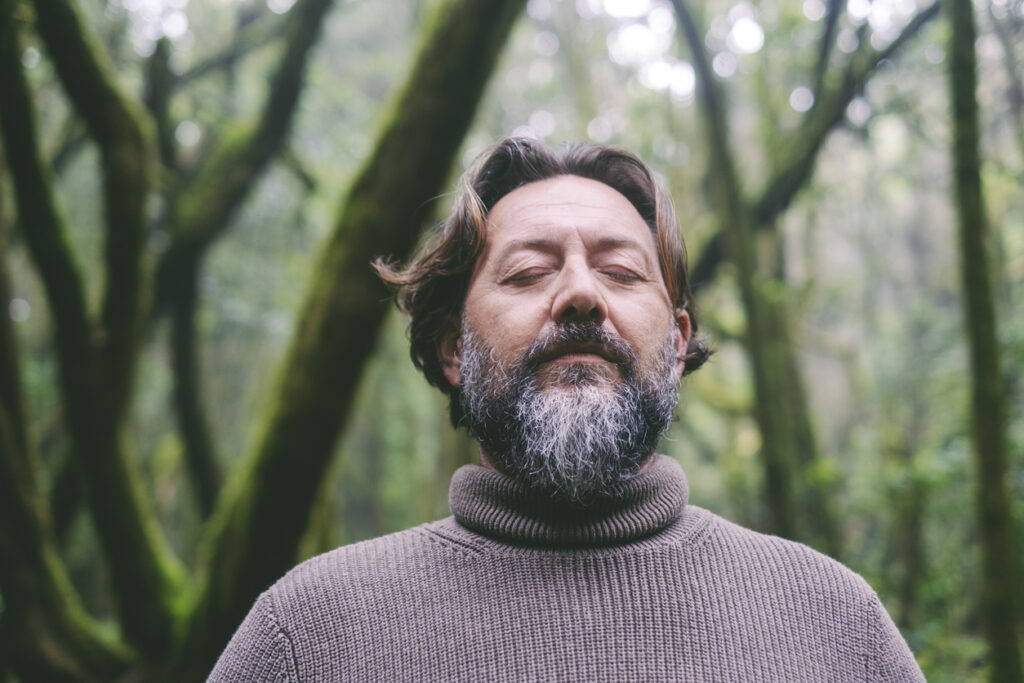
This is where Shinrin-yoku starts to feel different from a normal walk. You’re not just moving through nature, you’re actually noticing it. Look at the shapes of leaves, the way light hits the ground, the texture of bark, the tiny movement in branches. Listen for birds, wind, distant water, even the soft crunch of your shoes. It’s grounding in a very basic, human way.
Smell is a big one too because forests smell alive. Damp earth, pine, moss, wild garlic in spring, warm grass in summer, that autumn smell that feels like it gets in your chest. The more you take it in, the more your mind stops spinning. It’s like your brain switches channel, away from thoughts and into real life.
Don’t rush to fill the silence with talking.

If you go with someone, it can help, but it can also turn into a normal chatty walk. Shinrin-yoku is meant to be quieter than that. It’s not about deep conversations or venting, it’s about letting the surroundings do some of the work. Silence can feel awkward if you’re not used to it, but it’s part of what makes your brain slow down.
You can still talk a bit, but try leaving long pauses where you both just look around or listen. If you go alone, even better because you’re not performing for anyone. You’re just there, existing, and that alone is a weirdly rare experience these days. It can be the first time all week you’ve been in your own company without distraction.
Give yourself a time window instead of a distance goal.

One of the easiest ways to ruin it is turning it into a target. If you say you have to do five kilometres, you’ll end up watching the clock and thinking about finishing. Instead, pick a time window like 20 minutes, 45 minutes, or an hour, and let yourself wander without a strict endpoint. It keeps the focus on how you feel, not how far you’ve gone.
If you naturally want to sit down halfway through, do it. If you want to stop and stare at a tree like you’re in a documentary, do it. The whole point is to be present enough that your body starts settling. That doesn’t happen when you’re treating nature like another thing to complete and tick off.
Let your mind wander, but keep coming back to what’s around you.

Your thoughts will still show up because you’re human, and your brain loves a little spiral. You might think about work, relationships, money, that awkward thing you said three years ago, all the usual. Shinrin-yoku isn’t about having an empty mind, it’s about not getting dragged around by your thoughts for the whole walk. You gently return to the outside world each time you notice you’ve drifted.
A good way to do it is to attach your attention to something simple, like the sound of your footsteps, the movement of branches, or your breathing. Not in a forced meditation way, just in a steady way. It’s like reminding yourself you’re here, in a real place, not stuck inside your head. Over time, it becomes easier, and you start to feel calmer without even trying.
Stop and sit somewhere like you’ve got nowhere else to be.

This feels small, but it’s a big part of why Shinrin-yoku works. Sitting still outside changes the whole experience. You notice more, you relax faster, and your body stops treating it like an activity you have to push through. Pick a spot that feels good, a bench, a fallen log, a patch of grass, and just sit for a while.
At first, you might feel restless, like you should be doing something, but that passes. You start hearing things you didn’t notice while walking, like birds calling back and forth or leaves shifting high up. Your heart rate drops, your shoulders lower, your jaw unclenches. It’s such a basic human thing, just being outdoors without rushing, but most people barely ever do it anymore.
Do it regularly enough that your body starts recognising the feeling.
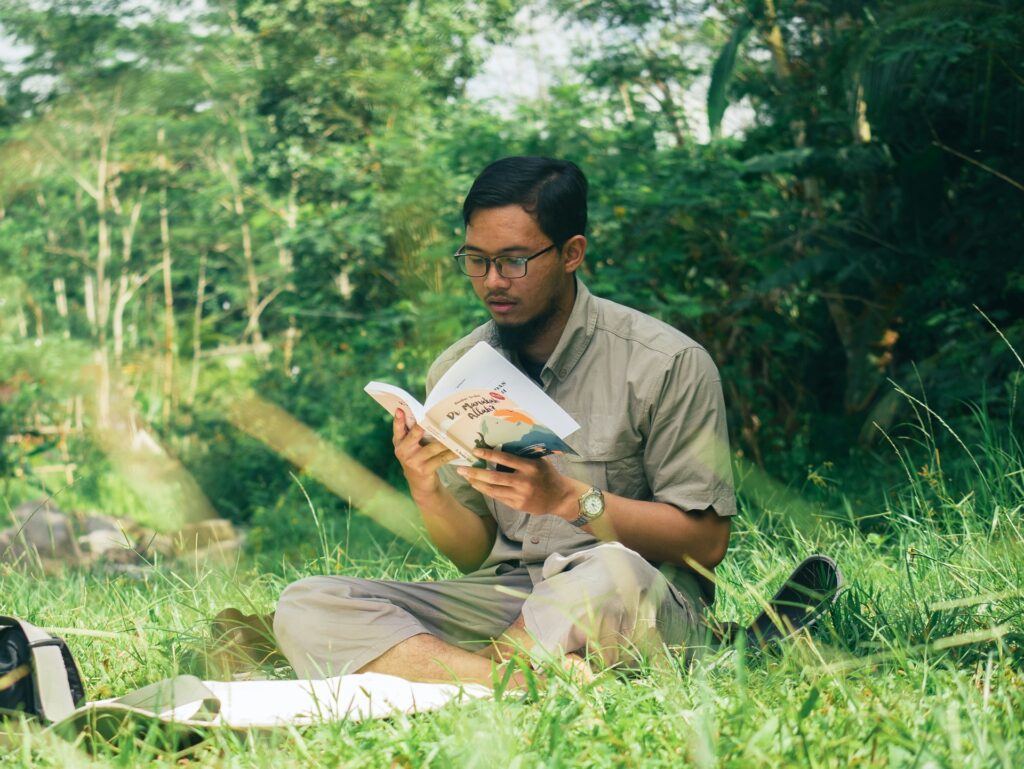
You don’t need to make it a massive ritual, but doing it once in a blue moon won’t have the same impact. Even a short, slow walk in a green space once or twice a week can make your stress levels feel more manageable. Your body starts to associate those places with calm, and you start relaxing faster when you arrive.
It also becomes something you can lean on when life feels heavy. Instead of doom-scrolling or sitting inside feeling worse, you’ve got a simple reset button that doesn’t cost money. You don’t have to be an outdoorsy person to benefit from it. You just have to be someone with a nervous system, which is basically all of us.
The reason it works is that nature pulls your brain out of survival mode.
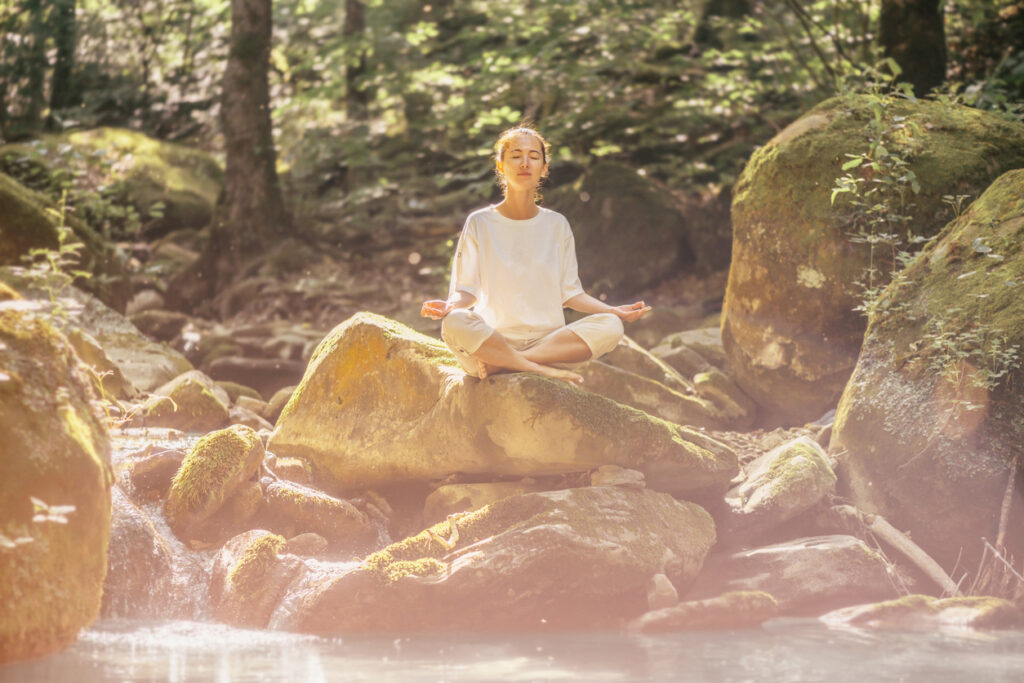
A lot of modern stress comes from being constantly switched on. Notifications, noise, screens, pressure, expectations, it keeps your body in a low-level fight-or-flight state even when nothing is technically “wrong.” Shinrin-yoku interrupts that. Nature is slower, softer, and more rhythmic, and your nervous system responds to it without you needing to force anything.
It’s also a reminder that life is bigger than your to-do list. Being around trees and sky and birds doesn’t solve every problem, but it makes everything feel less claustrophobic. You come back feeling more like yourself, even if you can’t explain why. That’s the point, it’s not magic, it’s just your body finally getting a proper break.