
Green space in the UK rarely disappears in one big, dramatic moment. It goes bit by bit, field by field, verge by verge, until you look up and realise the places that used to soak up rain, cool the air, and give people breathing room are getting replaced with hard surfaces and fences. That’s dangerous in ways we’re already starting to feel.
Building on fields becomes the default option.
When housing pressure is high, the easiest land to develop is often the open stuff on the edge of towns, so meadows, hedgerows, and rough scrub get swapped for roofs, roads, and patios. That doesn’t just hit wildlife, it changes how the land works because fields soak up rain and slow run-off, while hard surfaces push water straight into drains and flood-prone streets. It also makes hot days feel hotter due to brick and tarmac holding heat.
Small green corners get chipped away by planning creep.
It’s not always big estates, it’s the drip of smaller approvals: car parks on grass, access roads widened, storage yards, infill builds, and so-called temporary works that never go away. Each one looks minor, but together they hollow out neighbourhoods, especially places that didn’t have much green to start with. You lose the last patch kids kick a ball on, the last bit of shade, and the last nice walking route that doesn’t feel like a slog.
@danicapriestThis report was hidden by the government because it’s inconvenient for their property developer donars♬ original sound – Danica Priest
Green belt land gets treated like spare land.
The green belt is talked about like space, but it’s a mix of farms, woodland, wetlands, footpaths, and those scruffy edges that act as a buffer around built-up areas. When bits are carved off, the bigger issue isn’t only the acreage number, it’s what gets lost locally and how the remaining areas get chopped up. Fragmented green space is worse for wildlife and less useful for people because it’s noisier, harder to reach on foot, and cut through by roads.
Road schemes slice habitats into pieces.
New roads and widening projects don’t just take the land under the tarmac, they create a wider barrier of noise, light, and pollution that stops animals moving through their usual routes. Smaller creatures like hedgehogs, amphibians, and insects struggle to cross, which weakens populations and makes local extinctions more likely. For people, busy roads also make walking and cycling less pleasant, which nudges communities towards driving even short journeys.
Rivers and floodplains get squeezed until they can’t cope.
Building close to rivers and on land that naturally wants to flood can look fine in average weather, then turn nasty when heavy rain hits. Floodplains exist because water needs room to spread out safely, and when that space is reduced, the problem often gets pushed into streets and homes downstream. Even smaller changes like culverting streams and paving over absorbent ground make floods sharper and more frequent.
Tree cover drops in the places that need it most.
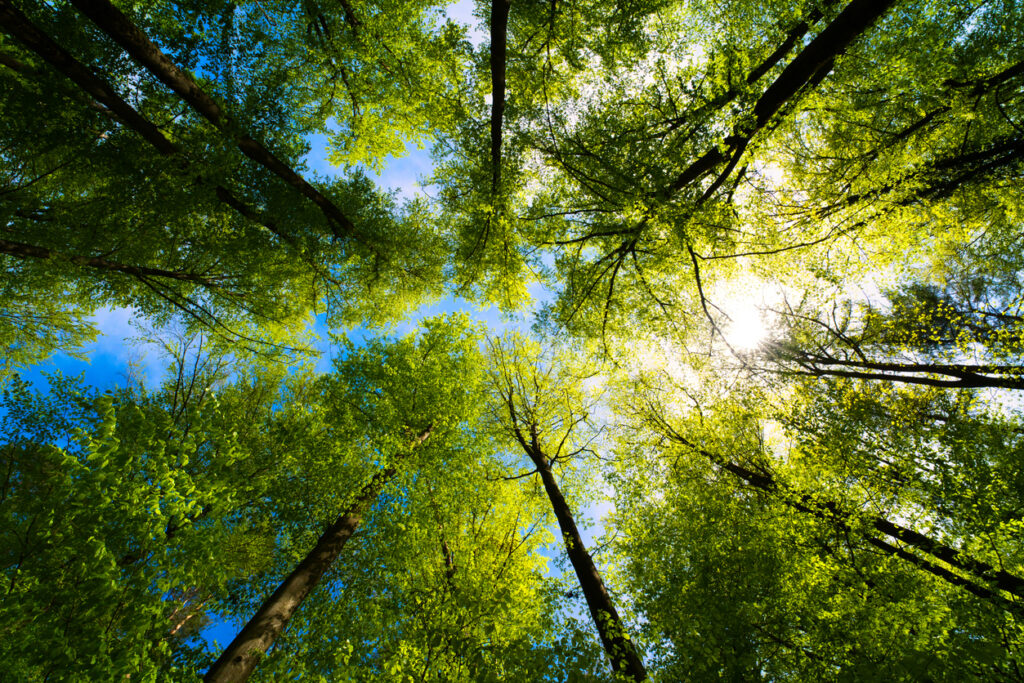
Urban trees get removed for driveways, extensions, and new builds, and replacement planting rarely matches the value of a mature tree. Trees cool streets, filter air, and soak up rain, so losing them makes towns hotter and more flood-prone at the same time. It often hits denser, lower-income areas hardest, where people have less private outdoor space and fewer shady parks nearby.
Parks get managed for neatness, not nature.
Some public green space still exists, but it’s often pushed towards tidy and simple: short grass everywhere, fewer shrubs, fewer wild corners, and less habitat for insects and birds. Budgets and complaint-driven maintenance tend to reward the easiest look, not the most alive one. The result is green space that looks green but behaves like it’s empty, which weakens pollinators and the wider food chain.
Farmland gets simplified and pushed harder.
UK countryside is being stripped back into bigger fields with fewer hedgerows, ponds, and rough edges because it can feel more efficient on paper. That often means fewer wildflowers, fewer insects, and fewer birds, plus soil that holds less water and washes away more easily in heavy rain. When soil health drops, it becomes everyone’s problem because it affects food stability, water quality, and flood resilience.
@alimcforever Replying to @2 One acre of wheat could bake nearly 7,000 loaves of bread. One acre of pasture? Maybe one cow if you’re lucky. #fyp #foryou #foryoupage #uk #british #lifeintheuk #uknews #ukissues #britaintoday #lifeinbritain #everydayuk #talkaboutit #openyoureyes #changestartsnow #realissues ♬ original sound – alimcforever 🇮🇪
Wetlands and peatlands get damaged through everyday decisions.
Peat and wetlands are some of the most useful landscapes we’ve got, but they’re easy to degrade through drainage, burning, extraction, and poor management. Once peat dries out, it stops acting like a sponge and starts behaving like a problem, with faster run-off and long-term loss of what it used to hold. Wetlands also filter water and slow floods, so damaging them removes protection people often don’t realise they rely on.
Green space becomes a postcode luxury.
In plenty of places you can feel the split: leafy streets and big parks in one area, then tight housing, bare verges, and little shade in another. When green space is limited, it gets busier and more worn down, and people who need calm space often avoid it because it feels crowded or unsafe. In the long run, that shapes health and well-being, as daily access to nature affects stress, movement, and social life.
Wildlife corridors break, so nature can’t bounce back.
One development here and another there can sever hedgerows, ditch lines, scrub patches, and stream edges that animals use like motorways. Wildlife ends up stuck in small islands, which makes populations weaker and less able to recover after bad seasons. It’s not only about losing a cute species, it’s about losing the system that supports pollination, pest control, and healthy soils.
Hard surfaces make towns hotter and more flood-prone.
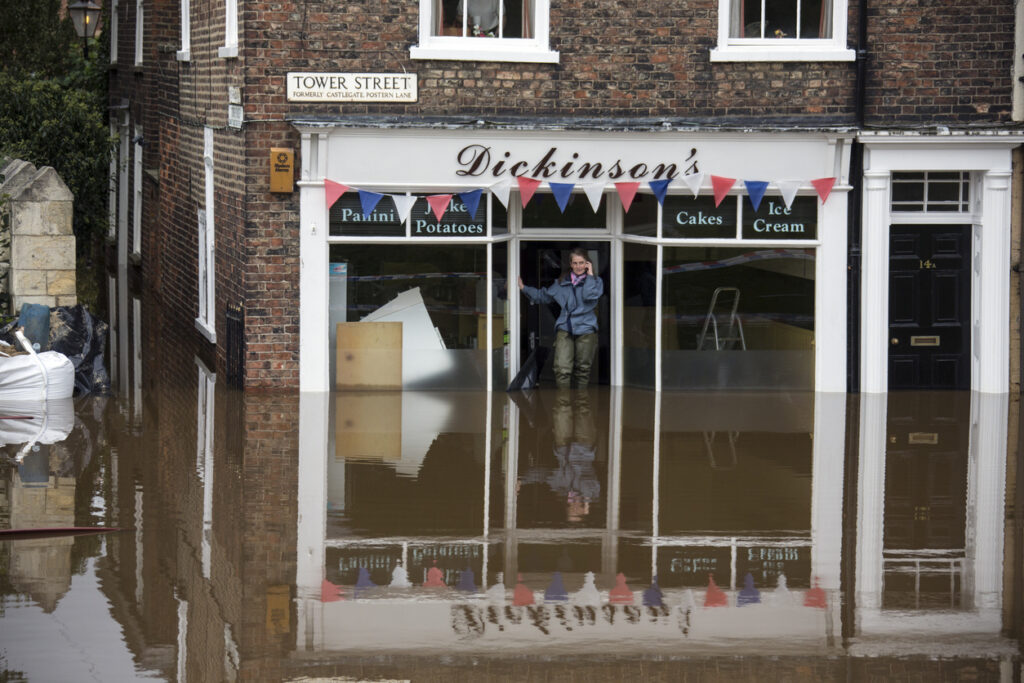
More paving, tarmac, roofs, and artificial turf changes how places handle weather. Rain runs off faster, drains get overwhelmed, and localised flooding becomes more common even when rivers aren’t bursting. Heat also gets trapped, so warm spells feel harsher, especially for older people and anyone with health issues. The fix is usually green infrastructure, but it only works if it’s treated as essential, not decorative.
People lose everyday contact with nature, and it changes behaviour.
When local green space shrinks, people don’t just lose scenery, they lose habits. Kids play outside less, adults walk less, and older people often feel less confident getting out, which quietly increases isolation. It also changes what people accept as normal. After all, if you don’t see birds, insects, ponds, and wild corners in daily life, it’s easier to shrug when they fade away.
Once it’s gone, it’s hard to rebuild properly.
You can’t quickly replace mature trees, complex hedgerows, healthy soil, or a wetland that took decades to settle into balance. Even when new planting happens, it often takes years to become useful, and sometimes it never does if it’s too small or too managed. The real danger is locking in long-term problems, like hotter towns, worse flooding, weaker wildlife, and fewer places for people to breathe.