When you hear people talking about the state of the planet, the language often gets a bit clinical, but the reality behind the words is usually a lot more grit and dirt.
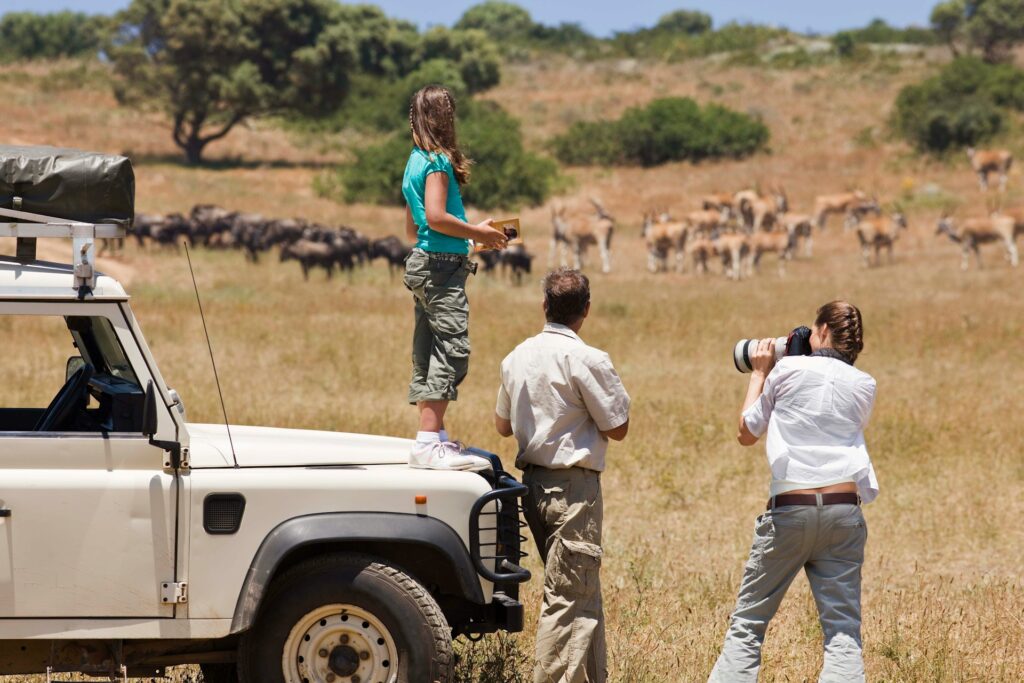
We’re constantly bombarded with terms like “poaching” or “bushmeat,” but these aren’t just buzzwords for a news report; they’re the front lines of a proper struggle to keep what’s left of the wild from disappearing. It’s easy to get lost in the jargon and think of it as someone else’s problem in a far-off country, but the way we define these issues shapes how the world actually tries to fix them.
Understanding the difference between a local community trying to feed itself and a massive criminal syndicate moving ivory across borders is the only way to see the full picture. It’s a messy, complicated business where the terminology can be just as sharp as the people involved, and getting to grips with it is the first step in figuring out what “saving the world” really looks like in 2026.
Bushmeat refers to wild animals hunted for food.
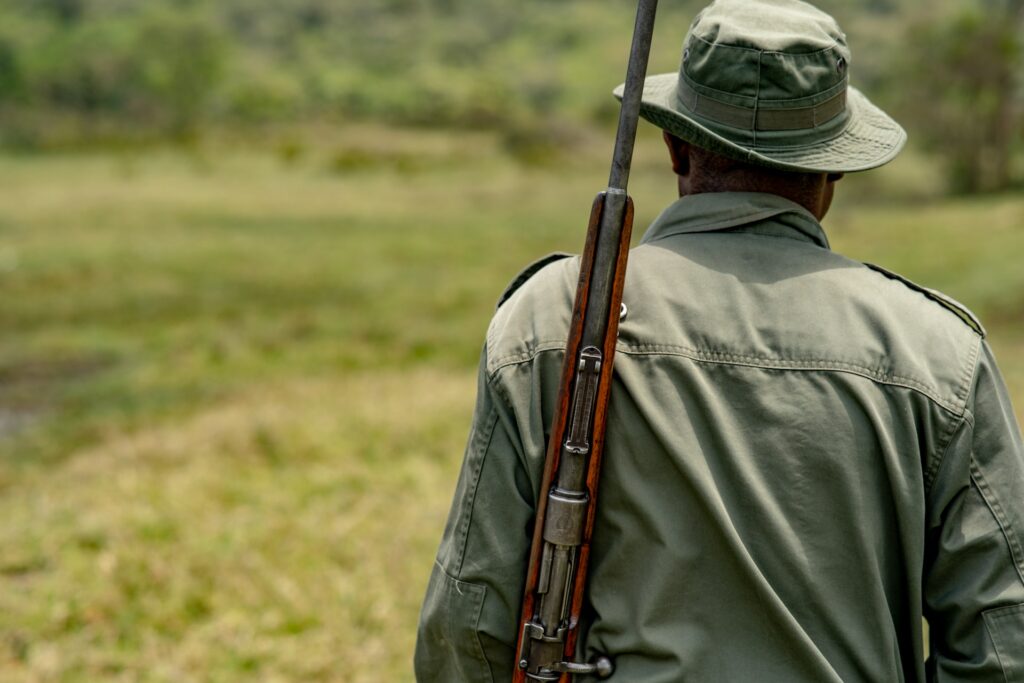
Bushmeat is meat from wild mammals, reptiles, amphibians, and birds hunted in forests, savannahs, or wetlands, particularly in Africa, Asia, and South America. It includes everything from monkeys and pangolins to antelopes and giraffes.
For thousands of years, this was sustainable when practised by traditional hunter-gatherers feeding their own communities. The problem now is scale. Hunting has become commercial, with meat sold in urban markets across continents and even shipped overseas. In West and Central Africa alone, estimates suggest 1 to 5 million tonnes are taken every year. There’s also a serious human cost. Most new diseases in recent decades are zoonoses, infections that jump from animals to humans through the very act of hunting and butchering wildlife.
Poaching means the illegal hunting or capture of animals.
Poaching is the illegal hunting or capture of animals that aren’t yours. It happens when people hunt in protected areas without licences, use prohibited methods like wire snares and gin traps, or target protected species.
We’ve all seen the headlines about elephants killed for ivory tusks, rhinos for horns, tigers for skins and traditional medicine. Live animals are snatched for the exotic pet trade too. What makes it worse is how wasteful the methods are. Wire snares kill far more animals than poachers ever collect, leaving bodies to rot in the bush. Poverty and lack of jobs drive people towards it, while cultural demand for wildlife products keeps it profitable.
Wildlife trafficking is the illegal trade in animals and their parts.
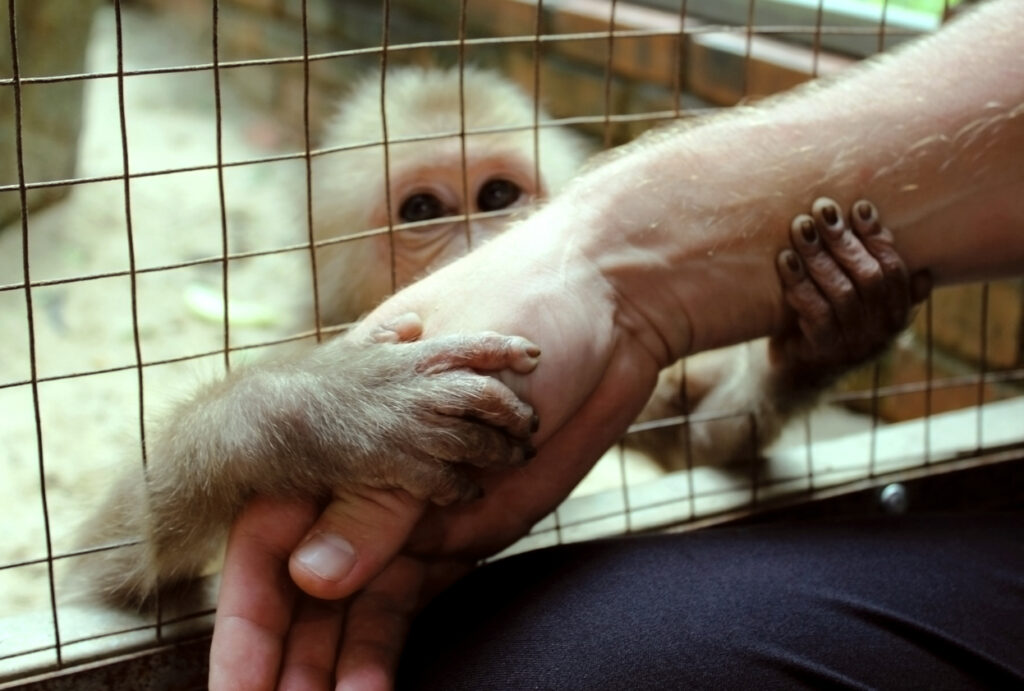
Wildlife trafficking is the shadow economy of nature, the illegal buying, selling and trading of animals and their parts across borders. Live animals for exotic pets, bushmeat, ingredients for traditional medicine, ivory for decorative items, skins for fashion, trophies for display.
The illegal trade is worth an estimated seven to 23 billion dollars annually, and that’s before you add illegal logging and fishing. This makes wildlife trafficking one of the top five most lucrative criminal activities worldwide. Animals are violently ripped from their habitats and families, entire populations collapse, and ecosystems unravel.
CITES regulates international trade in endangered species.
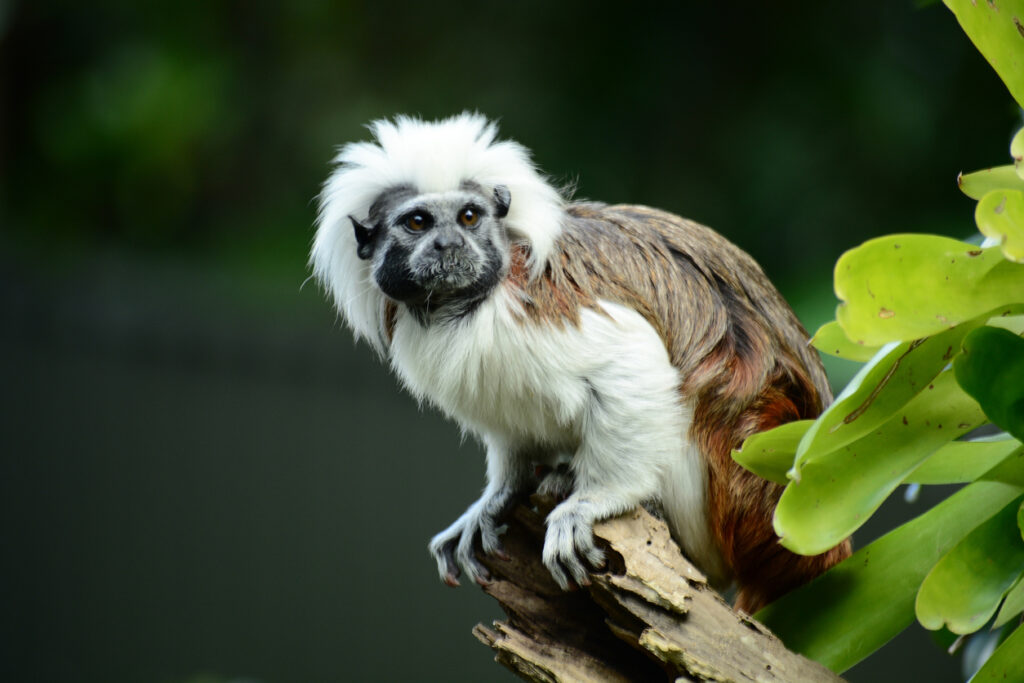
The Convention on International Trade in Endangered Species of Wild Fauna and Flora is the world’s attempt to create rules everyone follows. Signed in 1973, it’s now backed by 185 parties who’ve agreed to ensure international trade in wild animals and plants doesn’t threaten their survival.
The system works through permits and certificates, with species listed in three appendices based on how threatened they are. The treaty protects more than 40,000 species and tracks over a million permits annually. But enforcement varies wildly by country, and despite CITES protection, many species have still declined or disappeared.
Trophy hunting is legal hunting to obtain animal parts as souvenirs.
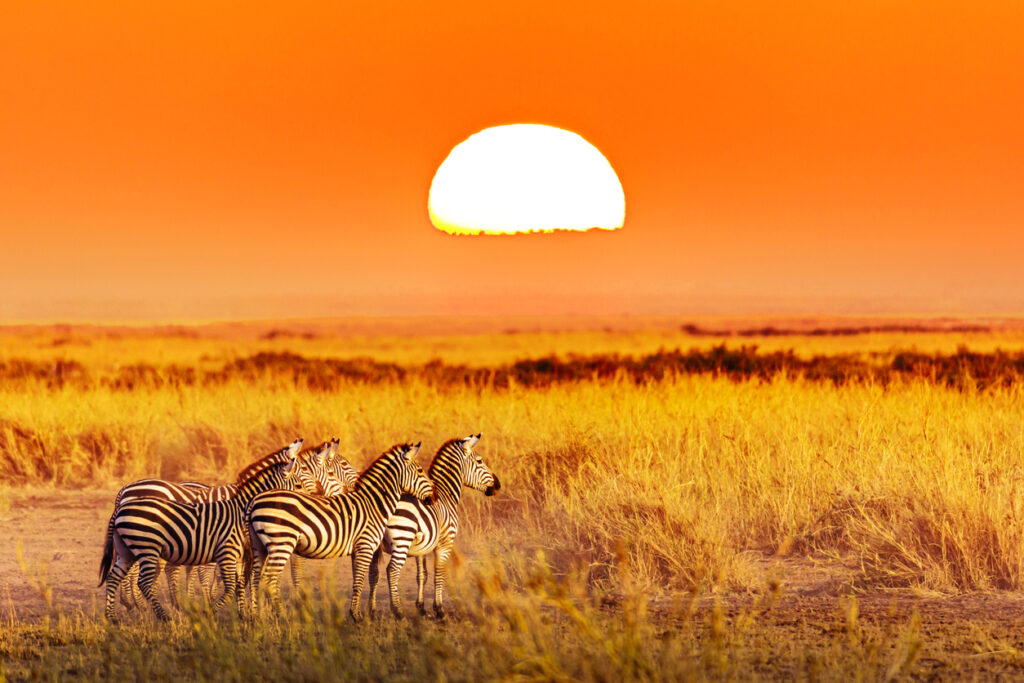
Trophy hunting is one of conservation’s most divisive topics. It’s the legal, regulated hunting of wild animals where the main goal is obtaining a trophy to display at home, usually a head, horns, or skin. Unlike poaching, it’s done with permits and licences, and hunters pay enormous sums for the privilege.
Supporters argue it funds conservation by making wildlife economically valuable and protects massive areas of habitat. Trophy hunting operations in sub-Saharan Africa have conserved an area six times larger than the US National Park System. Critics fire back that economic benefits rarely trickle down to local people and that killing animals for sport is ethically indefensible. Both sides have legitimate points, which is why the conversation gets so heated.
Wildlife rangers protect animals and their habitats on the ground.
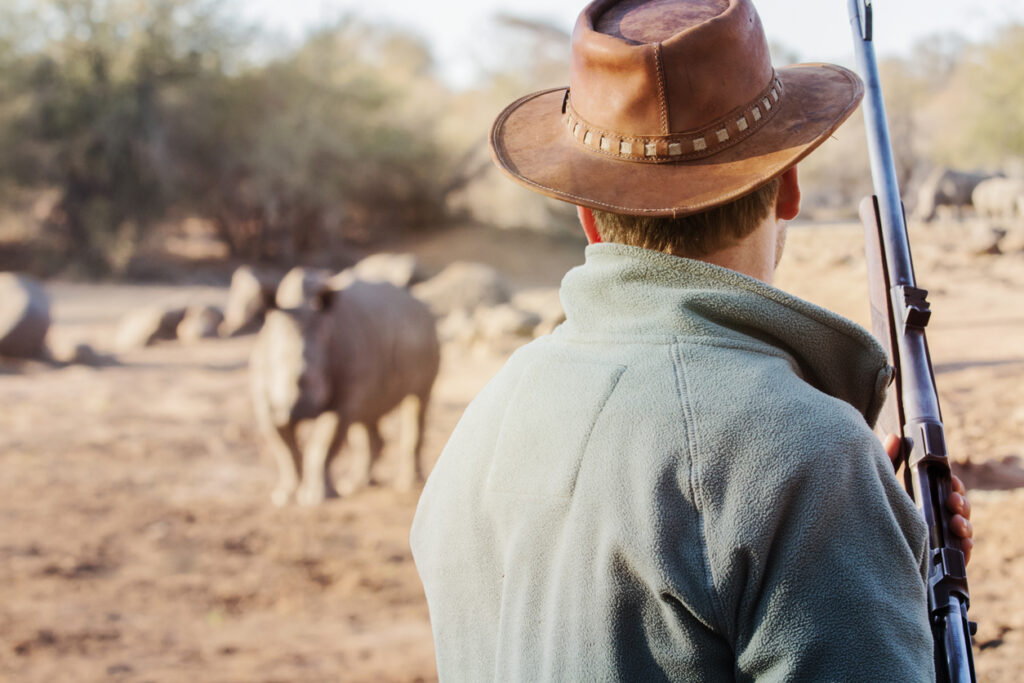
Wildlife rangers are the people who actually do the work. They’re often from local communities with deep knowledge of their ecosystems, and they’re the frontline defence against poaching. They conduct patrols, remove snares, monitor wildlife populations, and enforce conservation laws.
The job is brutal. Rangers face inadequate equipment, dangerous confrontations with armed poachers, and chronic underfunding. They’re stretched impossibly thin, and the work can be deadly. Rangers are killed by poachers or dangerous wildlife while trying to protect the very habitats we all depend on.
Habitat loss is the destruction or degradation of natural environments.

Habitat loss might sound abstract, but it’s devastatingly concrete. When forests are cleared for farms, wetlands drained for development, or wild spaces converted to pastures, animals lose the places they need to survive.
Roads carved into previously untouched forests create highways for poachers. In Congo, wildlife declined by more than a quarter in just three weeks after a logging company opened up a forest. Habitat fragmentation is particularly vicious. Large continuous habitats get broken into smaller isolated patches, preventing animals from moving freely and maintaining genetic diversity.
Keystone species have disproportionately large effects on their ecosystems.

A keystone species is one that holds everything together. The term was coined by zoologist Robert Paine in 1969 after he removed a single starfish species from a tidal plain and watched the entire ecosystem collapse. Without the starfish keeping mussel populations in check, mussels crowded out every other species.
Keystone species come in different forms. Predators like wolves regulate prey populations. Engineers like beavers create wetlands that support countless other species. Mutualists like bees pollinate plants while gathering food. What they all share is an outsized impact relative to their numbers.
Apex predators sit at the top of the food chain.
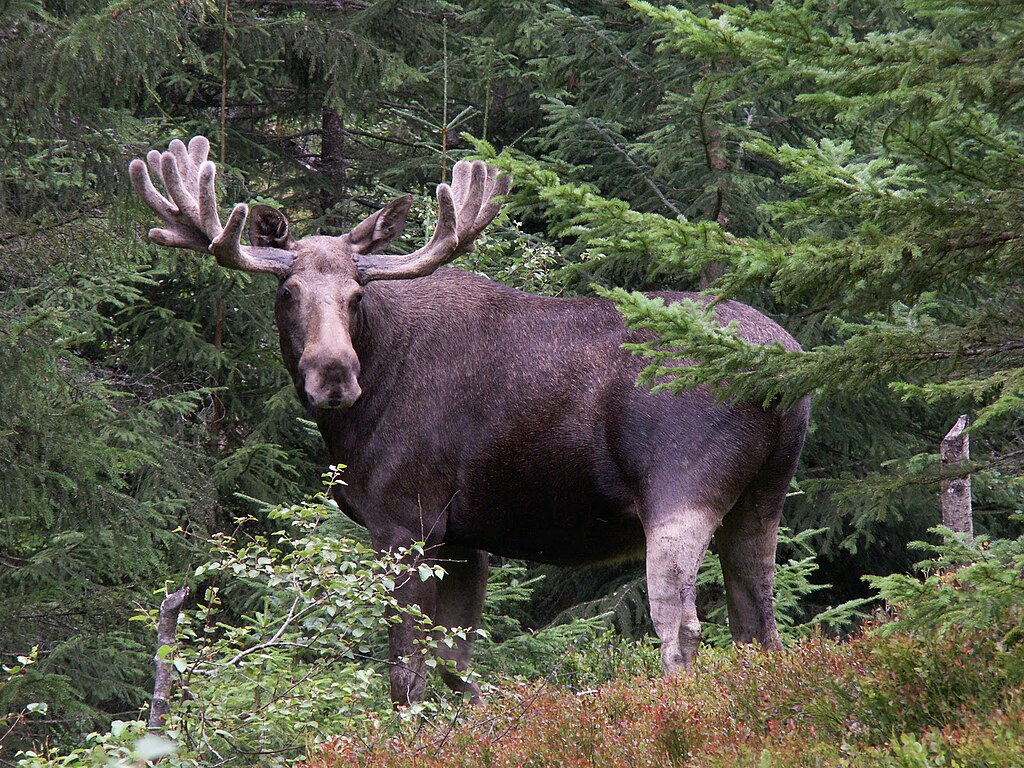
Apex predators are the animals with no natural predators of their own. Wolves, lions, tigers, sharks, orcas. They sit at the top of the food chain, and their presence shapes everything below them.
Many are also keystone species, so removing them triggers cascading effects. When grey wolves were removed from Yellowstone National Park, elk populations exploded and overgrazing devastated vegetation. When wolves were reintroduced in 1995, elk changed their behaviour, vegetation recovered, and the whole ecosystem restructured itself. Despite their ecological importance, apex predators are often vilified or displaced by human activity.
Zoonotic diseases jump from animals to humans.

Zoonotic diseases are infections that jump from animals to humans, often through handling, butchering, or consuming wildlife. According to the World Health Organisation, three-quarters of new diseases in the past three decades are zoonoses. HIV-AIDS, Ebola, Lyme disease, malaria, rabies, COVID-19.
Bushmeat hunting creates particularly high risks because of the close contact during hunting and preparation. Ebola outbreaks in the Congo Basin were linked to butchering apes and eating their meat. During the West African Ebola crisis, bushmeat markets closed temporarily, but reopened once the emergency passed. The connections between wildlife trade, ecosystem health and human disease are impossible to ignore.