Most people stick to the same few national parks and well-trodden trails, but Britain has a much more rugged, unforgiving side that stays hidden from the average tourist.

These aren’t the kind of spots where you’ll find a paved path or a gift shop at the summit; they’re the corners of the UK where the weather can turn in minutes and help is a very long way away. You need more than a decent pair of boots to tackle these locations—you need proper navigation skills and the grit to handle absolute isolation.
Stepping into these environments means leaving the safety net of mobile signal and easy exits behind, which is exactly why they appeal to anyone bored of the usual weekend walks. Taking on these 12 locations is a test of how you handle the British wilderness when it’s at its most raw and unrefined.
The Cuillin ridge, Isle of Skye
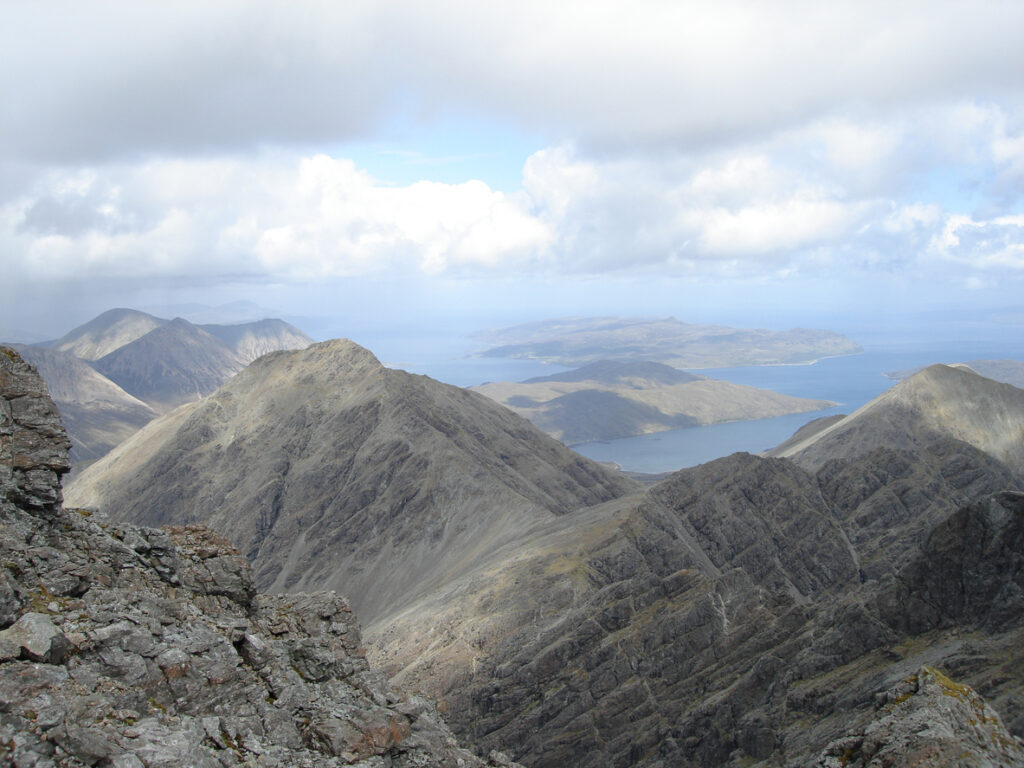
This is the one that makes experienced walkers speak in a slightly serious voice. The ridge is jagged, exposed, and technical in places, and the weather can go from friendly to spiteful in minutes. Even on a clear day, the rock can feel slick and the route can be confusing, which is why people often rope up or hire a guide for sections.
Cape Wrath, north-west Scotland
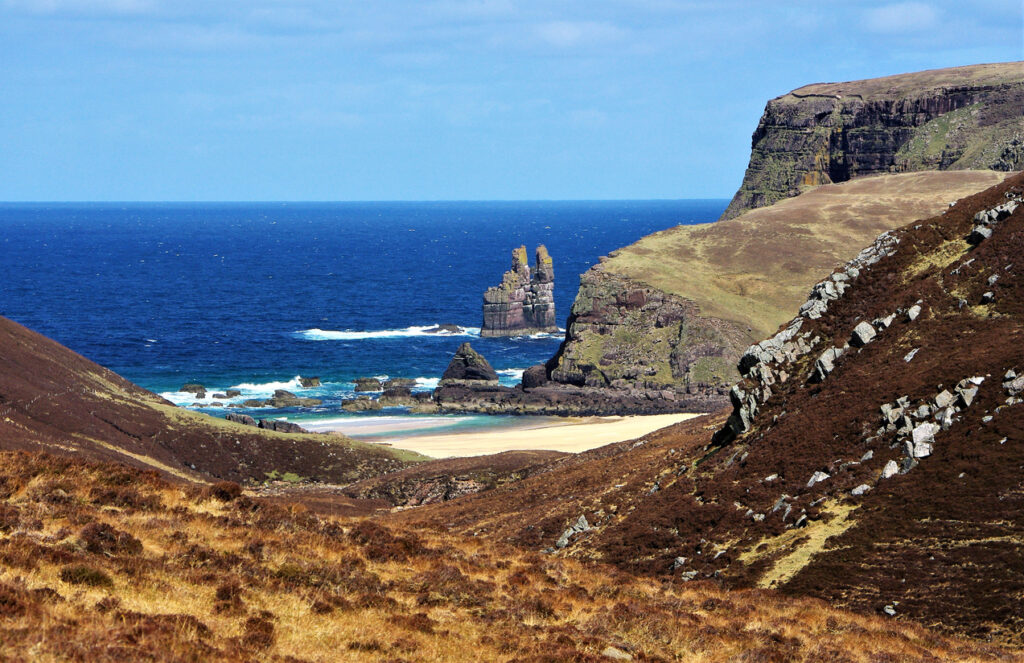
It’s the kind of place that feels like the end of the world because it pretty much is. Getting there can involve long drives, a ferry, and then a minibus across rough ground, and even then, you’re met with huge cliffs, wind, and very little shelter. It’s stunning, but it’s not casual, and that’s the appeal.
Knoydart, the Highlands
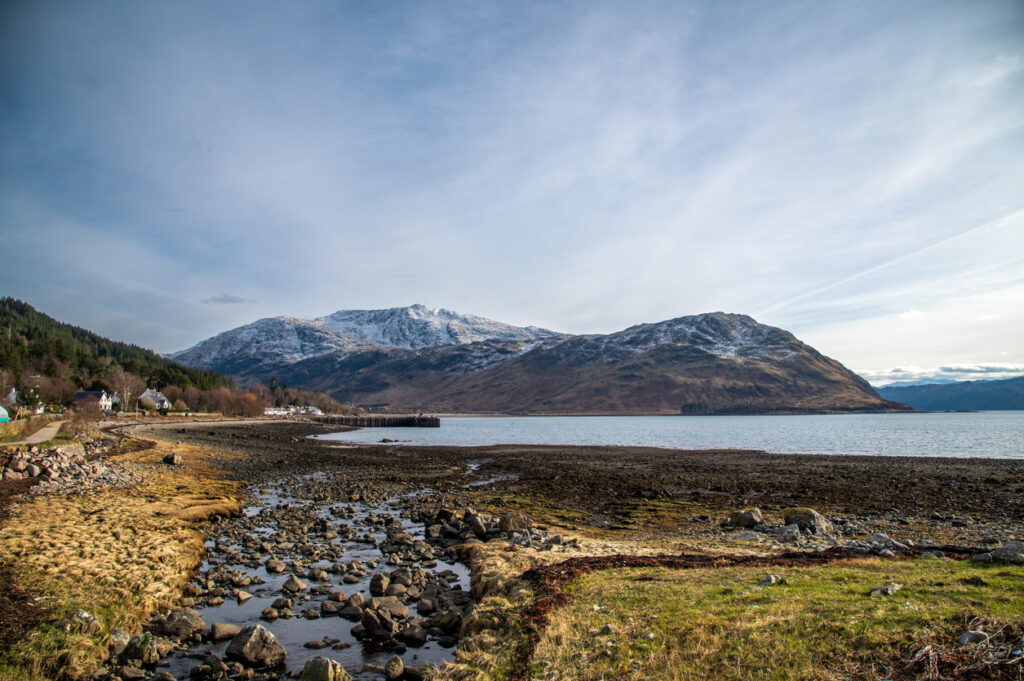
Knoydart is famous for being one of the most remote parts of mainland Britain, and you feel it the second you arrive. No roads in, long walks, and the kind of quiet that makes your phone feel pointless. The hills are big, the weather is unpredictable, and the whole place rewards people who genuinely like being away from everything.
The Flow Country, Caithness and Sutherland
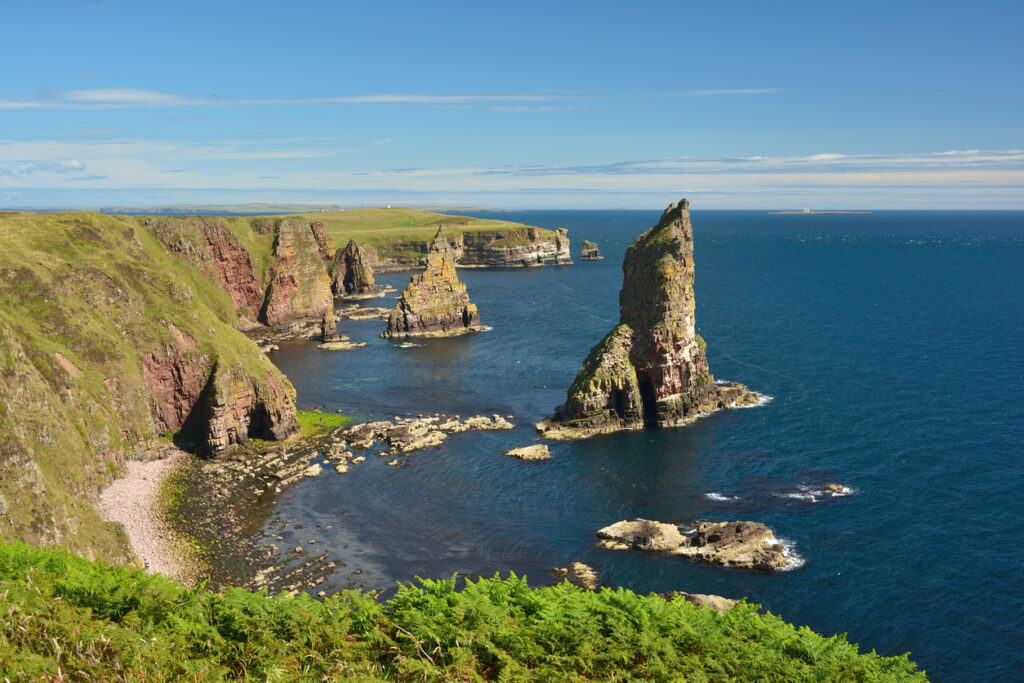
This peatland landscape is flat in a way that can still feel intimidating because it’s vast, wet, and easy to underestimate. Underfoot can be boggy and confusing, and it’s not a place you want to wander off-trail without knowing what you’re doing. On a grey day, it can feel almost otherworldly, like you’ve stepped into the edge of a different era.
Striding Edge, Helvellyn
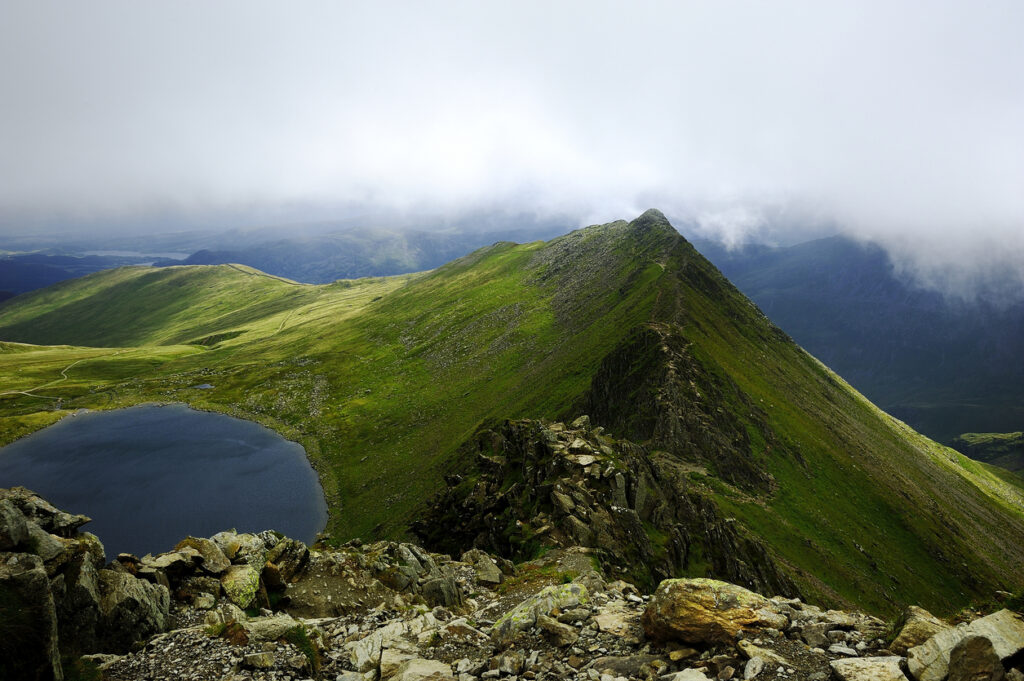
This ridge in the Lake District is a classic for a reason, and it’s also where some people realise they don’t actually like heights. It’s narrow, exposed, and busy in good weather, but it still demands attention because one slip in the wrong conditions can be serious. Done safely, it’s one of the most exciting ways to reach a summit in England.
Scafell Pike via the Corridor Route
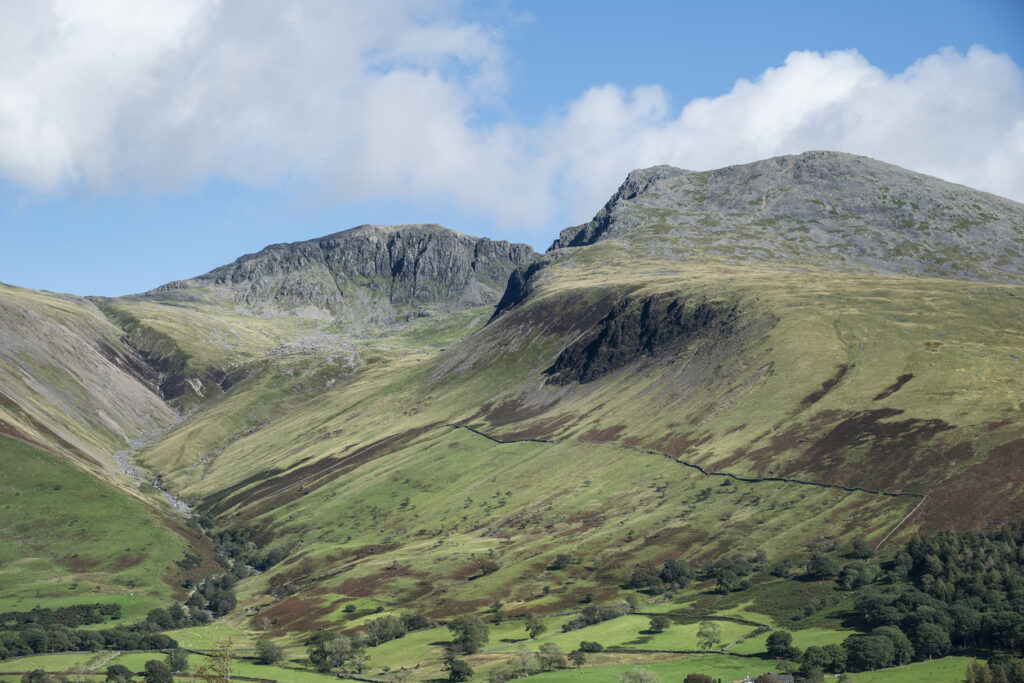
People think Scafell Pike is just a box-tick mountain, then they pick a more adventurous route and get humbled by rock, weather, and navigation. The Corridor Route is beautiful and rocky, with big views and sections that feel properly mountain-like. In cloud or wind, it can become a different experience entirely, so it’s not the one for winging it.
Kinder Scout plateau, Peak District
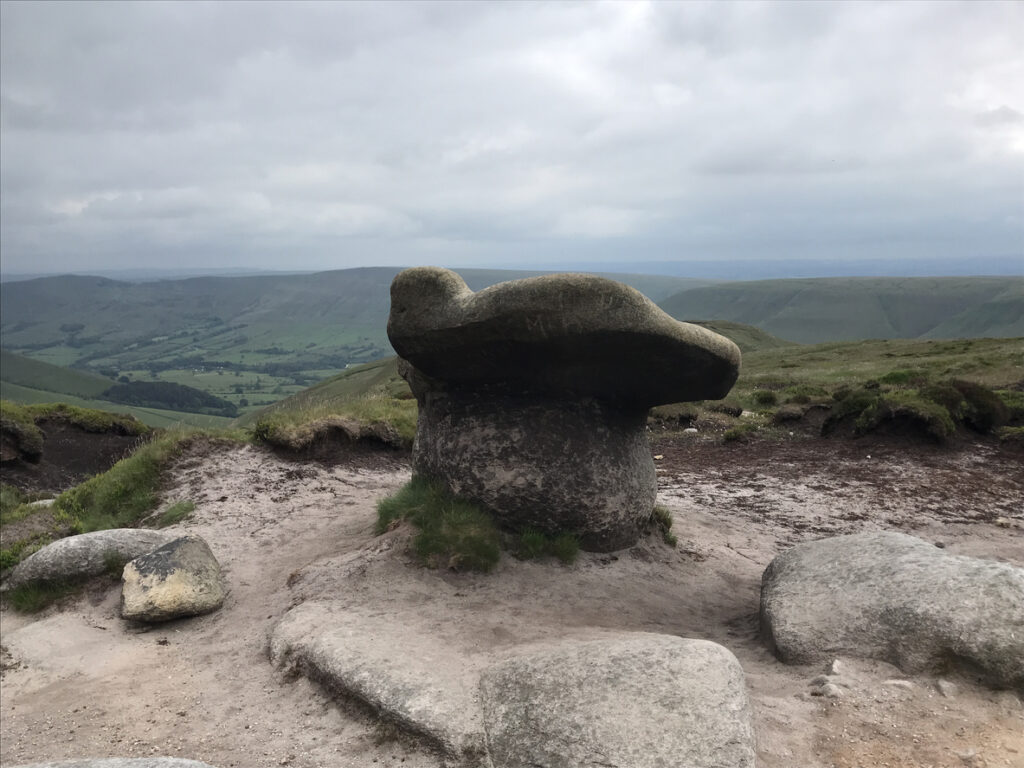
Kinder looks friendly from a distance, then you get up there, and it turns into a peat hag maze that can feel like it’s trying to swallow you. In mist, the plateau is notorious for disorienting people because everything looks the same and paths disappear into bog. It’s brilliant for anyone who likes navigation and doesn’t mind getting filthy.
The Atlantic coastline of Pembrokeshire on a stormy day
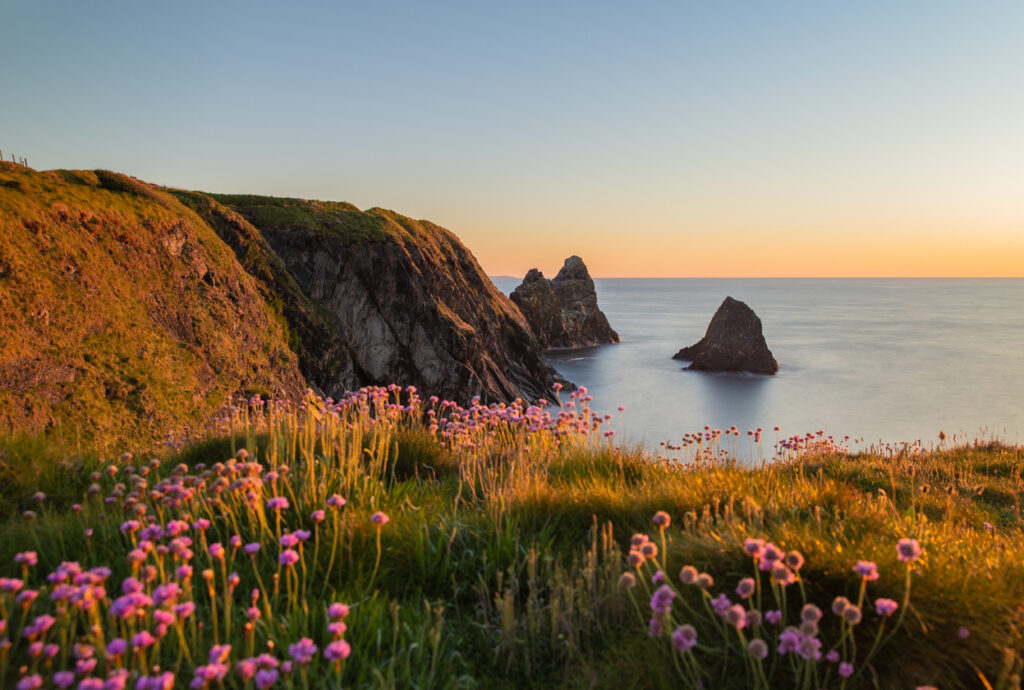
Pembrokeshire is gorgeous in sunshine, but in rough weather it becomes dramatic and slightly intimidating, with huge swells and wind that can knock you sideways. The cliff paths are incredible, but they demand respect, especially near edges and exposed sections. It’s one of those places where you feel the sea’s power properly, not as a postcard.
Dartmoor’s high moor in thick fog
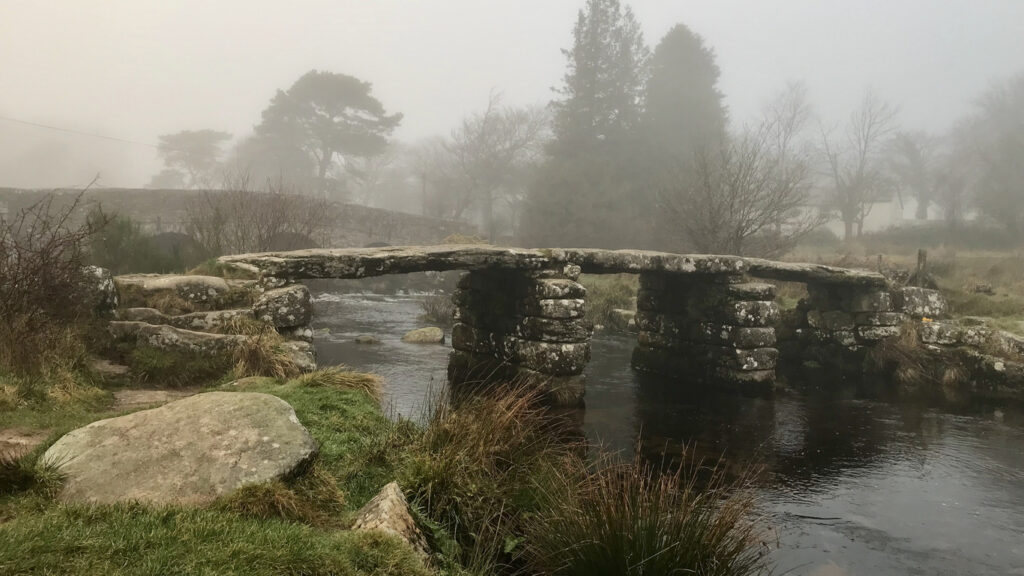
Dartmoor has a reputation for a reason. The tors look like landmarks until the mist drops, and then everything turns into grey emptiness and slippery ground. It’s easy to drift off course, and the bogs aren’t a joke, so you need proper nav skills and a plan, not just good vibes.
The Northumberland coastline at low tide
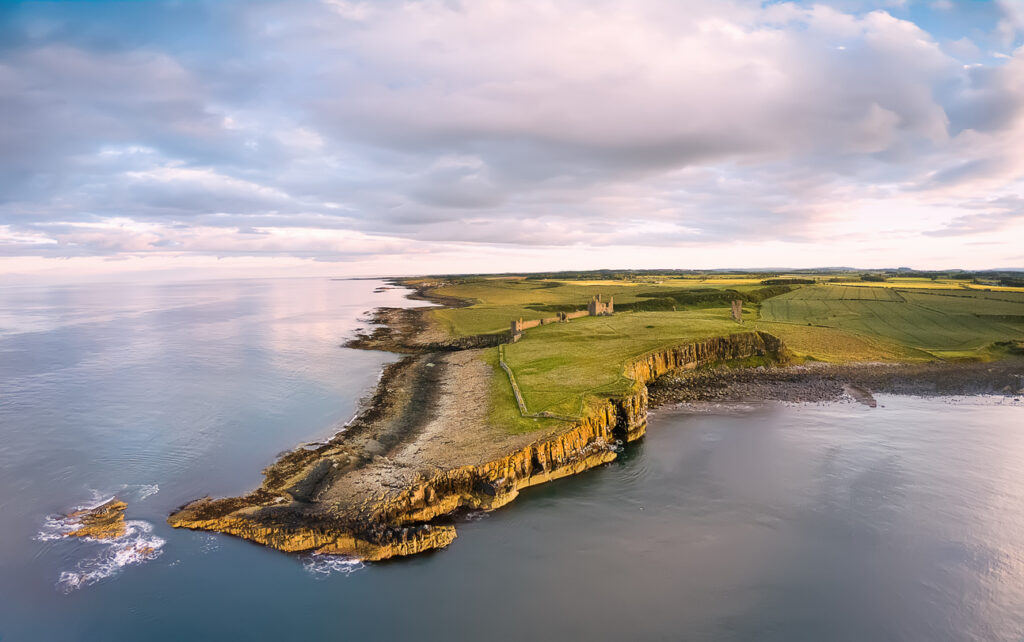
This isn’t wild in a mountain way, it’s wild in a tidal way. Certain stretches can lure people out onto sand and rocks, then the water comes back quicker than expected and cuts them off. Done safely, it’s stunning, with huge skies and empty beaches, but you need tide times, awareness, and caution.
The Old Man of Hoy, Orkney
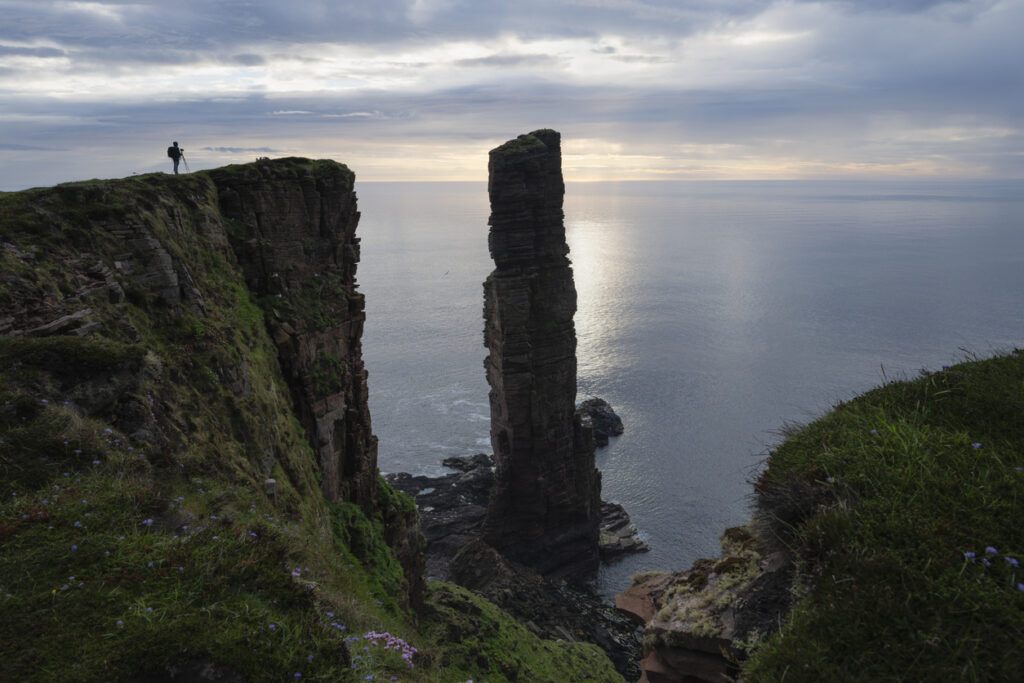
This sea stack is a legendary climb, and even seeing it from the cliff edge feels like an adventure. The island setting, the wind, and the sheer height of the stack make it feel dramatic before you even think about ropes. Most people will never climb it, but making the trip to see it still feels like doing something big.
The tidal causeway to St Michael’s Mount, Cornwall
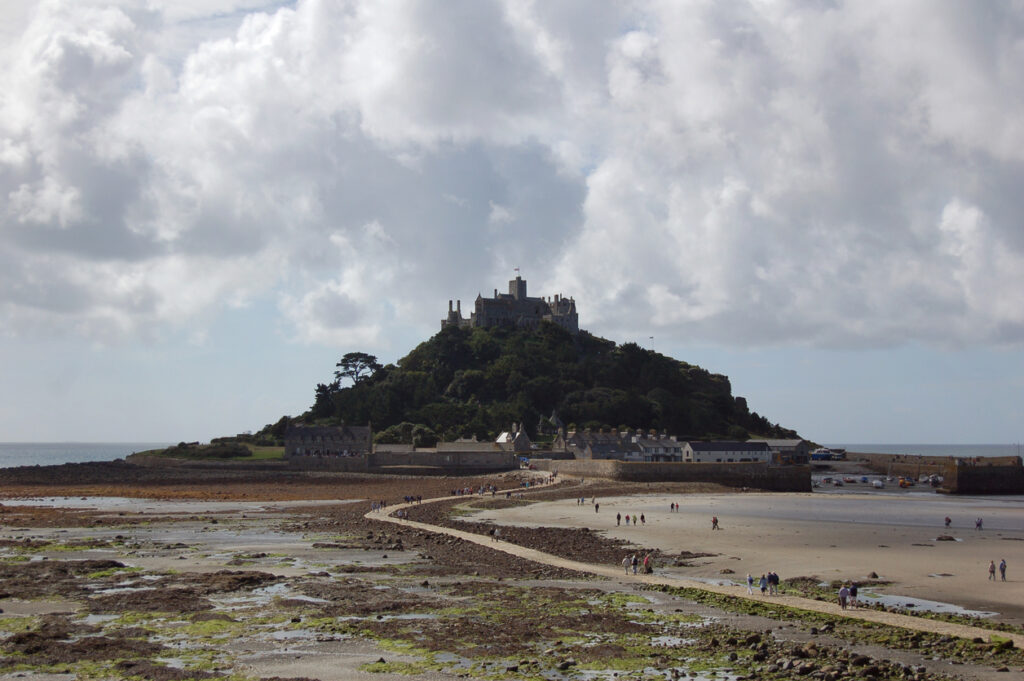
It looks like a cute walk on Instagram, but the sea doesn’t care about your plans. The causeway disappears under water quickly, and people get caught out when they push their luck or misread the times. If you treat it with respect, it’s a brilliant little adventure because timing it right feels like unlocking a secret route.