It might feel a bit backwards when a pet or a wild animal sinks its teeth into your hand, but in the animal world, a nip isn’t always a sign that you’re about to be eaten.

For many species, using their mouths is the only way they’ve got to show a bit of affection or tell you they’re enjoying the attention. You might be sitting there wondering why your cat has suddenly decided to chew on your knuckles, but more often than not, it’s a social gesture that’s actually quite a compliment.
These “love bites” are a far cry from an aggressive attack; they’re a carry-over from how these animals interact with their own kind to build a bond. Spotting the difference between a nip of friendship and a warning is the best way to make sure you don’t pull away and ruin a perfectly good moment of connection.
1. Puppies
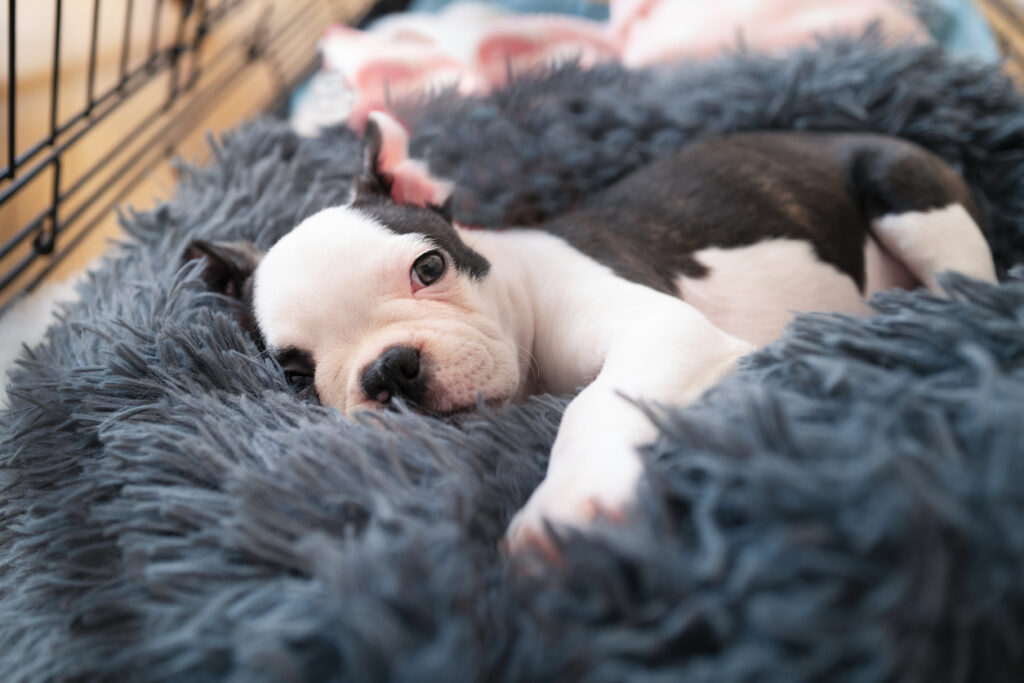
Puppies explore the world with their mouths the same way toddlers grab everything with their hands. When they like you, they’ll often mouth your fingers, your sleeves, your shoes, or whatever’s closest because you’re the most interesting thing in the room. It’s not usually aggression, it’s play, bonding, and excitement, plus the fact they’re often teething, and their gums feel itchy.
The key is that puppy biting tends to be bouncy and chaotic rather than tense. They’ll do it more when they’re overstimulated, tired, or hyped up, like a kid who needs a nap but refuses one. With a bit of training and calm redirection, most grow out of it, but the early stage can feel like living with a tiny shark that also thinks you’re its best mate.
2. Kittens
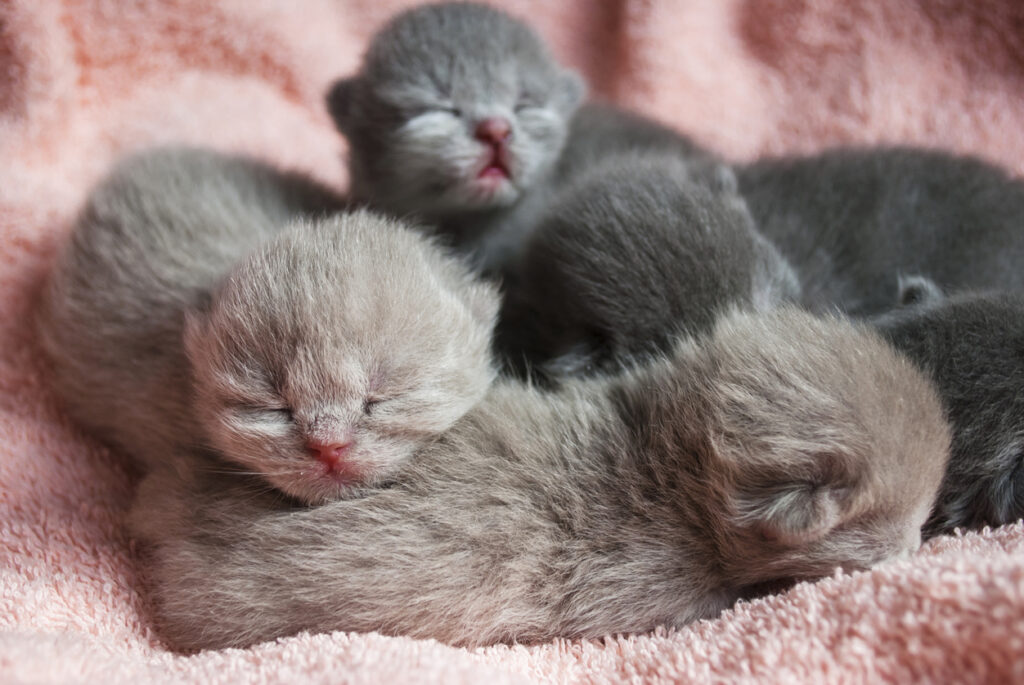
Kittens bite for similas reasons to puppies, but with extra cat attitude. They wrestle with their siblings, they practise pouncing, and they treat your hands like moving toys because you’re warm and you react. A kitten that likes you often wants to play with you constantly, and their idea of play involves little nips and grabs because that’s how they learn social skills.
Some kittens also do love bites, which are those quick little chomps mid-cuddle that feel random but are usually just excitement. It’s like their brain goes this is nice, too nice, I must bite. It’s also worth knowing kittens have sharp little teeth that feel dramatic even when the bite is gentle, so what feels like a tiny nip to them can feel like a proper sting to you.
3. Adult cats

Adult cats are renowned for the love bite, usually when they’re being stroked and they suddenly do a quick nip. It often happens when they’re enjoying the attention but getting a bit overstimulated. Cats have a limit, and sometimes their way of saying that’s enough now is a small bite, not because they hate you, but because their nerves are firing and they need the stimulation to stop.
They also sometimes bite in a playful way, especially if they’re younger or energetic, or if they’ve learned that biting gets a reaction. The difference between affection and annoyance is usually in their body language. If the ears are relaxed, the tail isn’t flicking hard, and they’re not tense, it’s often a communication bite, not an angry one.
4. Ferrets
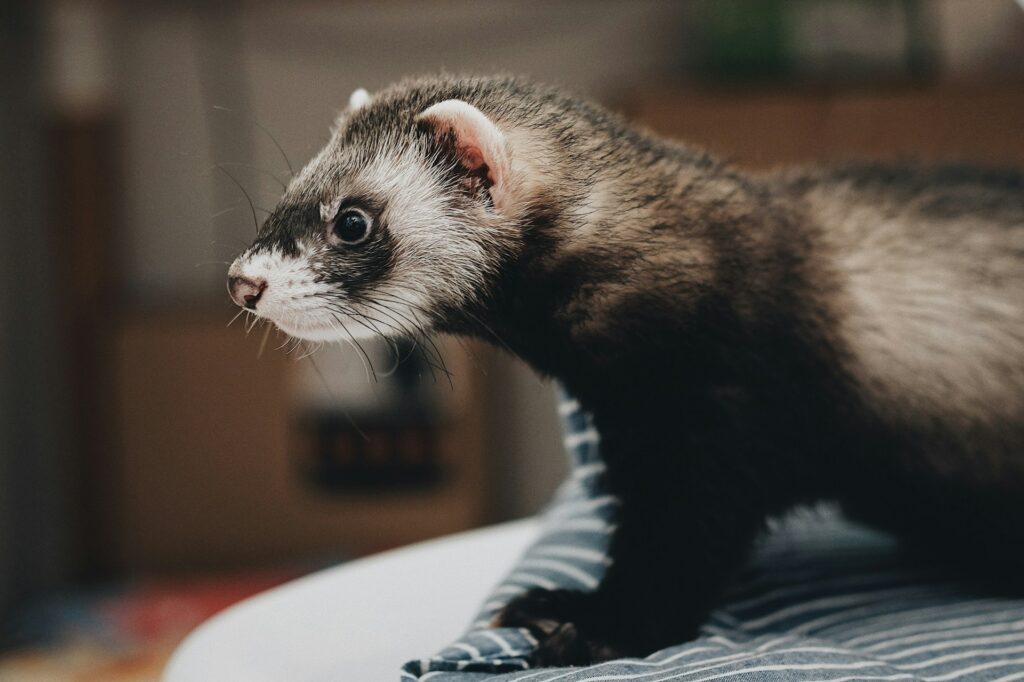
Ferrets are little chaos noodles, and they play hard. When a ferret likes you, it often wants to wrestle you, chase you, and nip you as part of play because that’s how ferrets socialise. They’ve got a very mouthy play style and they can get a bit carried away, especially when they’re young or hyped up.
Owners often talk about the difference between a nasty bite and a playful nip, and with ferrets it usually comes down to intent and body language. A playful ferret will bounce, do the little war dance, and nip in quick bursts. They’re also known for gently grabbing things, including your fingers, and trying to drag you somewhere like you’re an object they’ve decided belongs in their collection.
5. Parrots
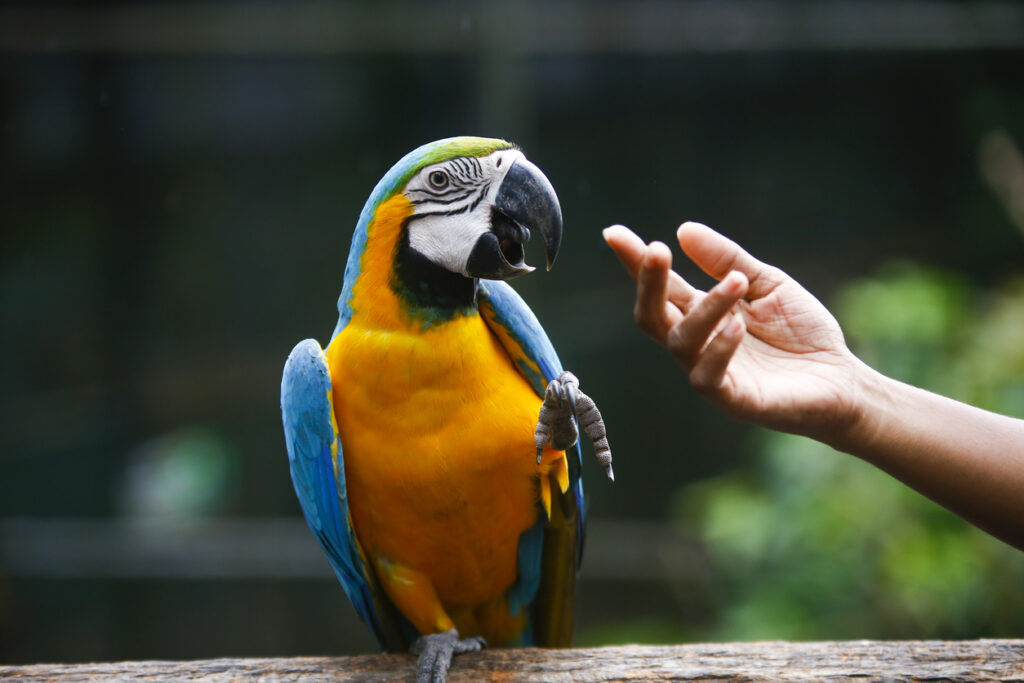
Parrots use their beaks like we use our hands. They’ll climb with them, test objects, and interact with you through beaking, which can include gentle nibbles. A parrot that trusts you might nibble your fingers, lips, or jewellery as a way of exploring and bonding, and some will do it as a grooming behaviour, like picking at your hair or shirt the way they’d preen another bird.
The problem is that parrots can go from gentle to ouch very quickly because a beak is powerful even when they’re trying to be delicate. Some parrots also get overexcited or overstimulated and nip as a way of saying back off, but a lot of the time, that little bite is affection mixed with curiosity. If you’ve ever had a parrot gently pinch you while staring lovingly into your soul, you’ll know it’s a weird kind of intimacy.
6. Rabbits
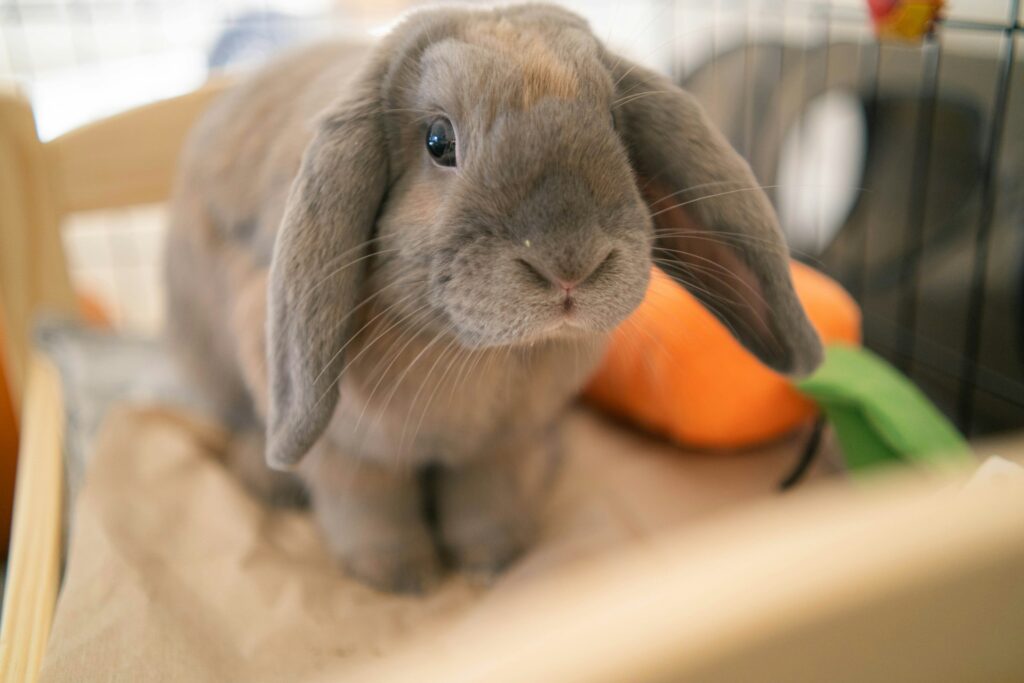
Rabbits can nip their favourite people, and it can be surprisingly sweet, even though it’s annoying. A rabbit might give a quick nip to get your attention, especially if it wants food, wants you to move, or wants you to stop doing something. It can also be a way of asserting itself gently, like hey, I’m here, listen to me.
Rabbits are also social animals, and they do a lot of subtle communication that humans miss. A gentle nip can be part of bonding, especially if they’re comfortable enough to interact closely. It’s usually not the kind of bite that breaks skin, it’s more like a pinch with teeth. If it’s happening a lot, it can also mean they’re frustrated, so the context matters, but many rabbit owners will tell you those little nips often come from familiarity rather than anger.
7. Guinea pigs
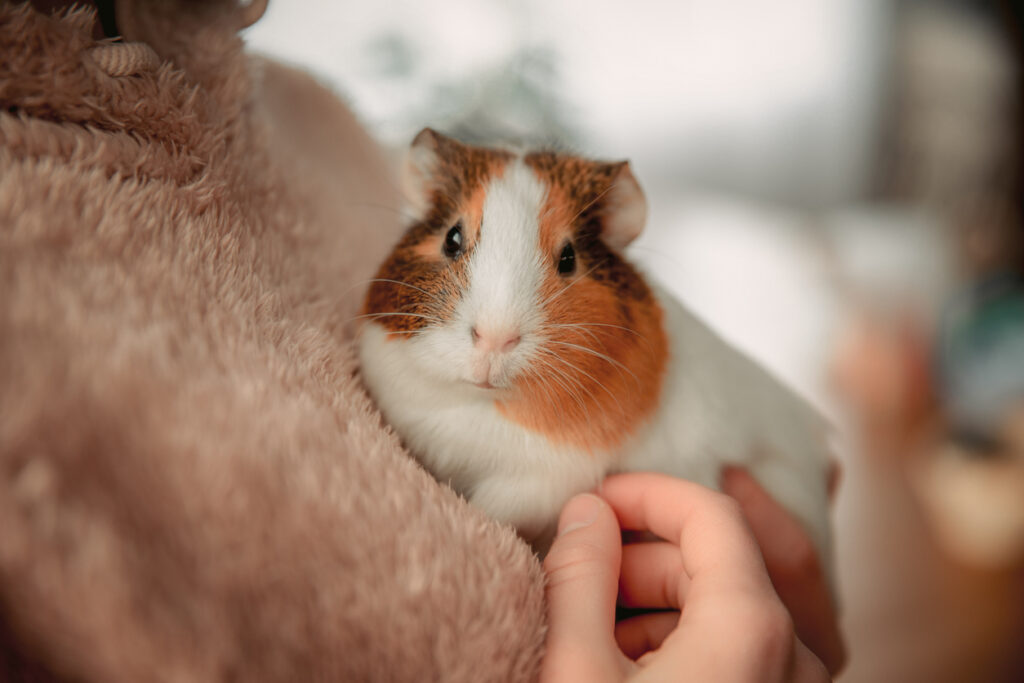
Guinea pigs are usually more on the nibble end than the bite end, but they can still use their teeth on you in a way that’s not aggressive. Some will gently mouth your fingers while sniffing you, especially if you smell like food or you’ve just handled veggies. They’re curious little creatures, and their way of checking something out can involve testing it with their teeth.
They can also nip if they’re uncomfortable, so it’s important not to assume every bite is affection, but a calm guinea pig that’s settled with you may do tiny nibbles as part of exploration. It’s like they’re doing a taste test, which is slightly rude, but also kind of hilarious given how small and earnest they are.
8. Hamsters
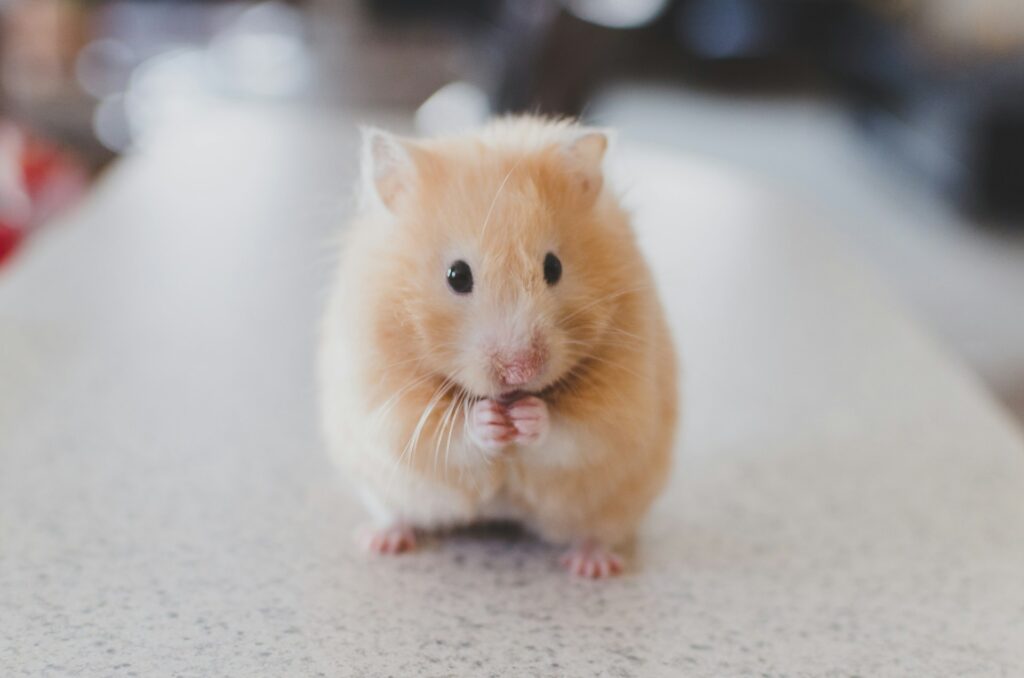
Hamsters biting is often fear, but when a hamster is properly tame and comfortable, it can also do little curiosity nips, especially if it thinks your finger is food. They’re heavily smell-based animals, so if your hands smell like snacks, they might do a little test bite to check if you’re edible. In their world, that makes total sense.
A hamster that likes you might also gently mouth your hand while climbing around it. It’s their way of exploring and getting familiar with you. The key is that it’s gentle and brief, not a full clamp. If you move suddenly or startle them, that’s when it turns into a proper bite, so slow movements make a big difference with hamsters.
9. Rats
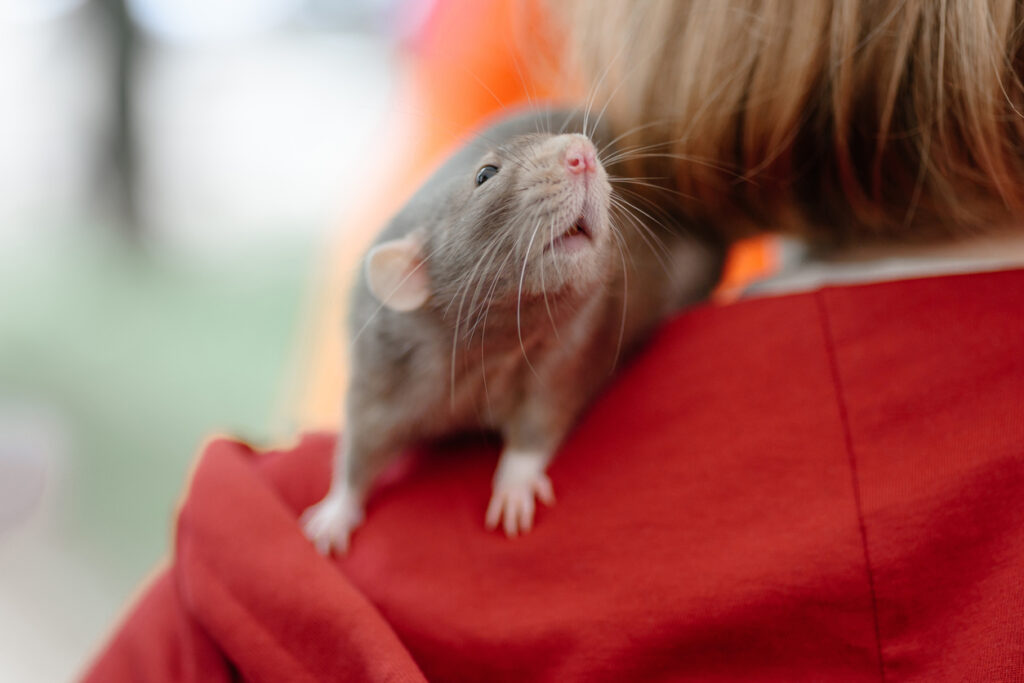
Pet rats are surprisingly affectionate, and they often show it through grooming behaviours. They’ll nibble at your skin, your nails, or your hair the way they groom each other. It can feel like little kisses with teeth, which sounds odd, but rat owners know exactly what it is. If a rat is doing this calmly while hanging out with you, it’s usually a sign it feels bonded and comfortable.
Rats are also very smart and social, and they like interaction. A gentle nibble can be part of play too, especially with younger rats. Like with all animals, context matters, but a rat that’s relaxed, curious, and hanging around you is rarely biting because it hates you. It’s often their version of fussing over you.
10. Horses

Horses can nip as a form of bonding, especially if they’re a mouthy, playful type. They explore with their lips and teeth, and some will gently grab your sleeve or shoulder as a way of interacting. You’ll also see horses nibbling each other in grooming sessions, and a horse that likes you can try to do the same thing, just in a clumsy human-sized way.
The important bit is that horse nips can still hurt, even when they’re not meant to be nasty. A horse doesn’t always know its own strength, and if it’s been allowed to nip people for fun, it can become a bad habit. But many nips are just a horse being social and playful, especially if it’s relaxed, ears neutral, and acting cheeky rather than tense.