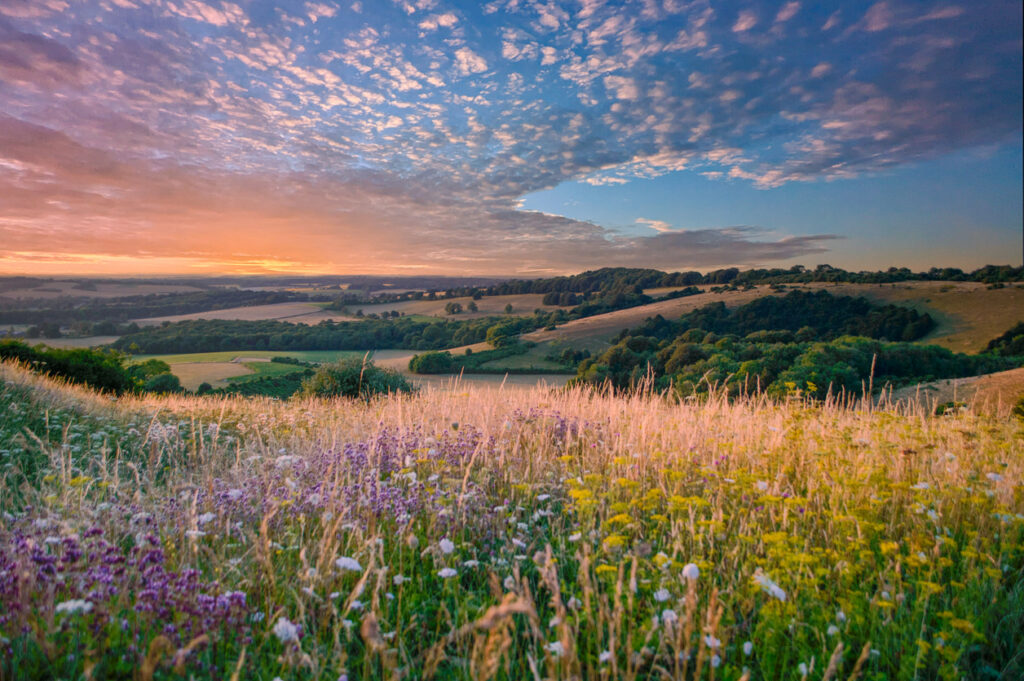
Most people picture the British countryside as one huge open playground. Rolling hills, public footpaths, a few sheep staring at you while you take photos. It’s easy to assume we can wander wherever we like as long as we’re respectful. Then you realise how many signs say “Private,” “Keep Out,” or “No Public Right of Way,” and you start to wonder how much of the countryside we’re actually allowed to explore.
The truth is, access in the UK is a strange mix of generous rights and strict limits. There are beautiful stretches of land you can walk for miles across, and then there are enormous estates you can only admire from the road. This isn’t just an inconvenience for ramblers. It shapes how connected we feel to nature, who gets to enjoy outdoor space, and how our landscape is controlled. So how much of the countryside is truly open to everyone, and how much is still off-limits?
Only a small part of England is truly open.
Despite how green and inviting it looks, only about eight per cent of England’s land allows full public access. These areas are mainly moors, downs, common land and coastal paths defined by law. It means more than 90% of the countryside is privately owned or restricted. You can walk public footpaths, but you can’t freely roam outside them without the owner’s permission.
The right to roam doesn’t cover everything.
The Countryside and Rights of Way Act, known as the CROW Act, gave walkers access to specific natural areas but not to farmland, riversides or private woods. It’s a partial freedom rather than a full one. So, while you can explore beautiful places like the Yorkshire Dales or Dartmoor, you can’t wander into the field next door unless it’s officially listed as access land.
Scotland has a much broader rule.
In Scotland, the Land Reform Act gives people the right to roam almost anywhere, provided they act responsibly and respect privacy. It’s a system based on trust rather than restriction. That means most land, apart from gardens or crops, is open for hiking and wild camping. England and Wales remain far stricter, with far fewer open spaces by comparison.
Public footpaths only take you so far.
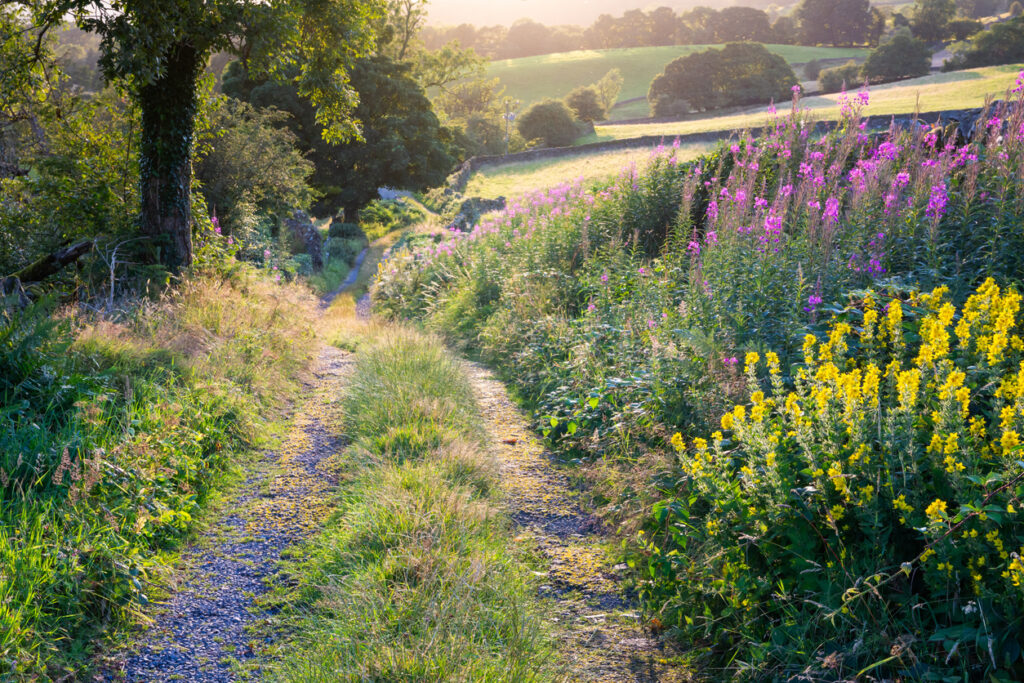
Footpaths and bridleways cover much of Britain, but they’re narrow routes through private land rather than open access zones. You can pass through, not wander off them. These routes are centuries old and vital for public walking, but they don’t always lead where people want to explore. You’re following history, not necessarily freedom.
Most rivers and lakes are restricted.
While walkers have some rights, water access is even more limited. Many rivers and lakes belong to estates or companies, meaning swimming or kayaking there is technically trespass. It surprises many people how little of Britain’s water is public. Even quiet rural ponds and streams are often under private ownership or local regulation.
Farmland is almost always private.
Farmers own or lease around seventy per cent of the land in England. Unless a marked path runs through it, fields are legally off-limits, even when they look open and harmless. Crossing farmland without permission can be classed as trespassing, and while it’s usually civil rather than criminal, it still breaks the rules that protect property owners’ rights.
Coastal access is improving slowly.
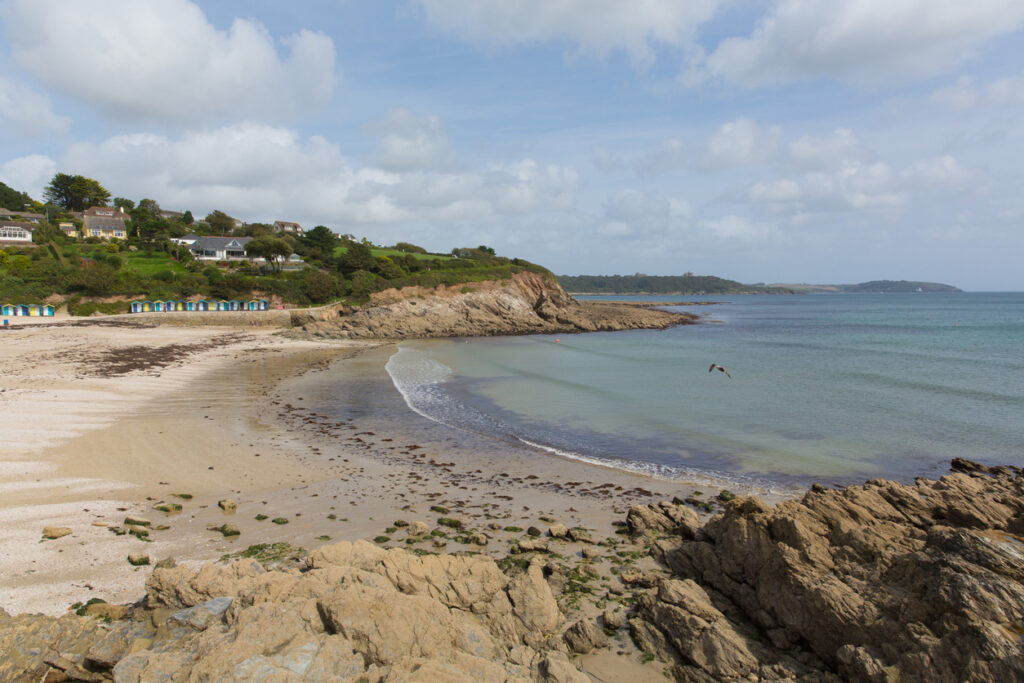
Britain’s coast is becoming more accessible thanks to the creation of the England Coast Path, a long-distance route planned to stretch around the whole shoreline once complete. Even so, gaps remain where landowners have refused access or terrain makes paths unsafe. It’s progress, but not yet the full circle people imagine when they picture coastal freedom.
Campaigners want to expand access.
Groups like the Right to Roam movement are calling for wider land access across England and Wales. They argue that nature and outdoor space should belong to everyone, not just landowners. The idea is gaining support as more people recognise how limited countryside access really is. Campaigners believe that access to nature supports health, equality, and community.
Landowners have their own concerns.
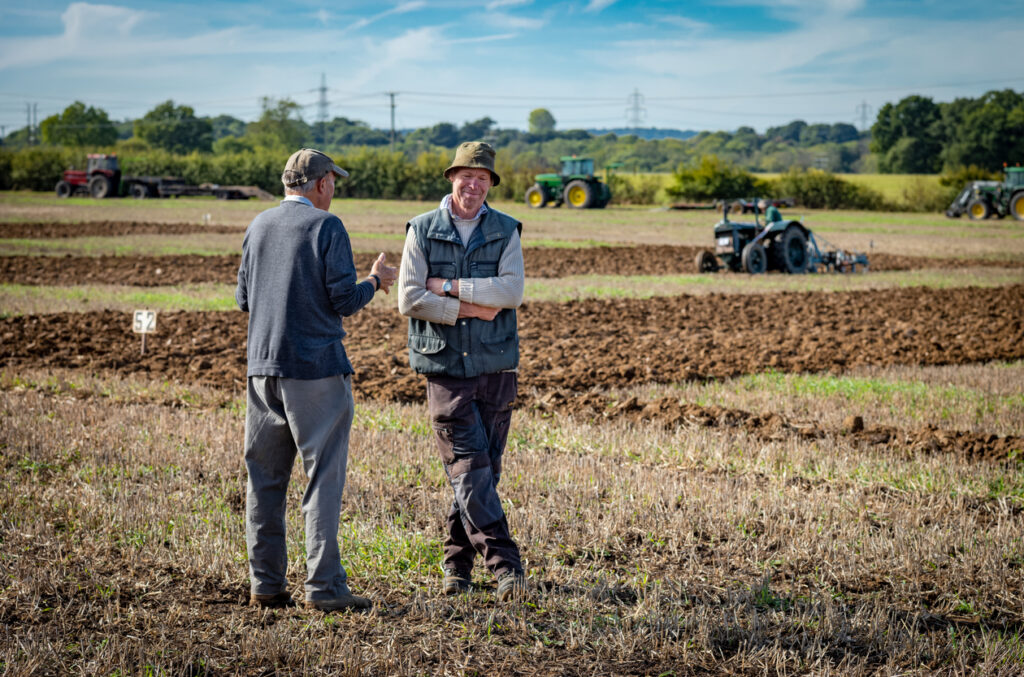
Farmers and estate owners worry that too much access could lead to damage, littering or harm to wildlife. For them, restricted access helps protect land and manage conservation responsibly. Finding balance is tricky. Expanding the right to roam needs careful planning so that the countryside stays safe, sustainable and enjoyable for everyone.
The countryside isn’t as public as it looks.
From above, Britain looks open and shared, but legally, it’s a patchwork of permissions. Vast estates, private woodlands and fenced fields make large parts of the country closed to everyday walkers. Understanding those boundaries helps explain why the push for access matters. The countryside might look free, but true freedom to explore it is still out of reach for most.
All that’s to say that while we think of the countryside as public, most of it isn’t. England’s “right to roam” covers only a small slice of its land, leaving the rest under private control. The dream of open access remains exactly that: a dream for now.