Nature has some odd legal protection, and once you start digging into them, it becomes clear that the relationship between humans and the environment has always been a bit chaotic.

In some places, you can get fined for moving a rock the wrong way. In others, people hold meetings to decide whether a river can have its own legal rights. These laws can seem dramatic, even over the top, until you realise they were created because someone, somewhere, pushed things too far.
At the same time, there are rules designed to protect people from nature because the planet isn’t always as gentle as it looks. Sometimes the law steps in to say, “Please don’t touch that thing because it might genuinely fight back.” Together, these strange legal boundaries reveal a messy and fascinating truth. We’re still figuring out how to share the planet without destroying it or getting ourselves hurt in the process.
New Zealand’s rivers have the same legal rights as people.

The Whanganui River was granted legal personhood in 2017, meaning it has the same rights and protections as a human being under New Zealand law. It can be represented in court, own property, and take legal action against those who harm it.
This matters beyond just symbolic recognition. The river that can actually sue polluters or developers, represented by appointed guardians who speak on its behalf. It’s a radical change from treating nature as property to recognising it as an entity with legal standing.
In Switzerland, you need a qualification to own just one guinea pig.

Swiss law recognises guinea pigs as social animals and makes it illegal to keep just one, as solitary confinement is considered cruel. You must keep at least two, and if one dies, you’re required to get a replacement or rehome the survivor.
Switzerland has actual guinea pig rental services that exist specifically for this situation. They provide a legal framework that prioritises animal welfare over human convenience, acknowledging that some species genuinely suffer from isolation in ways we’re legally obligated to prevent.
Ecuador’s constitution gives nature fundamental rights.

Ecuador became the first country to grant constitutional rights to nature itself in 2008. The law recognises nature’s right to exist, persist, and regenerate, allowing any citizen to take legal action on behalf of an ecosystem.
Environmental cases in Ecuador can proceed even without a human victim. The result is forests, rivers, and wildlife that can be defended in court by anyone, not just those who own the land or have been directly harmed, fundamentally changing who has legal standing.
In the UK, all unmarked mute swans belong to the monarch.

This medieval law is still technically in force, meaning the Crown owns all unmarked mute swans in open waters throughout England and Wales. Harming one can result in prosecution under laws protecting royal property as well as wildlife legislation.
Swans in Britain have unusual legal protection compared to other birds. It’s a bizarre situation where a centuries-old property law provides better protection than modern conservation legislation alone might offer, though these days it’s more about tradition than actual royal swan consumption.
Australia banned eating or killing cats during a famine.

In parts of Australia during severe drought, laws were passed making it illegal to kill or eat cats specifically, even when livestock and other animals were being culled. This created a peculiar hierarchy of which animals had protected status during crisis.
Cats gained temporary protection other introduced species didn’t receive. It’s legislation that reveals how cultural attitudes towards certain animals override logical conservation priorities, protecting pets while allowing native wildlife to suffer.
It’s illegal to whistle for a taxi in certain US cities.
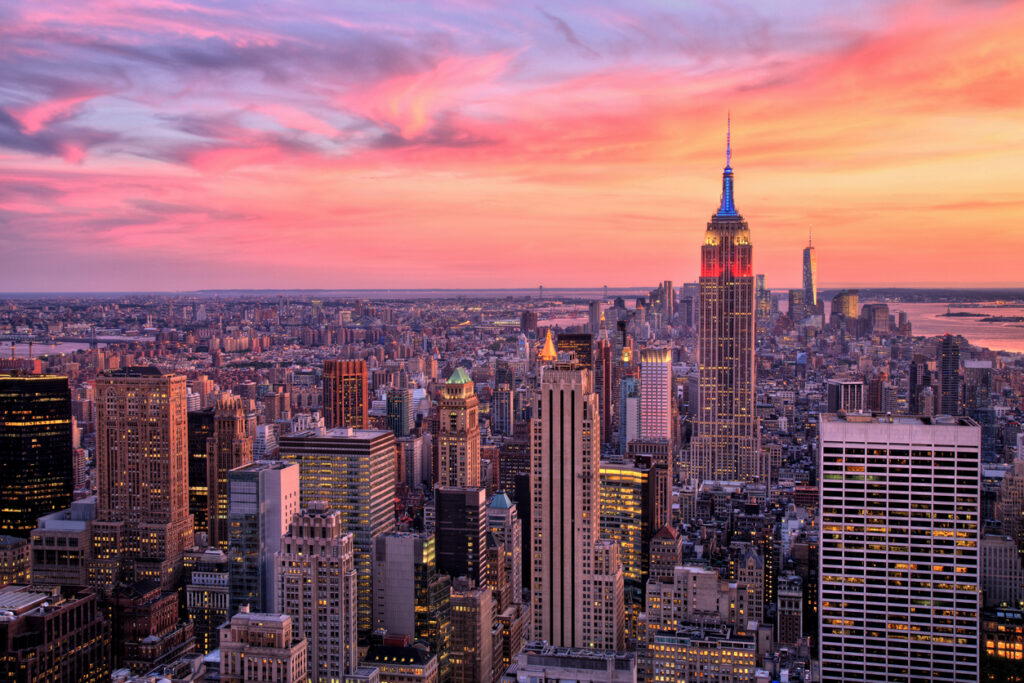
Cities like New York and Boston have laws prohibiting whistling to hail taxis, originally enacted to reduce urban noise pollution and protect the “sonic environment” of city streets. The laws remain on the books even though enforcement is virtually non-existent.
These outdated regulations show early attempts at environmental protection through noise control. These are laws that recognised sound as a form of pollution before that concept became widely accepted, even if the specific application seems absurd now.
In France, mayors can force residents to plant gardens.

French mayors have legal authority to require property owners to maintain or create green spaces on their land if it’s deemed beneficial to the local environment or urban ecology. Neglected land can be subject to orders for planting trees, gardens, or maintaining vegetation.
This law gives municipalities unusual power over private property, and provides leverage to enforce greening of urban areas, prioritising ecological benefit and urban heat reduction over absolute property rights.
Bolivia recognises Mother Earth as a sacred system.

The Law of Mother Earth grants nature equal status to human beings, creating legally enforceable rights for the environment, including rights to life, biodiversity, and freedom from contamination. It’s rooted in indigenous Andean spiritual beliefs but enforced as national law.
Bolivia’s approach goes beyond Western conservation frameworks. It treats environmental harm as equivalent to human rights violations, allowing prosecution of companies and individuals for damaging ecosystems in ways that would merely be regulatory violations elsewhere.
In Germany, you must prove your dog is well-behaved.

Several German states require dog owners to pass competency tests proving they can control their animals and understand canine behaviour before being allowed to keep certain breeds. The laws exist to protect both public safety and the dogs themselves from irresponsible ownership.
Getting a dog in Germany can be more complicated than getting a driving licence. It’s a system that recognises responsible animal ownership requires knowledge and skill, treating it as a privilege requiring demonstrated competence rather than an automatic right.
Ancient trees in the UK have legal protection nobody can override.

Trees covered by Tree Preservation Orders in Britain have legal protection so strong that even property owners cannot remove them without permission, regardless of damage to buildings or infrastructure. Some TPOs protect individual trees deemed to have historic or environmental significance.
You’ll see houses literally built around protected trees or gardens designed entirely around a single ancient oak. The result is laws that value ecological and historical heritage over property rights and convenience, occasionally creating genuinely strange architectural compromises.
In Singapore, you need a permit to own more than two dogs.

Singapore caps dog ownership at two per household without a special licence, designed to prevent animal hoarding and ensure adequate care. The law also restricts certain breeds entirely and requires licensing for all dogs.
Singapore’s approach treats pet ownership as something requiring government oversight. They have strict controls that prioritise animal welfare and public health over unlimited pet ownership, reflecting the challenges of densely populated urban environments.
Colombia’s spectacled bear has the right to freedom.
A court ruling granted a spectacled bear named Chucho the legal right to freedom from captivity, recognising him as a rights-holding being rather than property. This precedent potentially extends to other animals in similar situations.
This case fundamentally challenges how animals are classified legally. It means individual animals can essentially petition for their freedom through representatives, treating their confinement as a rights violation rather than simply a question of ownership or facility standards.
In Venice, feeding pigeons can land you a hefty fine.
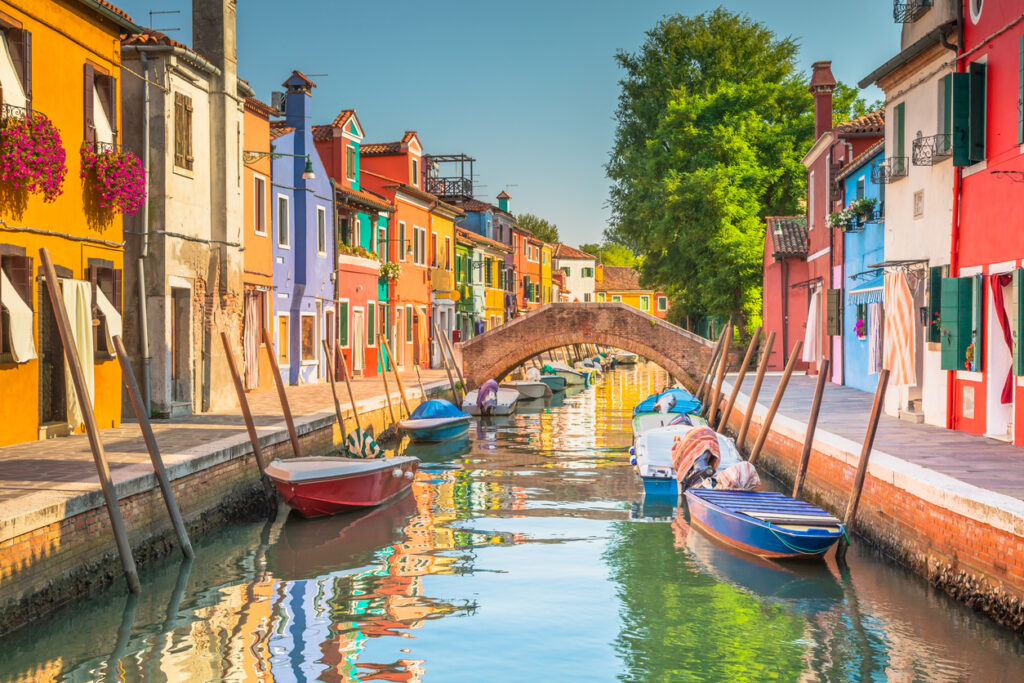
Venice banned feeding pigeons entirely to protect the city’s historic architecture from bird droppings and the damage they cause. Violations can result in fines up to €500, and the law is actually enforced unlike many tourist city regulations.
You won’t see the massive pigeon flocks that once defined St. Mark’s Square. The law prioritises protecting cultural heritage over romantic notions of feeding birds, recognising that unchecked wildlife populations can genuinely threaten irreplaceable historic sites.