Flying squirrels look cute and harmless, but once you see what they can do in the trees, you start to realise they’re basically tiny acrobats with fur.
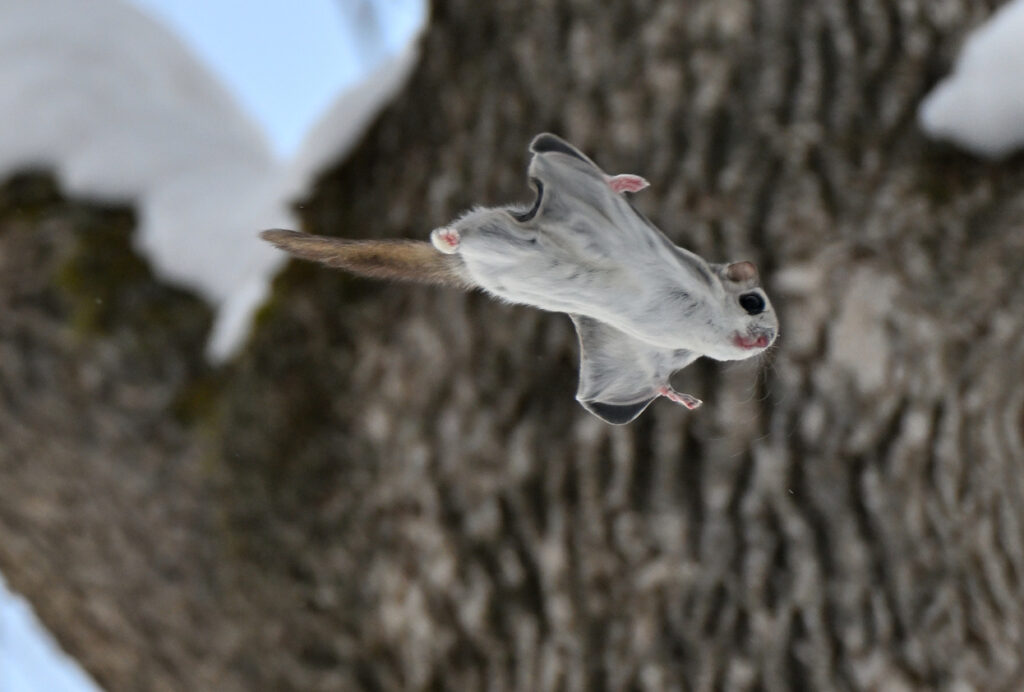
They leap from insane heights, glide farther than seems physically possible, and land like they’ve been rehearsing the move for weeks. While other animals climb or hop, flying squirrels launch themselves into full glide mode, steering with their bodies as if they’ve studied aerodynamics.
What’s wild is they do all of this without hesitation. A branch wobbles, a gap appears, and they just go for it. No planning meeting. No overthinking. Just pure instinct and outrageous confidence. These little night pilots don’t need attention or applause. Their actions speak for themselves, and the proof is in every ridiculous leap.
1. They can glide the length of a football pitch in one jump.
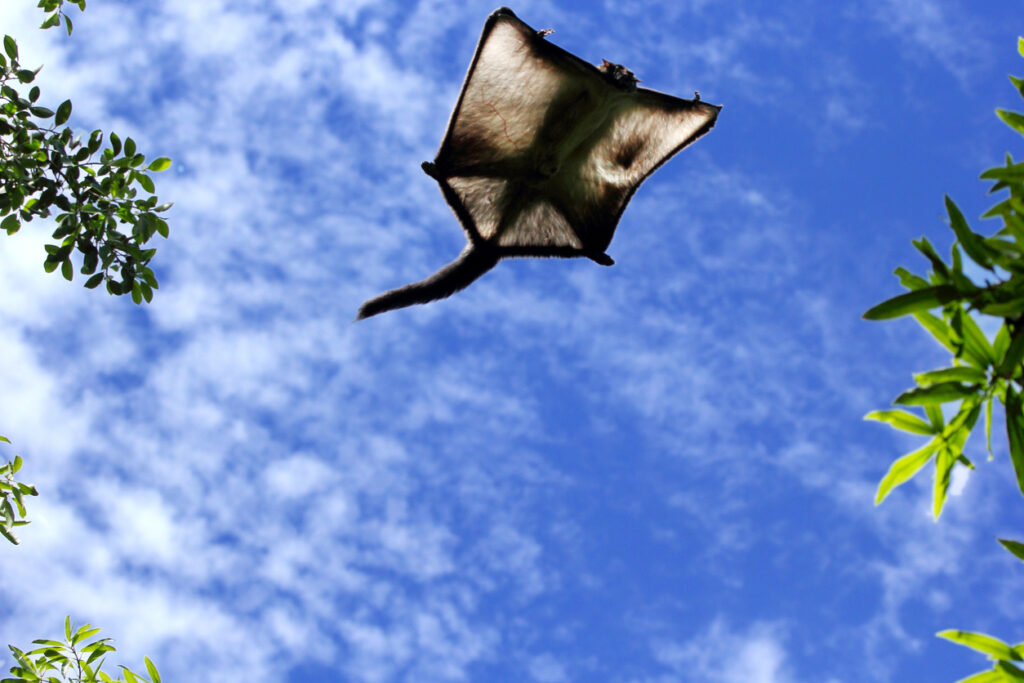
A flying squirrel can launch itself from a tree and glide up to 90 metres before landing, covering distances that would take a ground squirrel ages to run. They achieve this using a furry membrane called a patagium that stretches between their wrists and ankles.
They’re so much more efficient at moving through forests than their terrestrial cousins. They can cover vast distances without touching the ground, avoiding predators and accessing food sources across territories that would be impossible to navigate by climbing and jumping alone.
2. They can make 180-degree turns midair.
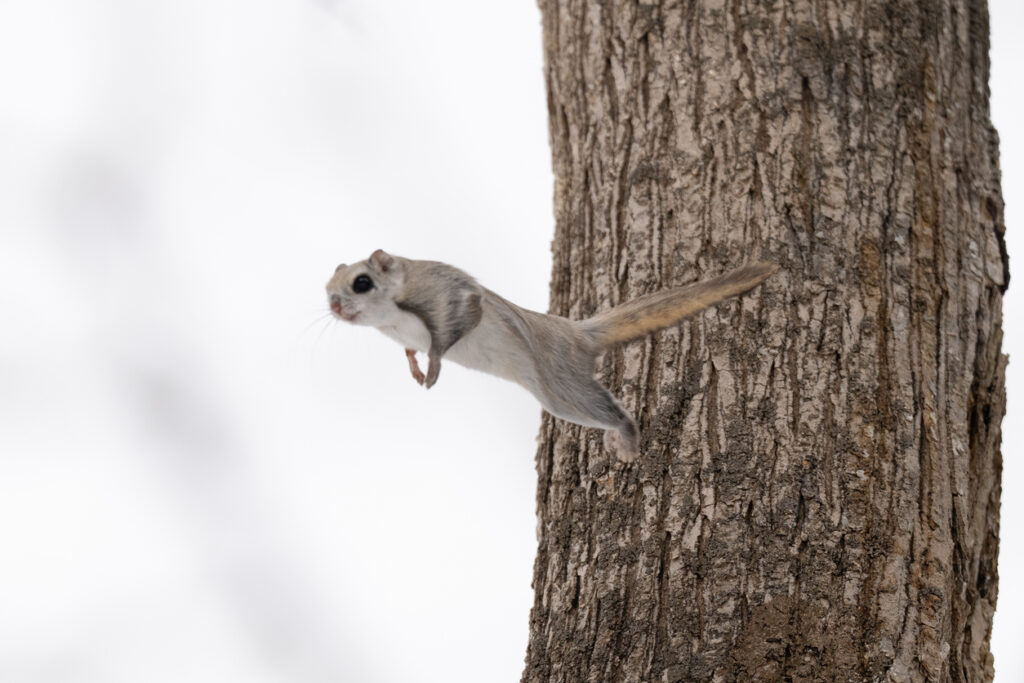
Flying squirrels don’t just glide in straight lines, they can change direction dramatically whilst airborne by adjusting their limbs and tail. They’ll bank, turn, and navigate around obstacles with precision that seems impossible for an animal without wings.
They can glide through dense forest without smashing into trees. This mammal essentially performs controlled flight using nothing but skin flaps and body positioning, making real-time navigational decisions whilst hurtling through the air.
3. Their eyes are absurdly large for their body size.
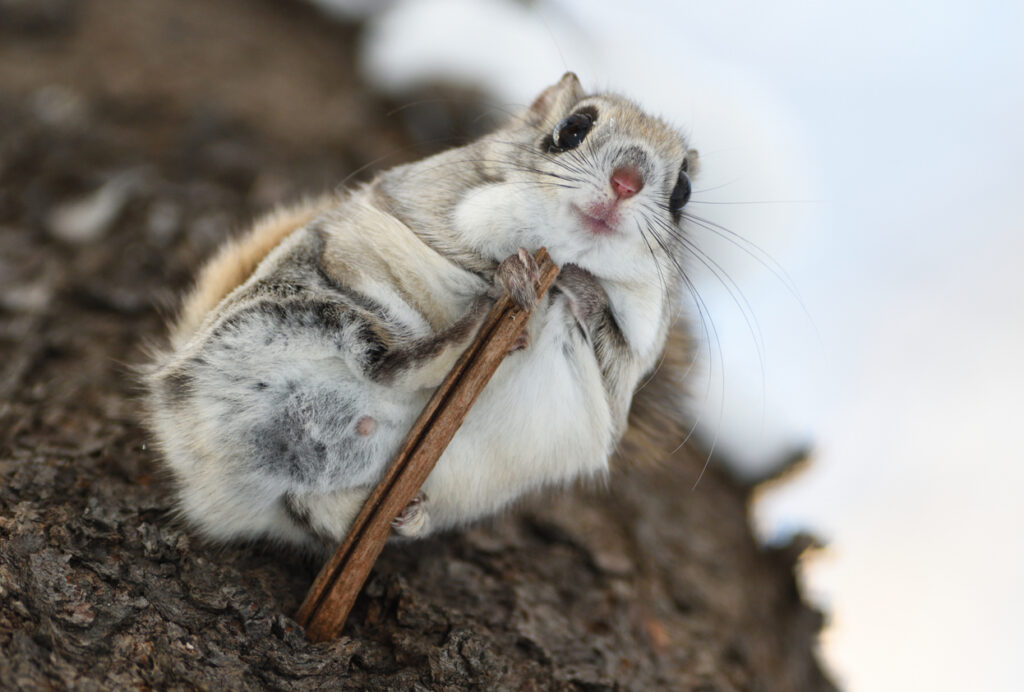
Flying squirrels are strictly nocturnal, and their enormous eyes collect maximum light to help them navigate in near-darkness. Proportionally, their eyes are among the largest of any mammal relative to body size, giving them excellent night vision for their aerial acrobatics.
They can judge distances and land accurately even on moonless nights. They’re basically flying blind by human standards, but seeing perfectly well in conditions where most mammals would be completely lost.
4. They can control their glide speed with remarkable precision.
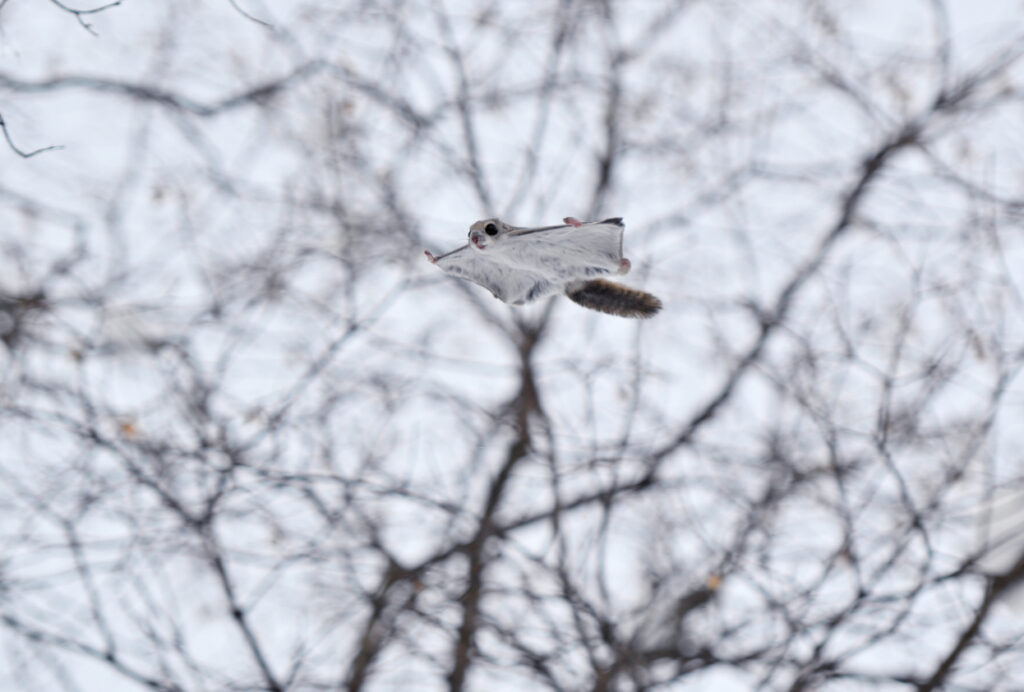
By adjusting the angle of their body and the tension in their patagium, flying squirrels can speed up or slow down mid-glide. They’ll brake before landing by tilting their body upward and using their tail as an air brake, touching down gently rather than crashing.
They can land on branches barely thicker than a pencil without losing balance. In fact, they have such fine control over their aerial speed that they can make pinpoint landings on targets that would be impossible to hit at uncontrolled velocity.
5. Their tail works as both rudder and parachute.
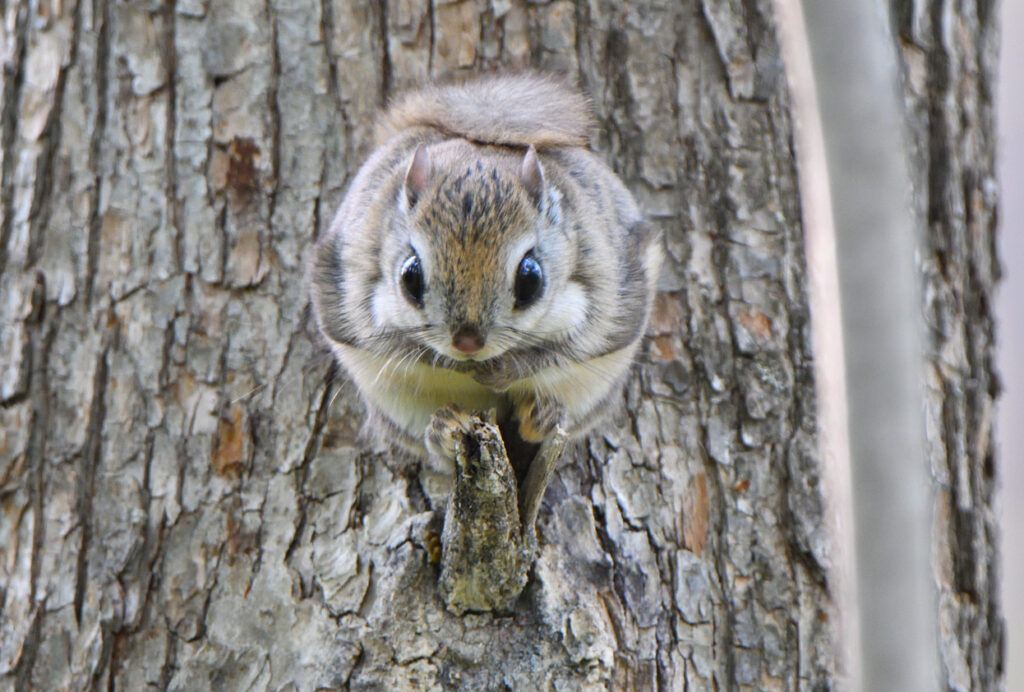
That fluffy tail isn’t just for show, it’s essential flight equipment. Flying squirrels use it to steer during glides and as a critical braking mechanism when landing, flattening it to increase drag or angling it to adjust direction.
Understandably, a flying squirrel with a damaged tail struggles to navigate properly. It’s pretty much a multipurpose aerial control surface that provides both directional control and speed management, all covered in fur rather than feathers.
6. They’re the only gliding mammal in Britain.
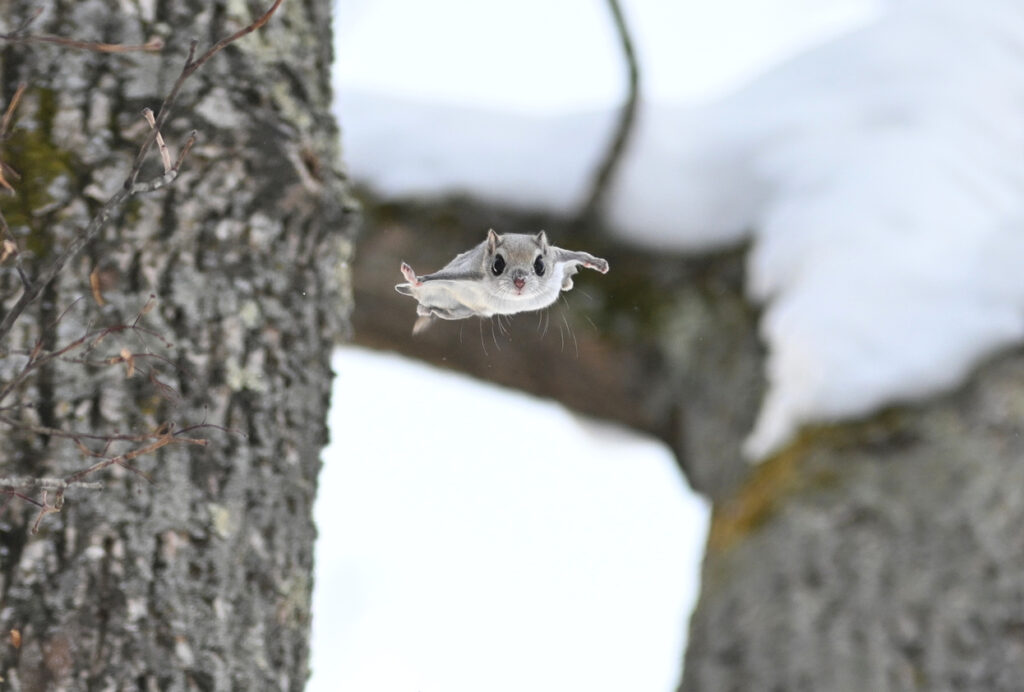
The Siberian flying squirrel is found in Finland and small parts of northern Europe, making it Europe’s only native gliding mammal. Britain doesn’t have any flying squirrels, but their continental cousins demonstrate gliding abilities that no British mammal can match.
They occupy such a unique ecological niche in European forests because of their uniqueness. They exploit a mode of transport that literally no other European mammal uses, giving them access to resources and escape routes unavailable to anything else their size.
7. Baby flying squirrels practise gliding from just weeks old.
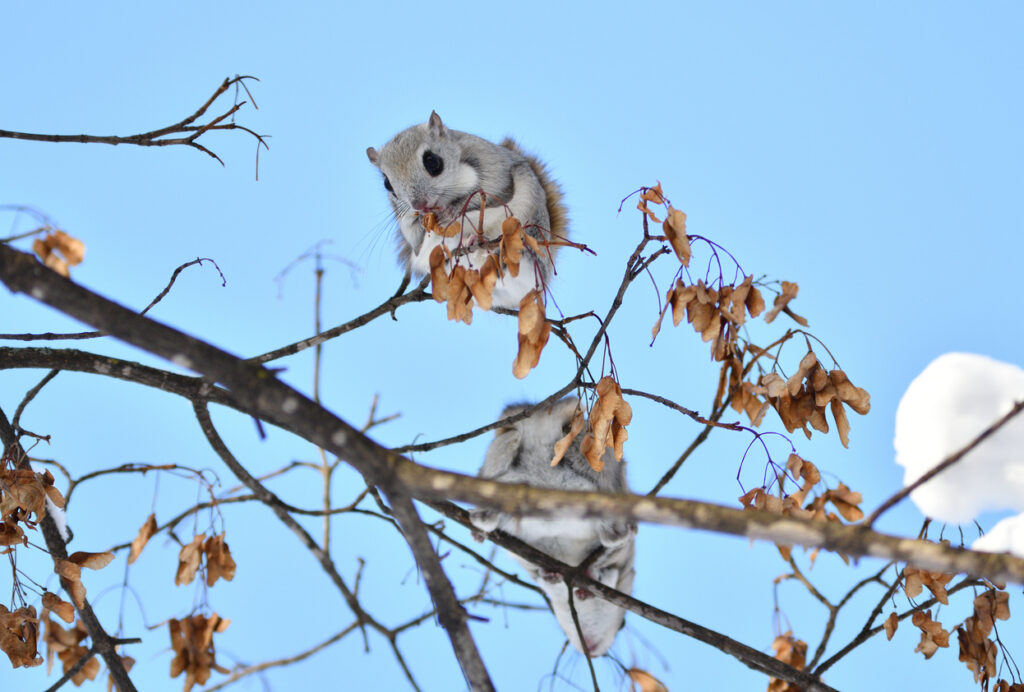
Young flying squirrels start attempting short glides at around two months old, initially managing only a few metres before gradually extending their range. They’re not born knowing how to glide, they learn through practice and apparently quite a few clumsy landings.
You’ll see juvenile flying squirrels making tentative, short jumps before they master the long glides. That’s because they have to develop their aerial skills gradually, suggesting gliding is a learned behaviour refined over time rather than pure instinct.
8. They can navigate to specific tree holes in complete darkness.
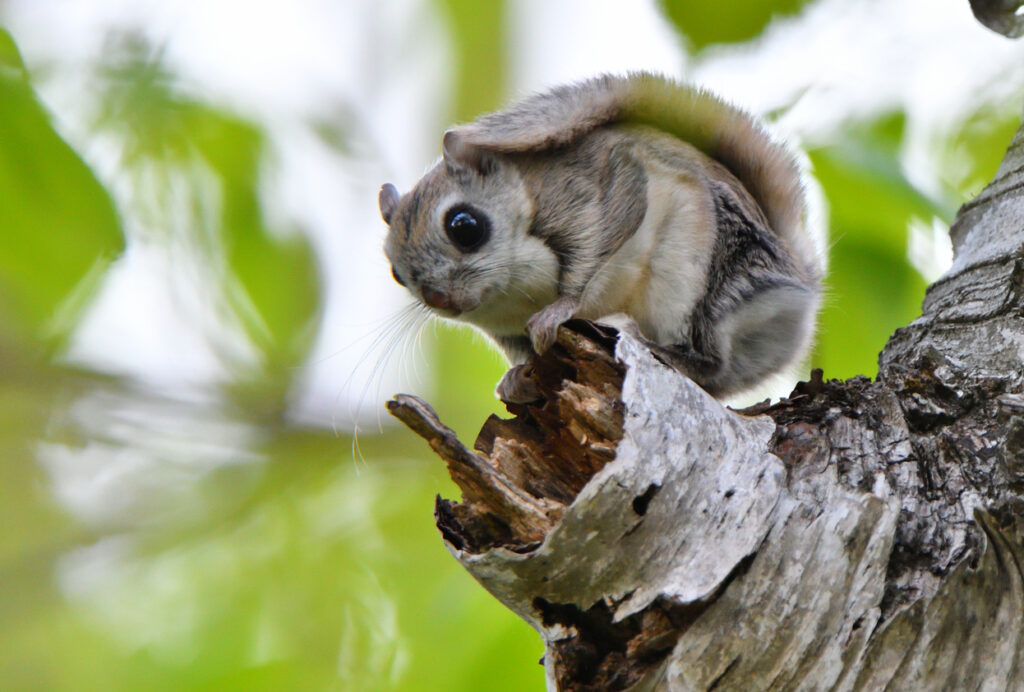
Flying squirrels don’t just glide randomly, they’ll launch towards a specific tree cavity from dozens of metres away, landing accurately at their intended destination even on pitch-black nights. They memorise their territory’s layout in incredible detail.
They can move through forests at night with such confidence because they have mental maps precise enough to execute targeted glides to locations they can barely see, combining memory, spatial awareness, and aerial skill.
9. Their ankle bones are specially modified for gliding.
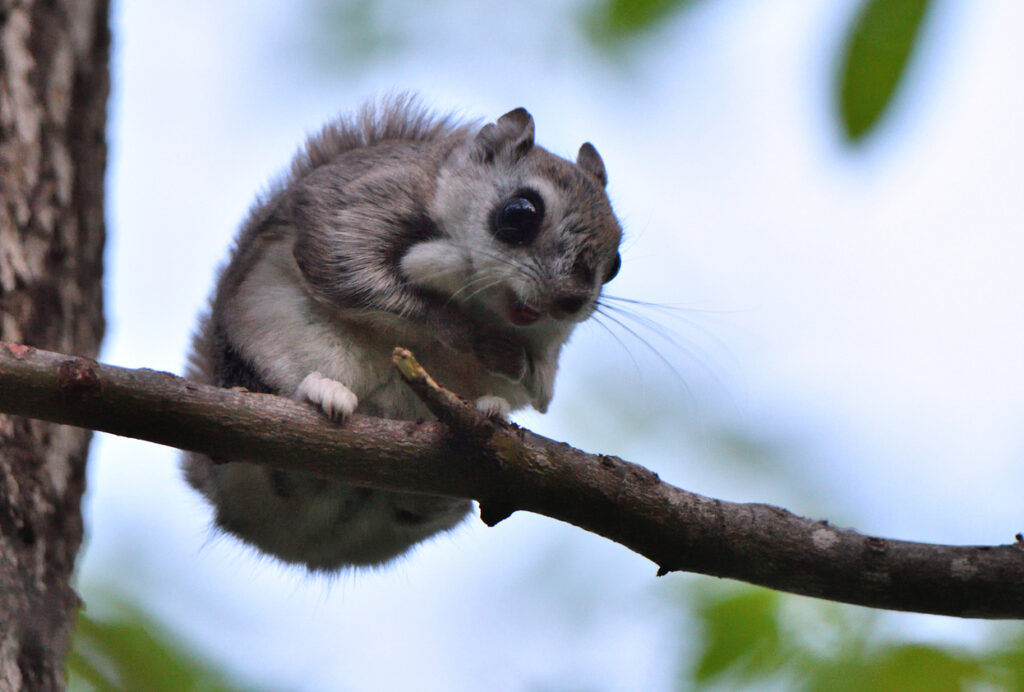
Flying squirrels have unique wrist and ankle bones that act as support struts for their patagium, allowing them to stretch the membrane taut for maximum lift. These skeletal modifications are found only in gliding mammals and represent millions of years of evolutionary fine-tuning.
Their gliding membrane works so much better than just loose skin. They have a rigid-frame system that creates a proper aerodynamic surface rather than just a flappy bit of skin, maximising lift and control.
10. They’re effectively invisible to predators while gliding.
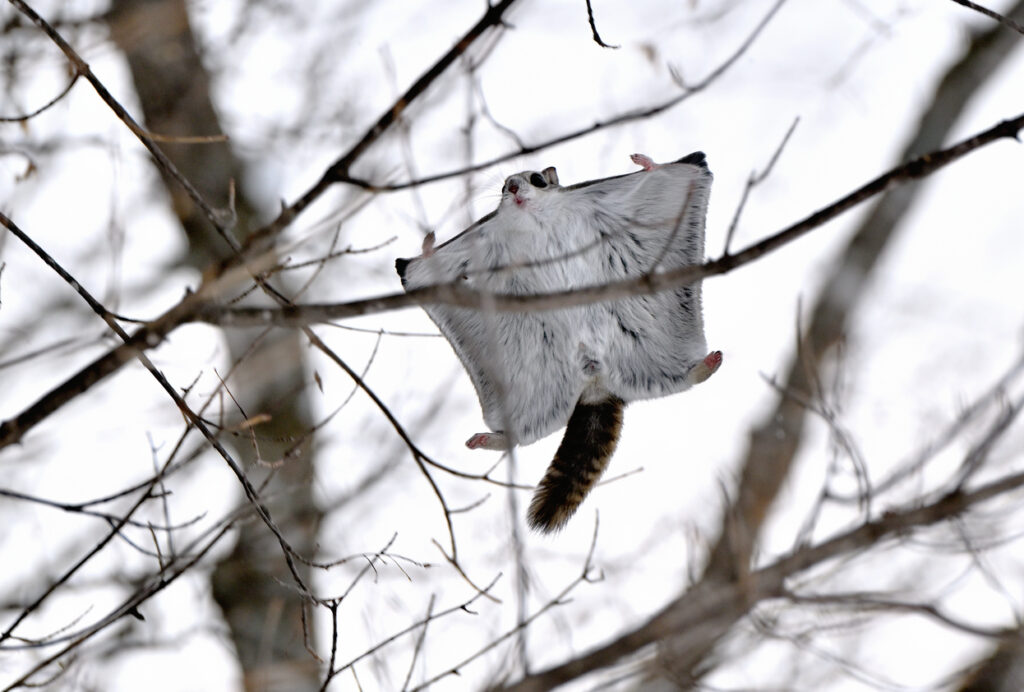
Because flying squirrels are nocturnal gliders, they’re almost impossible for owls and other nighttime predators to track. They make no sound while airborne, move quickly, and are difficult to spot against dark forest backgrounds, making them remarkably successful at avoiding predation.
Gliding evolved as a pretty effective survival strategy for them. They’re prey animals that can essentially disappear into the darkness, covering distances silently and rapidly in a way that gives pursuing predators almost no opportunity to maintain visual contact.
11. Some species can glide whilst carrying their young.
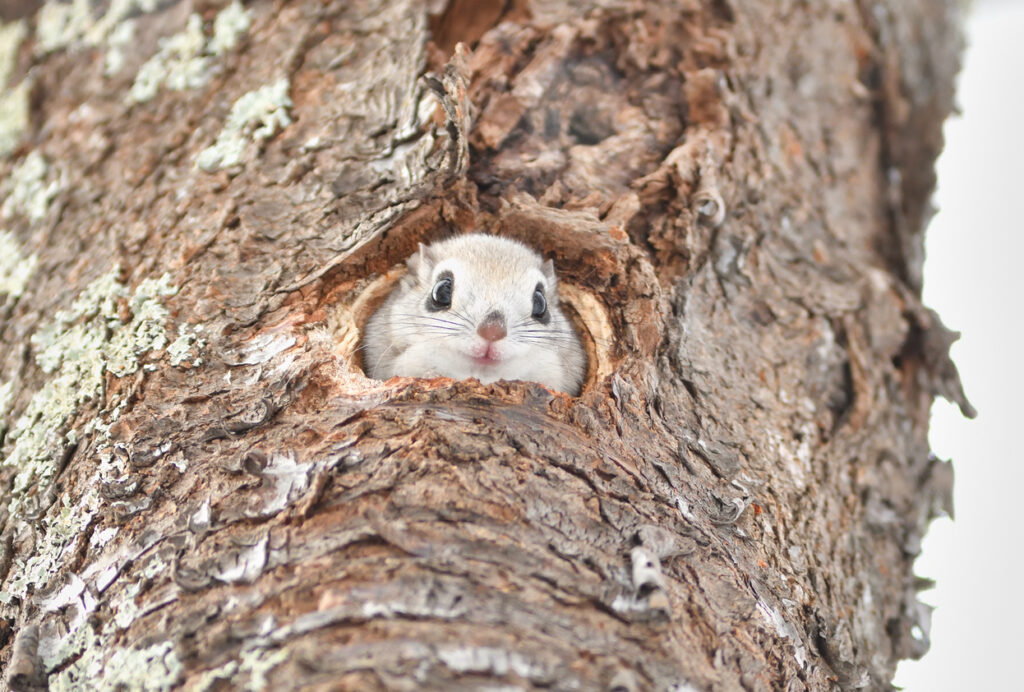
Mother flying squirrels have been observed gliding with babies clinging to them, essentially carrying passengers during aerial manoeuvres. This requires even more precise control and strength, as the additional weight and altered centre of gravity makes gliding significantly more challenging.
It’s such an impressive feat of aerial ability, especially given that they can compensate mid-flight for extra weight and balance issues, adjusting their technique on the fly to maintain controlled glides whilst transporting offspring.
12. They can assess jump distance and wind conditions before launching.
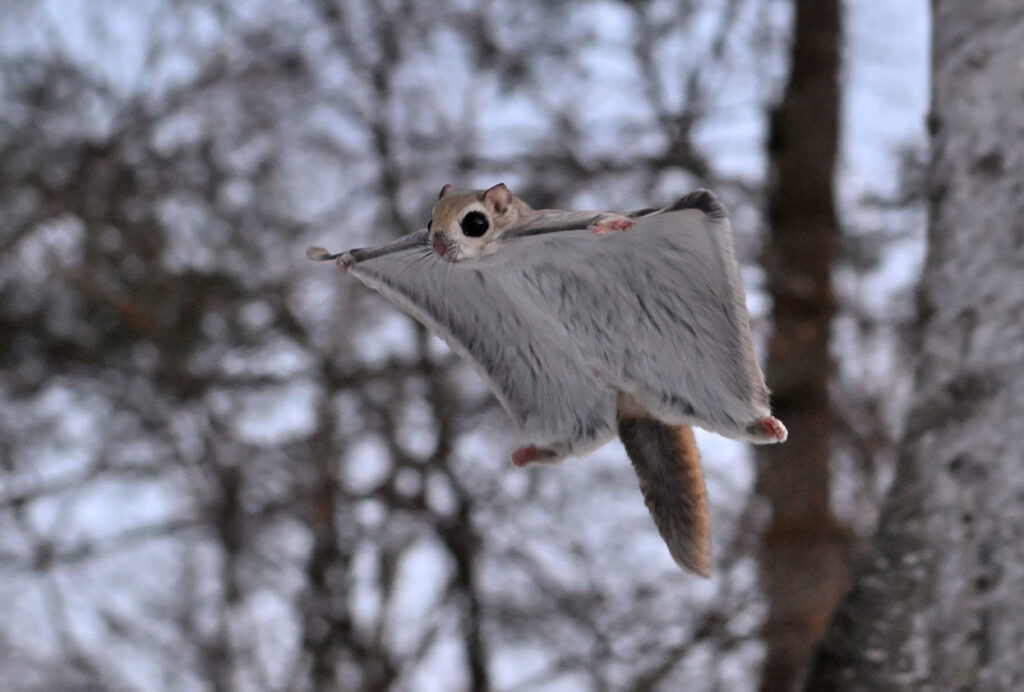
Flying squirrels don’t just leap blindly, they’ll spend time at the launch point bobbing their heads and body, apparently judging distance and testing wind conditions before committing to a glide. This pre-flight ritual suggests genuine decision-making about whether conditions are suitable.
They rarely misjudge glides badly enough to injure themselves. These animals are genuinely evaluating risk and physics before launching, rather than just jumping and hoping for the best like less sophisticated gliders might.
13. They survive falls that would kill other squirrels.
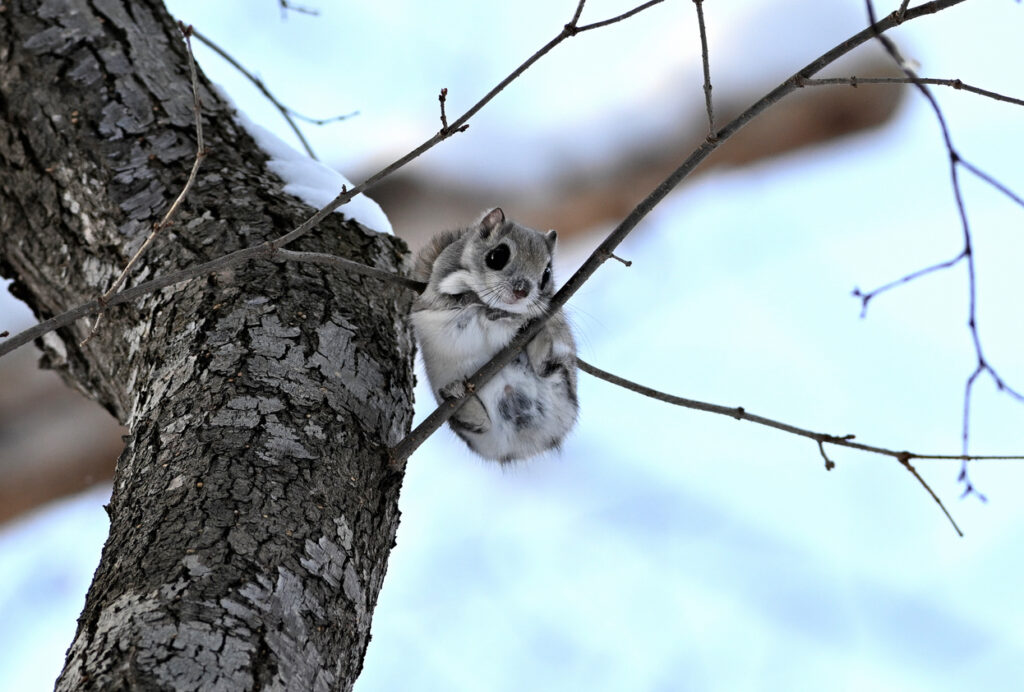
Even when glides go wrong, flying squirrels rarely suffer serious injury from falls because their body structure and patagium provide inherent cushioning. They can survive drops from heights that would be fatal to grey or red squirrels of similar size.
They can afford to take aerial risks that would be suicidal for other small mammals. Their entire physical structure is designed to survive mistakes in their high-risk lifestyle, meaning even failed glides rarely result in serious harm.