British daylight hours are unique, with long summer evenings and shorter, dimmer days in winter.

Some plants are naturally suited to these conditions, thriving when others might struggle. Choosing species that adapt well to this light pattern makes gardening easier and more rewarding. If you’re looking for good choices for your own outdoor space, these are some solid options.
1. Foxgloves
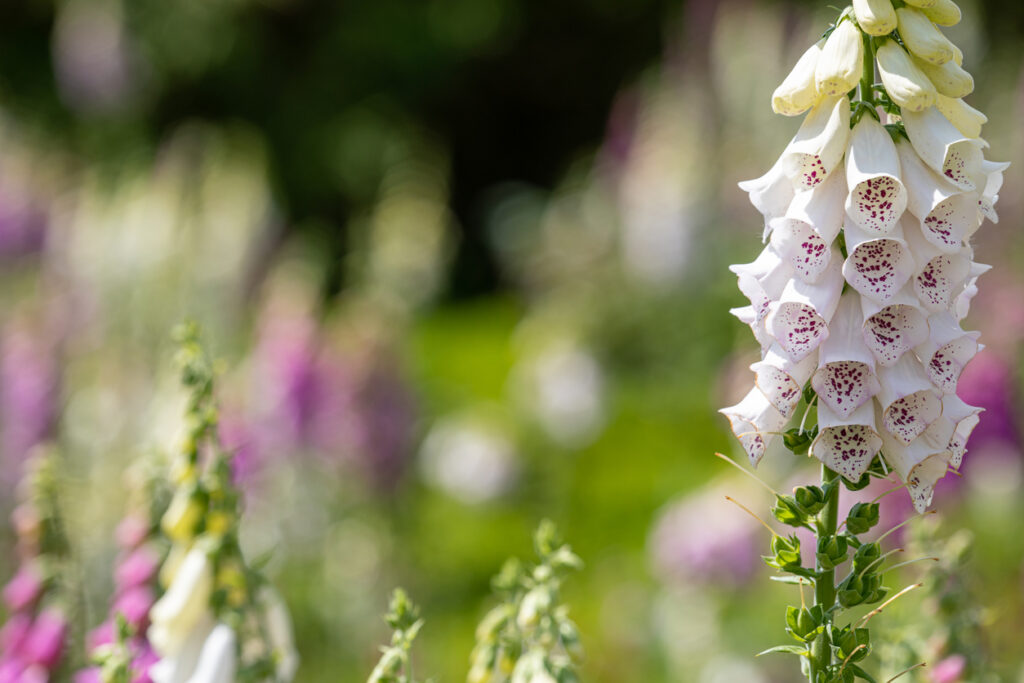
Foxgloves are perfectly suited to British summers, when daylight stretches well into the evening. Their tall spikes of flowers can handle both partial shade and full sun, making them a flexible choice for different corners of the garden. They naturally take advantage of longer days, producing striking blooms that support pollinators.
Planting them in shaded spots beneath trees or along fences can fill gaps where fussier plants would struggle. Because they reseed easily, they will return year after year with little effort, ensuring the long daylight hours are put to full use.
2. Roses
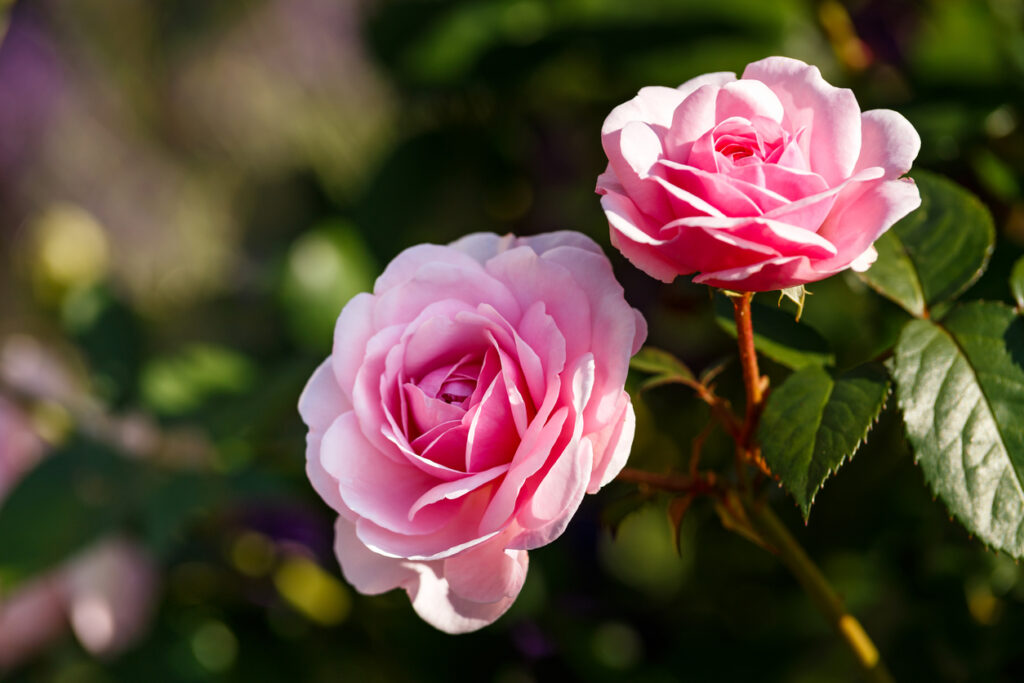
Roses have long been a staple in British gardens, partly because they thrive with extended summer light. The extra daylight helps them produce multiple flushes of flowers, bringing colour throughout the season. They can tolerate less light in autumn too, which keeps them blooming later than many species.
To get the best from roses, position them where they get at least six hours of sunlight daily. Feeding them regularly and pruning carefully ensures they respond strongly to changing daylight hours, rewarding you with continuous flowers.
3. Lavender

Lavender flourishes in the long, bright days of summer and copes well with shorter daylight in winter. Its Mediterranean origins make it well adapted to take in every bit of available sunlight, yet it still handles the British climate. The longer evenings encourage a steady flow of fragrant blooms that last into late summer.
For success, plant lavender in well-drained soil and a sunny position. Cutting it back after flowering helps it stay neat and ensures it can make the most of the following season’s daylight hours.
4. Hardy geraniums
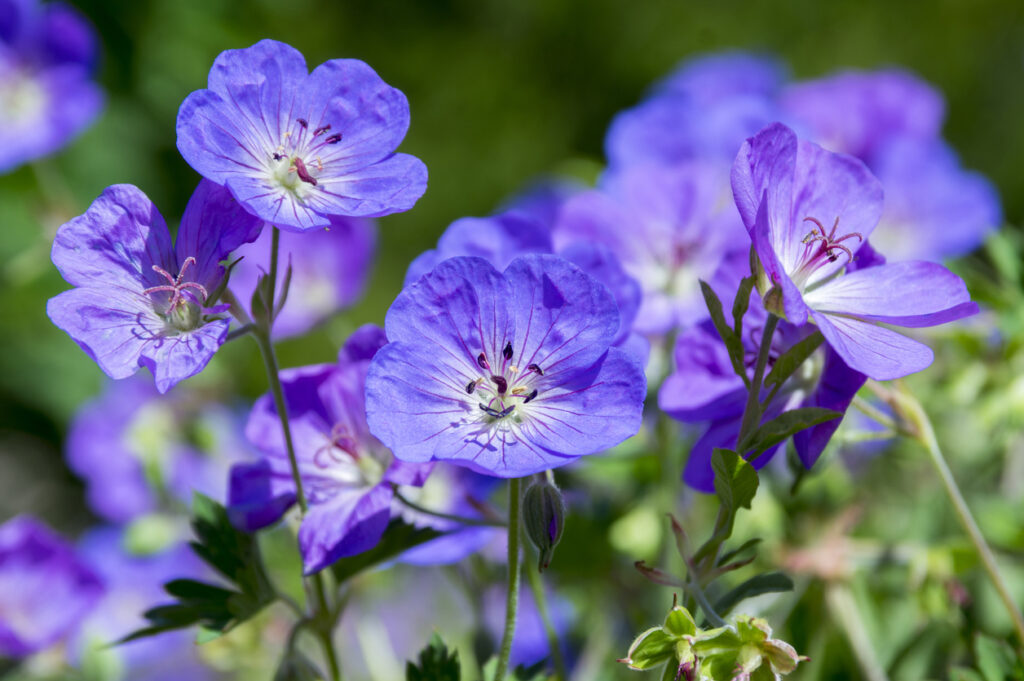
Hardy geraniums cope brilliantly with the changing daylight patterns in Britain. They spread easily in partial shade yet also perform well in full sun, producing flowers that last for months. Their adaptability to light makes them a reliable choice for borders or underplanting.
Plant them where you need dependable ground cover. Because they can handle changing light, they are especially useful in gardens where shade moves during the day, keeping colour present across long summer hours.
5. Clematis
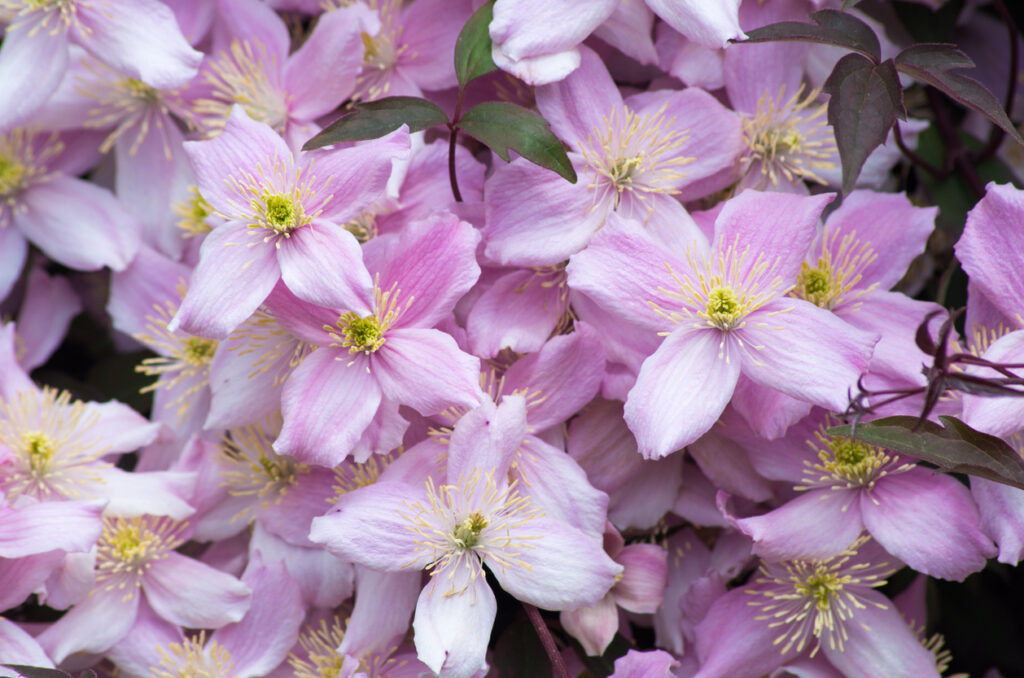
Clematis vines respond beautifully to long daylight hours, climbing quickly and producing impressive blooms. They are adaptable to British seasons, thriving in bright summer evenings but still managing when autumn daylight shortens. Their growth is closely tied to the rhythm of the light.
Give them a sunny spot with shaded roots to balance their needs. Choosing varieties that bloom at different times ensures that your clematis will take full advantage of every change in daylight across the year.
6. Daffodils
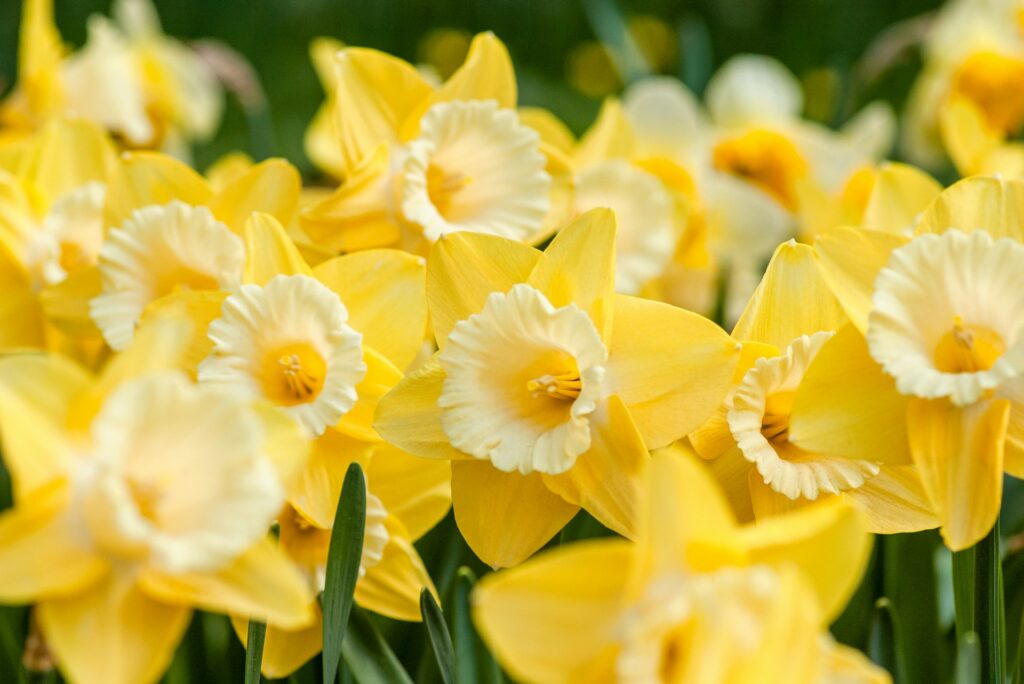
Daffodils are timed perfectly to British spring light, shooting up as days start to lengthen. They do not need endless hours of sun, yet they flourish as soon as daylight increases after winter. Their cycle is finely tuned to these seasonal changes.
Planting daffodil bulbs in autumn ensures they are ready to respond to lengthening days. Because they naturalise easily, they will multiply and adapt seamlessly to Britain’s light conditions year after year.
7. Hostas
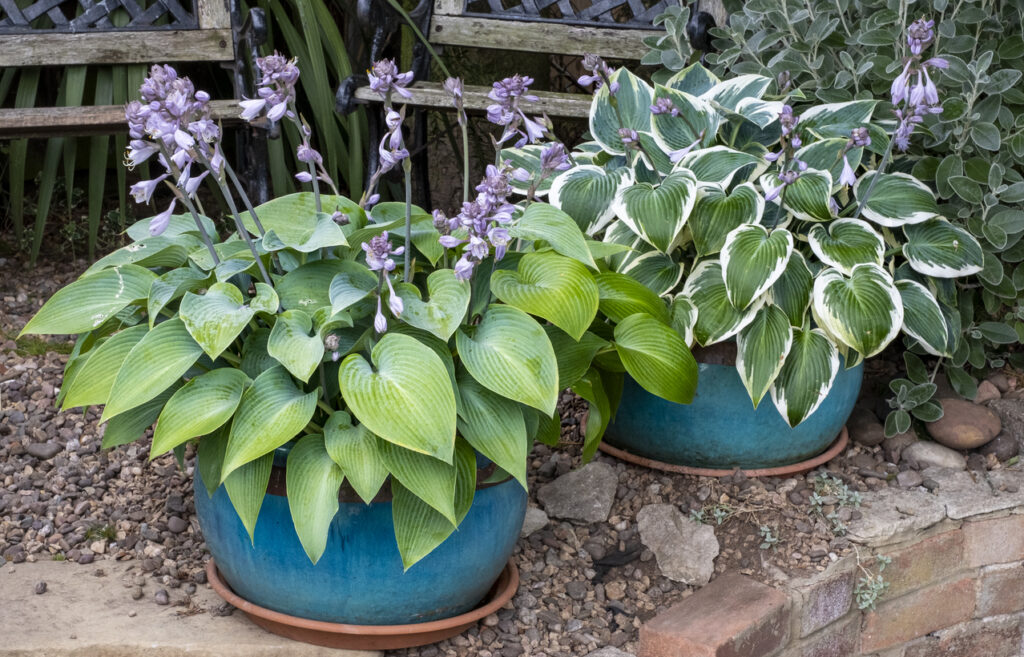
Hostas are ideal for shady corners where daylight hours are weaker. They evolved to thrive without long stretches of sun, so they make the most of the softer light in British gardens. Their foliage still grows lush and vibrant, even in areas that only get a few hours of brightness each day.
Position them under trees or near north-facing walls where other plants might fail. Because hostas tolerate low light so well, they are a dependable option for balancing gardens that have uneven daylight exposure.
8. Peonies
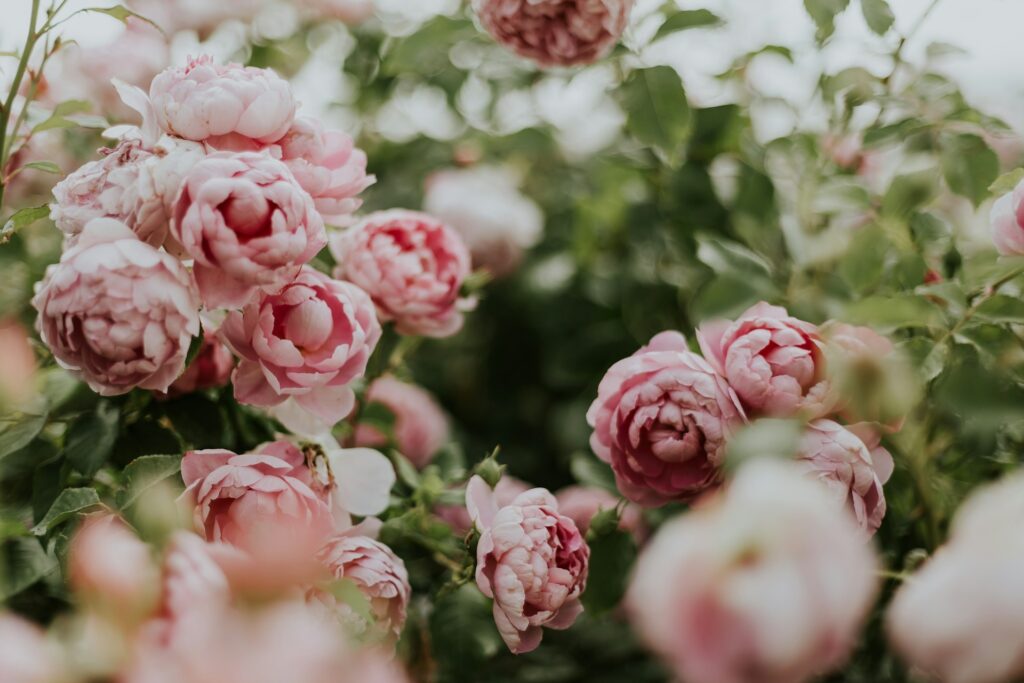
Peonies respond well to long summer days, building up energy through sunlight to produce dramatic flowers. They have adapted to climates with variable daylight and are strong performers in British conditions. Their blooms arrive just as daylight hours peak, making them one of the season’s highlights.
Plant peonies in sunny spots with rich soil to give them maximum energy during long days. Because they store strength for the following year, they benefit from steady daylight even after flowers fade, so leave their foliage intact until autumn.
9. Hydrangeas
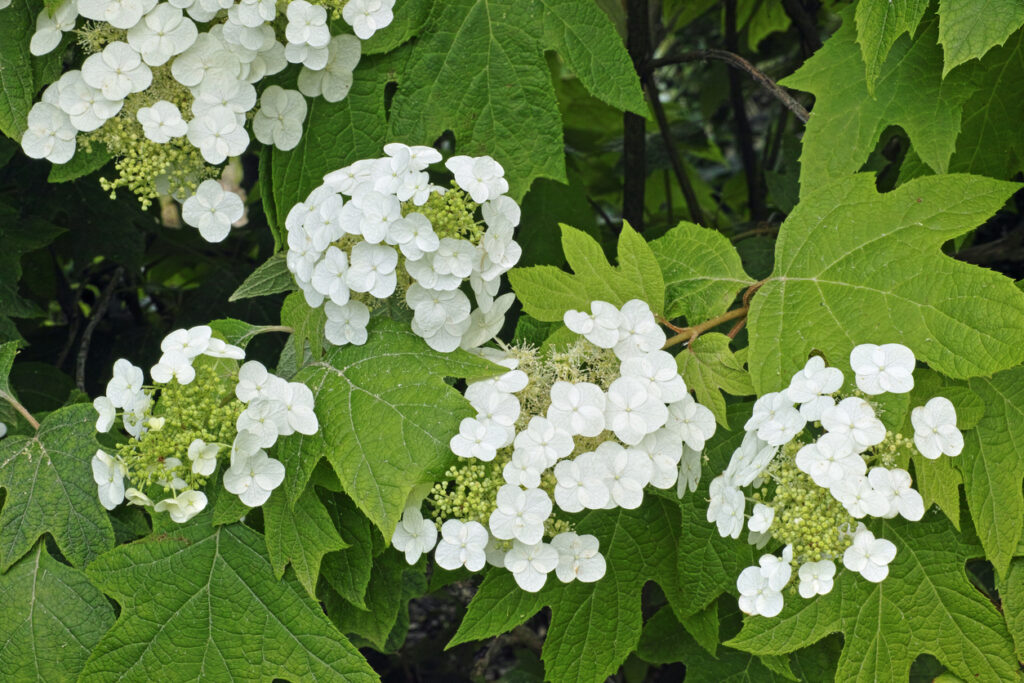
Hydrangeas adapt well to both sunny and shaded positions, which makes them well suited to Britain’s changing light patterns. Long daylight hours in summer encourage their clusters of flowers, whilst shorter autumn days bring a change in colour that many gardeners prize.
Place hydrangeas where they can catch morning light but get shade later in the day. This balance ensures they thrive without drying out and keeps them responsive to the full cycle of British daylight.
10. Sunflowers
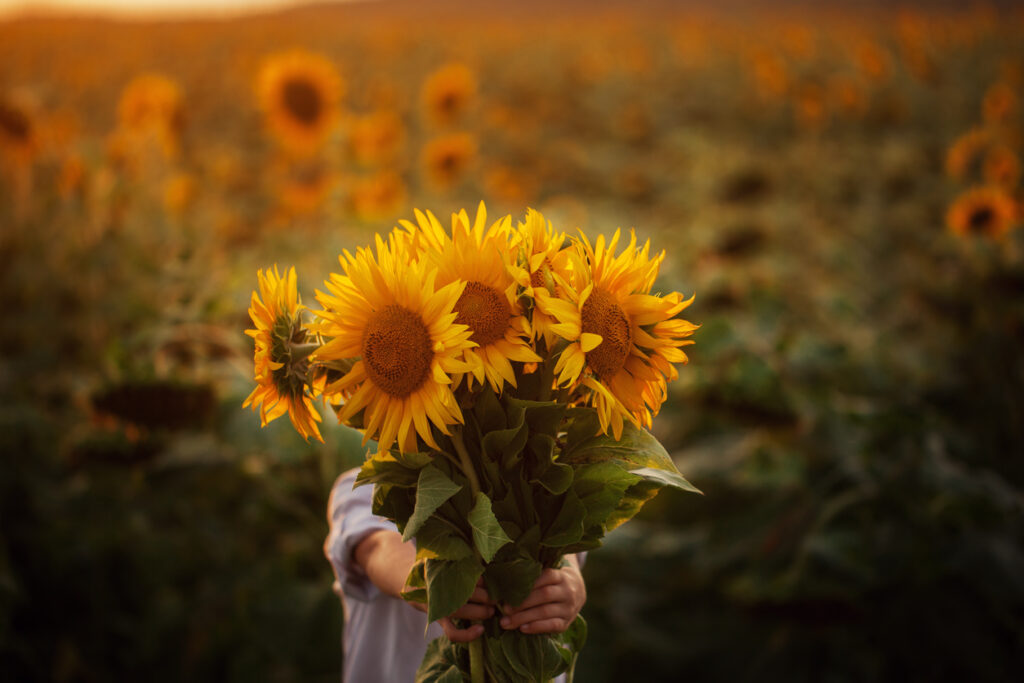
Sunflowers make the most of long daylight hours, turning their heads to follow the sun. In Britain, they grow tall and strong throughout summer, powered by extended evening light. Even though the season is shorter than in warmer regions, they adapt well enough to flourish.
Start seeds in spring so they are ready to soak up every hour of summer sun. Supporting them with stakes helps them stand tall, and their natural adaptation ensures they thrive in the available daylight.
11. Hollyhocks
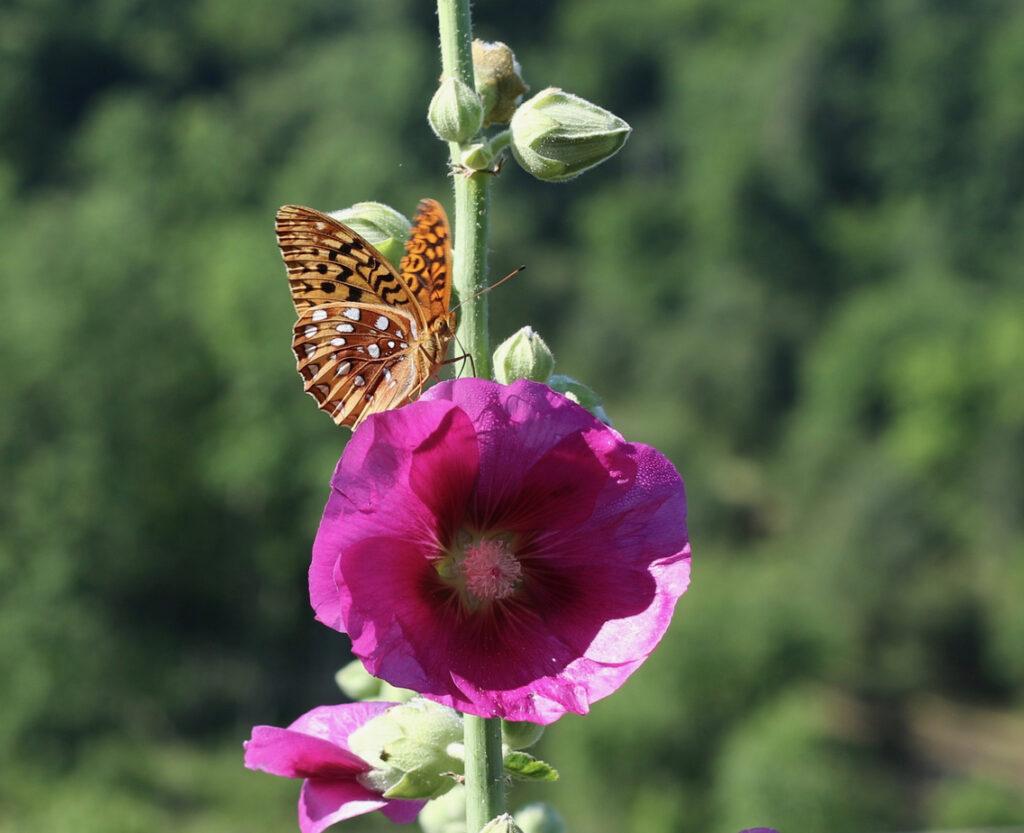
Hollyhocks take full advantage of Britain’s long summer evenings, producing tall spires of flowers. They cope with partial shade too, so they are versatile across different garden positions. Their height and resilience make them a classic choice for cottage-style planting.
Grow hollyhocks against fences or walls where they get plenty of light. Because they self-seed, they return easily, adapting to daylight year after year with minimal care from you.
12. Bluebells
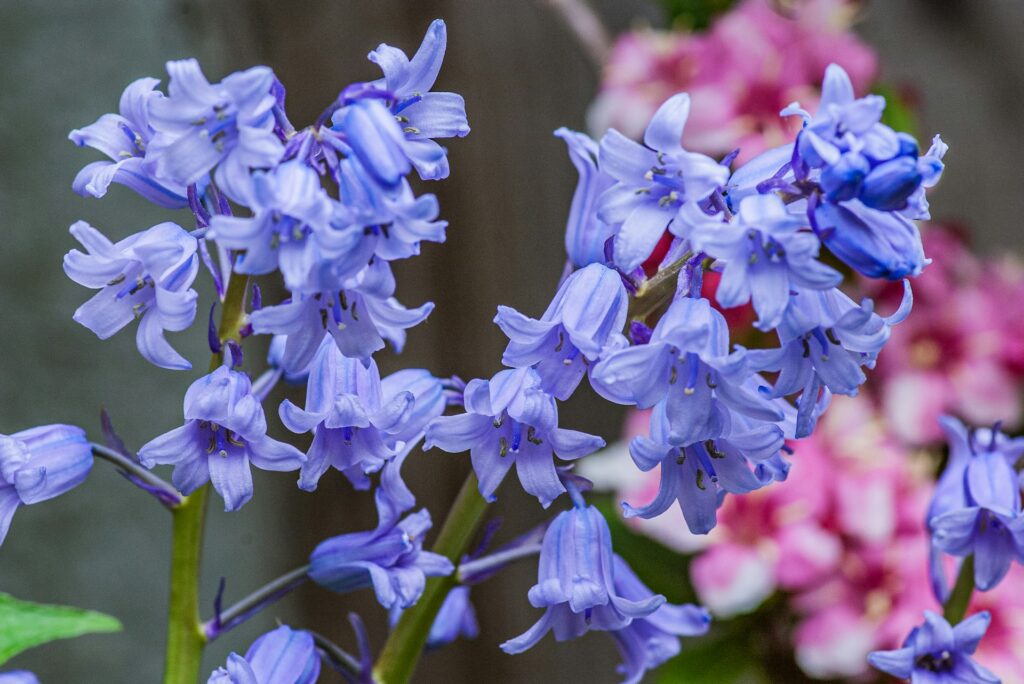
Bluebells are strongly tied to Britain’s natural light cycle, appearing in spring just as the days grow longer. They are woodland plants, so they are adapted to lower light levels under trees. This makes them a perfect match for the British balance of shade and emerging brightness.
Planting bluebell bulbs in shaded areas ensures carpets of colour each year. Since they thrive on the natural daylight rhythm, they are best suited to informal or wild garden spaces where light moves throughout the season.
13. Sweet peas
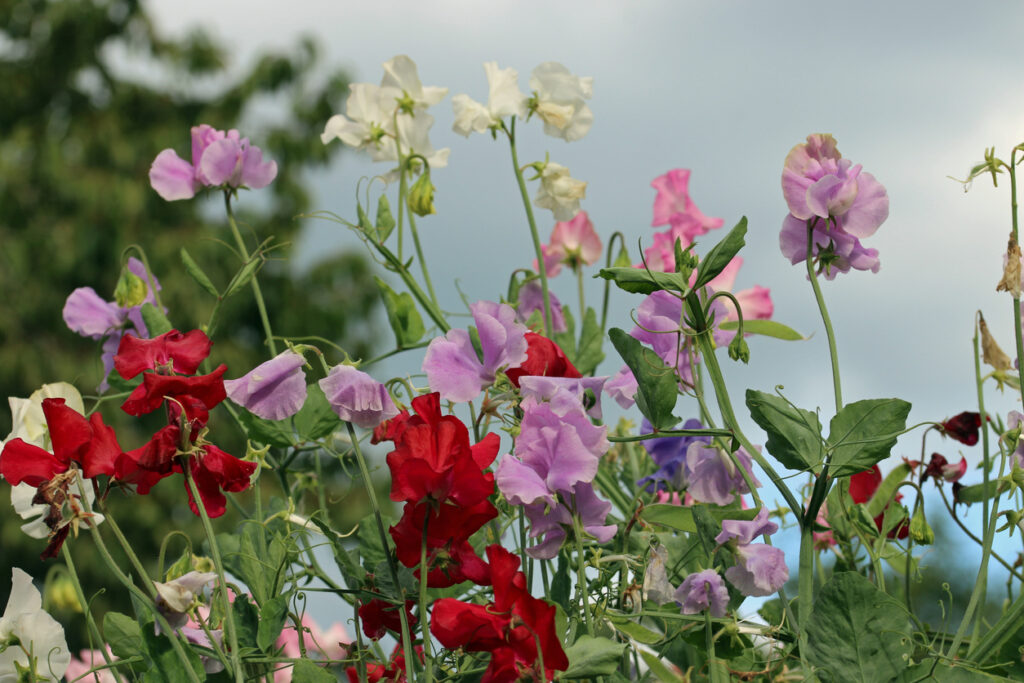
Sweet peas thrive in the long daylight hours of summer, sending out waves of fragrant flowers. Their growth and flowering are triggered by extended evening light, so they are one of the clearest examples of plants adapted to British conditions. Sow them in spring and provide support for climbing. Regular deadheading encourages them to keep producing flowers, making the most of every long summer day available.