The idea that T. rex had vision based on movement is one of the most enduring myths from “Jurassic Park.”
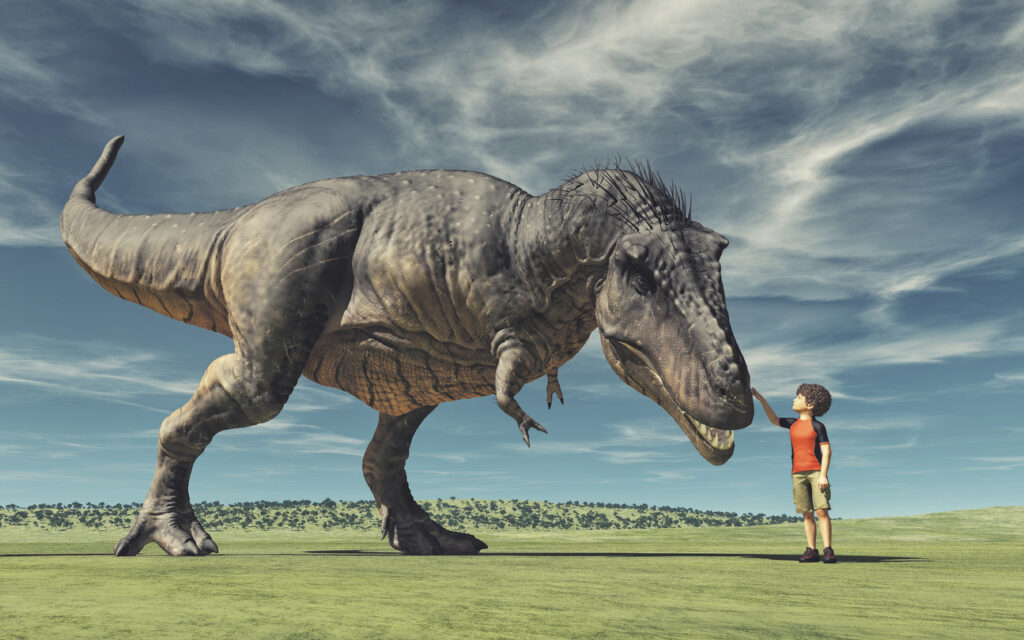
However, the reality of tyrannosaur vision is far more terrifying than the movie suggested. Standing still wouldn’t save you from becoming prehistoric lunch, unfortunately. No matter how quick you are or how much you think you could outsmart them, that’s unlikely to be the case. Lucky for you, it’s a problem you’ll never face!
T. rex had some of the best eyesight in the animal kingdom.
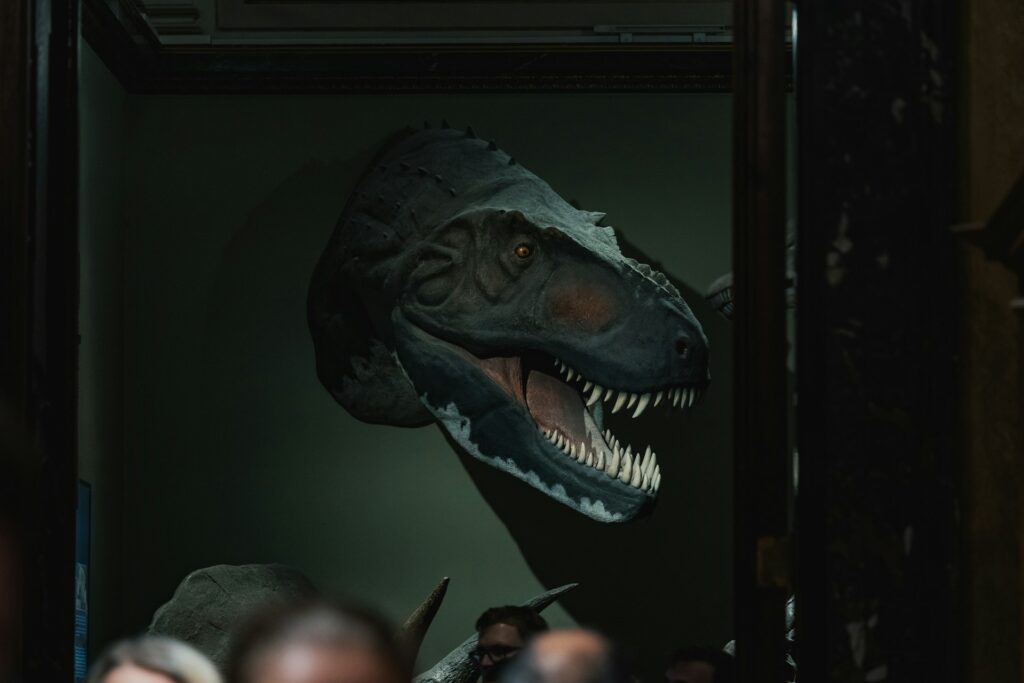
Fossil evidence shows that T. rex had massive eye sockets and brain regions dedicated to processing visual information, which suggests their eyesight was incredibly sharp. Their eyes were larger than modern crocodiles and positioned forward on their skull for excellent depth perception.
Scientists estimate that T. rex could see objects clearly from over three miles away, which is better vision than most birds of prey have today. They could probably spot you moving around from distances where you couldn’t even see them yet.
2. Forward-facing eyes gave them binocular vision like modern predators.

Unlike many dinosaurs that had eyes on the sides of their heads for watching for danger, T. rex eyes faced forward like those of modern predators such as eagles and big cats. This arrangement provides excellent depth perception for judging distances when attacking prey.
Binocular vision means T. rex could accurately judge how far away you were and time their attack perfectly, regardless of whether you were moving or standing completely still. Their brain could process three-dimensional images just like yours can.
3. Their brain structure shows sophisticated visual processing.
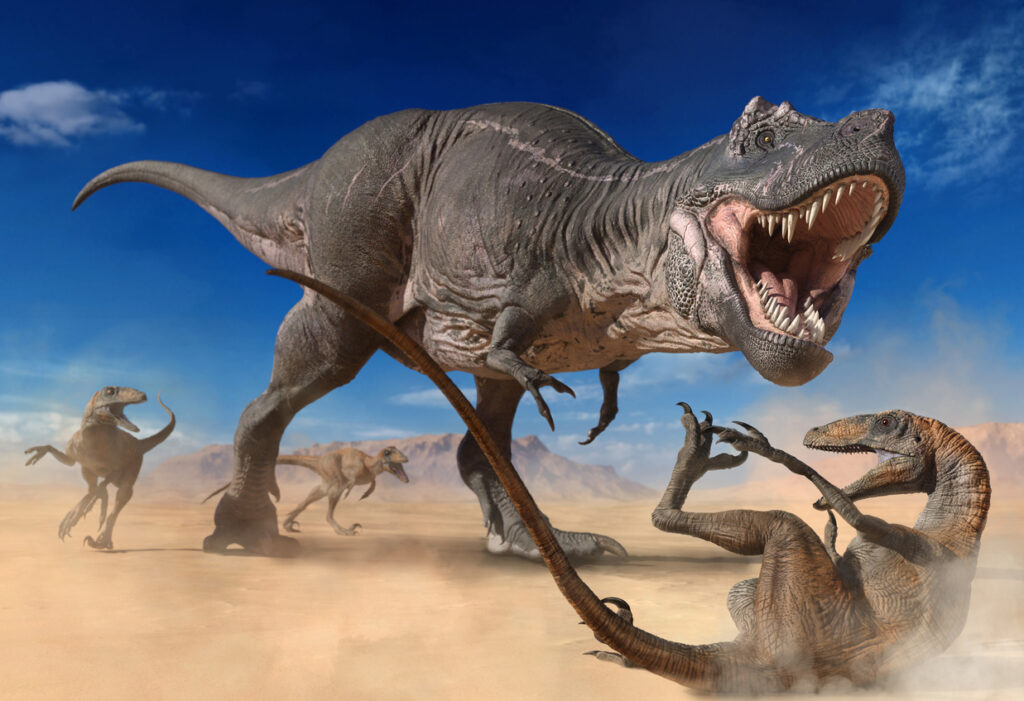
CT scans of T. rex skulls reveal that the parts of their brain responsible for processing visual information were highly developed, which suggests they relied heavily on sight for hunting and navigation. The visual cortex was proportionally larger than in most modern animals.
This advanced visual processing means they could detect subtle differences in their environment, like the shape of a human figure against the background landscape. Movement wasn’t necessary for them to spot potential prey or threats.
4. They could probably see colours better than you can.

Analysis of T. rex brain structure suggests they had excellent colour vision, possibly even better than humans because they may have been able to see into the ultraviolet spectrum like many modern birds. This would make camouflage strategies much less effective.
Many animals that seem well-hidden to human eyes are actually quite visible to creatures with different colour vision capabilities. Your clothing and skin would probably stand out dramatically to a T. rex, even if you thought you were perfectly camouflaged.
5. Movement detection was just one part of their visual toolkit.
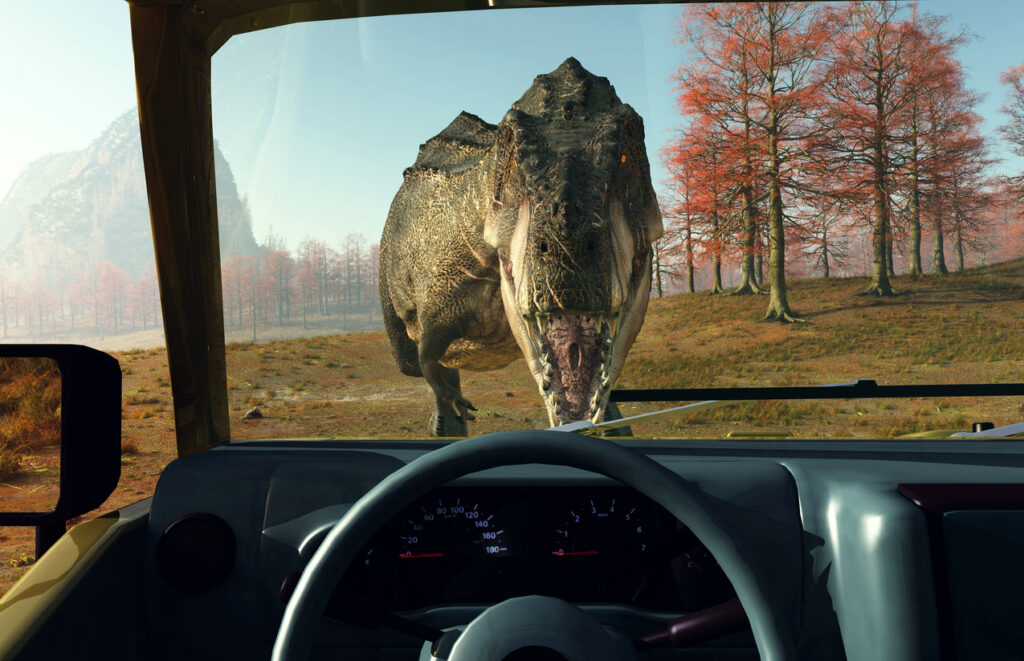
Whilst T. rex certainly could detect movement very well, this was just one aspect of their sophisticated visual system, rather than the only way they could see things. Their eyes were designed to spot both moving and stationary objects with remarkable clarity.
The movement-based vision idea probably comes from the fact that predators do pay extra attention to moving objects because movement often indicates prey or danger. However, this doesn’t mean they can’t see stationary things perfectly well.
6. Fossil evidence suggests they were active hunters, not just scavengers.
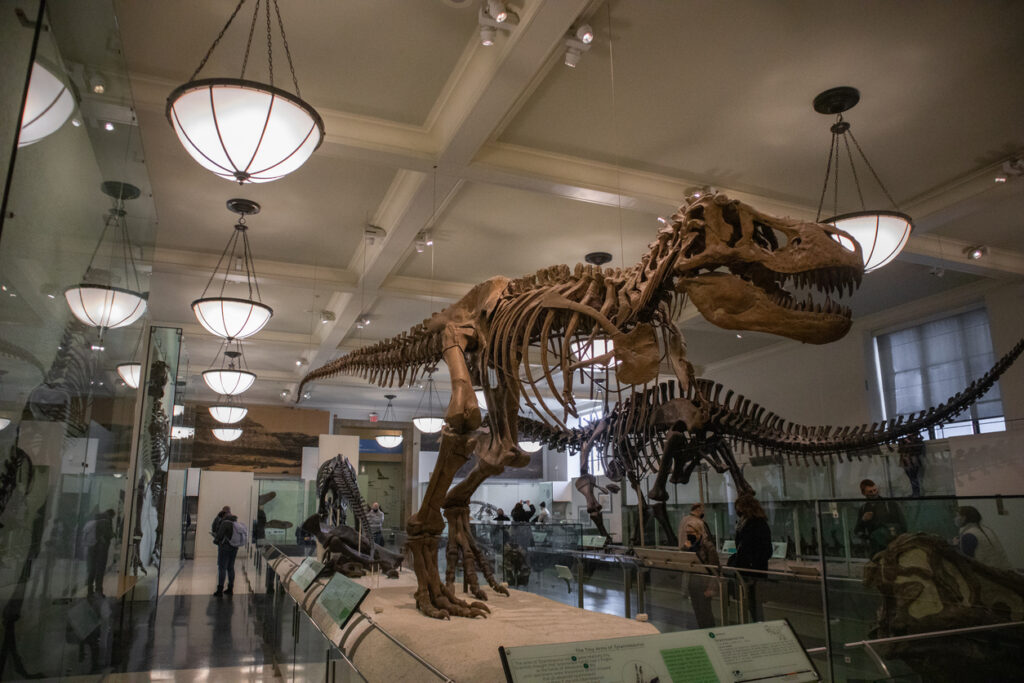
The sophisticated visual system of T. rex makes much more sense if they were actively hunting live prey rather than just finding dead animals to scavenge. Active hunters need excellent eyesight to spot and track potential meals across long distances.
Recent fossil discoveries show evidence of T. rex attacking and killing live prey, which requires the kind of sharp vision that could easily spot a motionless human. Scavengers don’t need nearly as advanced visual processing capabilities.
7. Their eye placement was optimized for hunting, not avoiding predators.

Animals that are primarily prey tend to have eyes on the sides of their heads to watch for danger from all directions, but T. rex eyes faced forward like modern apex predators. This arrangement sacrifices peripheral vision for enhanced depth perception and focus.
The forward-facing eye placement proves that T. rex was primarily a predator, rather than something that needed to watch out for other threats. Their visual system was designed for finding and catching food, not for survival defensive strategies.
8. Modern crocodiles can see perfectly still objects, and T. rex had better vision.
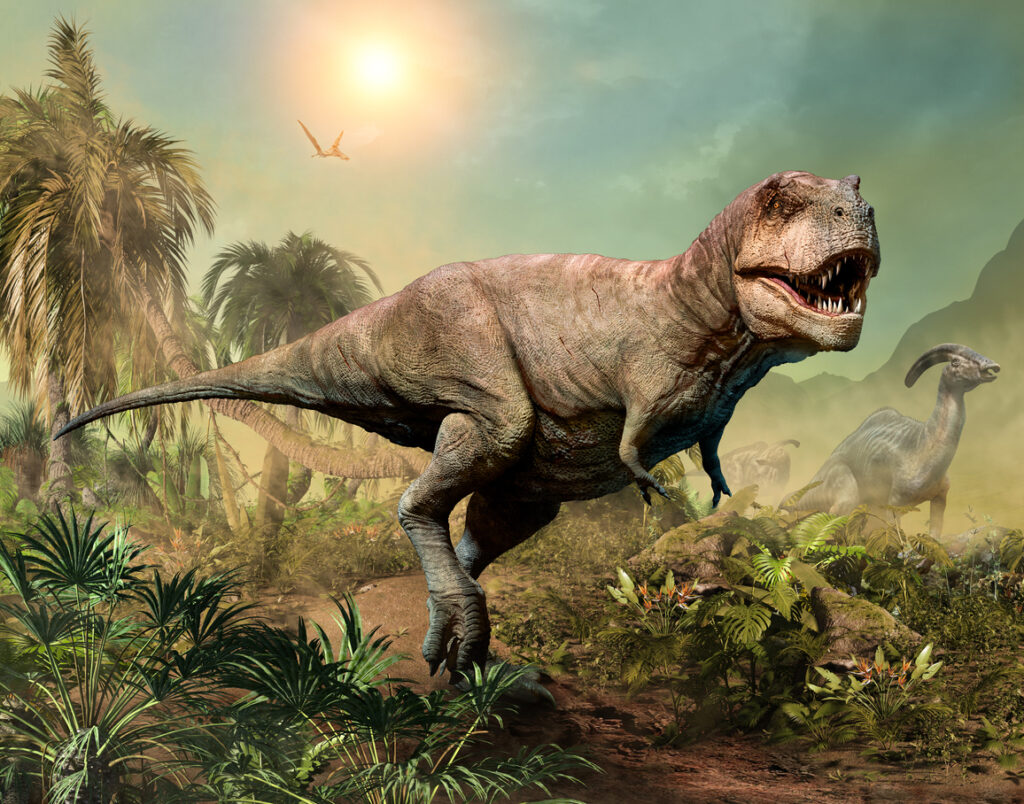
Crocodiles are often used as models for understanding dinosaur behaviour because they’re closely related, and crocodiles can easily spot motionless prey both above and below water. T. rex had much larger eyes and more advanced visual processing than crocodiles.
If a crocodile can spot a perfectly still deer drinking at the water’s edge, then T. rex could certainly see a human standing motionless in an open area. The idea that they needed movement cues doesn’t match what we know about their relatives.
9. Computer models of T. rex vision show incredible detail recognition.

Scientists have used computer modelling to recreate what T. rex vision might have looked like based on their skull structure and brain organization. These models suggest they could see fine details and distinguish objects even when they weren’t moving.
The computer simulations show that T. rex could probably recognize different types of animals from great distances and distinguish between potential prey and non-food objects. Standing still wouldn’t make you invisible to these visual capabilities.
10. Their skull design indicates they used multiple senses together.
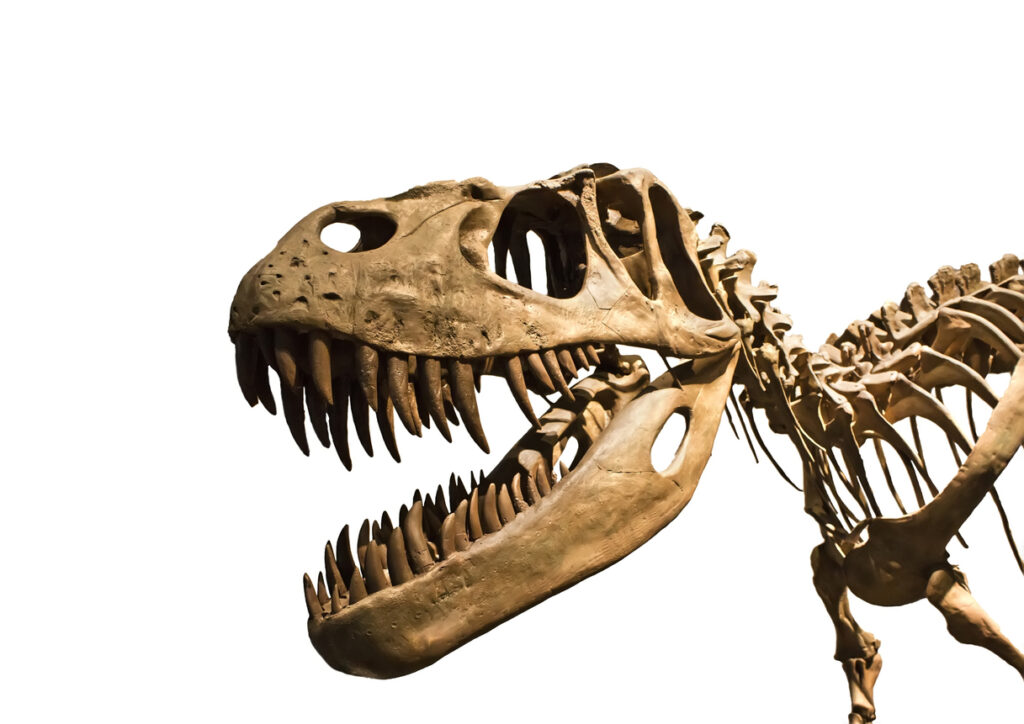
T. rex had not only excellent vision but also good hearing and smell, which means they used multiple senses to locate prey rather than relying solely on movement detection. That multisensory approach would make hiding much more difficult.
Even if somehow their vision couldn’t detect a perfectly still human, they could probably smell you from quite far away and use their hearing to detect your breathing or heartbeat. Staying motionless addresses only one of several detection methods.
11. The Jurassic Park idea was dramatic fiction, not scientific fact.
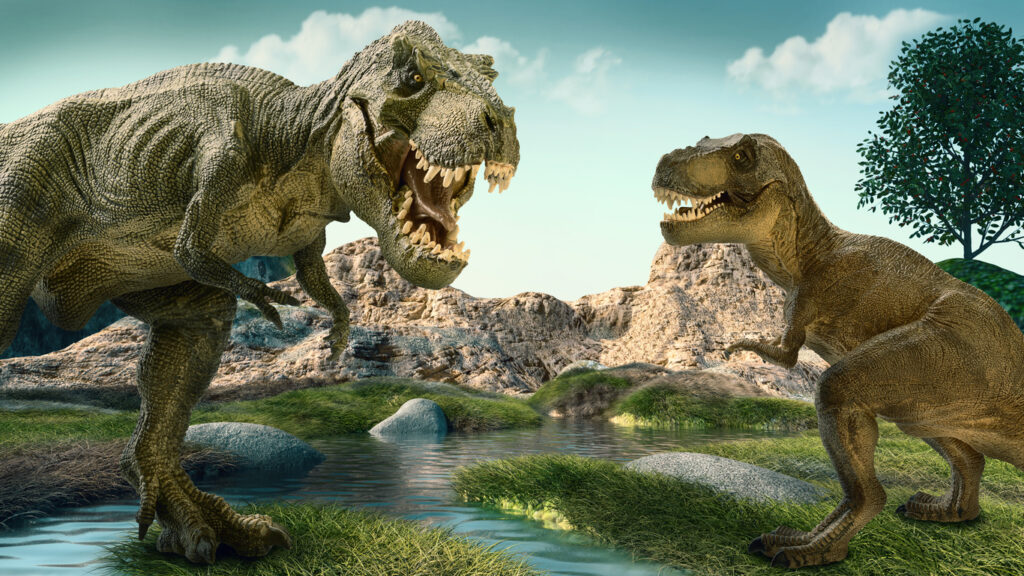
The movie needed a way to create tension and give the human characters a chance to survive encounters with T. rex, so the movement-based vision concept worked well for storytelling purposes. However, it wasn’t based on actual palaeontological evidence.
Many people assume the movie got the science right because it featured palaeontologists as characters, but Hollywood often changes scientific facts to make better drama. The vision limitation was purely a plot device rather than realistic dinosaur behaviour.
12. Standing still might actually make you a better target.
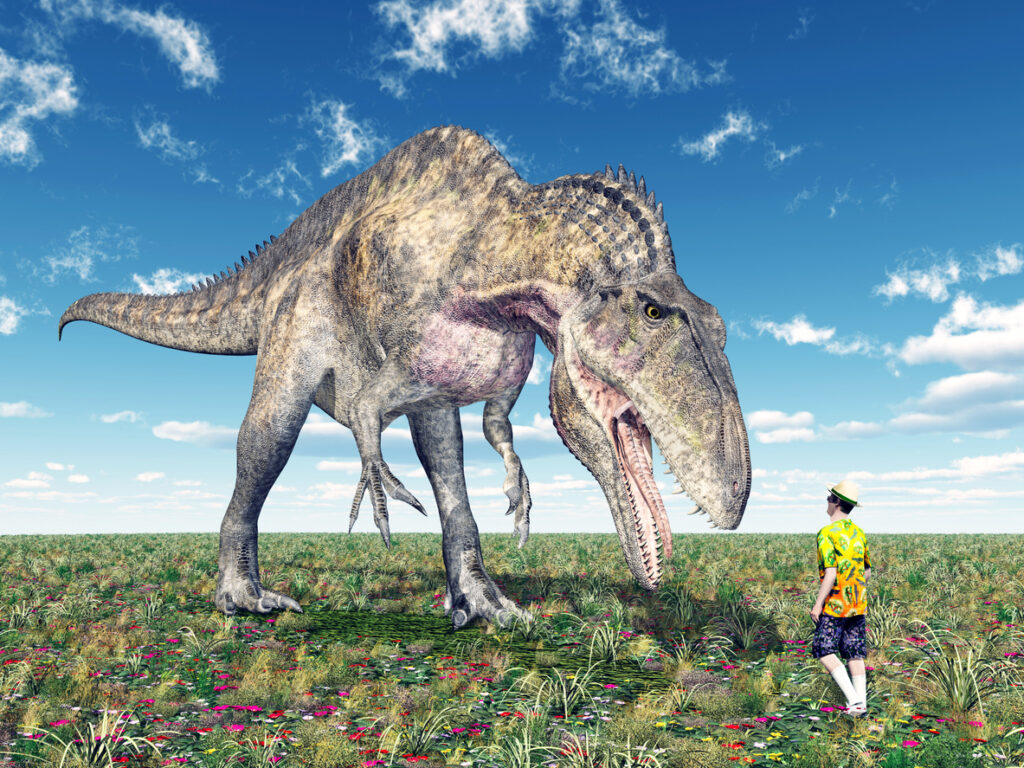
If you encountered a T. rex and stood perfectly still, you might actually be making yourself easier to catch rather than harder to see. Motionless prey can’t run away, dodge attacks, or take evasive action when the predator decides to strike.
A T. rex that spotted you standing still would probably appreciate having such an easy meal that wasn’t going to require a chase. Their massive size and weight meant they probably preferred prey that didn’t make them work too hard for dinner.
13. Modern research suggests T. rex was an intelligent, adaptable predator.

Recent studies indicate that T. rex was much smarter than previously thought and could adapt their hunting strategies based on different types of prey and environmental conditions. This intelligence would include using their excellent vision effectively regardless of prey movement.
An intelligent predator with exceptional eyesight wouldn’t be fooled by something as simple as standing still, especially when that behaviour is completely unnatural for most animals they would normally encounter. Your stillness would probably just seem suspicious rather than invisible.