Most garden jobs feel harmless and even necessary, and for the most part, they are.

However, there are actually some can actually land you with a hefty fine in the UK if you’re not careful. Rules cover trees, hedges, fences, and even wildlife, so it pays to know what’s allowed before you pick up tools. Here are some things that could land you in hot water if you’re not careful.
1. Cutting down or over-pruning protected trees

Some trees carry legal protection through Tree Preservation Orders or conservation area rules. Removing or even heavily pruning them without permission can result in fines running into thousands. The rules are strict because these trees often hold environmental and historical value.
Checking with your local council before touching any large tree avoids trouble. Permission doesn’t just cover felling — it also applies to big trims, so always get the go-ahead first.
2. Trimming hedges during nesting season

From 1 March to 31 August, hedge cutting is restricted to protect nesting birds. Even if you don’t spot a nest, disturbing one during this time can break the law. It’s not worth risking wildlife or a fine if you can possibly help it.
If you have to trim, check very carefully first, though it’s usually better to wait until autumn. Outside the restricted period, you can tidy hedges freely without breaking any rules.
3. Building fences higher than the legal limit

Planning rules limit how tall you can make a fence. In back gardens, the maximum is usually 2 metres, and at the front near roads, it’s often just 1 metre. Exceeding these heights without permission can lead to enforcement action.
Before starting any building work, double-check with your local planning authority. A quick call can save you from having to pull down an expensive new fence.
4. Fixing things to shared fences or walls

It might feel harmless to drill into a shared wall or attach planters to a boundary fence, but doing it without permission risks dispute. If the structure belongs to your neighbour, you’re not legally entitled to alter it.
Asking first is the only safe route. A written agreement avoids arguments later, and if they refuse, it’s better to respect that than face a complaint.
5. Cutting overhanging branches the wrong way

Branches crossing into your garden can legally be trimmed, but only back to the boundary line. Going further or stepping into your neighbour’s land without permission counts as trespass. Protected trees add another layer of restriction too.
The polite thing is to tell your neighbour before you start. Remember that any cuttings technically belong to them, so offer them back afterwards to stay on the right side of the law.
6. Disturbing nests while gardening

It’s illegal to destroy or disturb active bird nests under the Wildlife and Countryside Act. Even if it’s unintentional, disturbing eggs or chicks can result in penalties. Activities like hedge trimming or tree pruning are common ways people slip up.
Always check carefully before cutting or clearing, especially in spring and summer. If you spot a nest, leave it until the birds have moved on naturally.
7. Ignoring party wall rules

If you share a boundary wall with your neighbour, you can’t just change it without warning. The Party Wall Act means you have to give notice and sometimes get agreement before starting. Skipping this can result in complaints or even legal action.
Following the rules keeps things fair. It’s better to sort out permission first than to deal with costly disputes later.
8. Burning waste that creates smoke problems

There’s no outright ban on garden bonfires, but if the smoke drifts onto roads or into neighbours’ homes, you can be fined. Councils treat this as a nuisance offence, especially if it happens often. Garden waste should be burned responsibly.
Using a garden incinerator bin and burning only dry plant matter helps reduce smoke. Better still, composting avoids the issue entirely and is kinder to your garden.
9. Blocking public rights of way

If a public footpath runs through or alongside your garden, you’re not allowed to block it with plants, fences, or gates. Obstructing a right of way can result in enforcement notices or fines from the council.
Check old maps or local authority records if you’re unsure about rights of way. Keeping them clear avoids problems and helps maintain good community relations.
10. Using pesticides carelessly
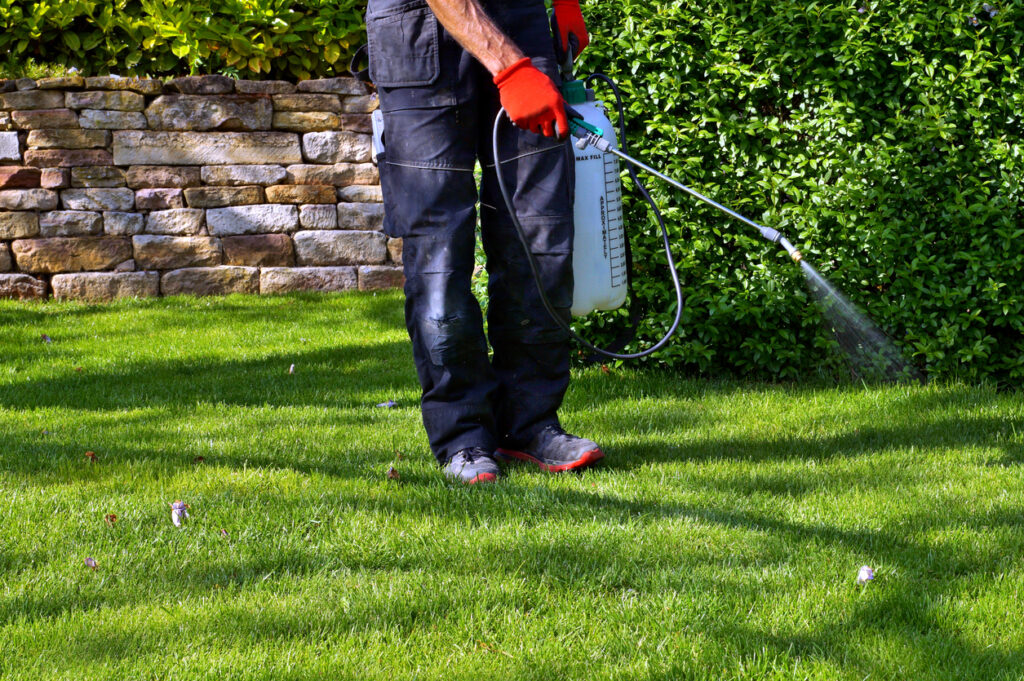
Some pesticides and weedkillers are tightly regulated. Using them incorrectly or letting them contaminate nearby water can lead to legal trouble. Overspray that drifts into a neighbour’s garden can also spark disputes.
Always read labels carefully and stick to the recommended amounts. Safer alternatives like mulching or hand-weeding often do the job without the risks.