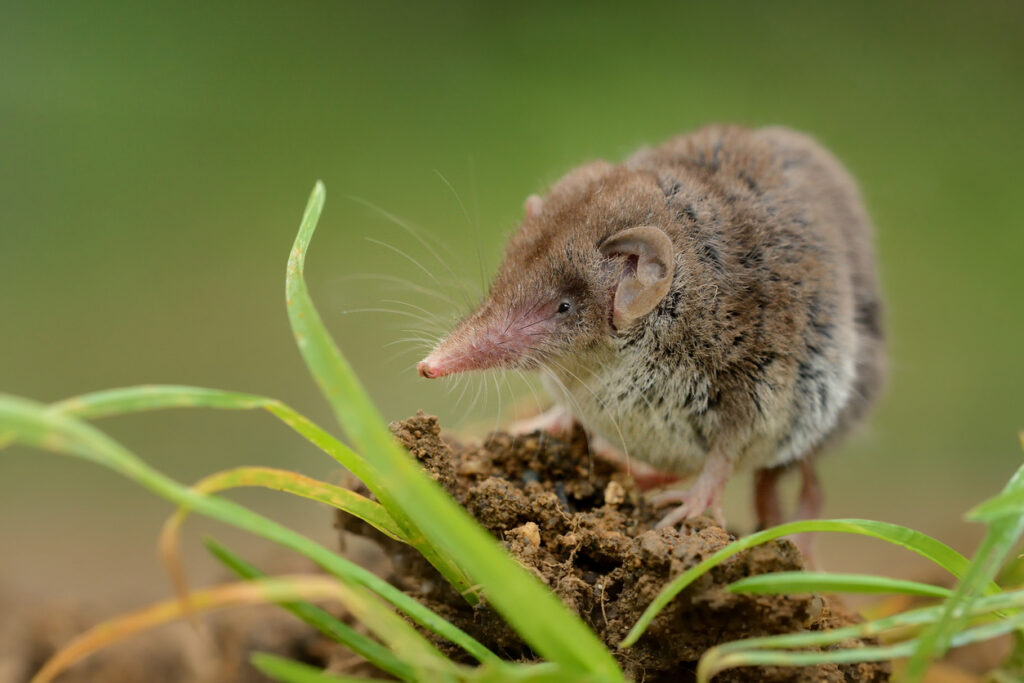
The UK is home to more mammals than most people realise.
However, some of the most interesting and impressive ones are also the hardest to spot. They live in quiet corners, move mostly at night, and avoid humans whenever they can. Here are some of the secretive species you’re unlikely to bump into in person. If you do, consider yourself lucky!
1. Pine marten
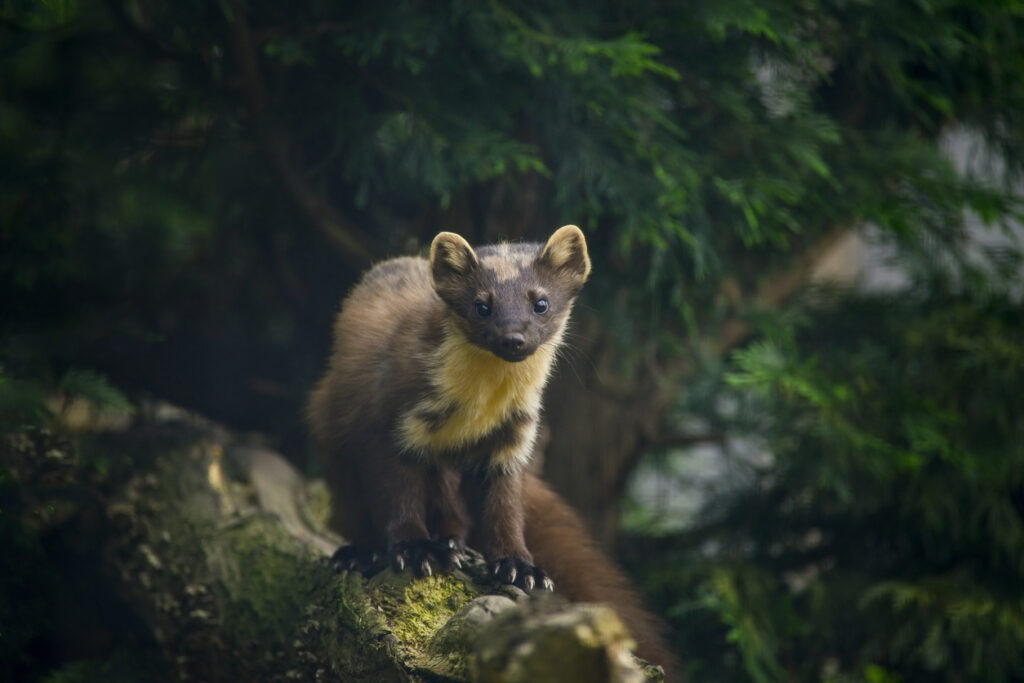
Once nearly wiped out in Britain, pine martens are slowly returning to woodlands in Scotland and parts of England. They look like a mix between a cat and a ferret, with a chestnut coat and a pale bib. Because they’re shy and mostly nocturnal, you’ll rarely see one in daylight.
They help keep ecosystems balanced by preying on small mammals. And, interestingly, they’ve even been linked to boosting red squirrel numbers, since grey squirrels avoid areas where martens are common.
2. Water vole
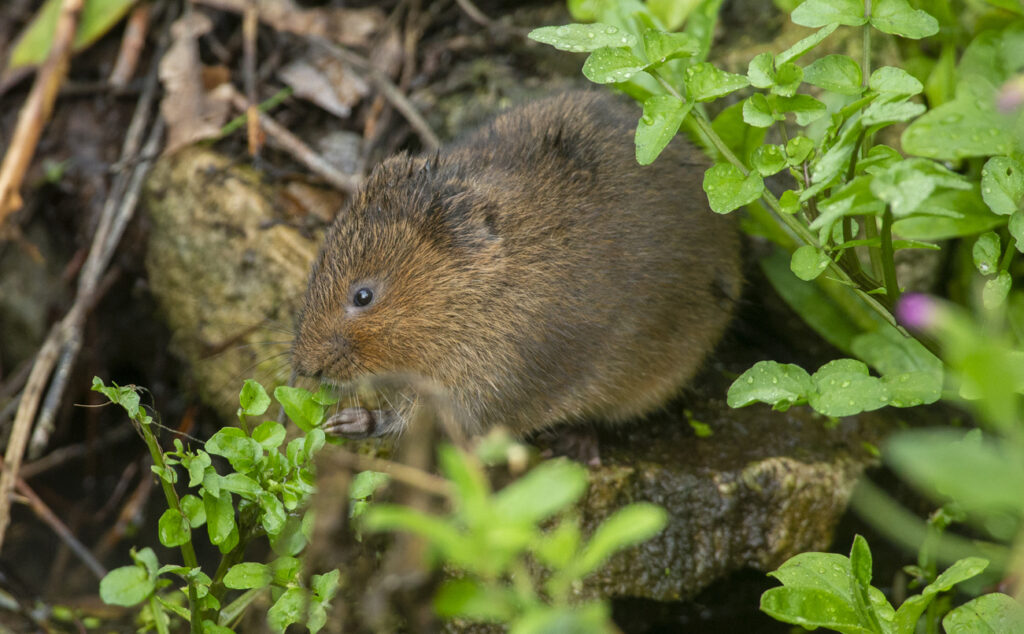
Best known as “Ratty” from The Wind in the Willows, water voles are one of Britain’s most threatened mammals. They dig burrows into riverbanks and spend much of their lives hidden in vegetation. You’ll more likely hear a splash than actually spot one.
Because they’re excellent swimmers, they use waterways as their main escape route. Protecting clean rivers is key to giving these elusive creatures a chance to thrive.
3. Harvest mouse
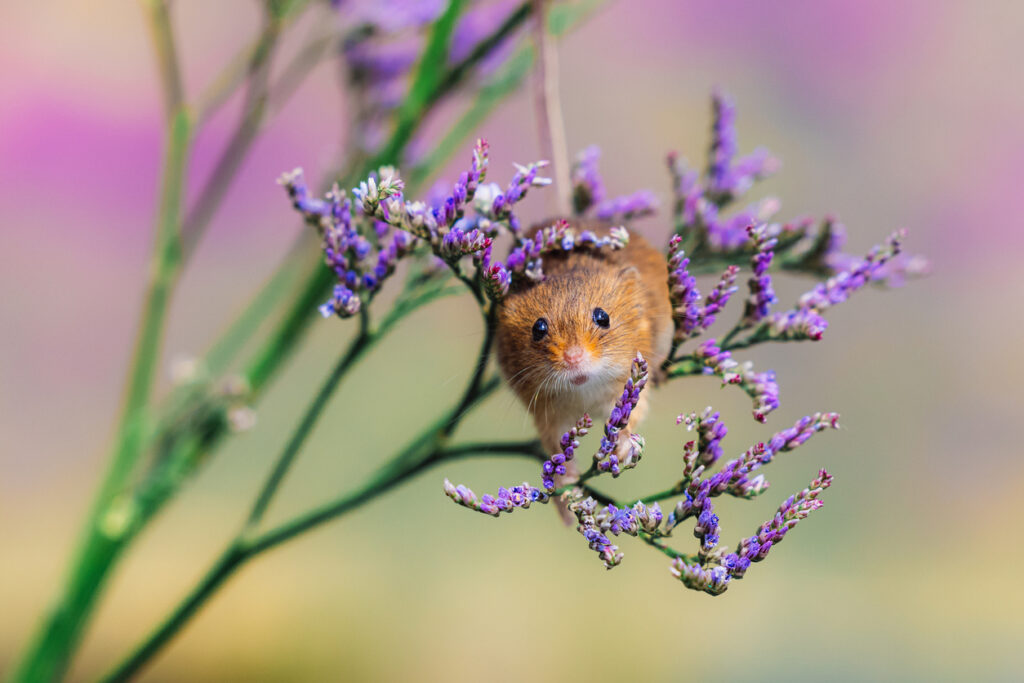
Weighing less than a two-pence coin, harvest mice are Britain’s smallest rodents. They build tiny woven nests above ground in long grasses, which makes them nearly invisible. Their reddish-brown fur blends perfectly with fields and hedgerows.
They spend much of their time climbing and rarely venture far from cover. Seeing one is a rare treat because they’re masters at staying hidden in plain sight.
4. Hazel dormouse
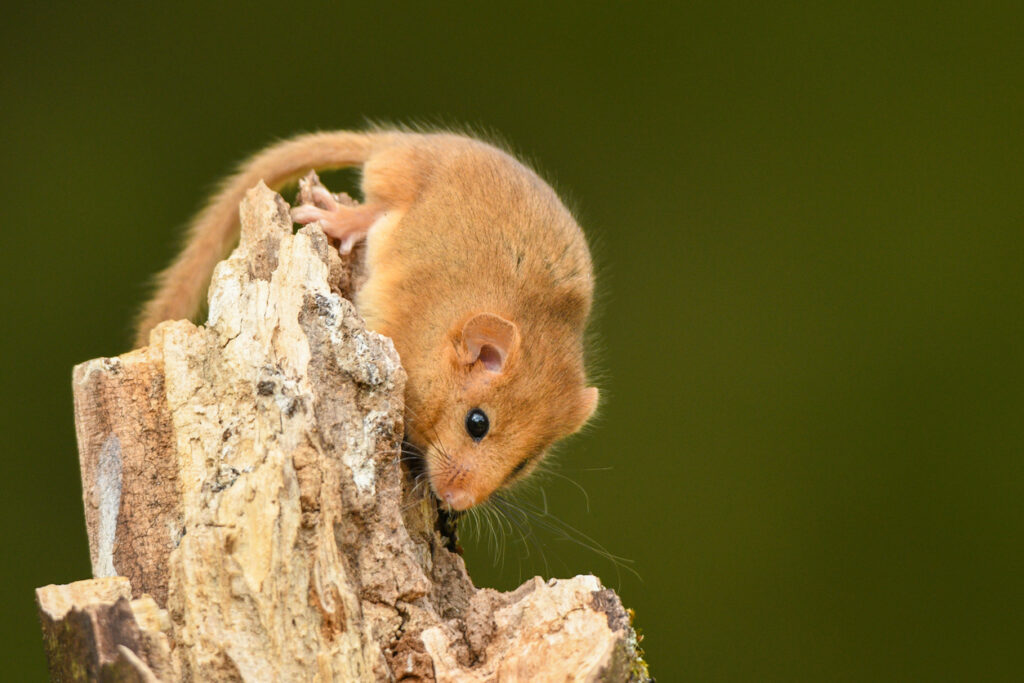
Dormice are known for hibernating half the year, which already makes sightings tricky. They also live high in hedgerows and tree canopies, so most people never notice them. With big black eyes and golden fur, they look almost too delicate for the wild.
Because they rely on connected woodland and hedges, habitat loss has made them even harder to find. Conservation projects are working to bring their numbers back up, but spotting one remains rare.
5. Hedgehog
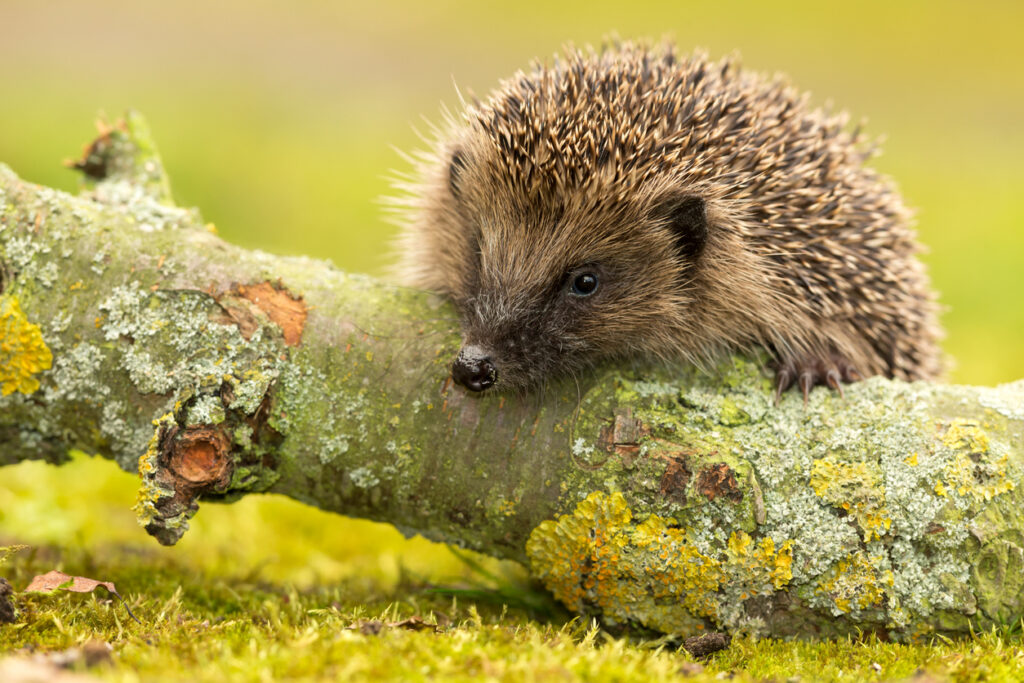
It might surprise you to see hedgehogs here, but although they’re common in stories, they’re becoming secretive in reality. They’re nocturnal, so unless you’re out at night, you probably won’t cross paths with one. Sadly, their numbers have dropped heavily in recent decades.
Helping them is as simple as leaving gaps in fences for them to wander because fragmented gardens make survival tougher. Even though they’re iconic, they’re far from easy to see now.
6. Mole
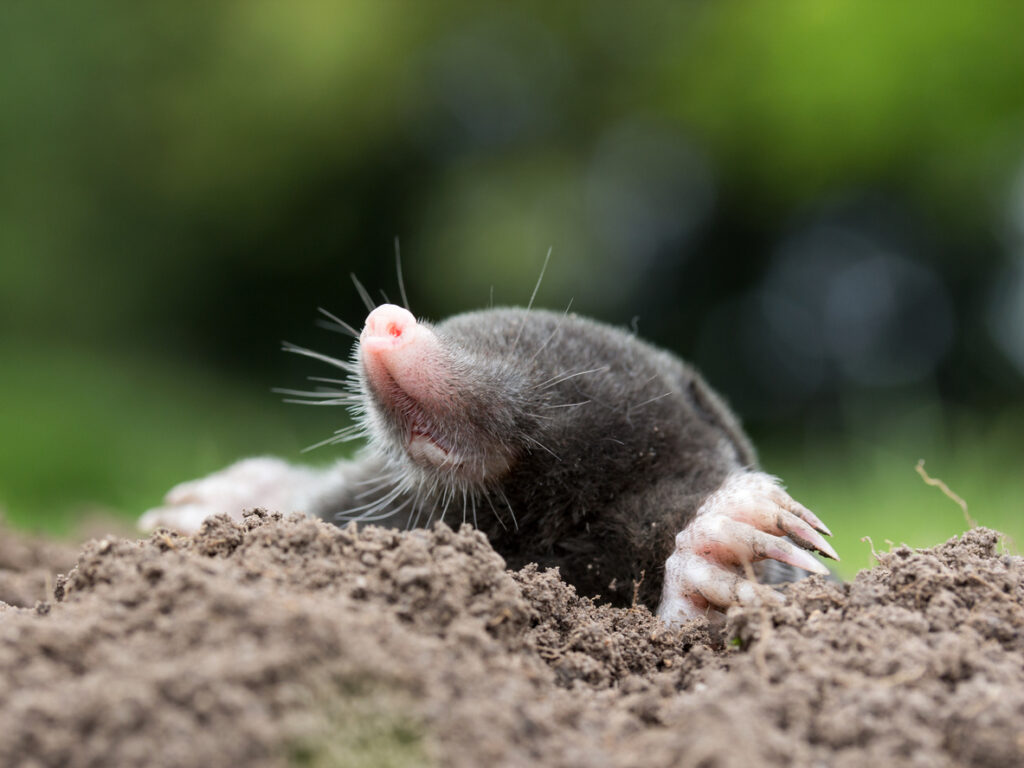
Everyone knows the molehill, yet few people see the animal that makes it. Moles spend almost their entire lives underground, tunnelling for worms and insects. Their velvety black fur and powerful paws are built perfectly for the job.
They’re not harmful to gardens despite their reputation because their digging actually aerates the soil. You’ll almost certainly never spot one in person, but you’ll know they’re there by the neat piles of soil they leave behind.
7. Noctule bat
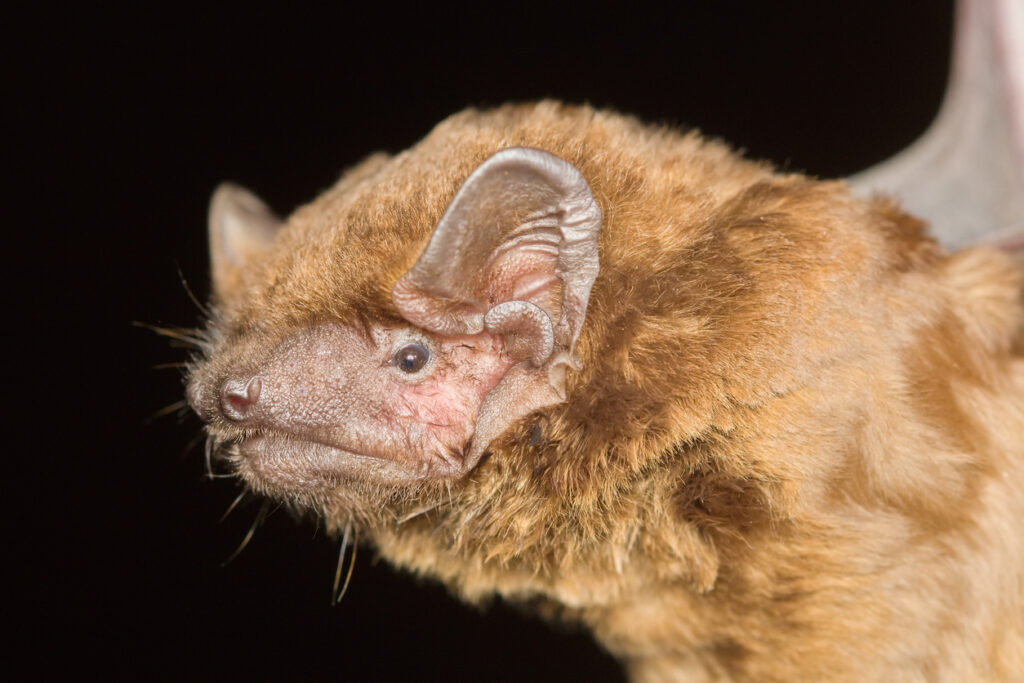
Bats are everywhere, but noctules are especially secretive because they fly high above the ground. They’re one of the UK’s largest bats, yet their silhouettes vanish quickly against the night sky. Unless you use a bat detector, you’ll struggle to notice them at all.
Noctules feed mainly on moths and beetles, which they catch mid-flight. Their presence keeps insect populations in check, even if most people never see them working overhead.
8. Polecat
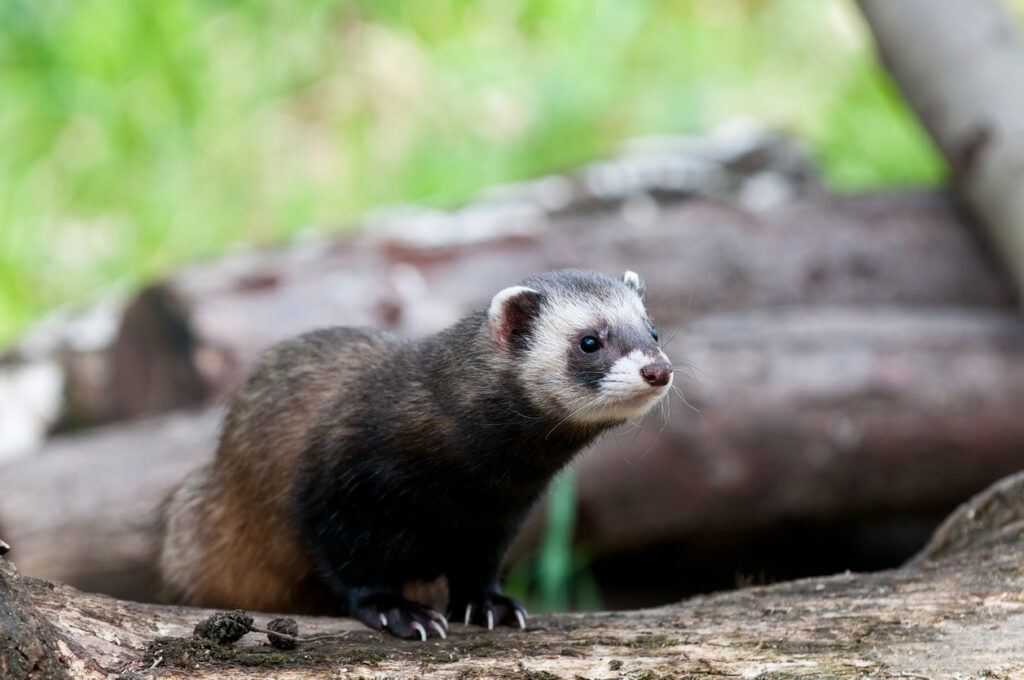
Polecats were once almost extinct in Britain, but they’ve made a comeback in recent years. They look similar to ferrets and move mostly under the cover of night. Because they stick to quiet countryside and woodland edges, they stay well out of human sight.
Spotting one is rare, but signs like droppings or tracks sometimes give them away. Their return is a good sign of healthier ecosystems in parts of the UK.
9. Brown hare
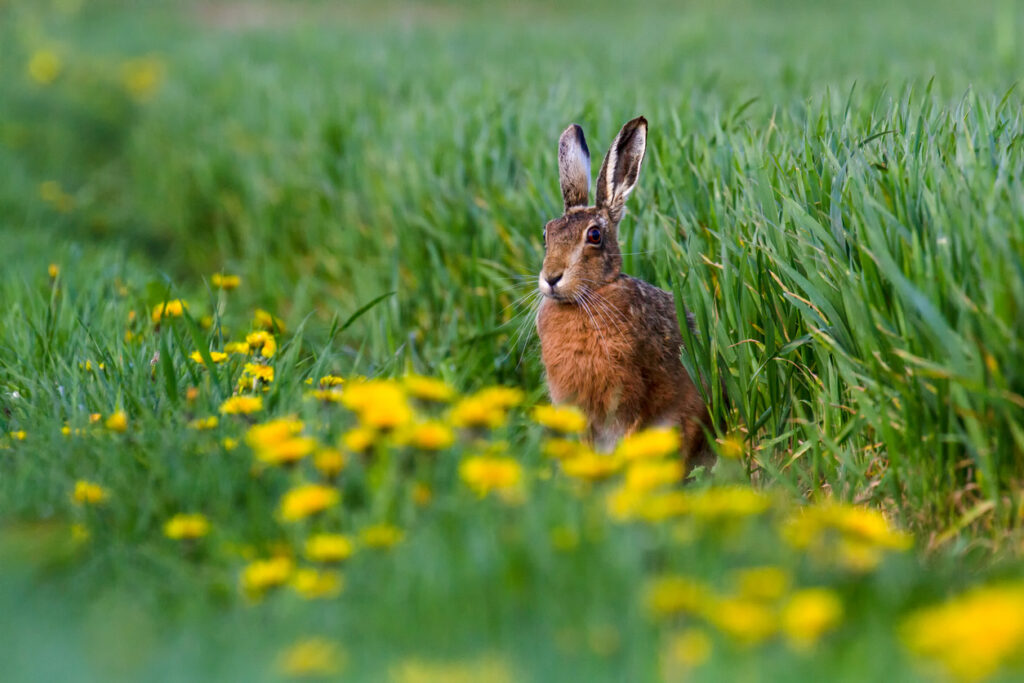
Unlike rabbits, hares don’t use burrows, which makes them harder to find. They prefer wide open fields where they crouch low in shallow scrapes, blending in perfectly. Unless they dash away suddenly, you might not notice one even if it’s close by.
They’re fastest in spring during their famous “mad March” boxing displays. Outside of that, their ability to stay still and hidden makes them surprisingly elusive.
10. Shrew
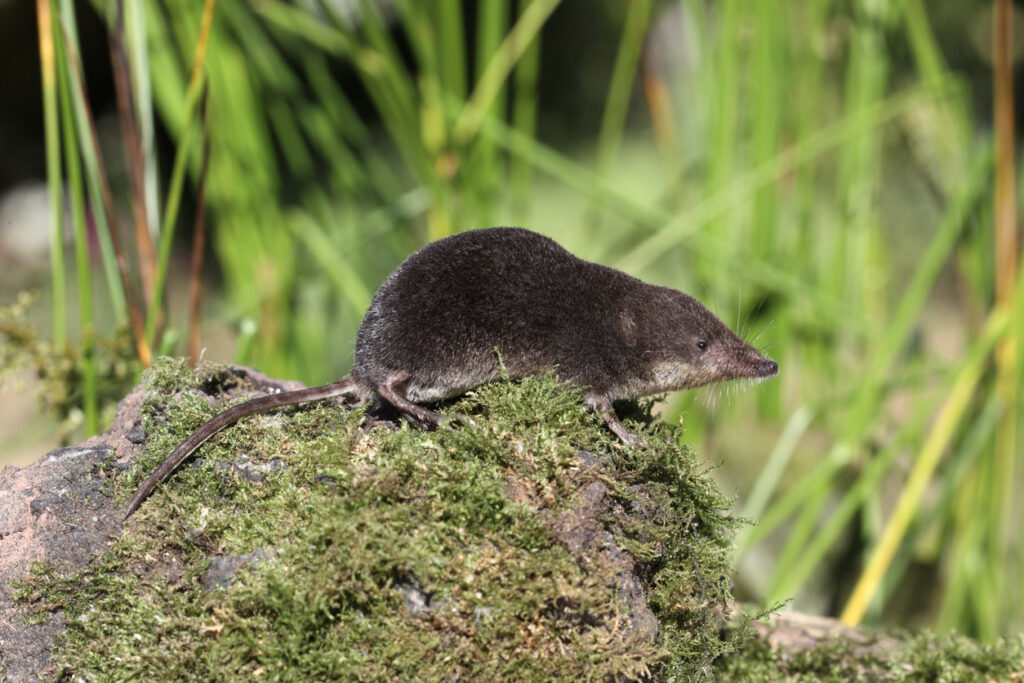
Shrews are tiny insect-eaters that dart about so quickly they’re rarely seen. They live in hedgerows, grasslands, and woodlands, constantly on the move. Their high-pitched squeaks often give them away more than their appearance.
Despite their size, they’re fierce hunters with rapid metabolisms. Seeing one is unusual, but their presence shows healthy insect populations in the area.
11. Weasel

Weasels are the UK’s smallest carnivores, yet they’re incredibly hard to spot. Their slender bodies slip easily through hedges, walls, and grass, making them blend into the landscape. They’re quick, restless, and rarely stay visible for long.
Although people confuse them with stoats, their smaller size and lack of a black tail tip sets them apart. Spotting one usually feels like catching a flash of movement rather than seeing a full animal.
12. Otter

Otters are becoming a conservation success story, but they remain one of the hardest mammals to see. They’re mostly nocturnal and spend much of their time in rivers, hunting fish. Even if they live nearby, you might only notice paw prints or spraint along the banks.
They’re strong indicators of clean waterways because they only thrive in healthy ecosystems. Although rarely seen, their growing numbers prove that river habitats are improving across the UK.