When most plants are having a winter kip, some flowers are just getting started with their show.
British gardens don’t have to be dreary grey spaces from October to March. In fact, there are plenty of plants that actually prefer the cooler months and will keep blooming when everything else has given up. Here are some solid choices that will keep your garden beautiful even when the days get shorter and darker.
1. Winter-flowering pansies keep going like little troopers.
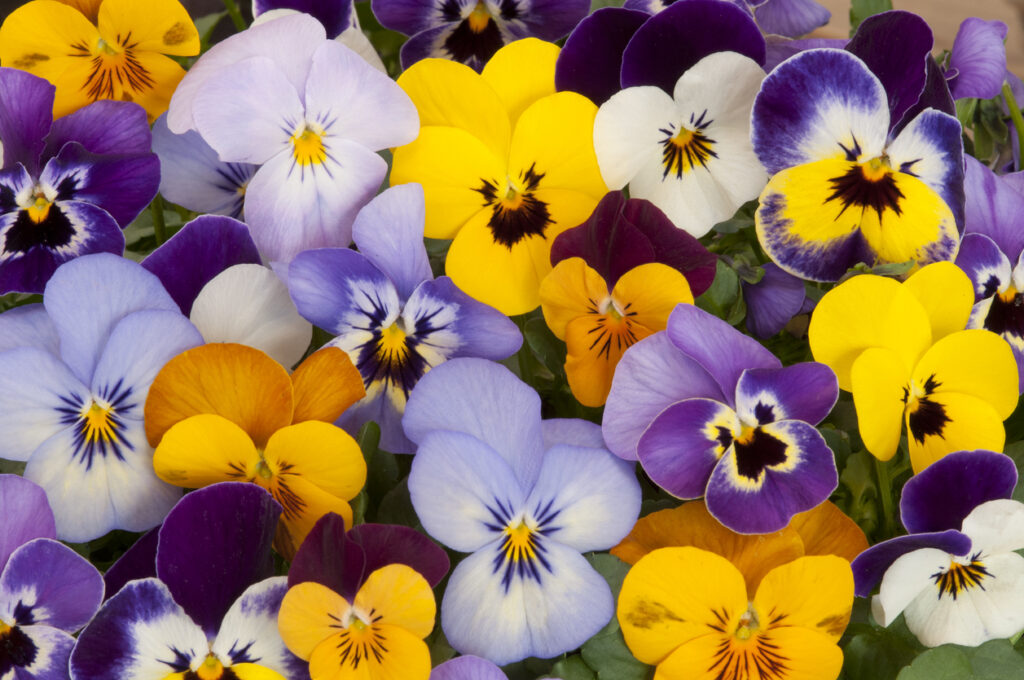
These cheerful little faces laugh in the face of frost and will bloom happily through even the grumpiest winter weather. They come in loads of colours and look particularly lovely in window boxes or containers where you can appreciate their determined cheerfulness up close.
Plant them in autumn, and they’ll give you months of reliable colour right through to spring. They’re brilliant for filling gaps where summer bedding has finished, and they actually seem to get more vibrant as the weather gets colder.
2. Cyclamen provide delicate beauty when you least expect it.
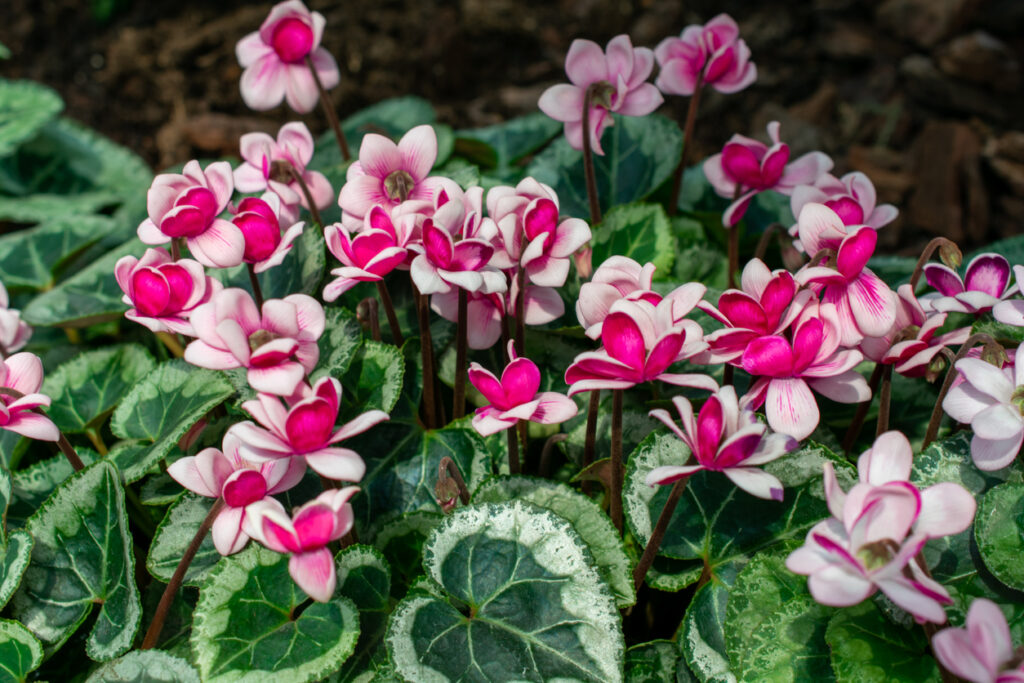
Hardy cyclamen species like Cyclamen coum and Cyclamen hederifolium bloom during the coldest months, producing exquisite little flowers that look far too delicate to survive British winters. However, they’re tough as old boots and will naturalise under trees and shrubs.
These aren’t the tender houseplant cyclamen — these outdoor varieties are completely different beasts that thrive in our climate. They’ll spread slowly over the years and create carpets of pink, white, or magenta flowers just when your garden needs them most.
3. Hellebores are the ultimate winter garden heroes.
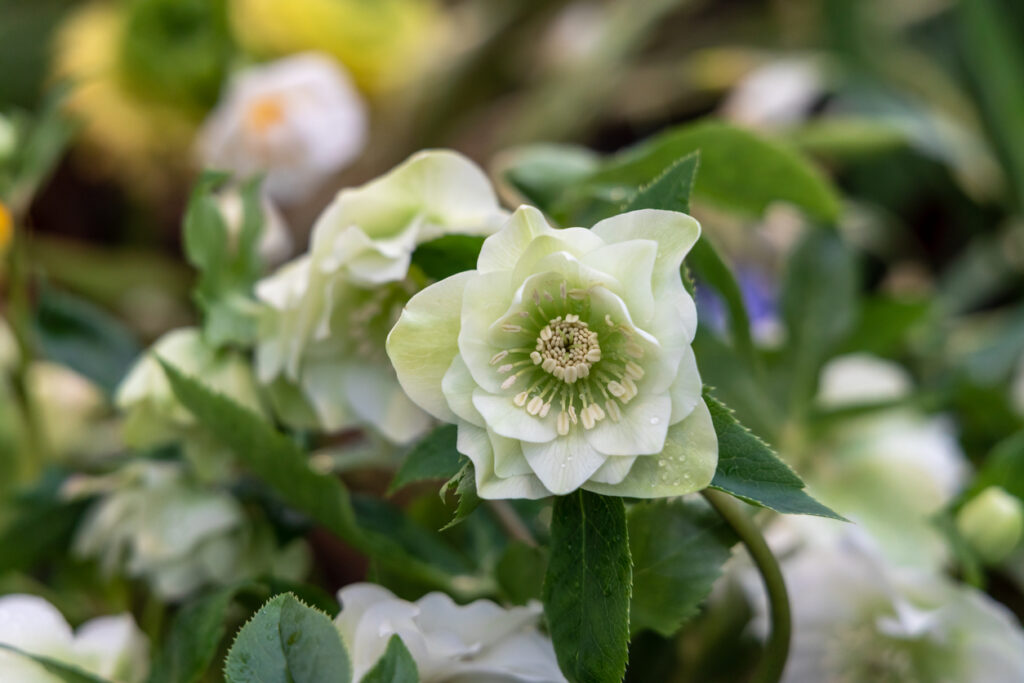
Known as Christmas roses or Lenten roses depending on when they bloom, hellebores are absolutely essential for winter interest. They produce gorgeous flowers in shades of white, pink, purple, yellow, and almost black from December through to April.
Once established, they’re virtually indestructible and will self-seed around your garden. They’re perfect under deciduous trees where they get winter light but summer shade, and deer won’t touch them either.
4. Mahonia brings scented sunshine to dark winter days.
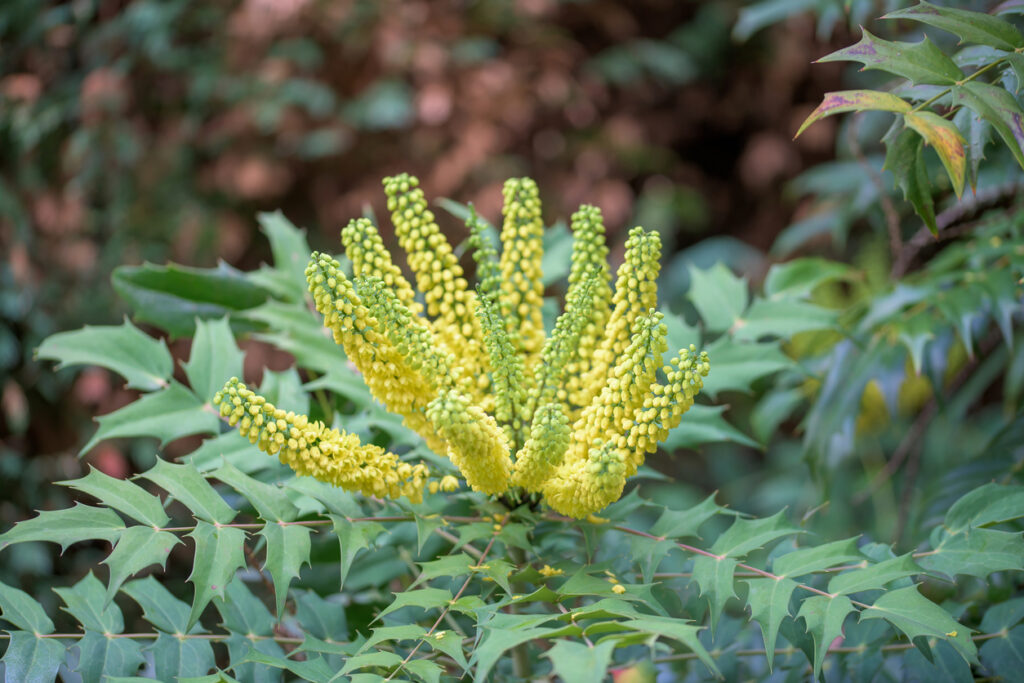
These architectural shrubs produce clusters of bright yellow flowers that smell absolutely divine — a proper perfume that carries across the garden on still winter days. The flowers are followed by blue berries that the birds love.
Mahonia japonica and Mahonia x media varieties are particularly good for winter blooming. They’re evergreen too, so you get year-round structure plus those gorgeous fragrant flowers just when you need cheering up most.
5. Winter jasmine cascades with golden stars.

Jasminum nudiflorum covers itself in bright yellow flowers from November through to March, blooming on bare stems before the leaves appear. It’s brilliant for covering ugly walls or fences with cheerful colour during the bleakest months.
This jasmine doesn’t have the scent of summer jasmine, but it makes up for it with sheer flower power. It’s easy to grow and will thrive even in quite shaded spots where other winter bloomers might struggle.
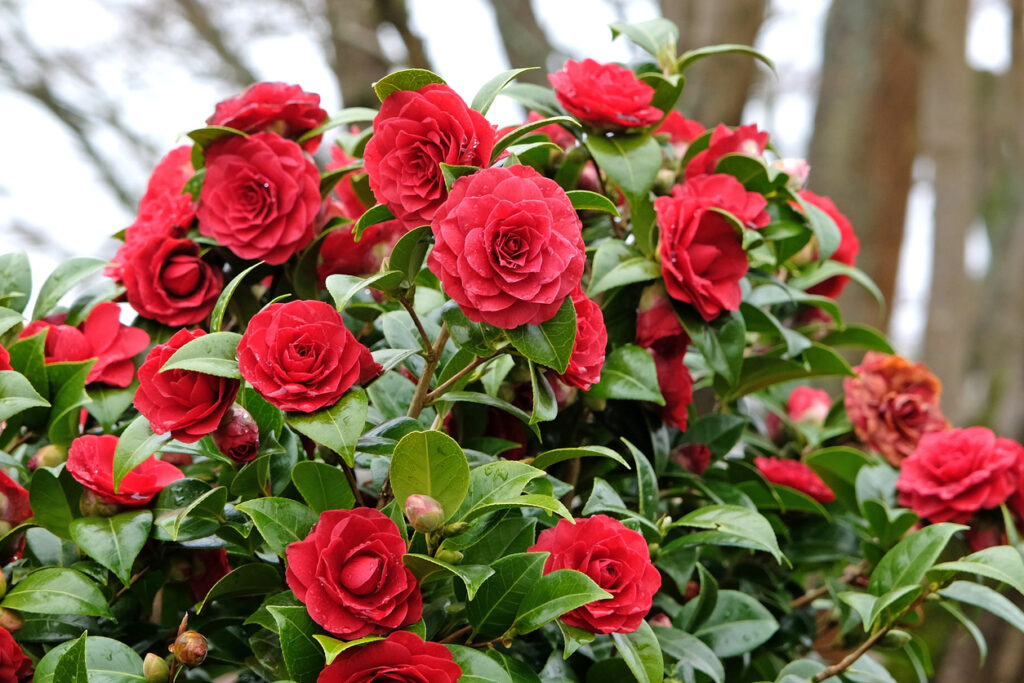
6. Camellia varieties bloom when nothing else dares.
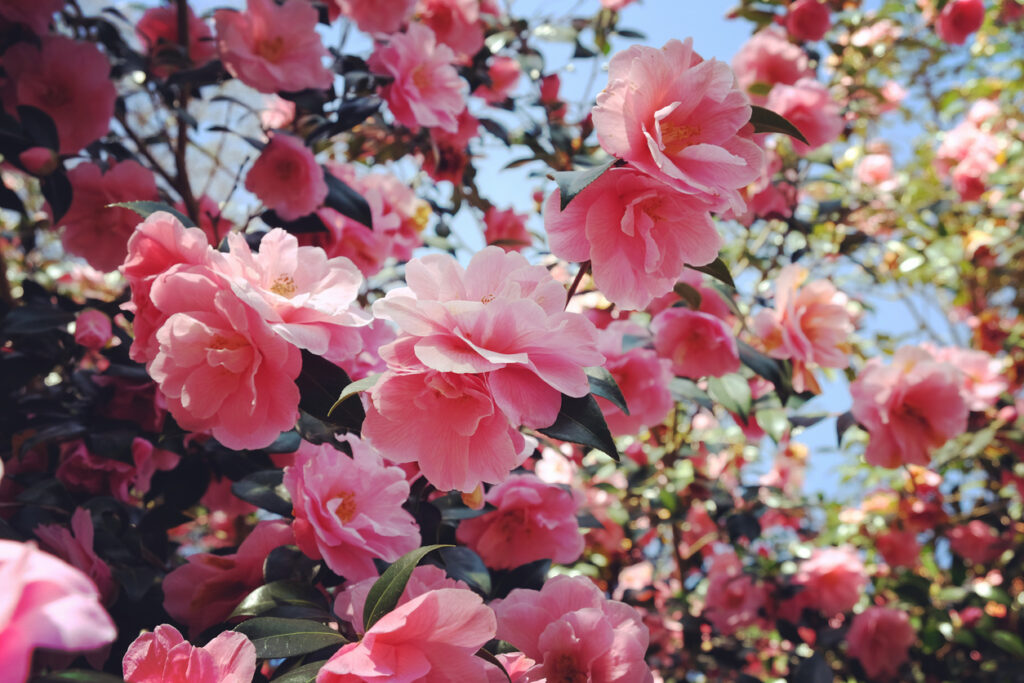
While most people think of camellias as spring flowers, some varieties start blooming in late autumn and continue through winter. Camellia sasanqua varieties are particularly good for this, producing single or semi-double flowers in pink, white, or red.
They need shelter from harsh winds and morning sun (which can damage flowers after frosty nights), but in the right spot they’re absolutely stunning. The flowers have a delicate beauty that seems almost impossible in winter weather.
7. Iris reticulata brings early spring magic.
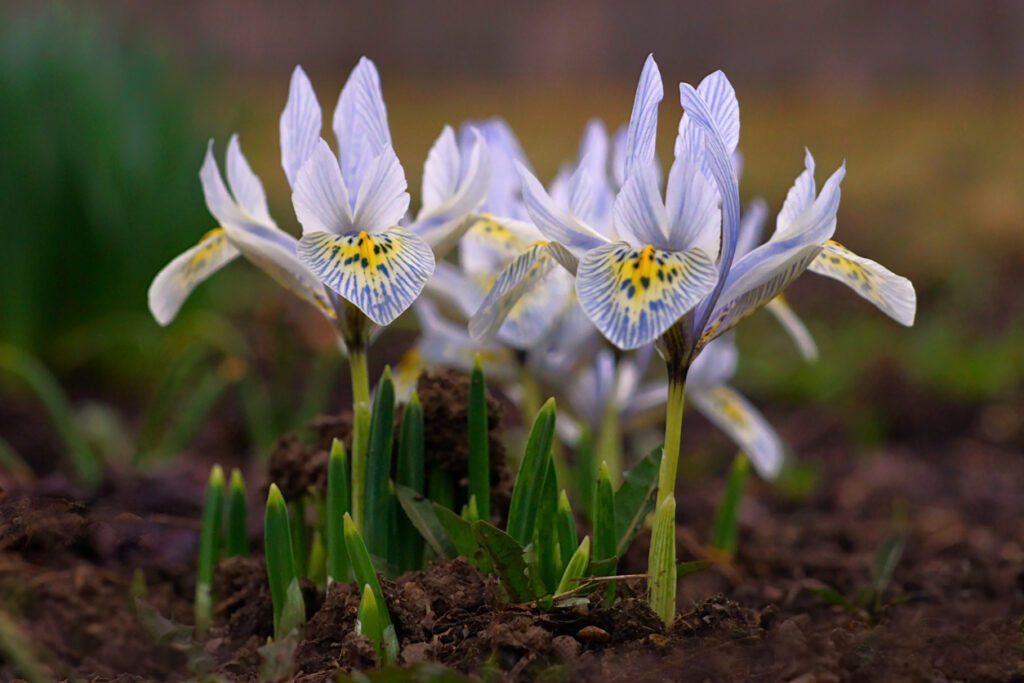
These tiny bulbous irises push through snow and frost to bloom in late winter and early spring, producing perfect miniature iris flowers in blue, purple, yellow, or white. They’re only about 15 cm tall, but they pack a serious visual punch.
Plant the bulbs in autumn, and they’ll naturalise over time, creating drifts of colour when most other bulbs are still thinking about waking up. They’re perfect for rock gardens, containers, or the front of borders.
8. Daphne varieties offer winter fragrance that’s absolutely intoxicating.
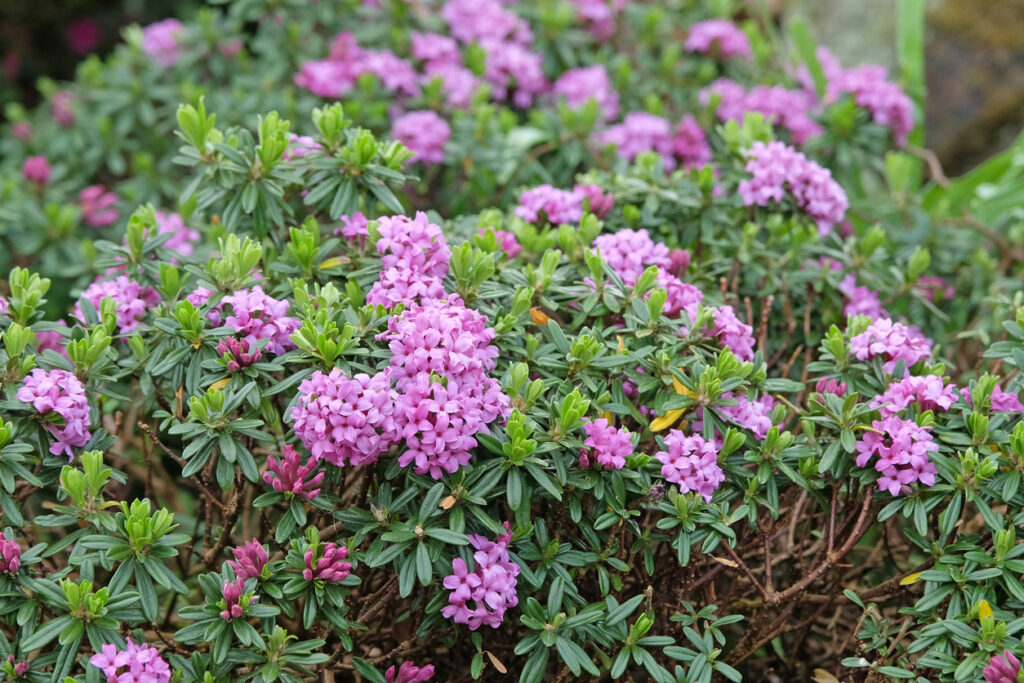
Daphne bholua, Daphne mezereum, and Daphne odora produce some of the most powerfully scented flowers in the plant kingdom during winter months. The fragrance can fill an entire garden and is strong enough to smell from indoors with windows closed.
These shrubs can be a bit temperamental about their growing conditions, but when they’re happy, they’re absolutely magical. The flowers are usually small and pink or white, but the scent more than makes up for any lack of visual drama.
9. Snowdrops signal that spring is on its way.
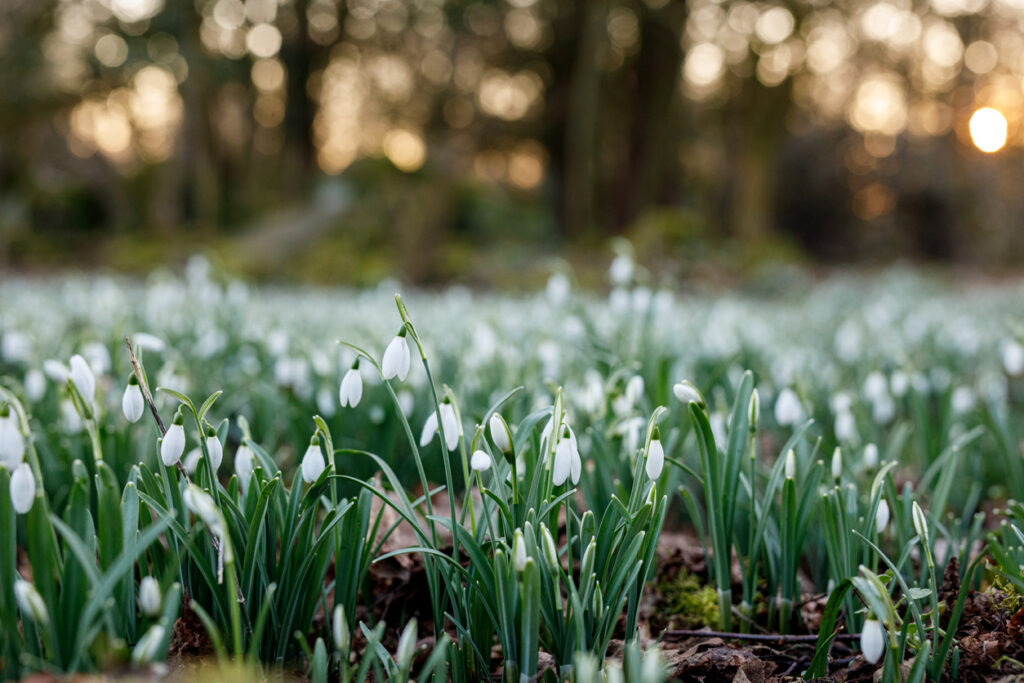
Galanthus varieties are the classic harbingers of spring, pushing through frozen ground from January onwards to produce their distinctive white flowers. There are loads of different varieties, from common snowdrops to rare collector’s forms.
They naturalise beautifully in grass or under deciduous trees and will spread to form substantial colonies over time. Some people become completely obsessed with collecting different varieties — galanthomania is a real thing among serious gardeners.
10. Hardy geraniums keep blooming in mild spells.
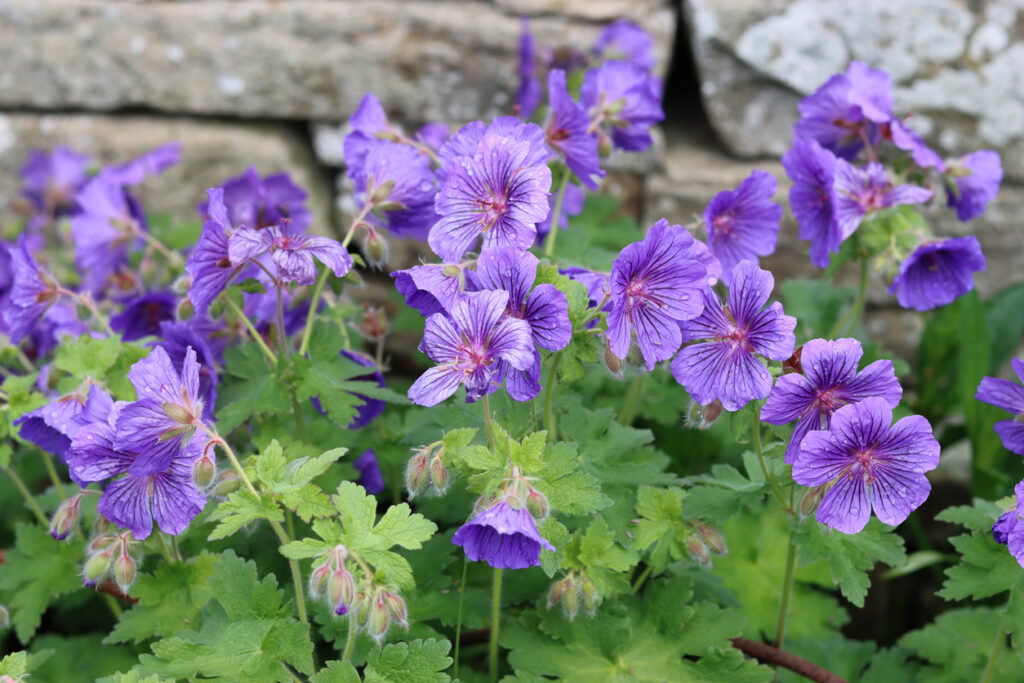
While most hardy geraniums are summer bloomers, varieties like Geranium macrorrhizum will often produce flowers right through winter during mild spells. They’re evergreen perennials that provide reliable foliage colour plus bonus flowers.
These are particularly useful for ground cover in difficult spots, and they’ll often surprise you with flowers appearing on warm winter days. They’re completely different from the tender pelargoniums that people call geraniums — these are proper hardy perennials.
11. Viburnum species provide winter structure and flowers.
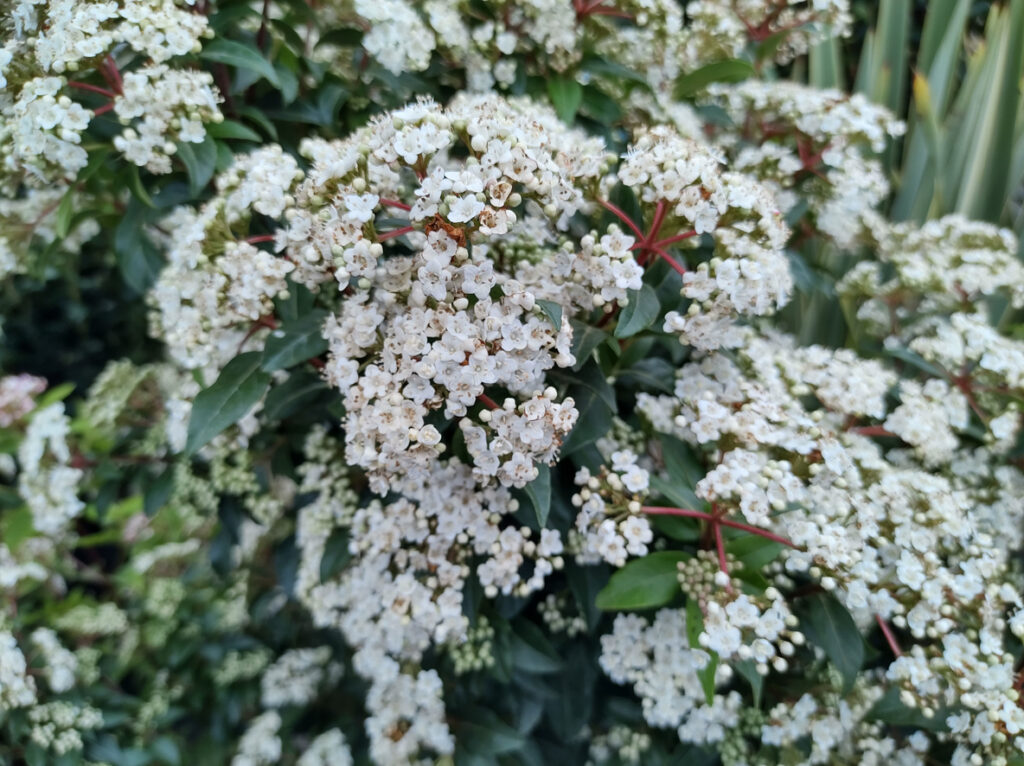
Viburnum tinus blooms from autumn right through to spring, with clusters of pink buds opening to white flowers. Viburnum x bodnantense produces incredibly fragrant pink flowers on bare stems during the coldest months.
These shrubs are brilliant for providing winter backbone in the garden, while also contributing flowers when you most need them. Many also have attractive berries and some have lovely autumn foliage colour too.
12. Primroses and polyanthus bring cottage garden charm.
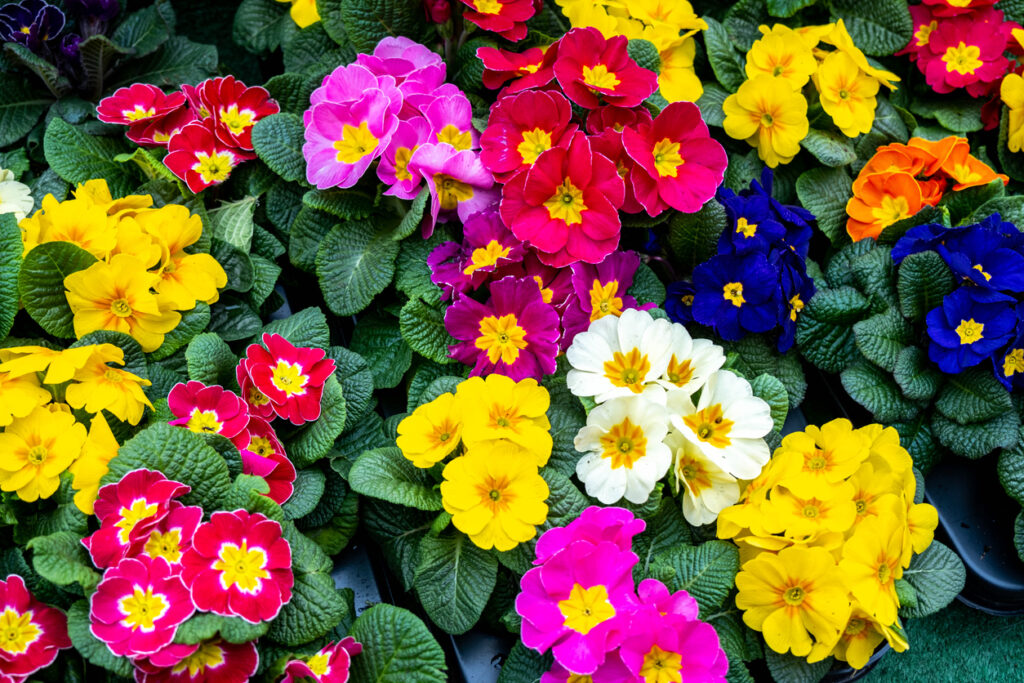
Hardy primroses often start blooming in late autumn and continue through winter in mild areas. Polyanthus varieties are particularly good for winter colour and come in jewel-bright shades that really pop against winter’s muted palette.
They’re perfect for containers, window boxes, or the front of borders where you can appreciate their cheerful faces. Many are scented too, adding another dimension to their winter appeal in the garden.