Dogs can have the softest beds and cosiest corners, but many still circle for ages before finally lying down.

That quirky routine goes back further than most people realise. The behaviour has deep roots in survival, comfort, and instinct. Here’s why it persists today, as weird as it might seem to us humans.
1. Ancestral survival instincts

Long before dogs became household pets, their wild ancestors needed to prepare sleeping spots. Circling helped them flatten tall grass, push aside snow, or shape leaves into a safer nest. It created a barrier against cold, damp, and insects.
Even with modern comforts, dogs carry this inherited behaviour. Spinning on a cushioned bed may look unnecessary, but it’s a trace of survival training that has never fully faded, showing how history shapes present-day habits.
2. Checking for hidden dangers

Wild dogs risked encounters with snakes, rodents, or sharp debris in the grass. Circling before lying down flushed out potential threats and gave them more control over their environment, however small the adjustment might have seemed.
Domestic dogs rarely face these dangers, yet the instinct remains strong. Circling offers reassurance that the spot is safe, even if the only things nearby are blankets and pillows. The habit continues because it once meant protection.
3. Regulating body temperature

Spinning in circles allowed wild dogs to adjust their sleeping spots to weather conditions. In hot climates, they scraped and circled to expose cooler earth. In cold places, they moved snow or grass to insulate themselves better.
Today, even in centrally heated homes, dogs still circle instinctively to test comfort. It is their way of preparing the best position for warmth or ventilation, a reflex that ensures they settle more comfortably, regardless of conditions.
4. Marking their territory
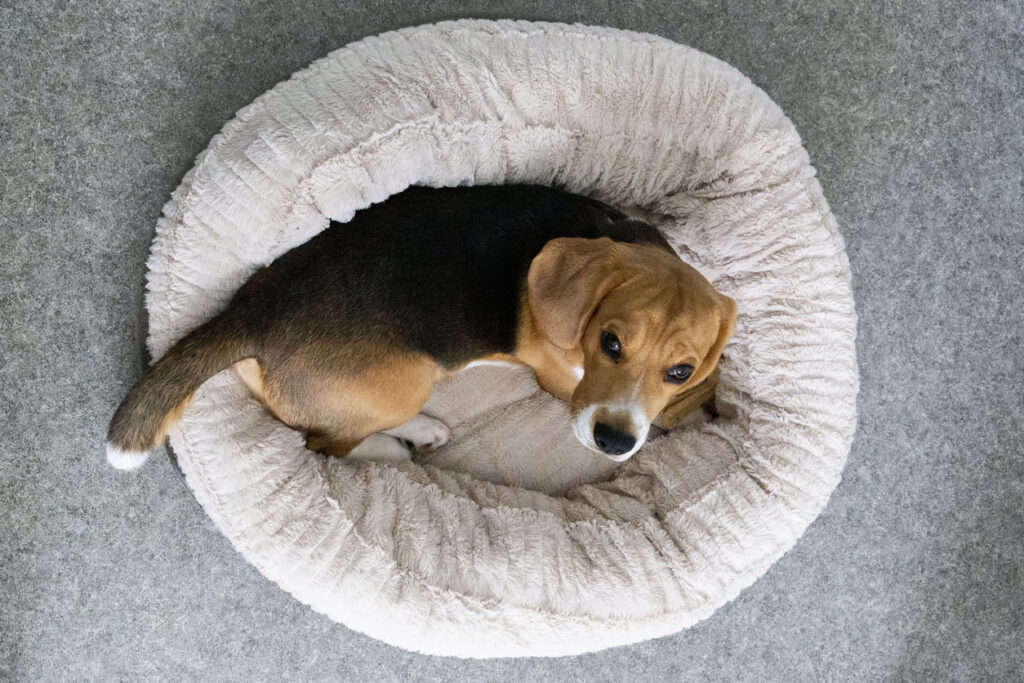
Dogs have scent glands in their paws that release subtle markers when they walk or scratch. Circling before lying down spreads that scent onto their chosen spot, signalling ownership and providing a comforting sense of familiarity.
Even if no rival dogs are present, the act of marking is soothing. By spreading their scent across a cushion or rug, dogs create a little space that feels fully theirs, reinforcing security before resting.
5. Testing stability underfoot

Uneven terrain in the wild could collapse, contain hidden holes, or feel unstable. Circling gave dogs a chance to test whether the surface could hold their weight without risk. It was a practical step before committing to sleep.
Even on modern furniture or beds, dogs often circle for reassurance. The instinct is to make sure the ground beneath them feels steady and safe, so they can relax without fear of sudden shifts.
6. Stretching and muscle relaxation
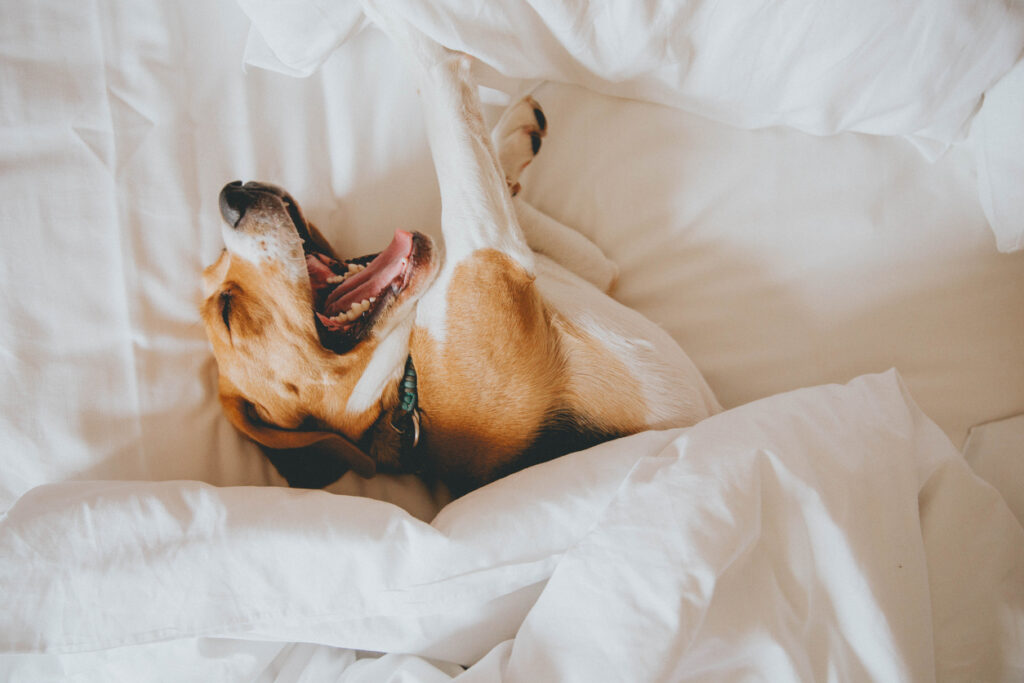
Circling is not only about safety—it also prepares the body for rest. Moving in tight circles stretches muscles, shifts joints, and helps a dog transition from activity to stillness. It’s a built-in wind-down routine.
For pets, this ritual remains useful. Spinning before lying down loosens tension in their legs and back, allowing them to curl up more comfortably and sleep more deeply, even if they have not been particularly active beforehand.
7. Creating the “perfect spot”
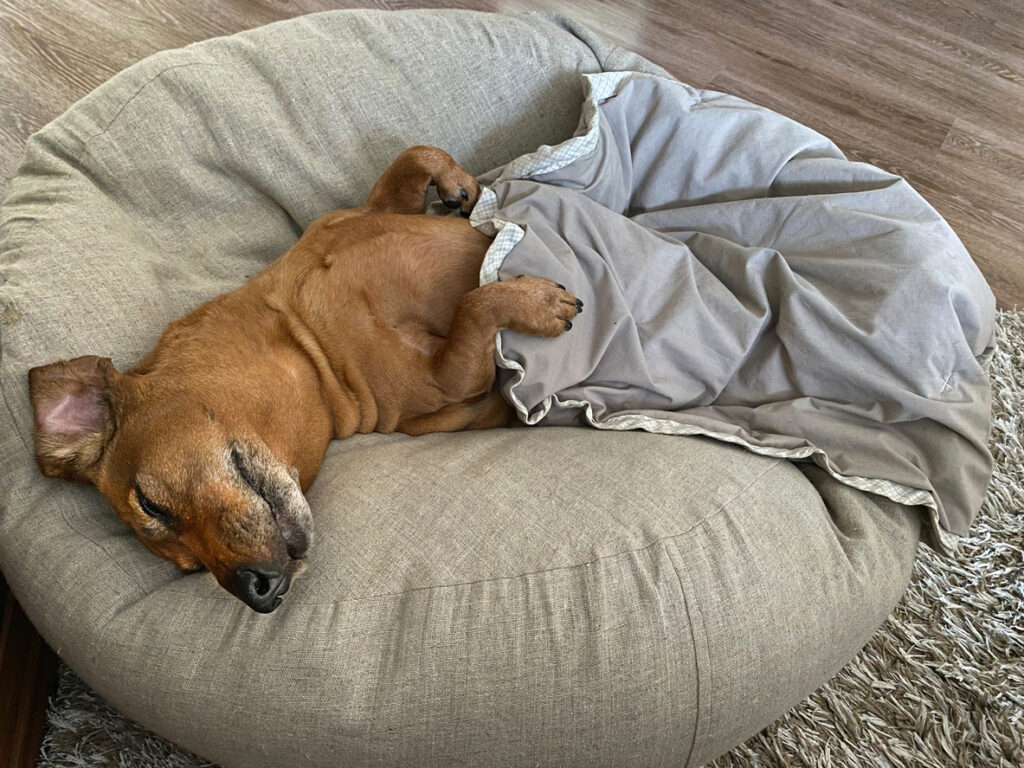
Much like humans fluffing pillows or pulling blankets into position, dogs adjust their spot through circling. Turning in circles helps them find the angle and position that feels most secure, creating a nest-like space tailored to them.
Even on perfectly padded beds, the act of circling itself is comforting. The behaviour provides mental preparation as well as physical adjustment, giving dogs the sense they’ve shaped the space just right before lying down.
8. Bonding with ancestral behaviour
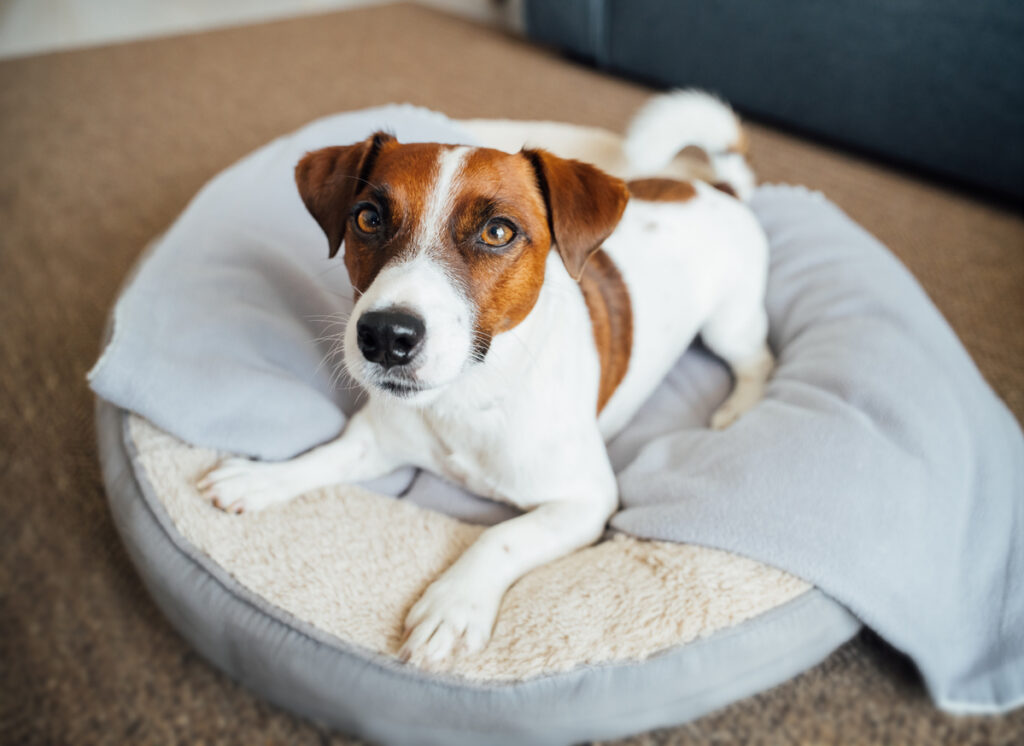
Circling connects modern dogs with their long line of ancestors. It is one of those instinctive rituals that link family pets with wolves and wild canids, a reminder of the survival strategies that once defined daily life.
Pet owners often find this endearing because it shows how close their dogs remain to their roots. Recognising the link helps people appreciate that even in comfort, instinctive routines still carry meaning and purpose.
9. Habit reinforced by repetition
Behaviours repeated over generations and individual lifetimes often become automatic. For dogs, circling is not just instinctual, but also habitual. Once the behaviour is ingrained, it feels natural and becomes part of their nightly rhythm.
This is why dogs repeat the action even when unnecessary. The act itself is reassuring, providing consistency and familiarity. It signals to their body that it’s time to rest, much like bedtime rituals do for humans.
10. A mix of instinct and comfort

No single reason explains why dogs circle before lying down. The behaviour is a blend of safety instincts, temperature regulation, territorial marking, and habit. Together, these elements ensure dogs feel ready to sleep in peace.
Understanding this helps owners view circling not as a quirk, but as part of natural canine behaviour. It is both practical and symbolic, bridging the gap between ancestral survival and present-day comfort in one small ritual.