When people picture the toughest animals on land, elephants and rhinos are usually two of the first to come to mind.

They’re both massive, powerful, and built in ways that make the rest of the animal world step aside. Seeing either of them up close is enough to remind you just how impressive they are, and it’s no wonder people love comparing the two. They’re very different creatures, but they carry the same sense of raw presence that grabs your attention instantly.
What makes the comparison interesting is that each has its own strengths that aren’t necessarily obvious until you dig a bit deeper. Size alone doesn’t tell the full story, and neither does temperament. When you start breaking it down, you realise this matchup is far more complex than people assume.
Elephants are significantly bigger.
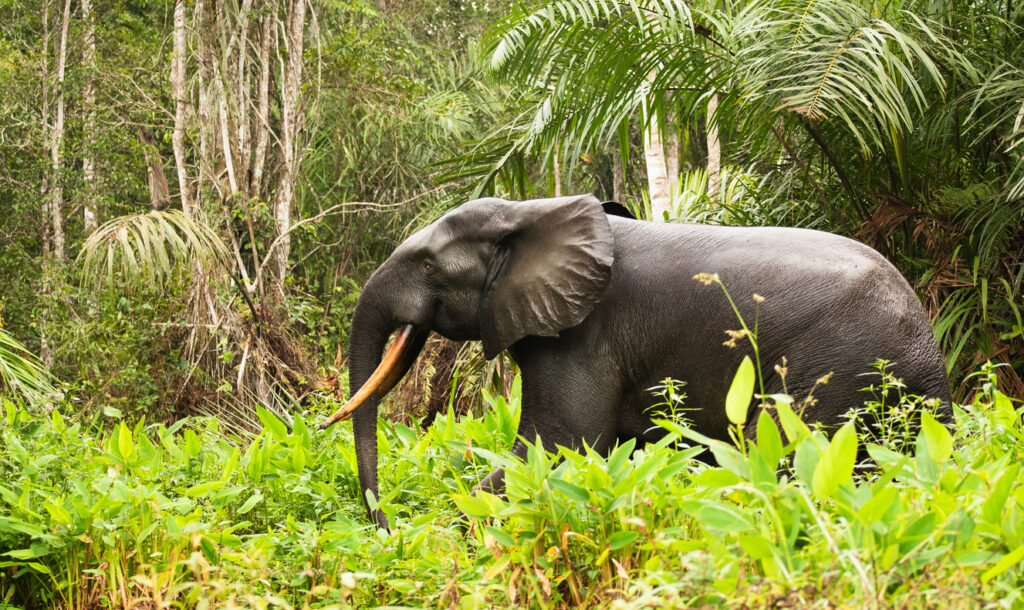
African elephants can weigh up to six tonnes, while the largest white rhinos reach about three and a half tonnes. That’s nearly double the weight difference. In animal fights, size matters enormously because it translates directly to strength and momentum.
The elephant’s extra weight means it can push harder and absorb more impact. A charging elephant carries far more force than a charging rhino. This size advantage gives elephants a massive head start in any physical confrontation.
Rhinos have more dangerous weapons.
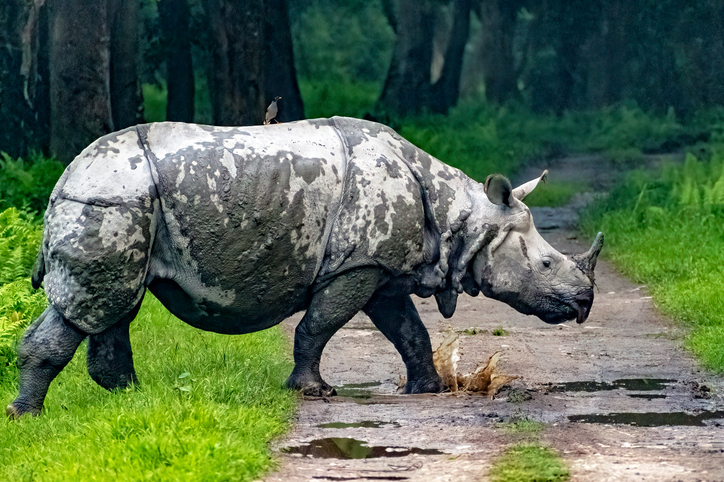
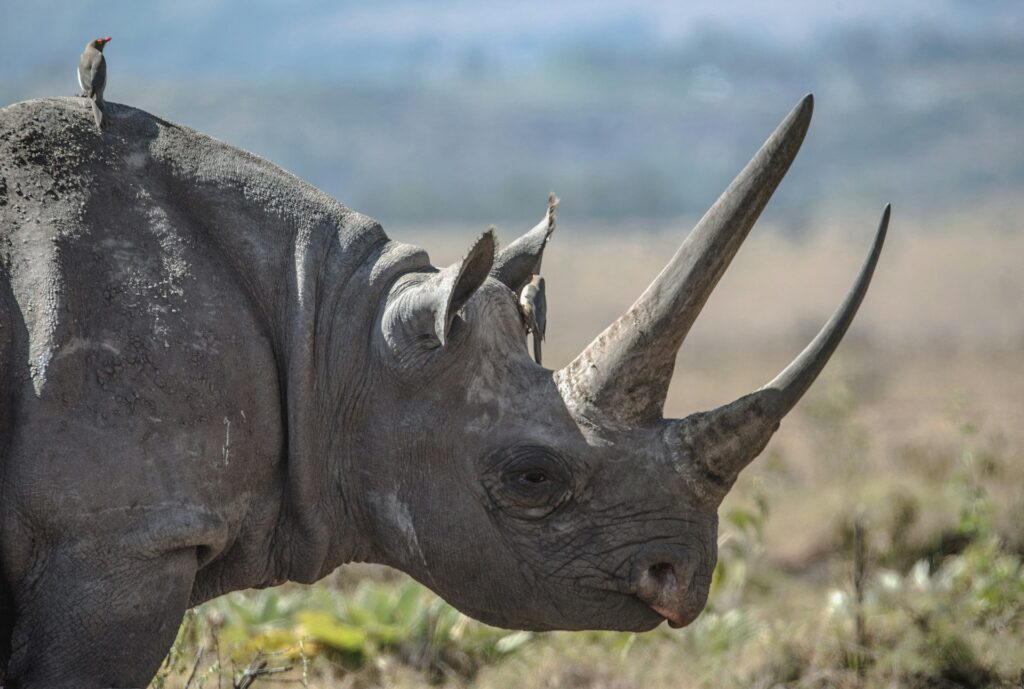
The rhino’s horn is a formidable weapon designed for fighting. It’s sharp, strong, and positioned perfectly for goring. Rhinos use their horns aggressively when threatened and can inflict devastating injuries. Elephants have tusks, but not all elephants have large ones and some have none at all. While elephant tusks can be dangerous, they’re not as naturally designed for combat as a rhino’s horn. The rhino’s weapon is more specialised for fighting.
Elephants are more intelligent.

Elephants have much larger brains and demonstrate complex problem-solving and strategic thinking. In a fight, this intelligence means tactical advantage. Elephants can assess situations and adapt their approach. On the other hand, rhinos aren’t stupid, but they’re far less cognitively complex than elephants. They rely more on aggression and charging. An elephant could potentially outthink a rhino, using strategy rather than just brute force to win a confrontation.
Rhinos are built like tanks

Rhino skin is incredibly thick and tough, almost like armour plating. This gives them excellent protection against bites, scratches, and impacts. Their compact, muscular build is designed for absorbing and delivering powerful hits. Elephants have thick skin too, but it’s not as tough as rhino hide. Rhinos are built specifically for ramming and fighting. Their entire body structure is optimised for physical combat in ways elephants aren’t.
Elephants have longer reach.
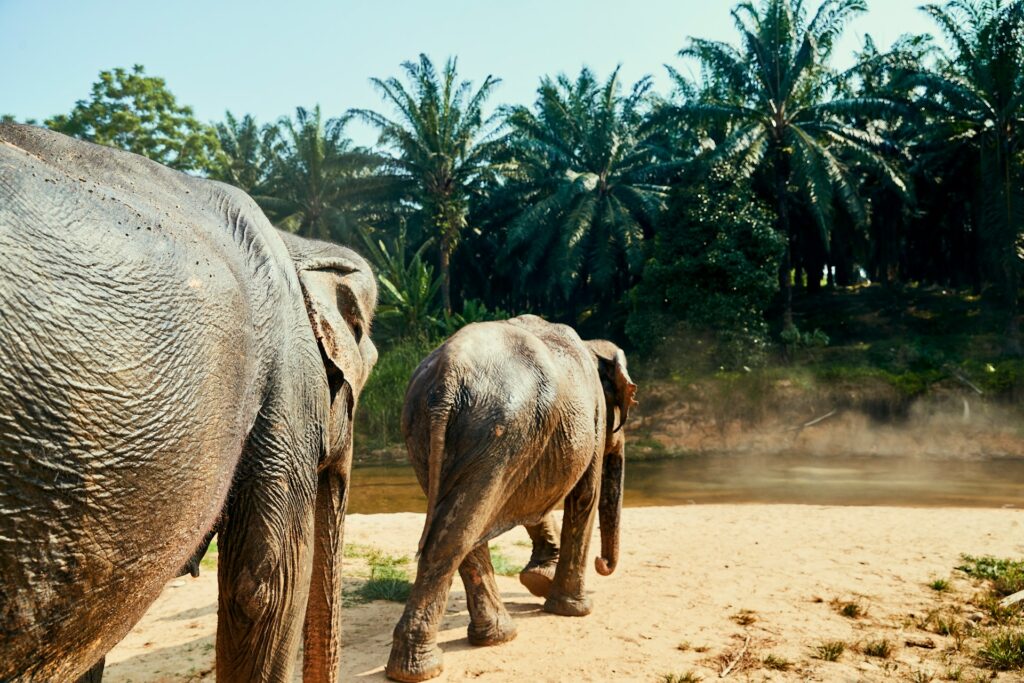
An elephant’s trunk gives it incredible reach advantage. It can grab, hit, and manipulate from a distance the rhino can’t match. The trunk is also extremely strong and can be used as a powerful weapon. Rhinos need to get close to use their horn effectively. The elephant can strike and control the rhino from further away. This reach advantage means the elephant can fight while staying out of the rhino’s most dangerous range.
Rhinos are more naturally aggressive.
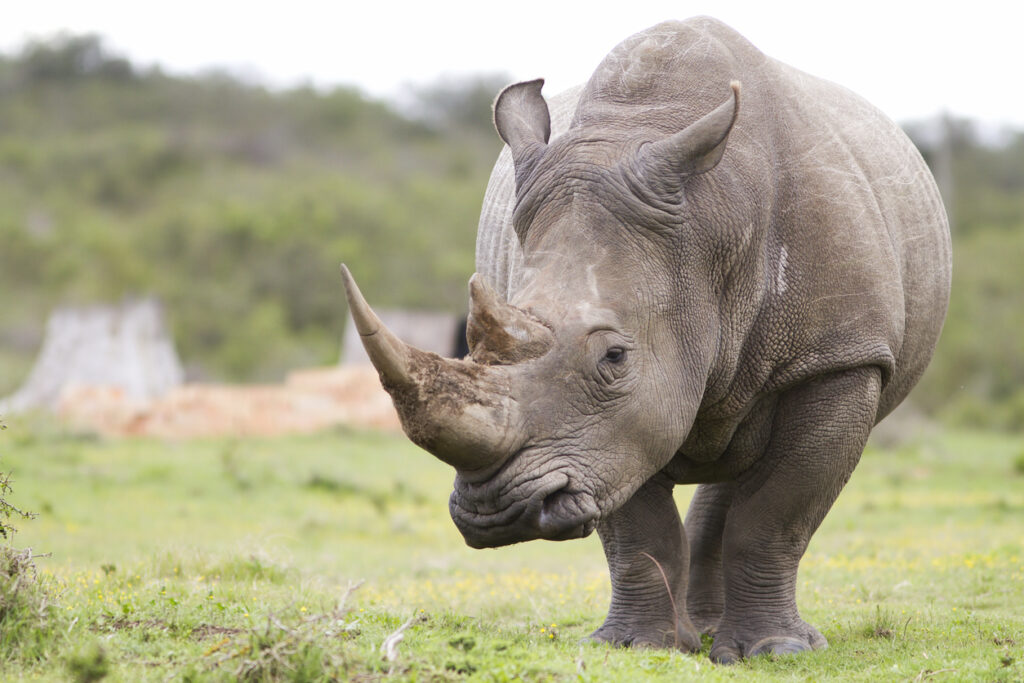
Rhinos have poor eyesight and nervous temperaments, which makes them charge first and ask questions later. They’re quick to violence when they feel threatened. This aggressive instinct makes them dangerous opponents. Elephants are generally calmer and less likely to attack without serious provocation. In a genuine fight, though, this doesn’t help the rhino. A provoked elephant is absolutely terrifying and once committed to fighting, they’re relentless.
Elephants can rear up and crush.

One of the elephant’s most devastating attacks is rearing up on hind legs and dropping its full weight onto an opponent. This move can kill large predators instantly. Against a rhino, this crushing attack could be deadly. Rhinos can’t counter this type of attack effectively. Their body structure doesn’t allow them to rear up the same way. If an elephant gets on top of a rhino, the rhino is in serious trouble with no good defensive options.
Rhinos are faster and more agile.
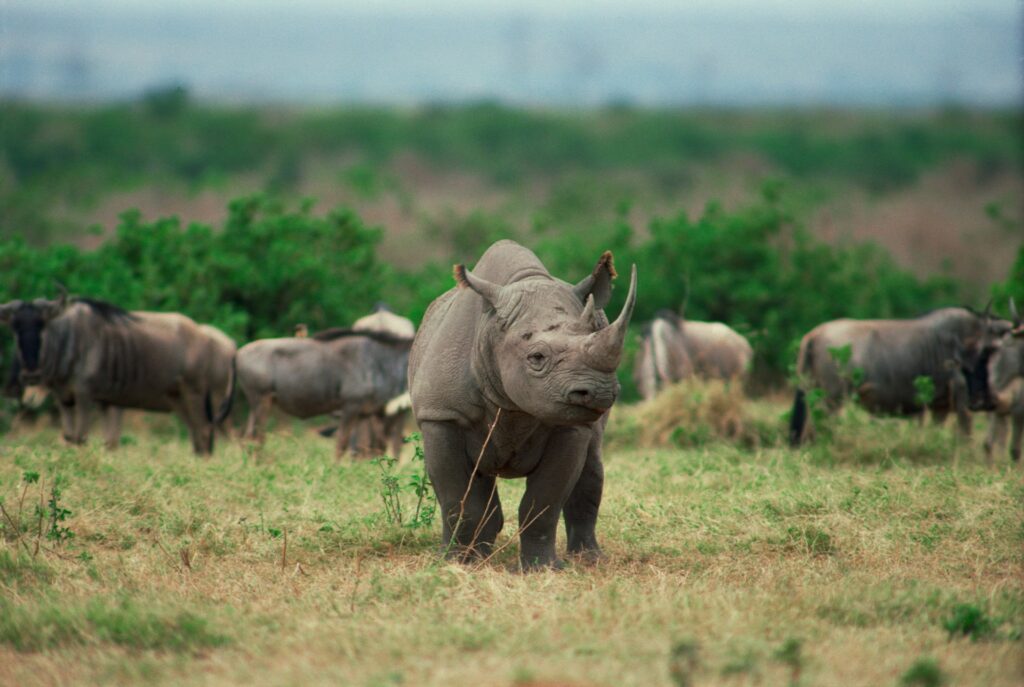
Despite their bulk, rhinos can run at about 50 kilometres per hour and turn surprisingly quickly. This speed and agility gives them tactical options in a fight. They can charge, dodge, and reposition faster than elephants. Elephants are powerful, but not particularly fast or agile by comparison. A rhino could potentially use hit and run tactics, charging in to strike then backing off before the elephant can counter. Speed could help offset the size disadvantage.
Elephants fight in groups.
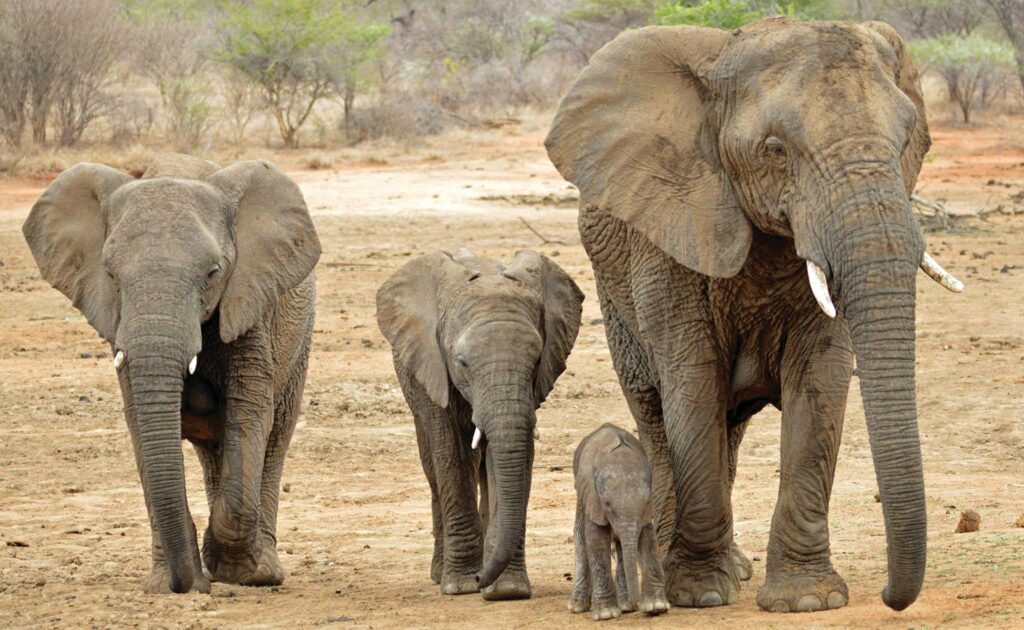
In nature, elephants live in family groups and fight together. If a rhino threatens one elephant, it faces the whole herd. This social structure means elephants rarely fight alone. Rhinos are mostly solitary, except for mothers with calves. In a real-world scenario, a rhino challenging elephants would face multiple opponents. Even a powerful rhino can’t beat several elephants working together.
Actual fights are extremely rare.
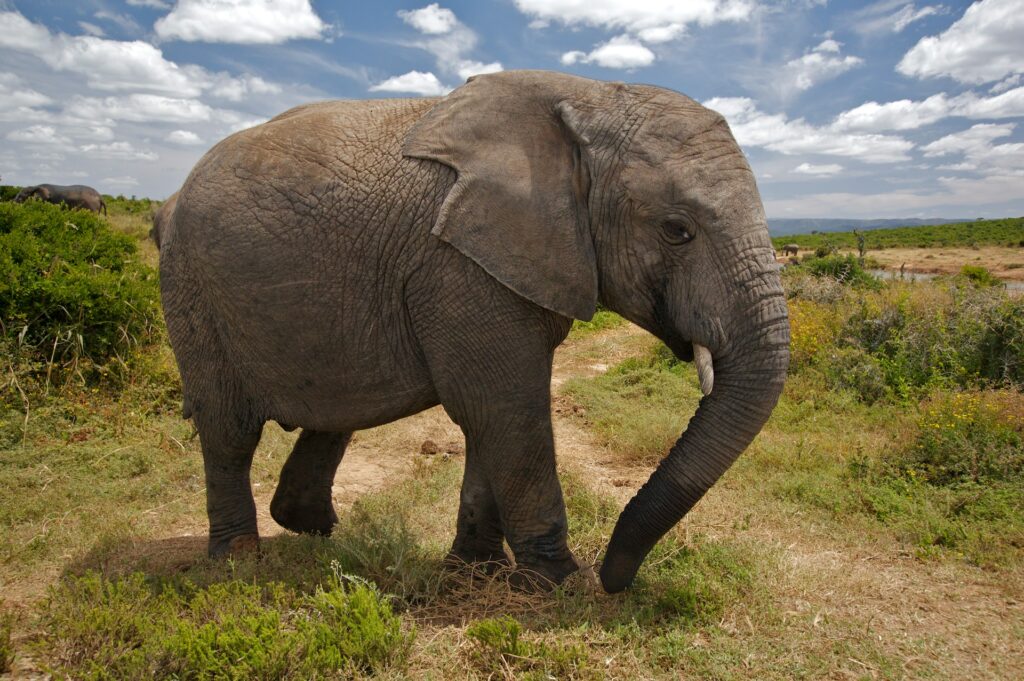
Elephants and rhinos generally avoid each other. Both species recognise that fighting carries huge risks, even for the winner. They share waterholes and territory without major conflict most of the time. When they do interact, it’s usually just displays and bluffing. Real physical fights between adult elephants and rhinos almost never happen. Both animals are too intelligent to risk serious injury in pointless battles.
Context determines the outcome.
A female elephant protecting a calf would fight with desperate ferocity. A bull elephant in musth is phenomenally aggressive and dangerous. A defensive rhino in thick bush has advantages. The circumstances of the fight matter enormously.
There’s no simple answer because animal fights aren’t predictable. Individual temperament, age, health, and situation all play huge roles. A particularly aggressive rhino might beat a young or weak elephant. A prime bull elephant would dominate most rhinos.
Elephants usually dominate in practice.

In the rare documented cases of serious conflict, elephants typically win. Their size, strength, and intelligence give them the edge. Rhinos sometimes land injuries, but usually retreat when facing a committed elephant.
Wildlife experts generally agree that a fully grown elephant beats a fully grown rhino more often than not. The weight and reach advantages are just too significant. The rhino’s weapons and toughness aren’t enough to overcome the elephant’s overall superiority.
Both animals are vulnerable to humans.

The real threat to both elephants and rhinos isn’t each other, it’s humans. Poaching and habitat loss endanger both species. In the true battle for survival, neither their strength nor their weapons help against guns and bulldozers.
Arguing about which is tougher misses the bigger point. Both are magnificent animals facing extinction pressures. The heavyweight battle that matters isn’t elephant versus rhino. It’s both species fighting to survive in a world that’s destroying their habitats.