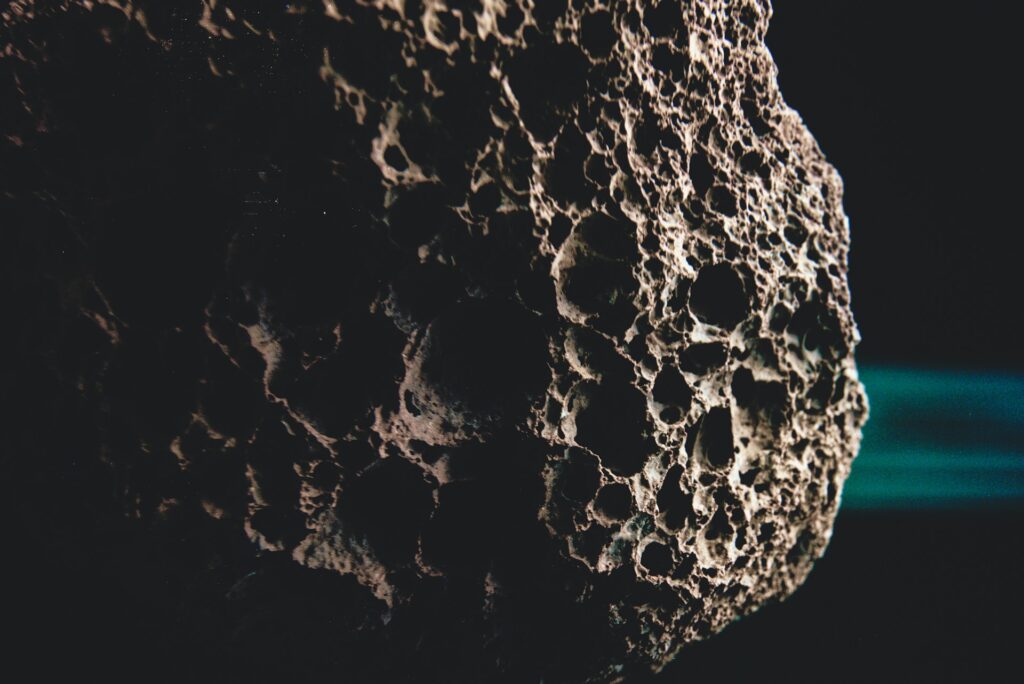
Everyone knows Earth has one moon. That big, bright object in the night sky is the Moon with a capital M. But astronomers have discovered that Earth actually has several other moonlike objects orbiting it at any given time. These quasi-moons and mini-moons are small, temporary, but very real.
Earth has one permanent Moon.
The Moon we all know has been orbiting Earth for over four billion years. It’s massive, about a quarter the size of Earth itself. This is the only proper, permanent moon that Earth has, and it’s not going anywhere. When people say Earth has one moon, they’re talking about this large permanent satellite. Everything else is much smaller, temporary, and behaves differently. The capital M Moon is in a different category entirely from the other objects.
Quasi-moons orbit the Sun, not Earth.
Quasi-moons are small asteroids that orbit the Sun but stay close to Earth as both travel around the Sun together. They’re not orbiting Earth directly. Instead, they follow a path that keeps them near Earth for years or decades. In other words, quasi-moons aren’t true moons in the technical sense. They’re companion objects that tag along with Earth without being gravitationally bound to it. They’re more like Earth’s travel buddies than proper satellites.
Mini-moons actually orbit Earth temporarily.
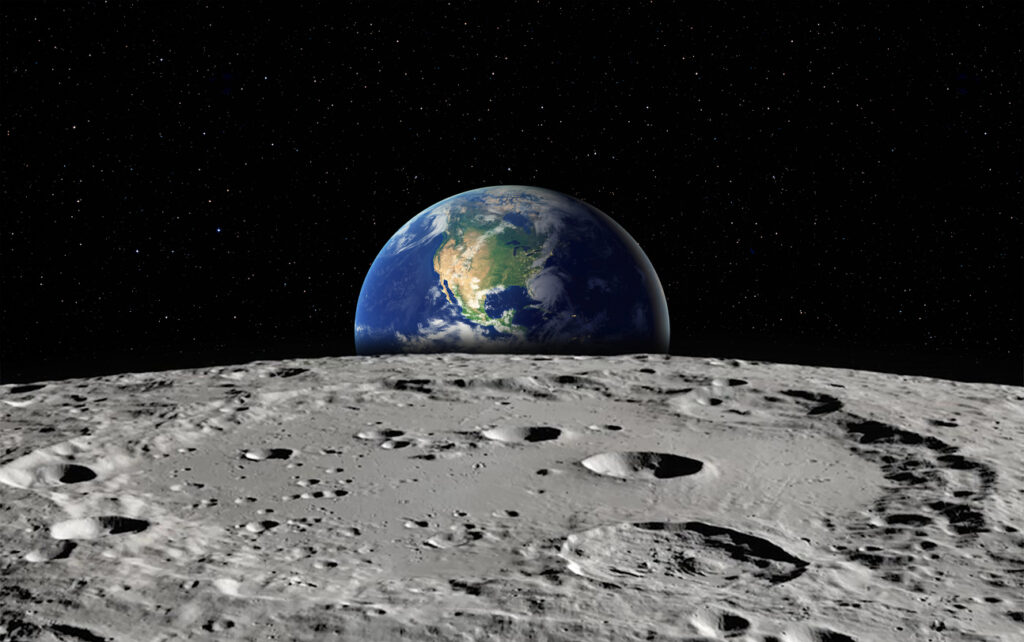
Mini-moons are different from quasi-moons because they do actually orbit Earth, just not for very long. These are small asteroids that get captured by Earth’s gravity and make a few loops around the planet before escaping back into space. These temporary captures usually last a few months to a few years. During that time, the object is genuinely orbiting Earth and counts as a real moon. Then Earth’s gravity lets go and the object leaves, often never to return.
Astronomers recently discovered a new quasi-moon.
Scientists detected a small space rock following Earth around the Sun in a quasi-moon orbit. This object joins several others that astronomers already knew about. These discoveries happen regularly as telescope technology improves. The new quasi-moon is tiny compared to the real Moon, probably only a few metres across. It will stay near Earth for a while and then drift away. Finding these objects proves that Earth constantly has company we don’t usually notice.
Most quasi-moons are incredibly small
We’re not talking about moon-sized objects here. Most quasi-moons and mini-moons are the size of cars or small buildings. Some are just a few metres across. They’re basically space pebbles compared to the real Moon. That explains why we didn’t know about them until recently. They’re too small and dark to see without powerful telescopes. The real Moon is so bright you can see it easily. These tiny objects require serious equipment to detect at all.
Earth has had quasi-moons for millions of years.
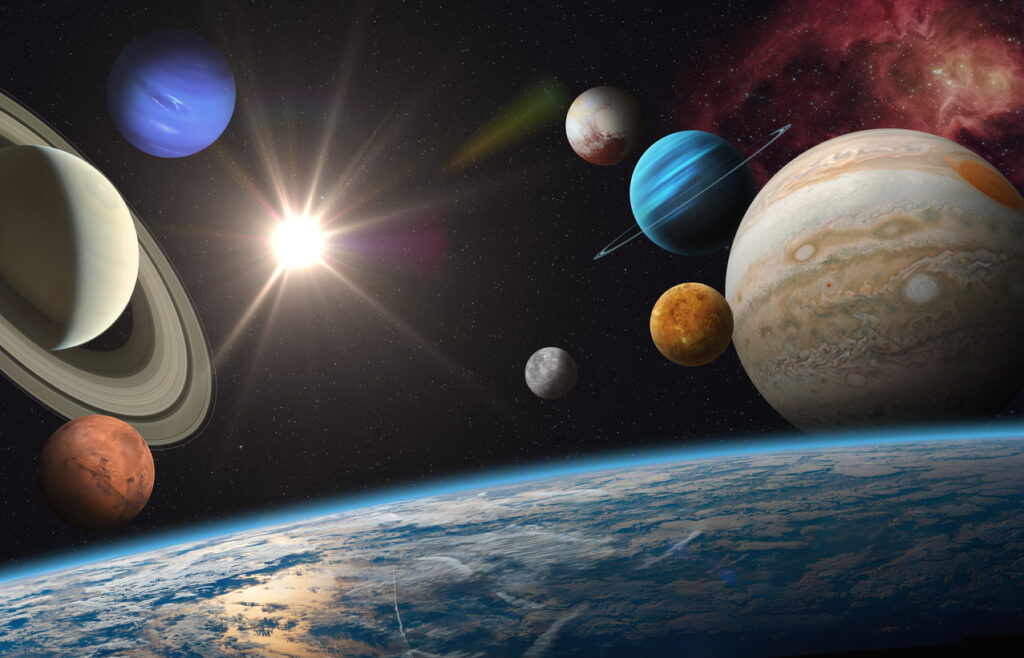
It should be said that this isn’t a new phenomenon. Earth has probably always had small objects travelling alongside it. We’re only just discovering them now because our technology finally lets us spot such tiny, distant rocks. Individual quasi-moons come and go over time, but there’s always something out there keeping pace with Earth. It’s a constant rotation of small companions. Some stay for decades, others for centuries, but eventually, they all drift away and new ones arrive.
These objects don’t affect Earth at all.
You don’t need to worry about quasi-moons or mini-moons. They’re far too small to influence tides, weather, or anything else on Earth. The real Moon has massive effects because of its size and proximity. These tiny rocks do absolutely nothing. They’re scientifically interesting but practically irrelevant to life on Earth. Knowing they exist doesn’t change anything about how our planet works. They’re curiosities rather than significant objects.
Scientists track these objects carefully.
Even though quasi-moons are harmless, astronomers monitor them as part of tracking near-Earth objects. Understanding what’s moving around in Earth’s neighbourhood is important for planetary defence and space exploration. These small objects also teach scientists about the population of tiny asteroids in the inner solar system. Studying them helps us understand how common small space rocks are and where they come from.
Defining what counts as a moon is tricky.
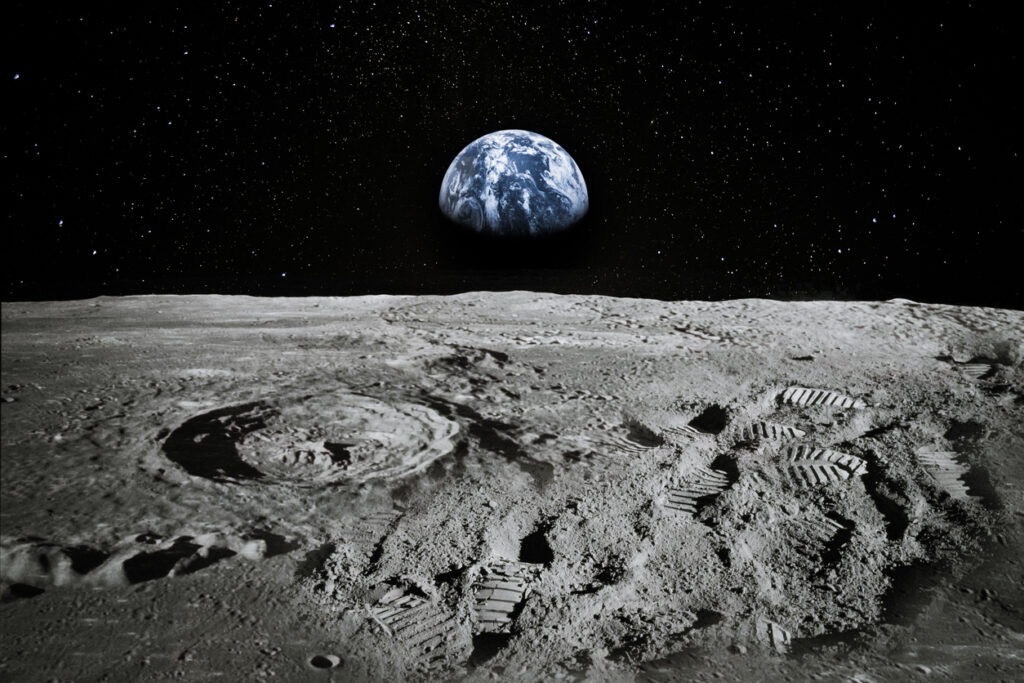
There’s debate about whether quasi-moons and temporary mini-moons should count as real moons. They orbit differently or temporarily compared to proper moons. The definition gets fuzzy when you’re dealing with such unusual situations. Most astronomers would say Earth has one moon and several moonlike objects. Calling them all moons is technically debatable. But in casual terms, saying Earth has multiple moons isn’t completely wrong, it just needs explanation.
More discoveries are coming, no doubt.
As telescopes get better, we’ll find more of these tiny companions. There are probably dozens or hundreds of small objects in quasi-moon or mini-moon relationships with Earth that we simply haven’t spotted yet. Each new discovery adds to our understanding of Earth’s cosmic neighbourhood. We’re learning that our planet doesn’t travel through space alone. It’s constantly accompanied by a changing parade of small rocky companions that most people never knew existed.
If you want to know more about Earth’s quasi-moons, minimoons, and even our ghost moons (yes, we have all three!), The Planetary Society has a great rundown that’s informative and fascinating.