
Most of us never think about how much our daily lives depend on technology until something threatens to switch it all off. Solar storms, caused by powerful eruptions from the Sun, have the potential to disrupt everything from satellites to power grids. While Earth’s magnetic field offers some protection, an extreme event could still knock out modern systems on a massive scale. These are just some of the ways that solar storms could destroy the technology we rely on every day.
The Sun can release huge blasts of energy.
Every so often, the Sun releases a massive burst of energy called a coronal mass ejection. These clouds of charged particles travel through space and, if they collide with Earth, can interact with our planet’s magnetic field in violent ways. It’s these bursts that cause the spectacular northern lights and also threaten our technology.
When a strong solar storm heads our way, scientists have only a short window to predict its effects. A direct hit could disturb the delicate electrical systems that keep the modern world running smoothly.
Earth’s magnetic field is sadly not invincible.
Our planet’s magnetic field usually shields us from the Sun’s radiation, but even it has limits. During a major solar storm, this magnetic shield can become overwhelmed, letting high-energy particles reach the atmosphere and, in some cases, the ground itself. The interference is what disrupts power grids and communication systems. While we’d still be safe from radiation, our technology wouldn’t be so lucky.
Power grids could fail completely.

Power lines act like massive antennas for solar energy. When solar particles hit Earth, they can create electric currents that overload transformers and melt key components. Once damaged, these systems take weeks or months to replace. In severe cases, entire regions could lose electricity. Without power, everything from hospitals to water treatment plants would struggle to operate.
Satellites are at high risk.
Satellites orbiting Earth are directly exposed to solar radiation. A strong storm can damage their electronics or push them off course by altering the thin layer of atmosphere they travel through. This could disable navigation, communication, and weather tracking systems. Because so much of modern life relies on satellites, from GPS to banking networks, their loss would create widespread disruption within hours.
The internet could collapse temporarily.
Undersea data cables and communication networks depend on repeaters that keep signals strong. These sensitive components aren’t built to withstand surges from solar activity. A major storm could knock out sections of the global internet for weeks. Even if local connections survived, international communication might slow to a crawl, making it hard to access information, send messages, or complete financial transactions.
Air travel would be affected.

High levels of solar radiation can interfere with aircraft communication and navigation systems. During strong solar storms, flight paths may be rerouted away from polar regions to reduce risk to passengers and crew. In extreme cases, flights could be delayed or grounded altogether until the storm passes. For global travel and trade, that kind of disruption would be hugely expensive.
History shows how dangerous these storms can be.
The Carrington Event of 1859 is the most powerful solar storm ever recorded. Telegraph systems across the world failed, wires sparked, and some operators were even shocked by the current. If such a storm struck today, with our dependence on electricity and digital systems, the damage would be far worse.
Smaller storms have caused problems before, such as the 1989 event that blacked out parts of Canada. These incidents are reminders that it’s not a question of if, but when, another major storm will hit.
We are more reliant on technology than ever.
From online banking to hospital systems, the world depends on constant electricity and internet access. A solar storm could shut down ATMs, disable mobile networks, and disrupt GPS, leaving people without the tools they use every day. Because so much of this infrastructure is interconnected, damage in one area can quickly spread through entire systems. Our convenience comes with hidden vulnerability.
Early warning systems can only do so much.
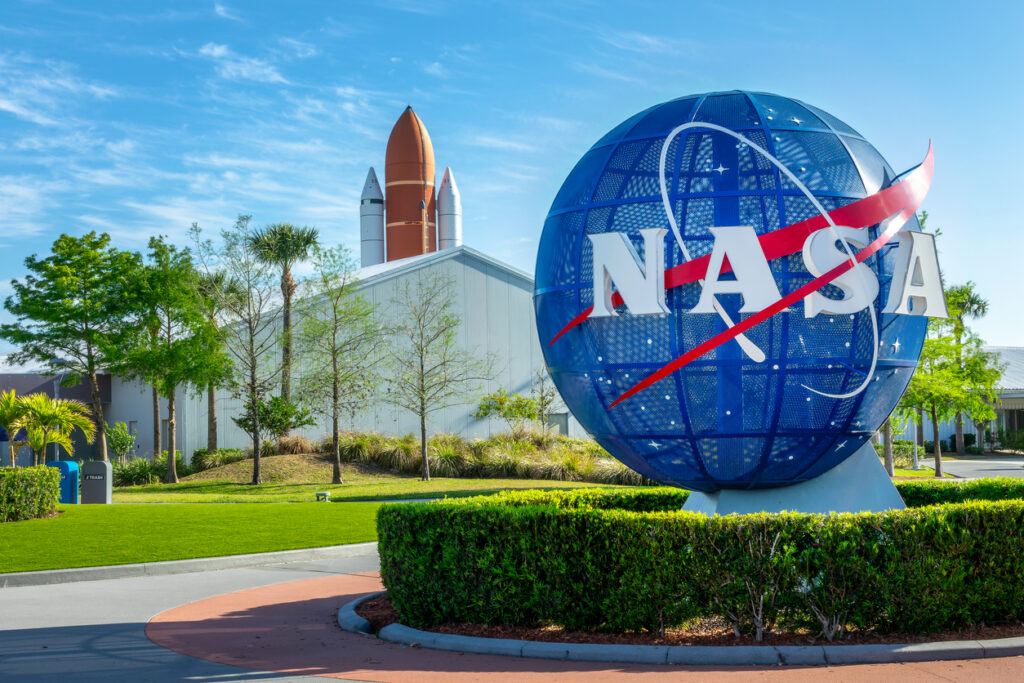
Space agencies like NASA and the European Space Agency monitor the Sun closely, providing some warning when a major eruption occurs. However, even with the best instruments, the time between detection and impact is often just a few hours. That’s barely enough time to shut down satellites or reroute power flows. In practice, there is little the world could do to stop the effects entirely, only to lessen the damage.
A severe storm would change daily life overnight.
If a solar superstorm struck, lights could go out, communication could stop, and transport could grind to a halt. It wouldn’t destroy civilisation, but it would remind us how fragile our systems are. Even a short blackout would highlight how deeply technology runs through every part of modern life. Scientists are working to make our networks more resilient, but the truth remains that nature’s power is far greater than our inventions. The next big solar storm might be a test we aren’t yet ready for.