
A lot of people assume their small garden can’t make much difference to nature, especially when they compare it to big reserves or countryside habitats. However, the truth is that countless species rely on tiny pockets of green to survive day to day. These little spaces add up in ways most of us never think about, giving insects, birds, and small mammals places to feed, rest and shelter. Even the smallest garden can play its part when it’s treated as a living space rather than just something to look at.
The real question is whether these little patches can help nature on a wider scale. When you see how quickly wildlife moves into a garden that gives them what they need, it’s hard not to wonder what would happen if lots of people made a few simple changes. The impact can be surprisingly strong when those small efforts connect across estates and even whole towns.
Gardens create massive connected habitat networks.
Individual gardens might be small, but together they add up to enormous areas. In Britain, private gardens cover more land than all the nature reserves combined. This creates a huge potential network of wildlife habitat across the country.
The key is connectivity. When neighbouring gardens are wildlife-friendly, animals can move between them safely. This connected network functions almost like one large habitat. Small gardens become stepping stones that link isolated wild spaces together.
Urban gardens are refuges in wildlife deserts.
Cities and towns are mostly concrete and tarmac, with very little natural habitat. Gardens provide crucial green spaces where wildlife can actually survive in urban areas. Without gardens, many species couldn’t exist in cities at all.
Birds, hedgehogs, insects, and amphibians all depend on gardens in built-up areas. These small patches of habitat are often the only places these creatures can find food, shelter, and breeding sites. Gardens literally keep urban wildlife populations alive.
Native plants support entire food chains.
One native oak tree supports hundreds of insect species. Those insects feed birds, which feed predators. Native plants create complex food webs that support biodiversity at every level. Exotic ornamental plants often support almost no wildlife because local insects haven’t evolved to eat them. Switching even part of your garden to native plants dramatically increases how much wildlife it can support. Native plants are the foundation of garden ecosystems.
Insect populations desperately need help.
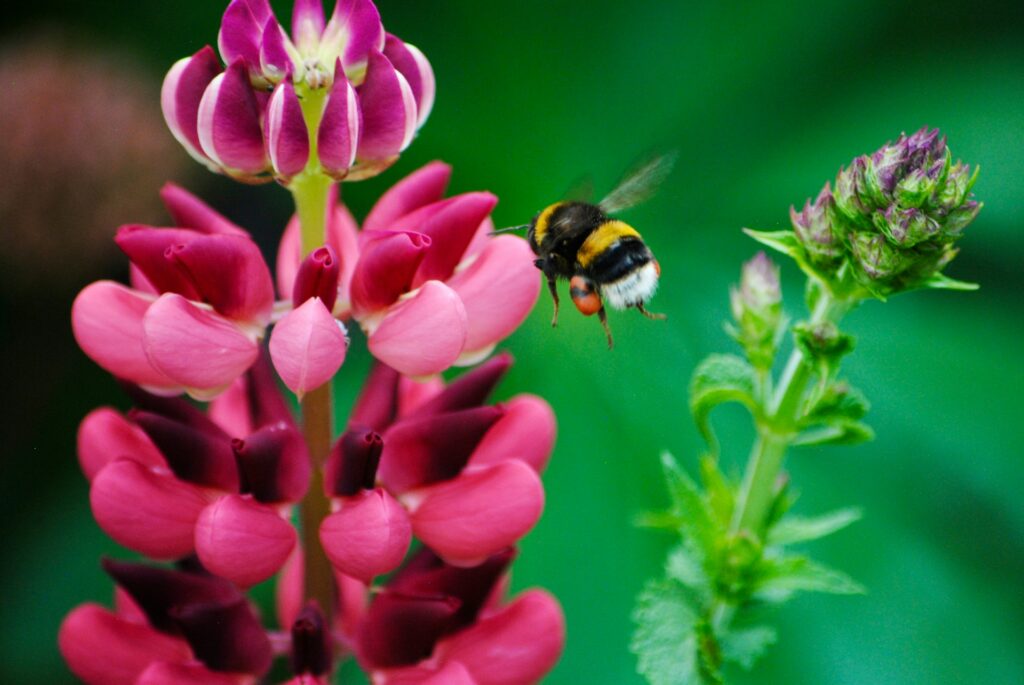
Insect numbers have crashed catastrophically in recent decades. Gardens can provide vital habitat that farmland and nature reserves can’t always offer. Letting parts of your garden grow wild and avoiding pesticides gives insects safe spaces to survive.
Insects are the foundation of most ecosystems. Without them, birds starve and plants don’t get pollinated. Gardens that support healthy insect populations have ripple effects throughout entire local food webs. Saving insects means saving everything that depends on them.
Hedgehogs need garden corridors.
Hedgehogs travel up to two kilometres a night looking for food. Fences and walls trap them in small territories. Creating gaps at the bottom of fences lets hedgehogs move between gardens freely. It’s a simple enough change, and it can save hedgehog populations in entire neighbourhoods. When hedgehogs can roam properly, they find mates, food, and shelter more easily. Connected gardens create the large territories hedgehogs need to thrive.
Gardens can’t replace wild habitats completely.
Gardens are brilliant, but they’re not substitutes for ancient woodlands, wetlands, or wild meadows. Some species need large, undisturbed habitats that gardens can never provide. Gardens complement conservation efforts rather than replacing them.
Rare and specialist species often can’t survive in gardens because conditions aren’t quite right. Gardens are fantastic for common generalist species, but they don’t solve every conservation problem. We need both gardens and protected wild spaces.
Ponds create disproportionate impact.
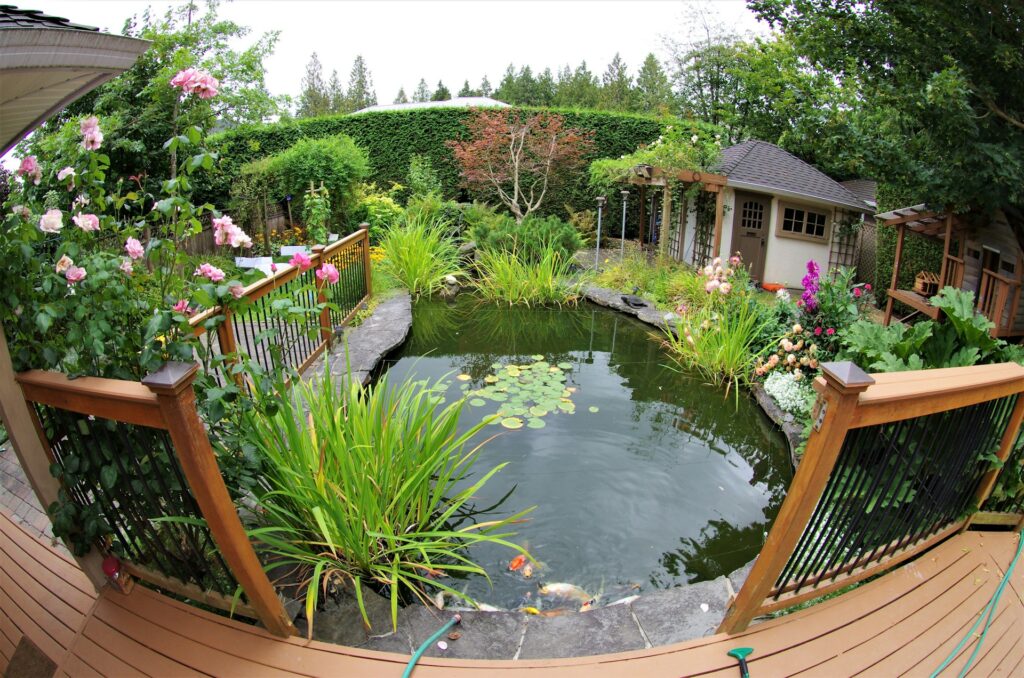
A small garden pond supports an incredible amount of wildlife. Frogs, newts, dragonflies, and countless other creatures depend on ponds for breeding. Adding even a tiny pond dramatically increases your garden’s biodiversity value. Ponds have become rare in the countryside as ditches are drained, and farm ponds filled in. Garden ponds now provide crucial breeding sites that are disappearing elsewhere. One small pond can support dozens of species.
Messy gardens are better for wildlife.
Perfect manicured lawns support almost nothing. Leaving areas of long grass, piles of logs, and heaps of leaves creates habitat for countless creatures. What looks messy to humans is essential shelter and food for wildlife.
Many garden creatures need these untidy spots for hibernation, nesting, and hunting. Dead wood hosts beetles and fungi. Seed heads feed birds through winter. Accepting some mess in your garden massively increases how much wildlife it supports.
Timing matters with garden maintenance.
Cutting hedges in spring destroys nesting birds. Tidying borders in autumn removes winter shelter. Understanding when to do garden tasks prevents you accidentally killing the wildlife you’re trying to help. Delaying cutting back until late winter and checking for nests before trimming hedges makes gardens much safer. Small changes to timing can mean the difference between thriving wildlife and destroyed populations.
Gardens provide food during critical periods.
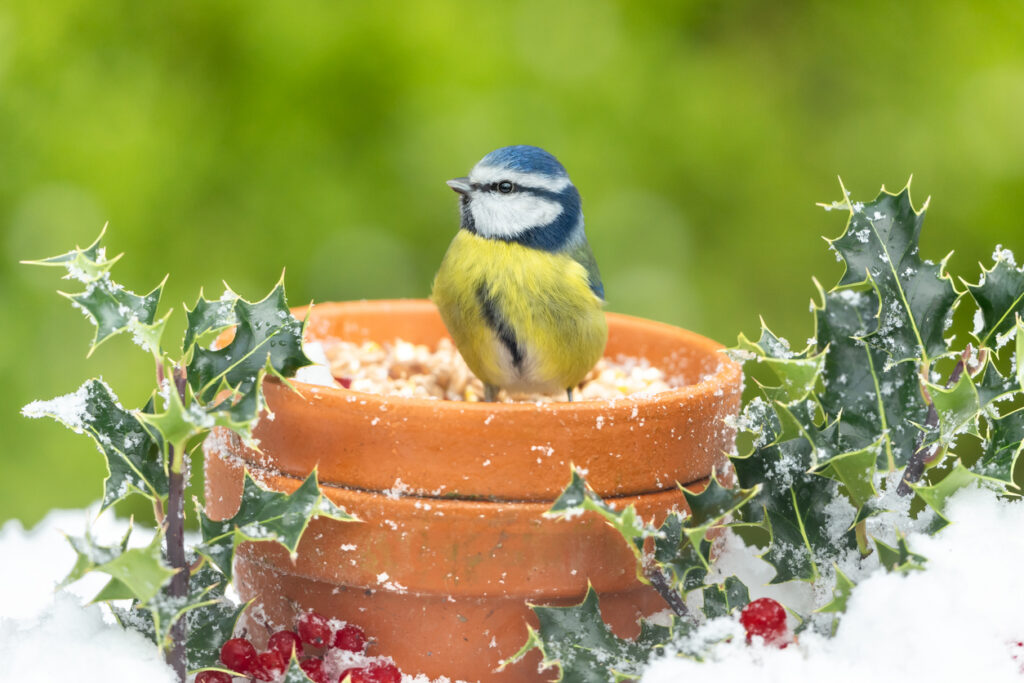
Late winter and early spring are desperate times for wildlife when natural food is scarce. Gardens with berry bushes, seed heads, and early flowers provide crucial nutrition when nothing else is available. Similarly, gardens can provide food in autumn to help animals prepare for winter. Choosing plants that provide food year round ensures wildlife always has resources available. Gardens fill the gaps when natural habitats run short.
Scale matters, obviously, but every garden counts.
Individual gardens make small differences, but collectively they create huge impacts. If millions of people make their gardens wildlife friendly, the cumulative effect is massive conservation action happening across entire countries. You can’t save nature alone, but your garden contributes to something much bigger. Every wildlife friendly garden adds to the network. Thinking your small garden doesn’t matter means missing the point of how collective action works.
Gardens need to work together.
The best results come when entire streets or neighbourhoods go wildlife friendly together. Talking to neighbours about creating connected habitats multiplies everyone’s impact. Isolated wildlife gardens are good, but connected ones are transformative.
Community action creates proper wildlife corridors and large enough populations to be sustainable. One person making their garden wild helps a bit. Ten people on the same street creating connected habitat changes the local ecosystem completely.