
Advent has a way of slowing everything down just enough for you to actually notice how you’re living. The rush of the year eases a bit, and you get a small window to take stock before January rolls in. It’s a period that naturally invites reflection without the pressure of New Year’s resolutions hanging over your head, which makes it a surprisingly good moment to look at the habits that shape how you treat the planet.
Because the pace is calmer, it’s easier to make small, thoughtful adjustments. That means things you can genuinely stick to, rather than major changes that inevitably fizzle out. You’re already leaning into a season that asks you to pay attention and be more intentional, so using that space to rethink how you shop, how you waste less or how you treat the resources around you feels like a natural fit. It’s a gentle reset rather than a grand overhaul, and that’s why it often works.
The season invites reflection and awareness.
Advent is traditionally about mindfulness and preparation, which makes it the perfect time to look at the way you live. Taking stock of your daily routines, from energy use to waste, can reveal small habits that add up over time. Awareness is always the first step toward meaningful change.
When you connect reflection with action, it turns your values into something practical. Each mindful choice, whether it’s reducing plastic or walking instead of driving, becomes part of that preparation for something better.
It’s a natural break from consumer overload.
The run-up to Christmas often encourages overspending and waste, but Advent’s deeper message is about restraint. Choosing to spend thoughtfully can reduce both stress and your environmental footprint. Instead of endless shopping, focus on quality, usefulness, or giving experiences rather than things. When you look at it this way, it brings calm back into the season. You’ll likely save money too, but more importantly, it helps you step away from habits that harm both your wallet and the planet.
Winter shines a light on energy habits.
Short days and cold nights make us notice how much energy we use. Advent’s candlelight and slower pace remind us that comfort doesn’t have to mean excess. Lowering the thermostat slightly, closing curtains earlier, or switching to LED fairy lights can make a real difference. These habits feel small, but they’re powerful when repeated. By learning to use energy more wisely during the darkest months, you set the tone for the rest of the year.
You can make sustainability part of tradition.
Advent traditions often include wreaths, calendars, and decorations, and those are all easy places to bring in eco-friendly ideas. Refillable calendars, reusable wrapping, and natural greenery add beauty without creating more waste. They also help children and guests see that sustainable can still mean festive. When sustainability becomes part of family tradition, it stops feeling like an effort. It simply becomes the way the season is celebrated.
The slower pace helps new habits settle.
January resolutions often fail because they’re rushed, but Advent offers time to try change gently. Picking one new habit, such as composting food scraps or using public transport more, gives you space to experiment without pressure. That makes it easier to stick with once the holidays are over. Consistency always beats intensity. Advent’s measured rhythm supports change that’s realistic instead of overwhelming.
It’s a time for giving, not wasting.

Generosity sits at the heart of Advent, which makes it a natural fit for sustainability. Choosing to donate to local rewilding projects, adopt an endangered animal, or buy from small ethical makers keeps the focus on kindness rather than consumption. Each thoughtful gift can have a ripple effect, supporting causes that protect wildlife or reduce waste. It’s a way to celebrate generosity while helping the planet at the same time.
Nature becomes part of the season again.
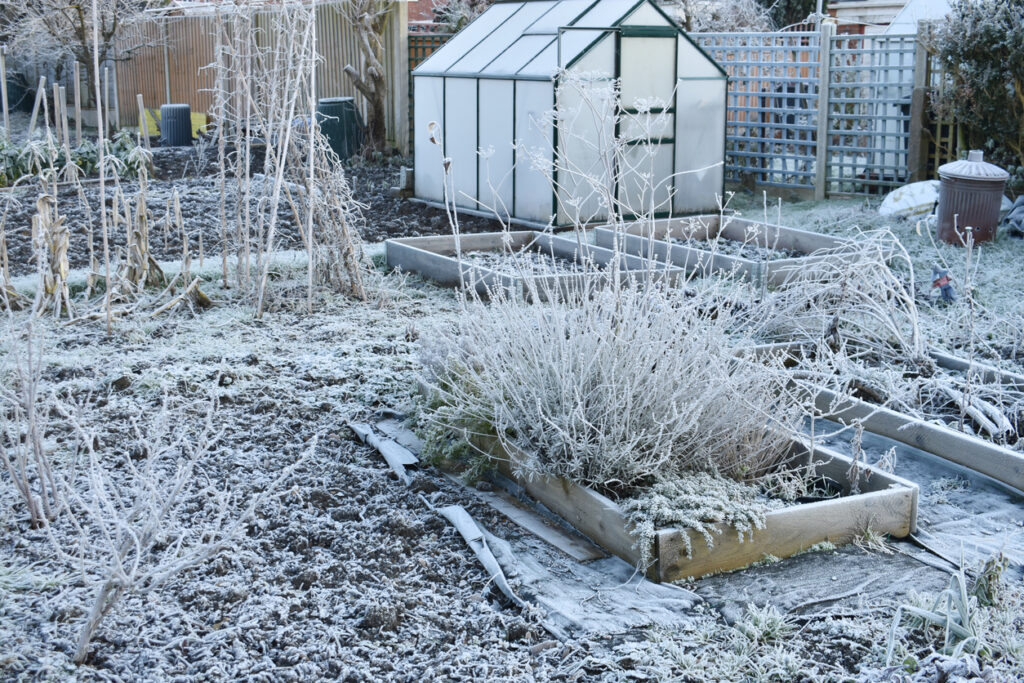
Stepping outside during Advent reconnects you with the quiet side of nature. Bare trees, frosty mornings, and winter birds remind us that life slows down for a reason. Taking time to notice those changes builds respect for the natural world, which is something often lost in the chaos of modern life. Even a short daily walk can renew that connection. When you value nature, you’re more likely to make choices that protect it.
Food choices gain new meaning.
Christmas cooking can produce mountains of waste, but Advent gives you a chance to plan differently. Choosing local ingredients, reducing meat, and avoiding excess packaging helps cut emissions and supports British farmers. Planning meals ahead also reduces the amount of food that ends up in the bin. Cooking seasonally, using root vegetables, greens, and orchard fruit not only saves energy but also reconnects you with the rhythm of the seasons.
It’s a perfect time to teach children.

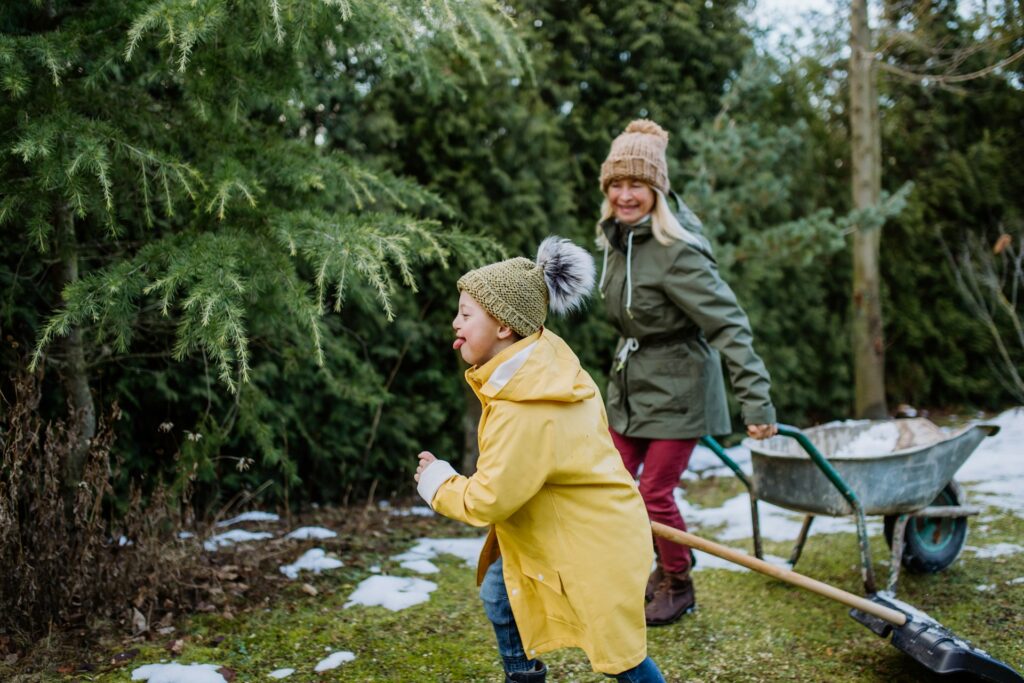
Kids love the countdown to Christmas, which makes Advent an ideal moment to teach gentle lessons about sustainability. Making decorations from recycled materials or doing a daily “kindness act” can make green habits fun. These small traditions build awareness naturally, without lectures or guilt. Children who grow up seeing sustainability as part of celebration are more likely to carry those values into adult life. It becomes second nature, not a chore.
Local events strengthen community bonds.
Advent fairs, markets, and charity drives give people a reason to come together. Supporting local businesses cuts down on shipping emissions and packaging waste. It also keeps money circulating in your area, helping small makers and growers stay afloat through winter. Buying locally builds connection, and that’s something modern life often lacks. When people know their producers, they tend to waste less and value more.
It’s a countdown to change, not just Christmas.
Advent is a bridge between the old and the new year, making it the perfect time for a mindset shift. Instead of waiting for January to start new habits, use December to experiment with them. It’s easier to keep going when change starts in a slower, more reflective season. By the time New Year arrives, these small shifts feel natural, not forced. You’re already living the change instead of just promising it.
Hope sits at the heart of the season.
Advent’s true theme is hope: the belief that something better is possible. That message applies perfectly to environmental renewal. Every small action, from reusing gift wrap to turning off lights, adds up to a larger change that brings hope to the planet too. Treating Advent as a chance to care for both your home and the Earth makes the whole season more meaningful. It turns waiting into action, and celebration into something that lasts far beyond Christmas.