It’s one of those sayings we all grew up hearing: “An elephant never forgets.”
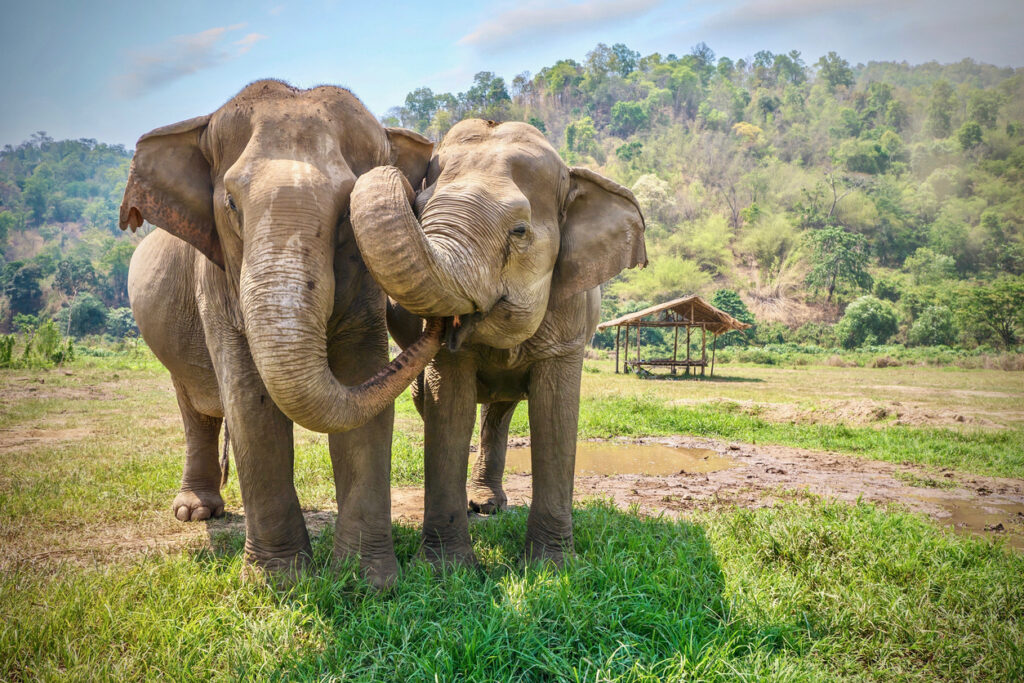
It’s often used to describe people with razor-sharp memories, or as a warning not to wrong someone who’s good at holding a grudge. But is there any truth to it when it comes to the elephants themselves? Are they really memory masters, or have we just projected human ideas onto them for so long we’ve started to believe the hype? Here’s what science actually says about elephant memory, and whether their legendary recall lives up to the reputation.
Their brains are huge for a reason.

Elephants have the largest brains of any land mammal, weighing over 5 kg in adults. However, it’s not just size, it’s structure. Their temporal lobes, which deal with memory, are proportionally larger and more complex than in humans.
That means they’re biologically set up for long-term memory. It’s not just about remembering what happened last week; it’s about remembering who, where, when, and how, over decades. That’s a big part of what helps them survive in the wild.
They remember other elephants for years.
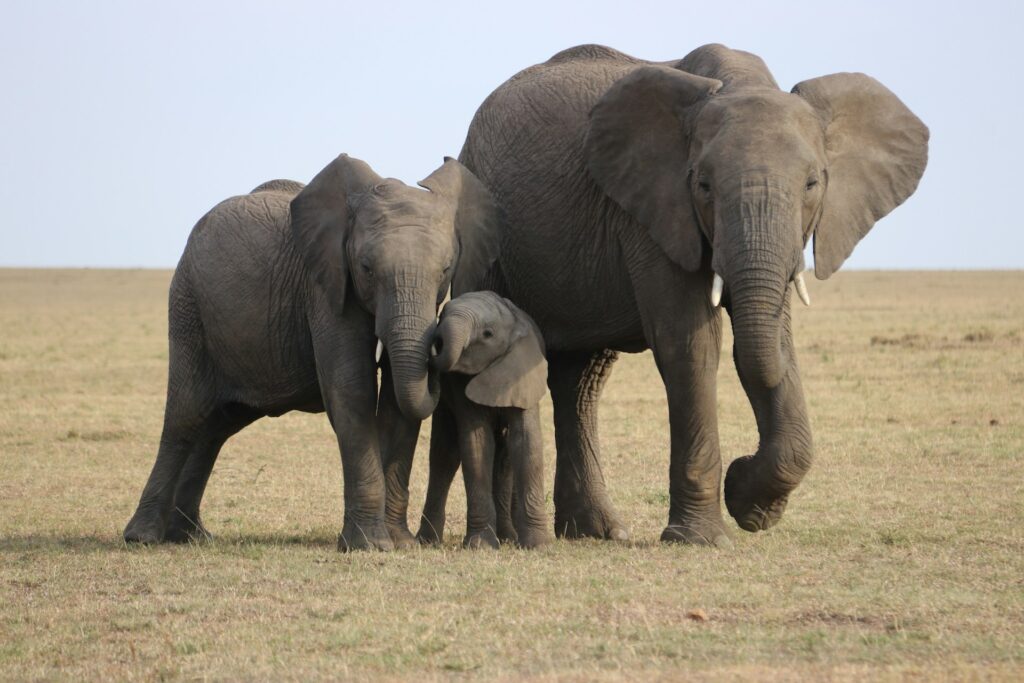
One of the most well-documented elephant memory feats is their ability to recognise and remember other elephants, even after long periods apart. Studies show they can identify calls of family members they haven’t seen for over a decade.
This ability helps them form and maintain complex social bonds. In large herds, where matriarchs lead with knowledge passed down across generations, remembering who’s a friend (and who’s not) can mean the difference between peace and conflict.
They never forget a bad experience.
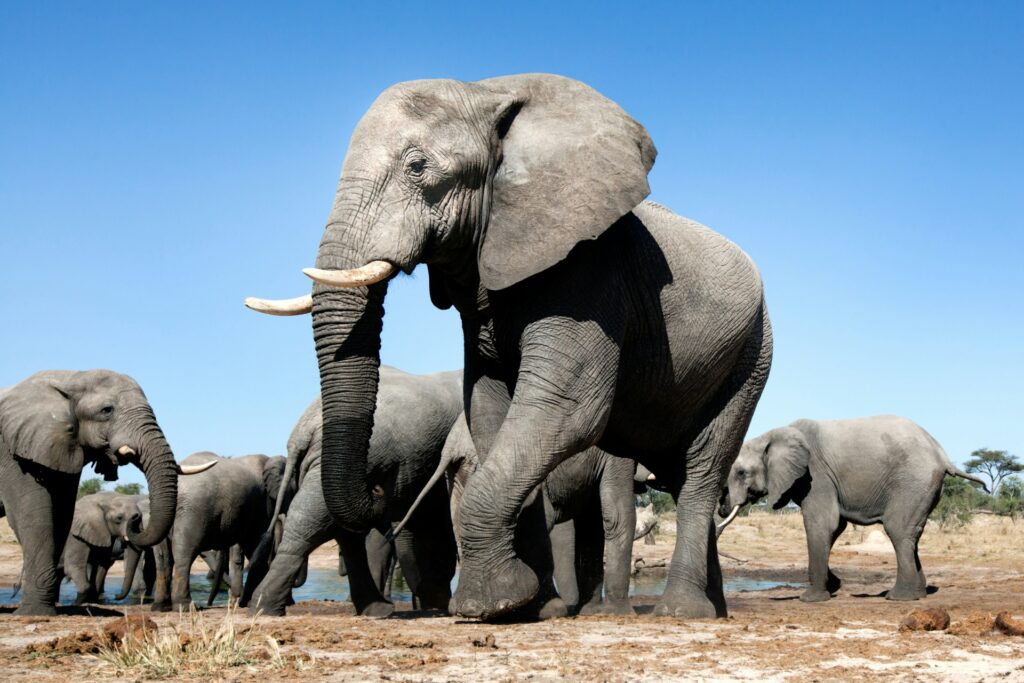
Elephants are known to avoid locations where they’ve previously experienced trauma or danger. There are recorded cases of herds avoiding old poaching sites years after the fact, even when nothing visibly marks the spot anymore. That kind of memory helps them navigate risky landscapes. In captivity, it also explains why elephants that have been mistreated can remain wary of certain humans or objects long after the incident is over.
Older elephants guide with memory.
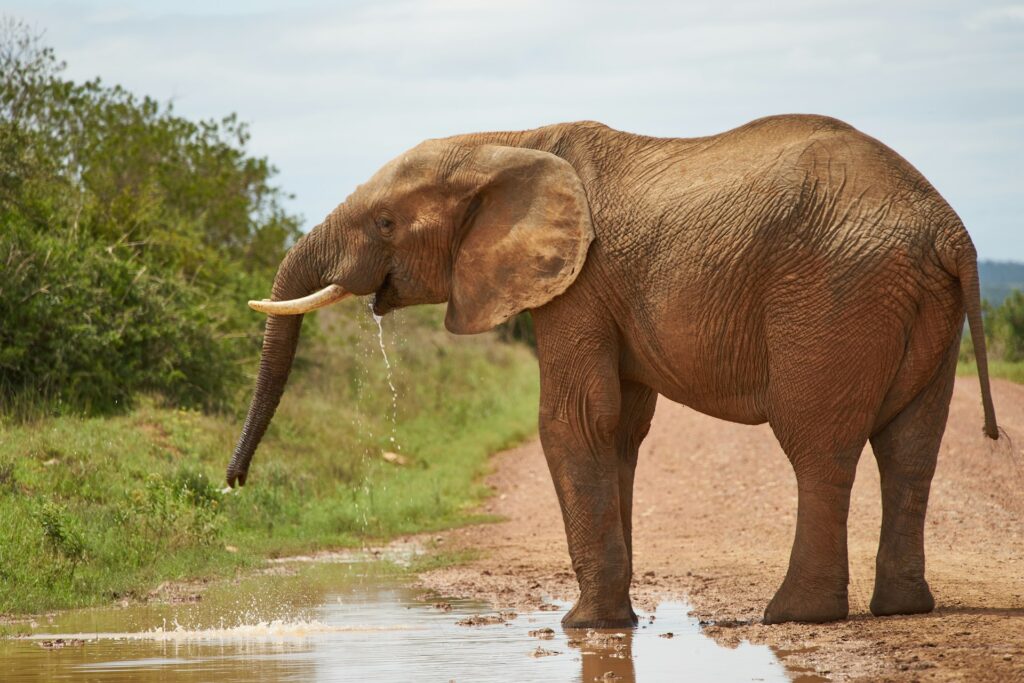
In elephant herds, older females, usually matriarchs, play a crucial role in decision-making. They draw on years of memory to lead the group to water, avoid drought-hit areas, or respond to threats from predators or humans. Studies during droughts have shown that herds led by older matriarchs are more likely to survive. These leaders remember the locations of hidden water sources from decades earlier, passing on that knowledge through generations.
They can recognise humans, too.
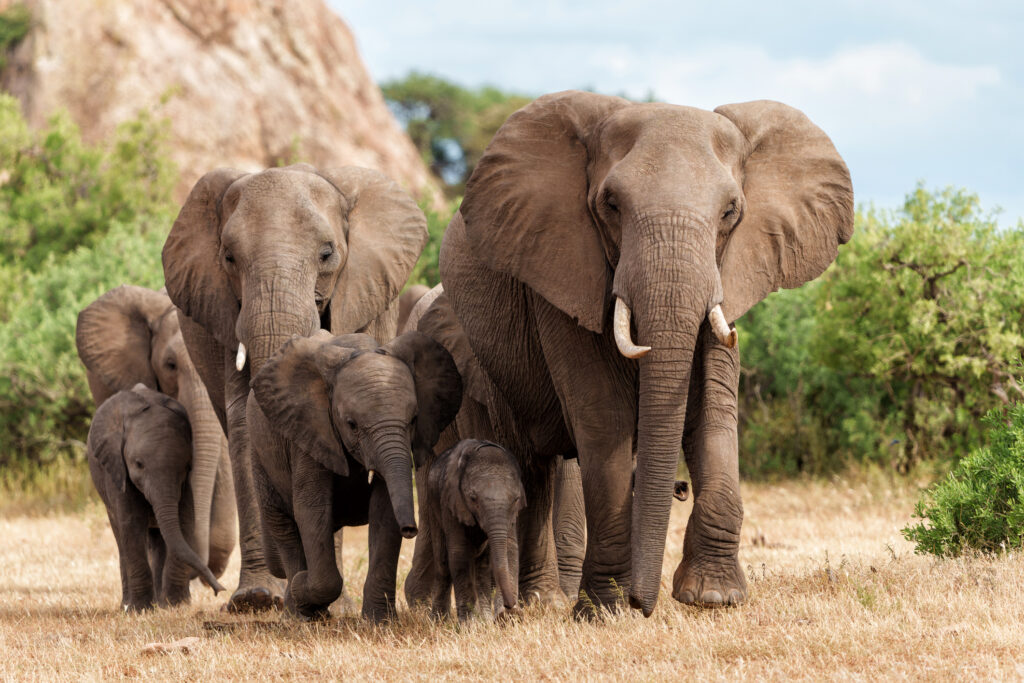
Elephants don’t just remember other elephants—they remember people. In areas where elephants encounter humans regularly, they can distinguish between different human voices, languages, and even clothing patterns. In one study, elephants responded differently to voices associated with danger, such as those of certain tribes known for hunting them. They could tell not just that it was a human—but which kind, and whether to feel threatened.
They remember routes across vast distances.
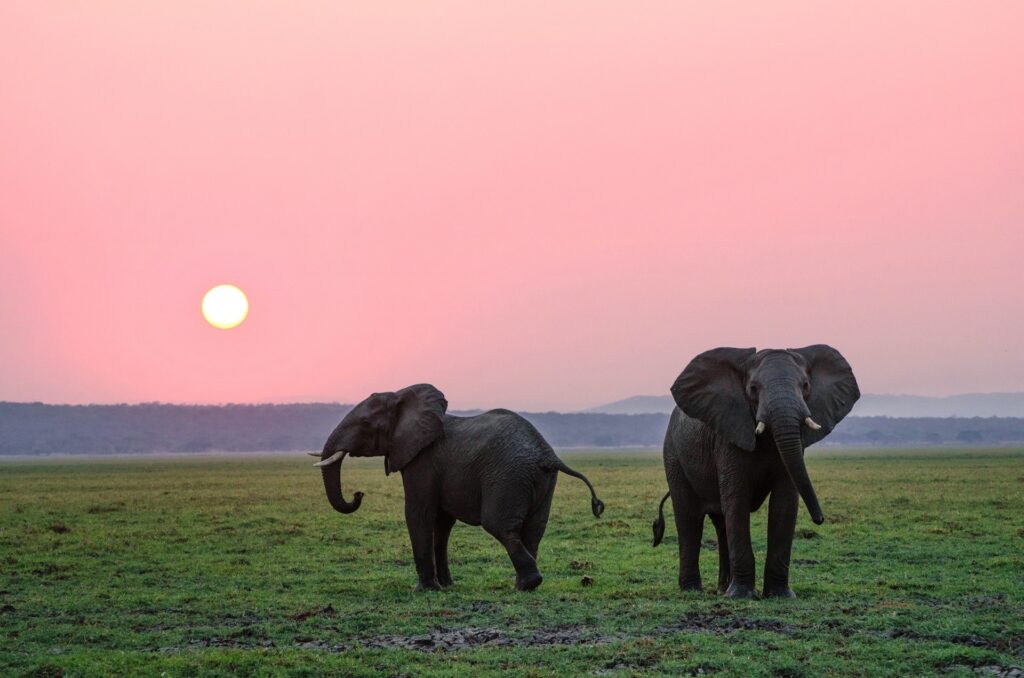
Elephants often travel hundreds of miles across difficult terrain during migration, and they’re able to remember detailed routes and landmarks along the way. This memory helps them return to water holes or food sources reliably each year. In some cases, elephants have been seen returning to specific trees or areas even after decades of absence. It’s not just instinct. They’re pulling up old memories with remarkable precision.
It’s not perfect, and they can get stressed.
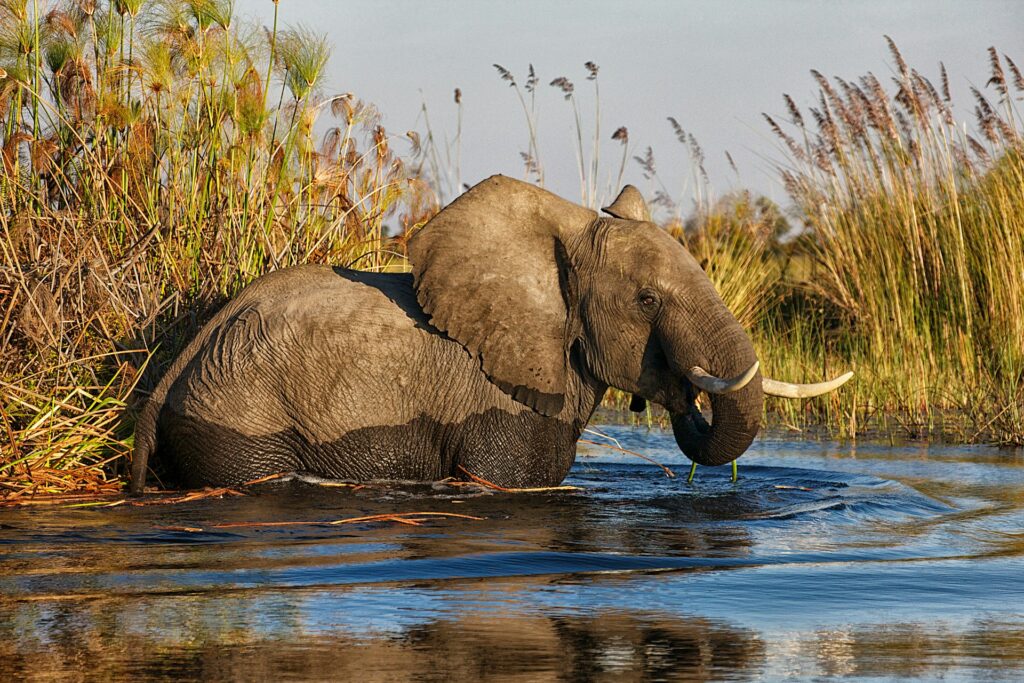
Like humans, elephants’ memory isn’t flawless. Stress, trauma, and captivity can all affect how well they remember or process information. Elephants in zoos or circuses may show signs of psychological distress that interferes with their usual sharp recall. So while they’re impressive, they’re not robots. If anything, their emotions and memories are deeply intertwined, making them incredibly intelligent, but also vulnerable to mental strain like grief, anxiety, or confusion.
Some elephants hold grudges.
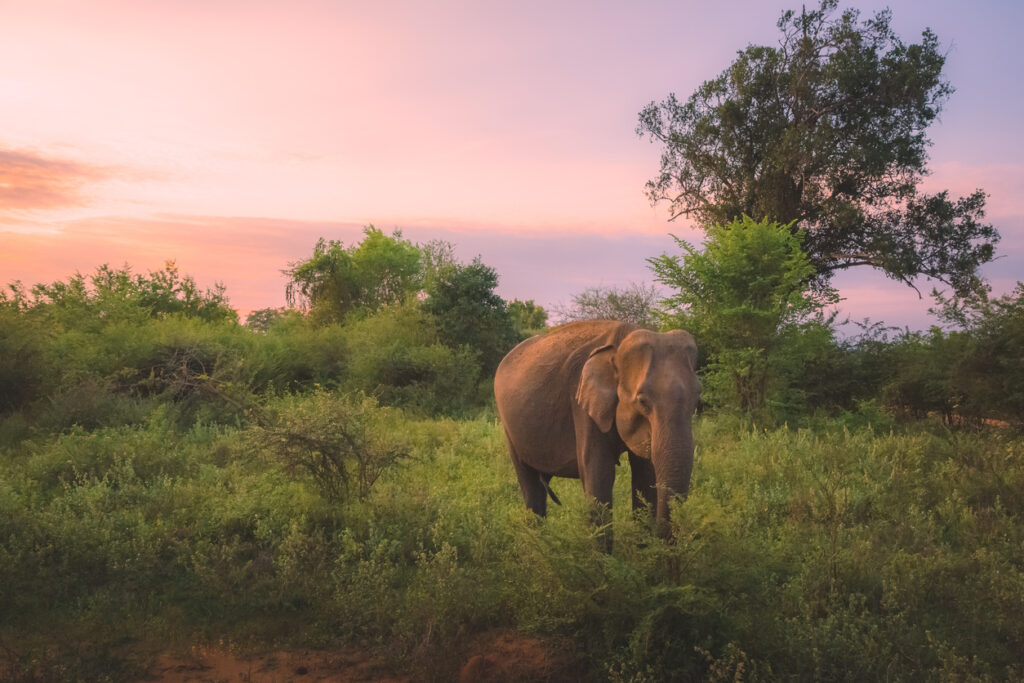
There’s anecdotal evidence of elephants attacking villages or vehicles long after a negative human interaction, suggesting they don’t just remember people, but may associate them with threat or harm. That doesn’t mean they’re vengeful; it just shows they learn from experience. Just as they’ll avoid a dried-up riverbed, they’ll avoid (or confront) people or places linked with danger. It’s memory used for protection.
They also remember kindness.
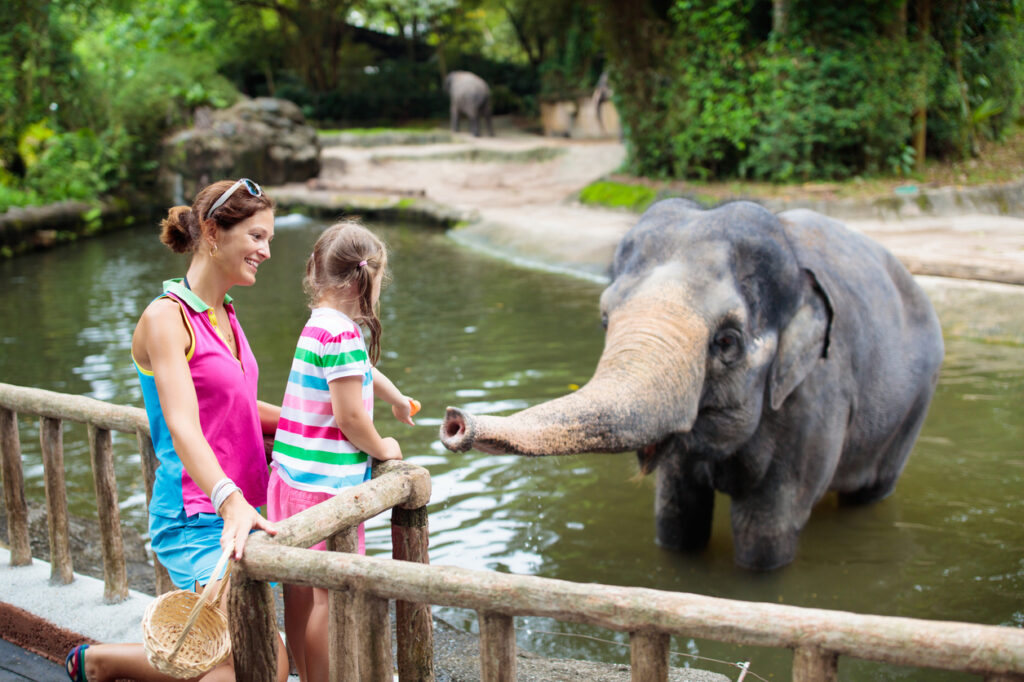
On the flip side, elephants also seem to remember kindness. There are stories of elephants recognising former caretakers years later, approaching them calmly and even showing affection. This kind of long-term social memory suggests that positive bonds can stick with them for life. It’s not just survival. They can build trust and relationships the same way we do, even across time and distance.
The myth isn’t far off.
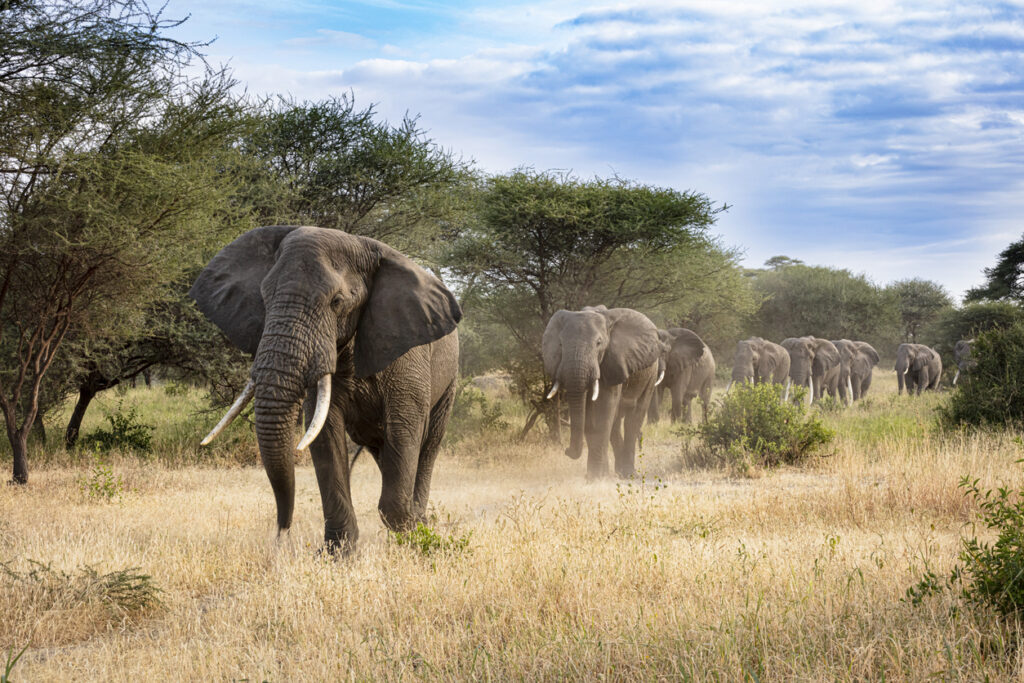
So, do elephants never forget? It’s not entirely true. Of course they forget some things! However, compared to most animals (and even humans), their long-term memory is extraordinary, especially when it comes to survival, social bonds, and emotional experience.
Like most sayings, the phrase isn’t perfect, but it’s not just a myth either. Elephants really do remember more than we might expect, and in many cases, it’s the reason they’ve been able to thrive and adapt for millions of years.