Some places are so beautiful, they seem like they must’ve always been there—untouched, unspoiled, perfectly carved by nature.

However, if you look a little closer, you’ll quickly realise that some of these postcard-worthy spots were actually shaped, enhanced, or entirely created by human hands. Whether through old industry, landscaping trends, or sheer ambition, these 12 places fool visitors into thinking they’re 100% natural when there’s a surprising backstory behind the scenes. Luckily, that doesn’t make them any less gorgeous!
1. The Lake District’s “natural” lakes
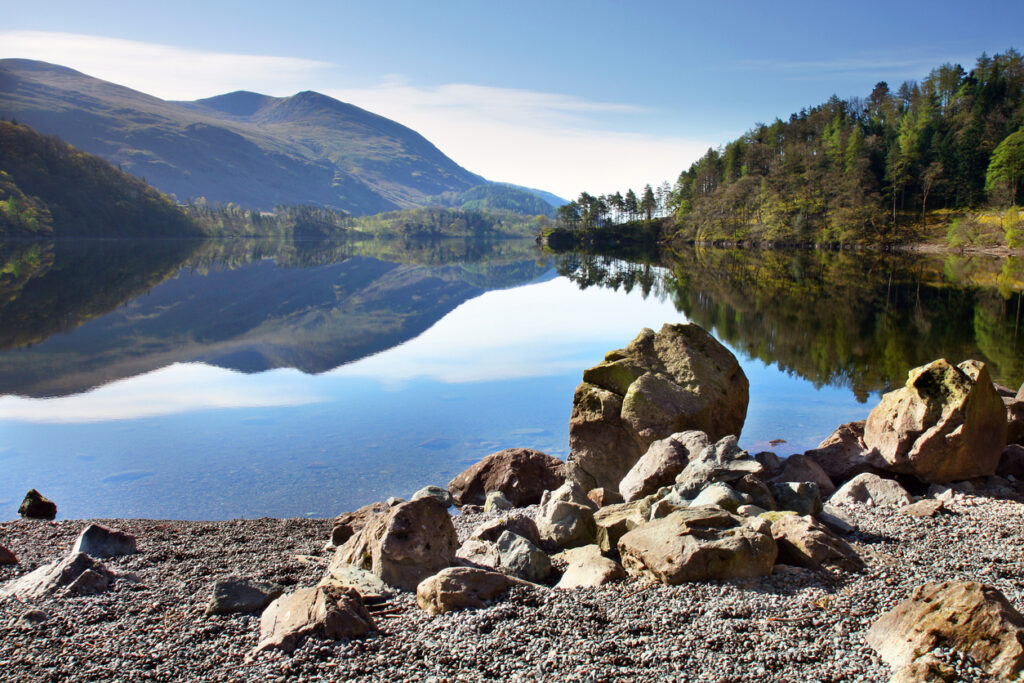
We tend to think of the Lake District as nature at its finest, but many of its lakes have been reshaped or dammed over the years. Thirlmere, for example, was turned into a reservoir to supply water to Manchester in the 19th century. Other lakes had their shorelines altered to control water levels or manage flow for mills and settlements. The scenery may look wild, but the water levels and surrounding paths often owe their existence to some serious human intervention.
2. Cheddar Gorge, Somerset
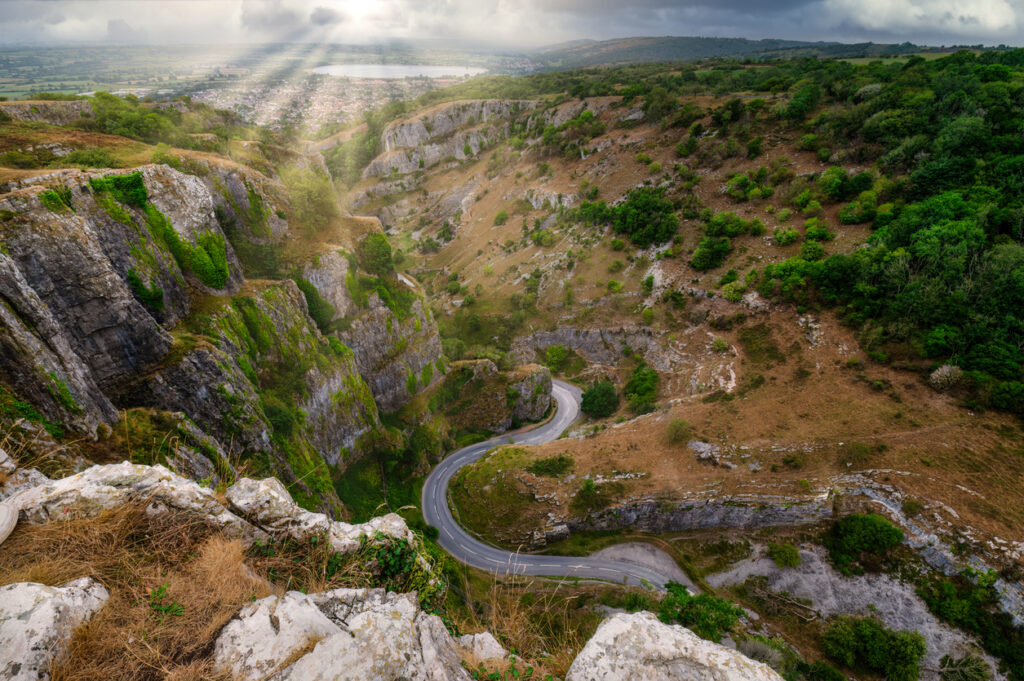
Cheddar Gorge’s cliffs and winding road make it feel like a natural masterpiece—but parts of it are the result of centuries of quarrying. Humans helped expose the dramatic rock face we admire today. While the gorge itself was formed by meltwater floods in prehistoric times, the striking views have been emphasised by mining activity that chipped away at the landscape, leaving behind the sheer drops and jagged edges.
3. The Isles of Scilly’s white sand beaches
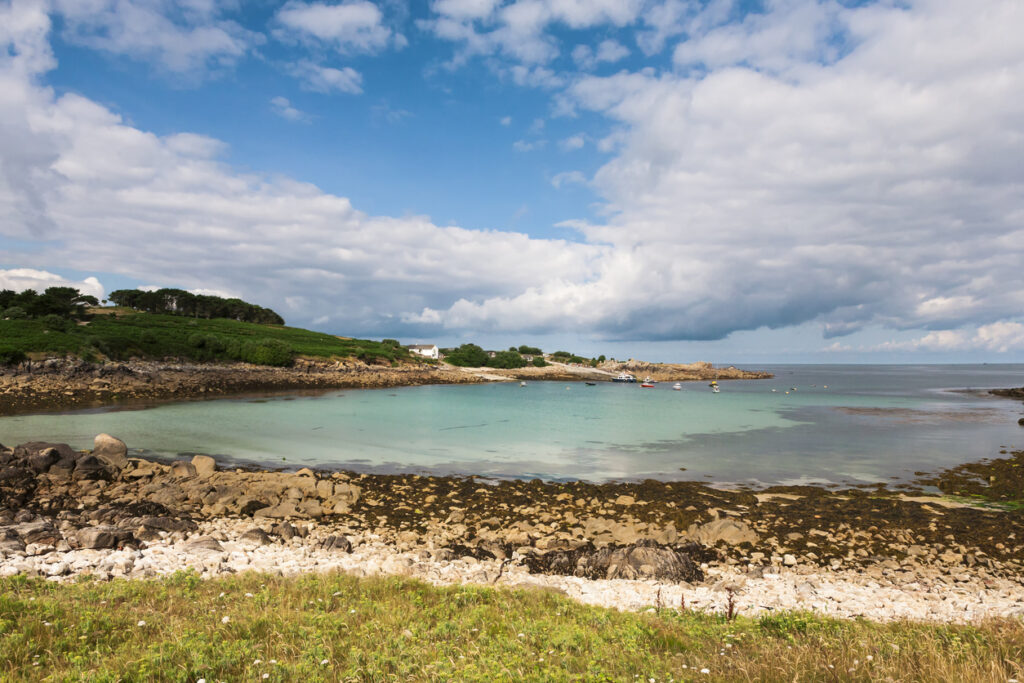
Those soft white sands on the Isles of Scilly look like they belong in the Caribbean, but some of them were reshaped by human hands, particularly around tourist-frequented beaches and harbours. Over the years, imported sand and re-landscaping have changed the beach profiles. Some of the beaches were even built up to protect settlements from sea-level changes, blending practical need with postcard-ready views.
4. Stourhead Gardens, Wiltshire
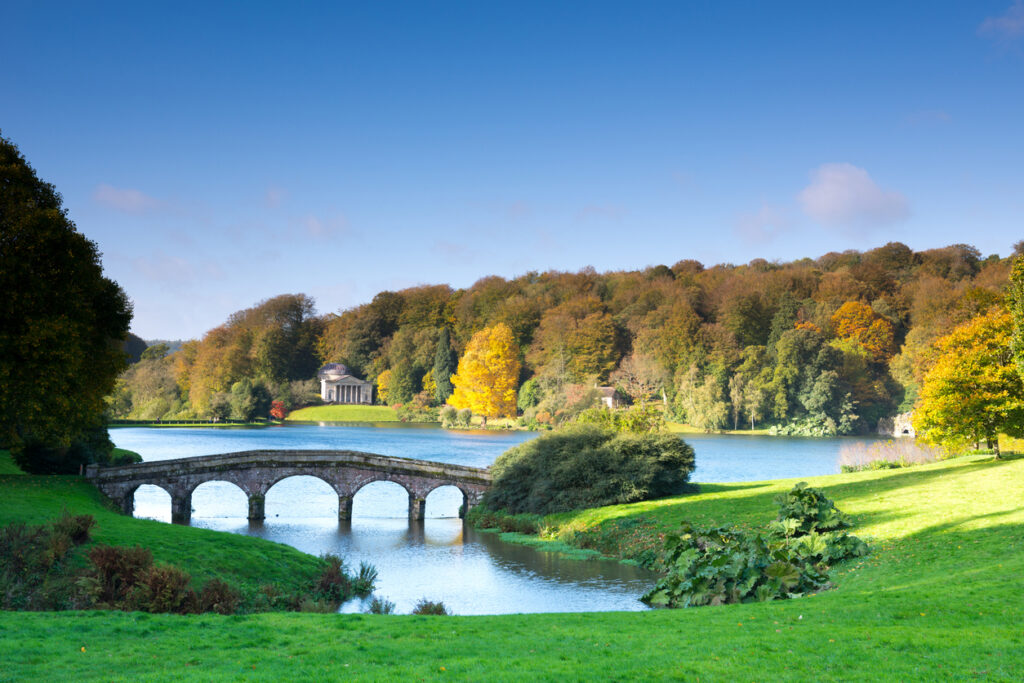
It might look like a tranquil natural valley with classical temples dotted about, but Stourhead is actually one of the UK’s most famous examples of an 18th-century landscaped garden. Every tree, path, and pond was placed with intention. The lake at the centre was man-made by damming a river, and the whole scene was designed to look like a romantic painting come to life. The “wildness” is entirely planned, and that’s exactly what makes it so impressive.
5. Rivington Terraced Gardens, Lancashire
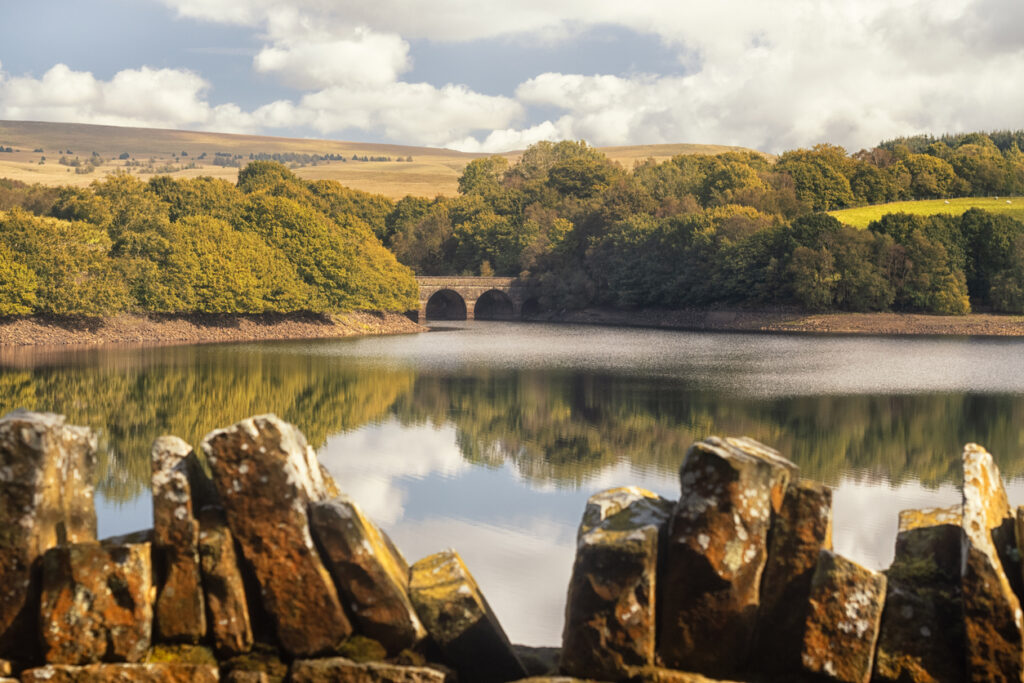
This spot feels like a wild woodland retreat, but it’s actually the ruins of an Edwardian garden built into the hillside by a soap magnate. Over time, nature took over, giving it that dreamy “lost in time” look. Terraces, stone staircases, and a Japanese-style lake are all hidden among the trees, making the area feel like a naturally formed wonder until you realise it was all part of an early 20th-century passion project.
6. The Norfolk Broads
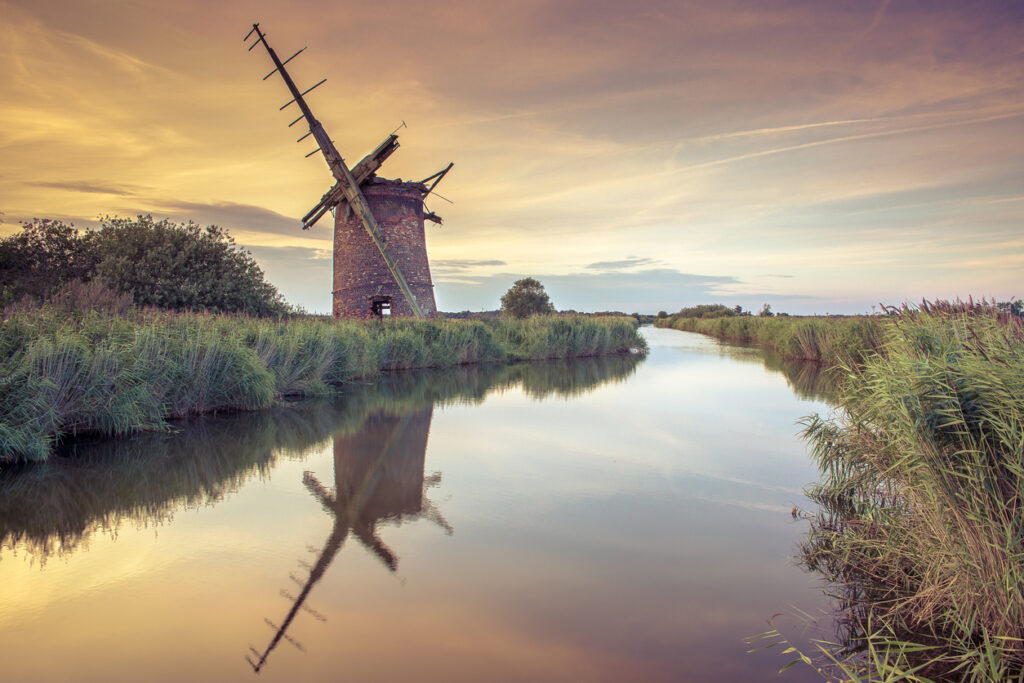
This famous network of rivers and lakes is often mistaken for a naturally occurring wetland. However, the Broads were actually created by medieval peat-digging, later flooded when sea levels rose and groundwater took over the pits. Today, it’s a haven for wildlife and holidaymakers alike, but the original shapes of these waterways were made by people digging out turf hundreds of years ago—without ever intending to leave behind a tourist destination.
7. Dovestone Reservoir, Peak District
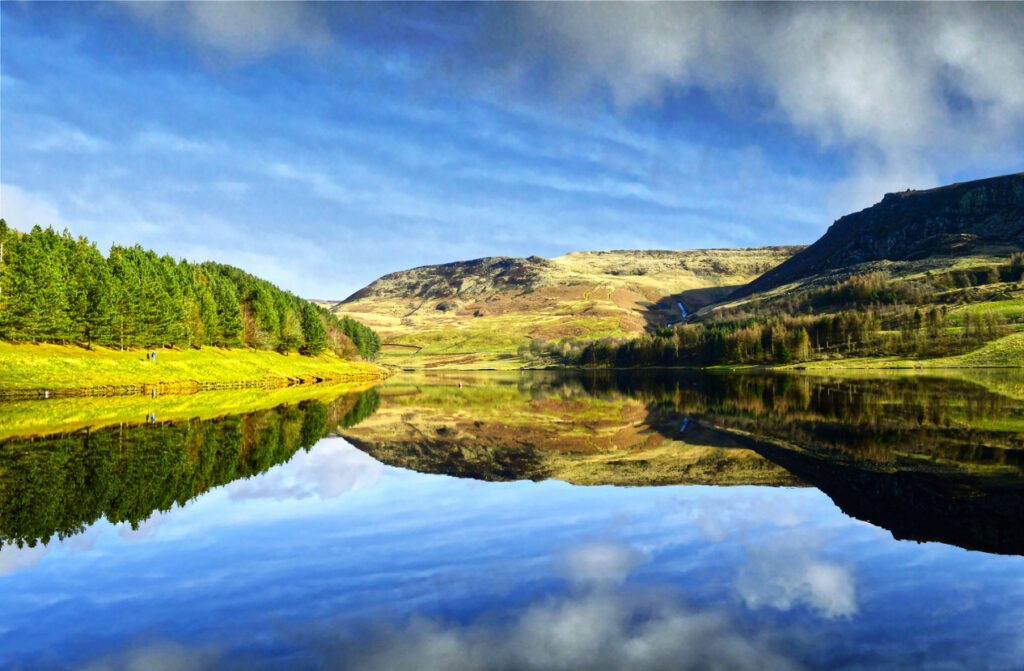
Set among the rolling hills, Dovestone looks like a natural lake hugged by ancient moorland. In reality, it’s a 20th-century reservoir built to serve nearby towns like Oldham and Manchester. The beauty of the spot is real—but the water, dam walls, and even parts of the surrounding path system are all man-made. Still, the area has become so settled into the landscape that most people assume it’s always been there.
8. Fairy Pools, Isle of Skye
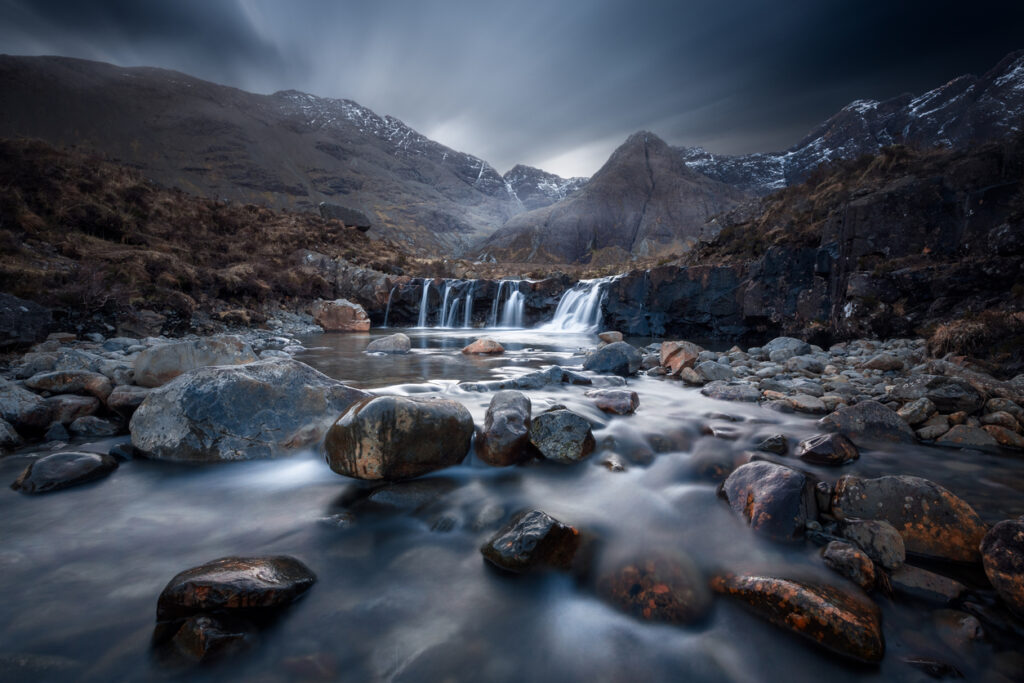
The water flowing through the Fairy Pools is completely natural, but the famous paths leading up to them, and the way the pools now cascade neatly, are thanks to years of human foot traffic and small-scale modifications. To cope with tourist numbers, conservation efforts have subtly altered the area with bridges and managed trails. While the magic of the place remains, its appearance has been gently curated over time to stay accessible and sustainable.
9. Painshill Park, Surrey
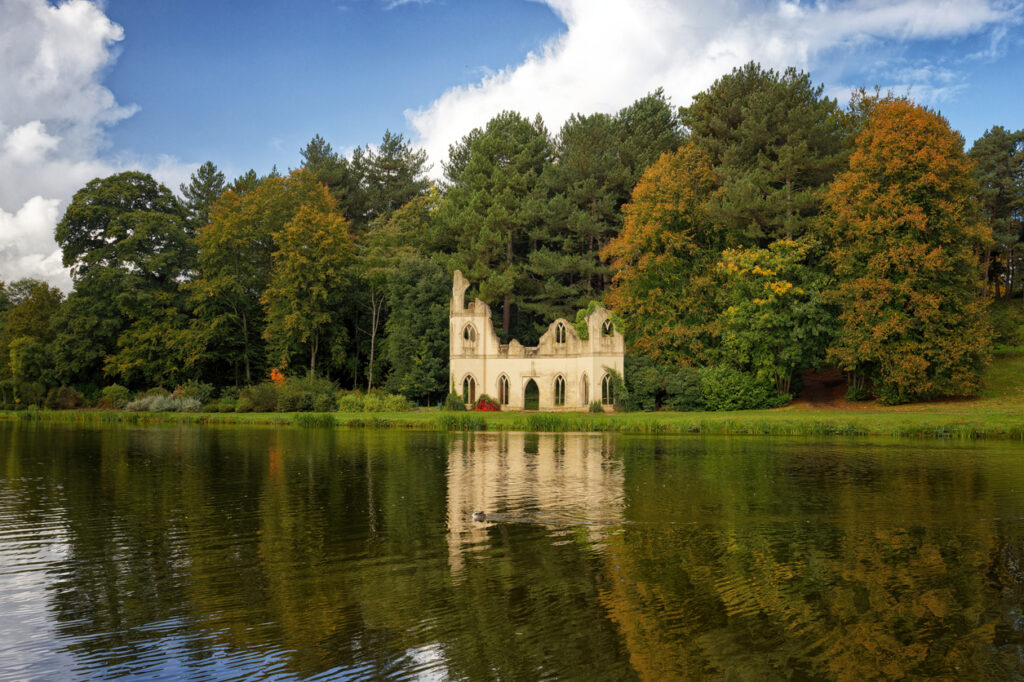
Looking like a naturally diverse woodland with unexpected views, Painshill is actually an 18th-century landscape garden, deliberately designed to create dramatic scenery at every turn. Even the “ruins” are fake. The gothic tower, crystal grotto, and winding lake were all part of a vision to create a walk-through storybook of beauty and surprise. It’s man-made through and through, but it still stirs something wild in the imagination.
10. Blue Lagoon, Abereiddy, Wales
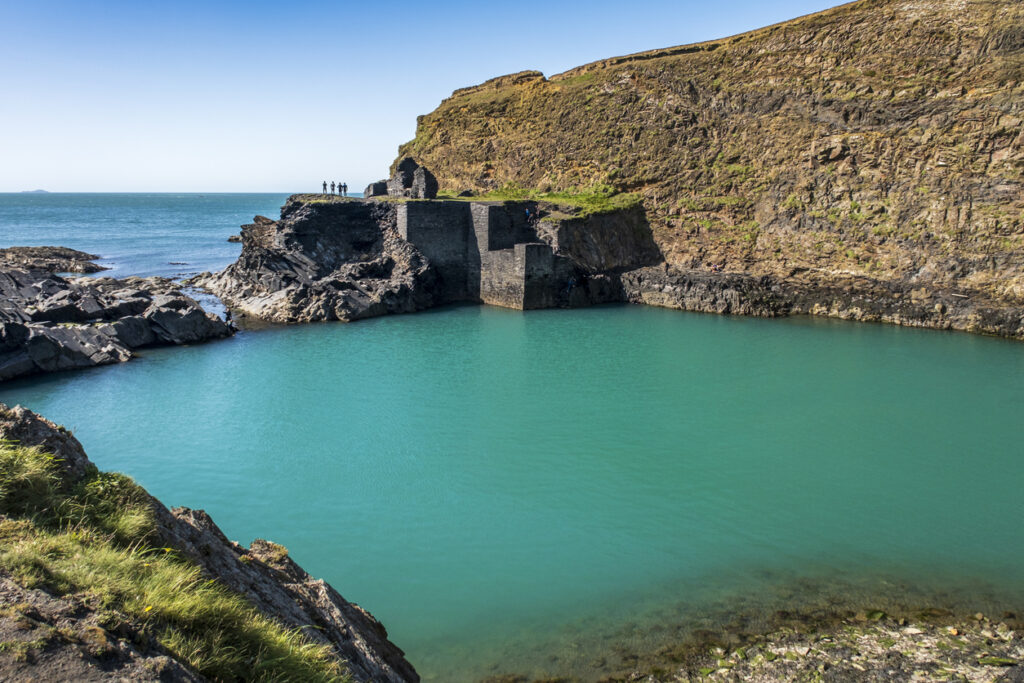
This deep, turquoise pool wedged between cliffs looks like a hidden gem of untouched nature, but it’s actually a flooded slate quarry. The walls that make it so photogenic are leftover from 19th-century industry. After the slate business dried up, the sea broke in and filled the pit. Now it’s a popular spot for wild swimmers and cliff divers, even though it was never meant to exist in the first place.
11. The Great Orme, Llandudno

While the hill itself is natural, the walking paths, tunnels, and even parts of the surrounding rock formations have been shaped by copper mining going back thousands of years. Human hands have been here for millennia. Some of the current paths and lookouts give views that feel untouched, but they follow the scars and ridges left by ancient tools and machinery. It’s nature with a long human fingerprint beneath the surface.
12. The Royal Botanic Gardens, Kew
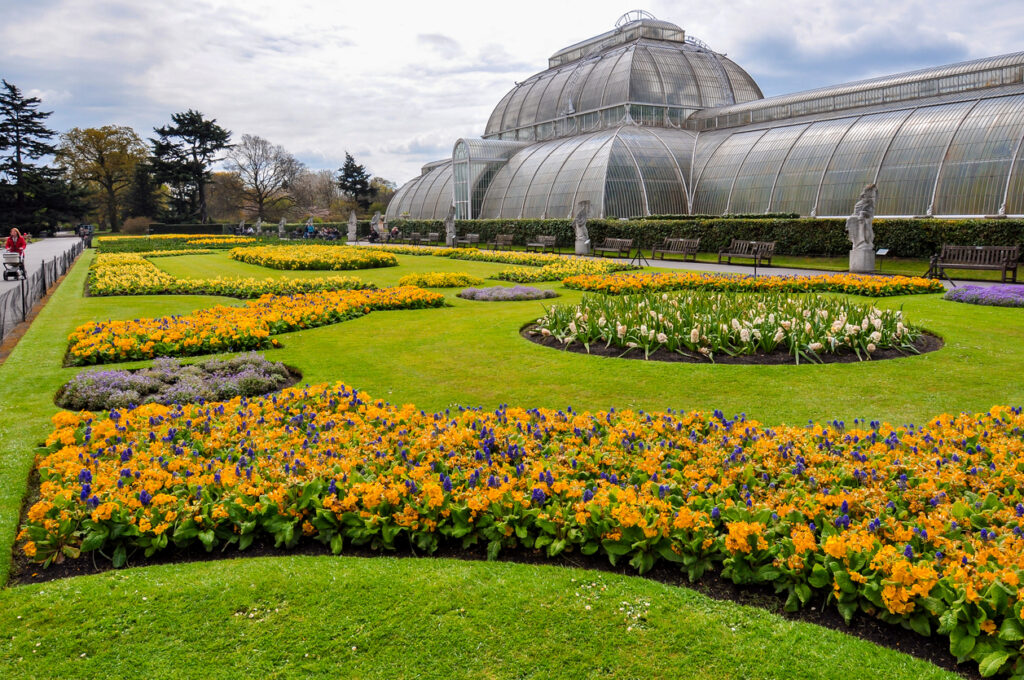
Kew Gardens often feels like a slice of natural wonder tucked into the city, but much of it is curated down to the last detail. Even the “wild” looking areas are the result of careful planning and design. The tree canopies, meadows, and glasshouse displays are all human-made ecosystems arranged to look seamless and organic. The beauty is very real; it’s just the wildness that’s an illusion.