Bringing a new puppy home is pure joy until you find them digging up your freshly planted border or chewing your prize rose bush.
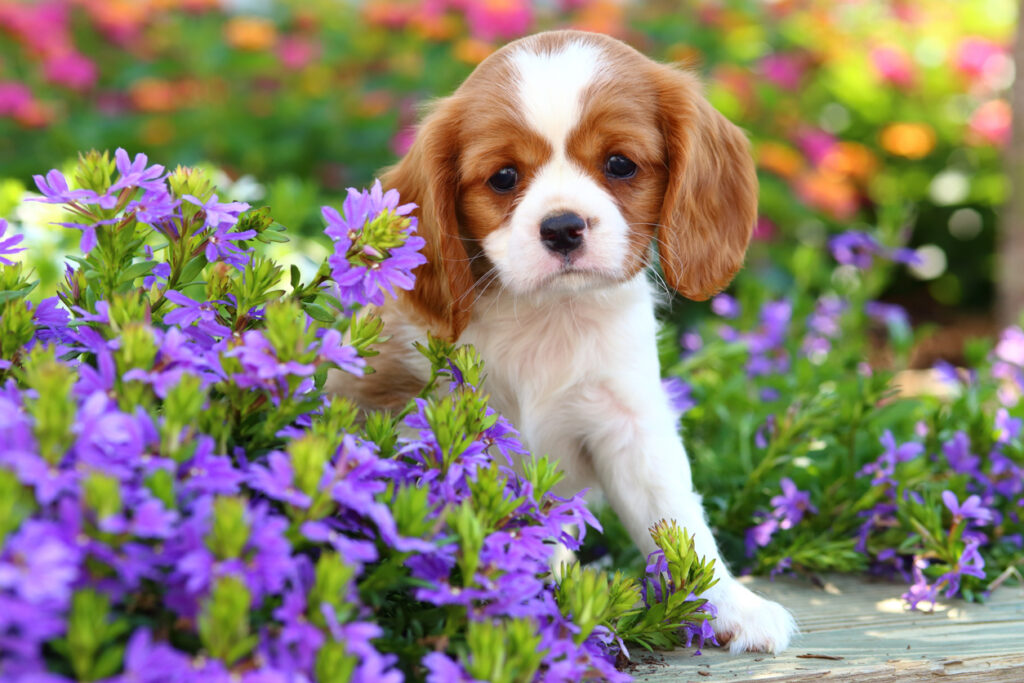
The good news is, you don’t have to choose between a healthy garden and a happy dog. With a few smart tweaks, your outdoor space can be both pet-safe and plant-friendly. Here are 12 garden fixes that protect your plants without putting your pup in the doghouse.
Create a designated digging zone.
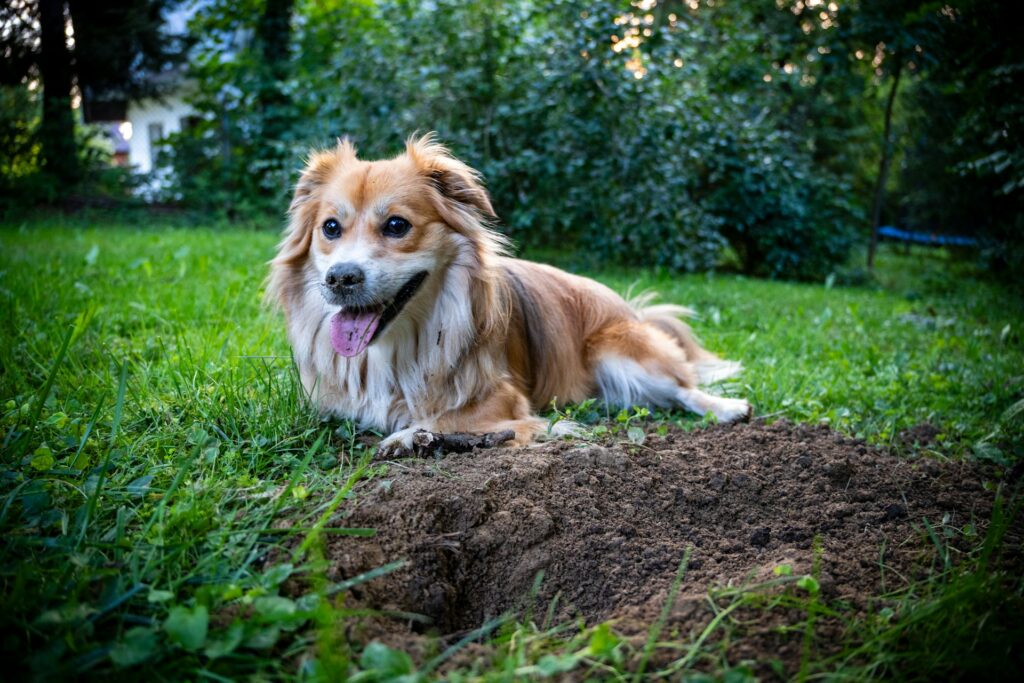
If your puppy loves to dig, don’t fight it, redirect it. Give them a spot in the garden where they’re actually allowed to go wild. Loosen the soil, bury a few treats or toys, and let them claim it as their own. This gives your beds and borders a break, while still meeting your dog’s natural instincts. It’s easier to train them where to dig than to convince them not to do it at all.
Use raised beds or planters.
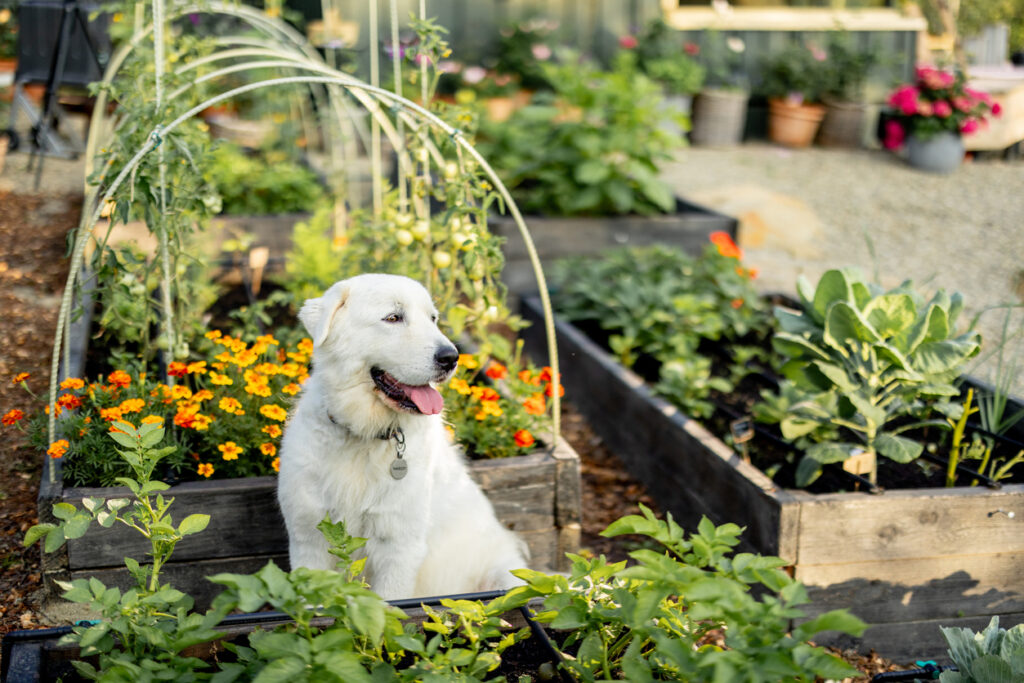
Raised beds help separate your prized plants from curious paws. The height alone makes them less tempting to trample or nibble, and it also makes weeding and watering easier for you. Planters and pots work the same way, especially if they’re heavy enough that your pup can’t knock them over during zoomies. Choose sturdy containers over light plastic ones, and go for height where possible.
Avoid toxic plants.
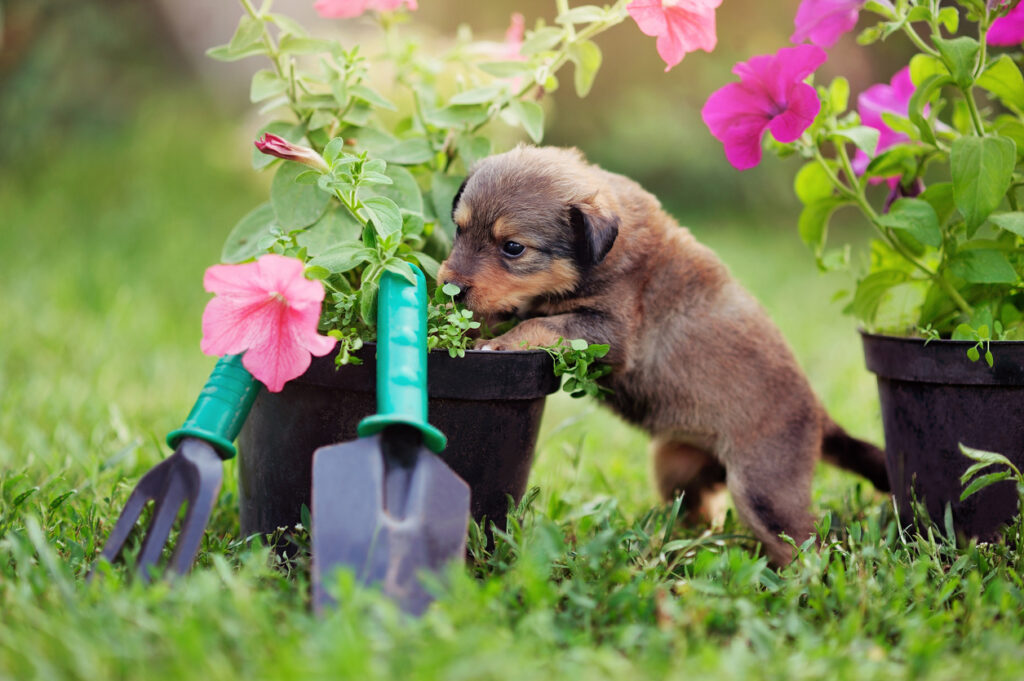
Many common garden plants are actually toxic to dogs. Things like foxglove, daffodils, tulips, and even some ferns can cause serious issues if eaten. Before planting anything new, check if it’s pet-safe. Instead, go for non-toxic options like marigolds, sunflowers, snapdragons, or herbs like thyme and basil. They’re colourful, fragrant, and won’t cause panic if your dog takes a curious nibble.
Put up simple fencing or barriers.
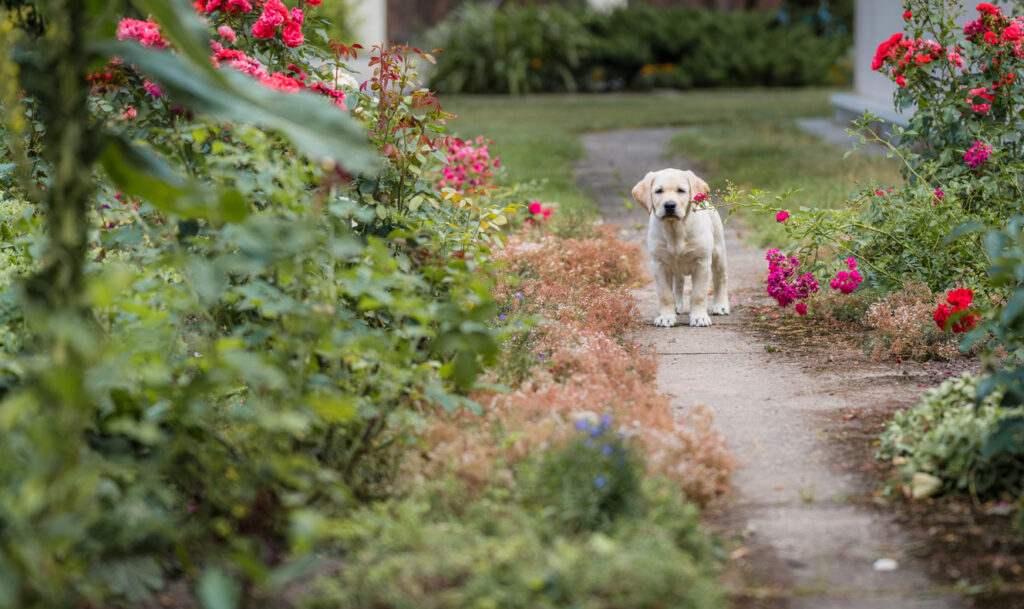
Temporary fencing or decorative barriers can work wonders in protecting specific areas. It doesn’t have to be ugly or industrial; low picket fencing, bamboo screens or even trellises can do the trick. Use these around vegetable beds, delicate shrubs, or newly planted seedlings until your pup is trained. Eventually, they’ll learn the layout, and what’s off-limits.
Mulch wisely.
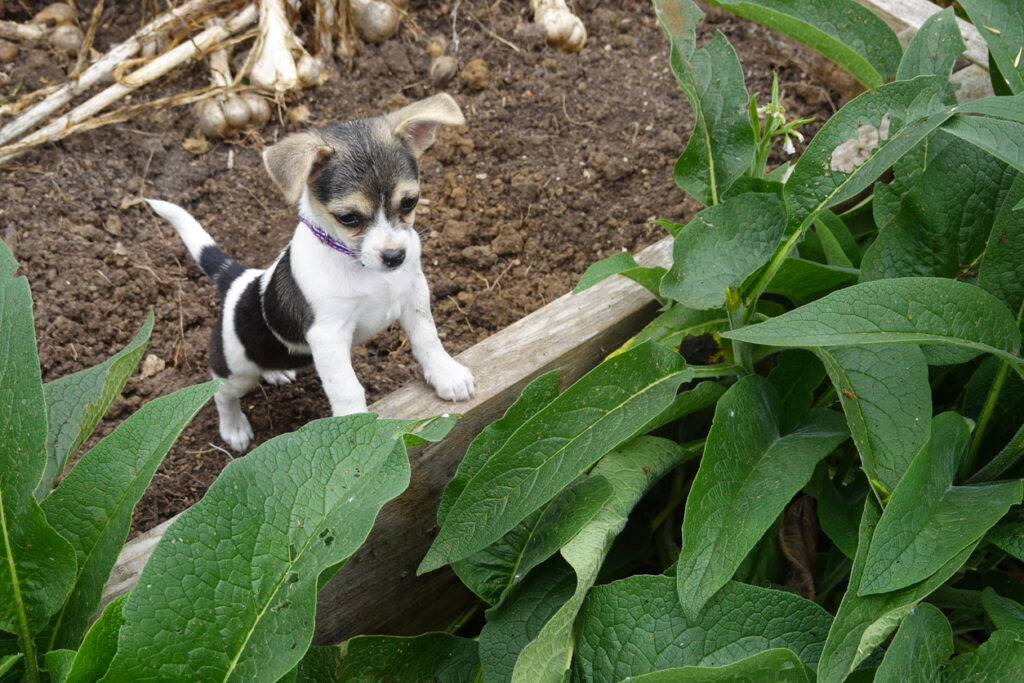
Mulch helps retain moisture and keep weeds down, but not all mulch is dog-friendly. Cocoa mulch, for example, smells great to pets but can be toxic if eaten. Stick to bark, straw, or composted wood chips instead. Some dogs love to chew mulch, so go for larger pieces that aren’t as easy to swallow. Avoid dyed or scented options, and check that your mulch hasn’t been treated with any harmful chemicals.
Use safe repellents for sensitive areas.
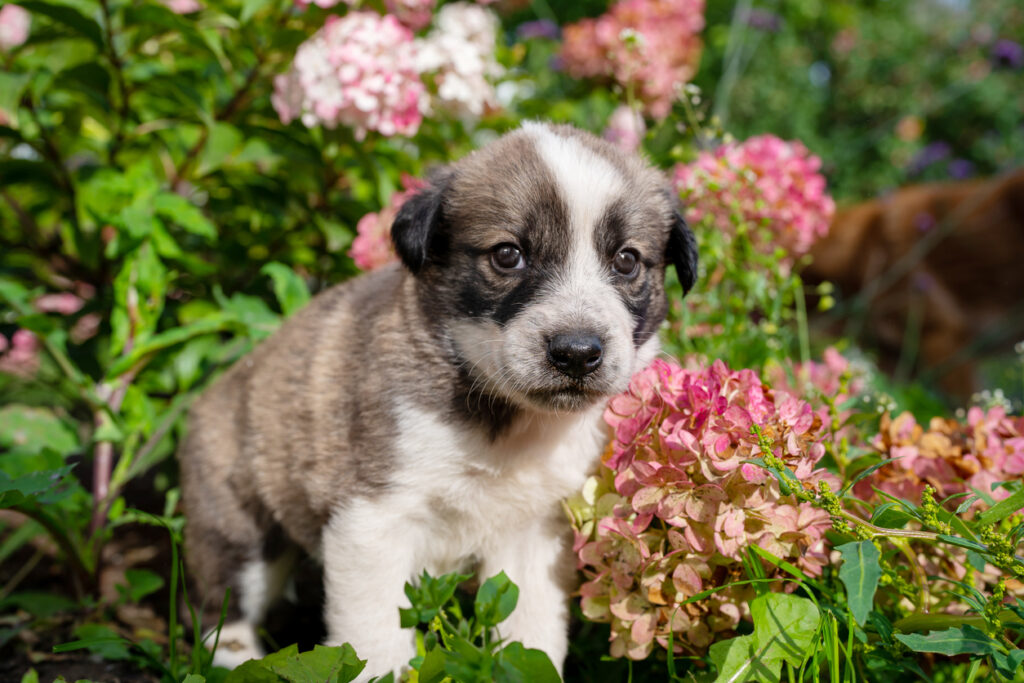
There are natural scents dogs dislike, such as citrus, vinegar, or coffee grounds. You can use these to lightly sprinkle around the base of plants you want to protect without harming your dog or the environment. There are also pet-safe sprays you can use on paths or furniture to discourage chewing or marking. Just always double-check the label to make sure they’re approved for use around animals.
Keep compost and fertiliser out of reach.
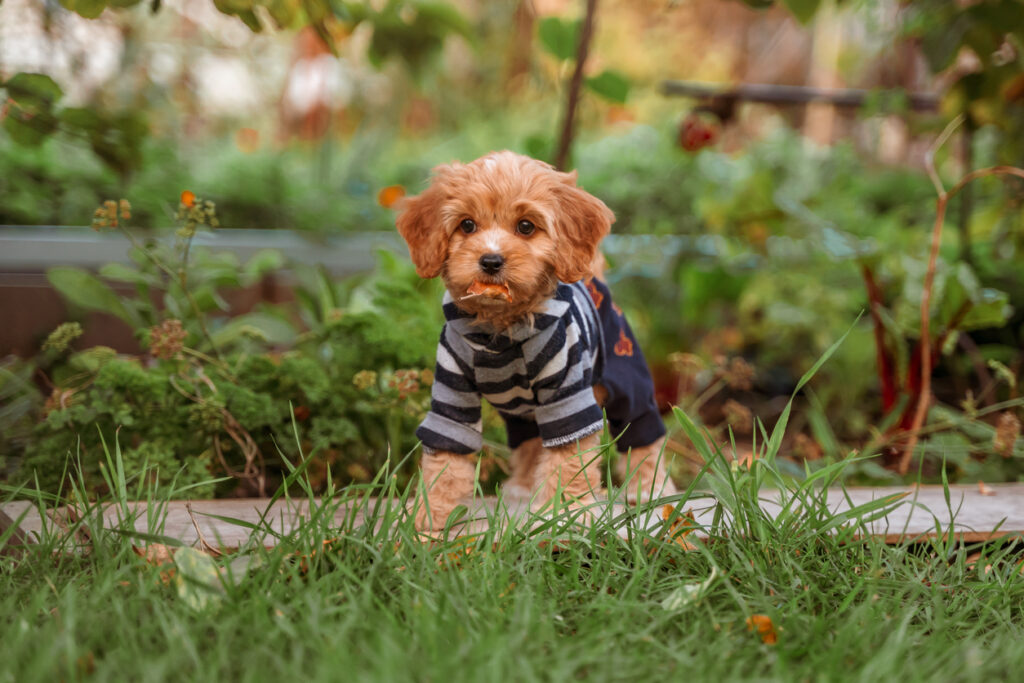
Compost heaps and fertiliser bags are like treasure troves to a curious puppy. Unfortunately, they often contain mould, bacteria, or chemicals that can make your dog very ill. Use closed compost bins instead of open piles, and store fertiliser, slug pellets, and lawn treatments high up or in sealed containers. Even “organic” doesn’t always mean pet-safe.
Create clear pathways.
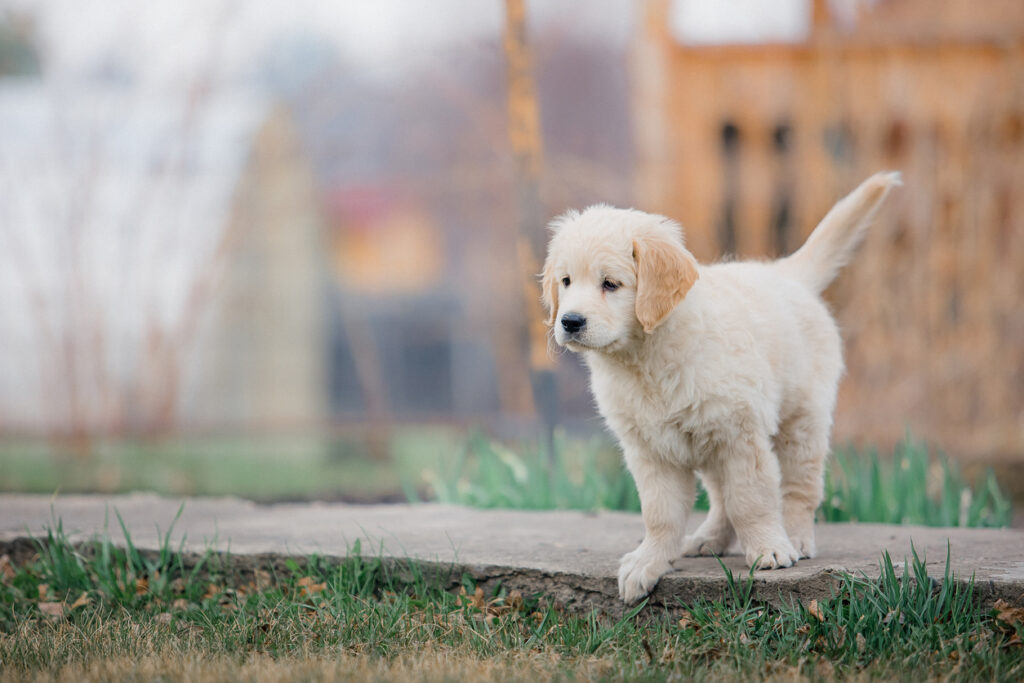
Dogs love to patrol their territory, and having defined paths helps keep their paws off your plants. Use gravel, stepping stones, or wood chips to make it clear where they can (and can’t) roam. Once a path is in place, your pup is more likely to follow it than bulldoze through your borders. Plus, it gives them a satisfying route to burn off energy while you protect your beds.
Install shady chill-out spots.
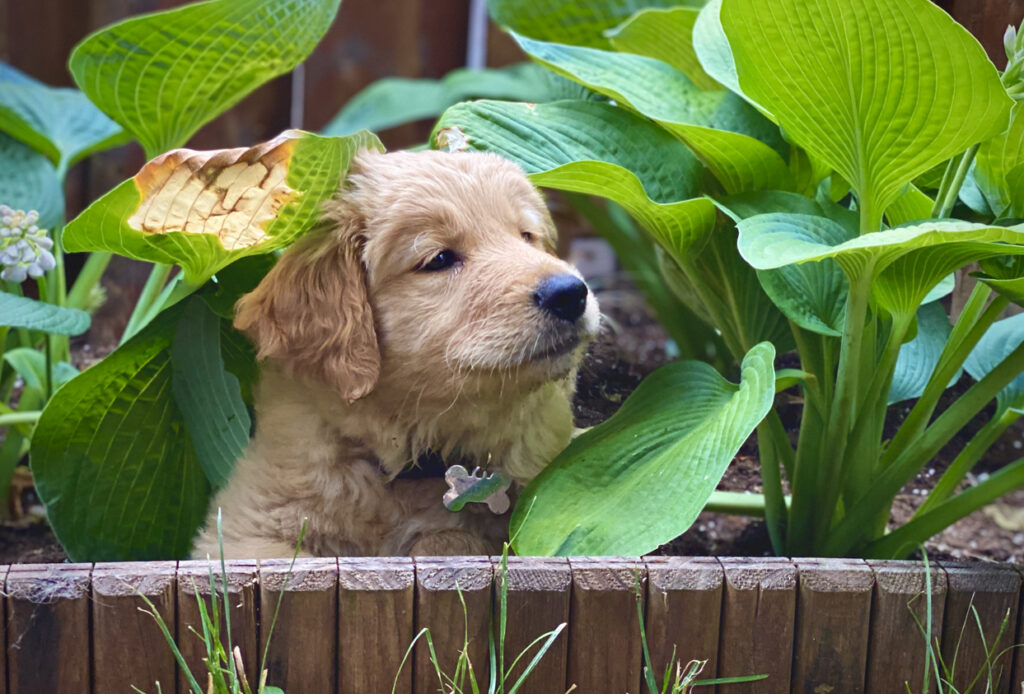
If your dog has nowhere cool to relax, they’ll find their own shady patch, usually right in the middle of your favourite flowerbed. Set up a comfy shaded area just for them using a tree canopy, umbrella, or dog-friendly pergola. Put a water bowl nearby and a soft surface for lounging, and they’ll naturally start using it. A happy, comfortable dog is less likely to go looking for mischief.
Keep hosepipes and tools safely stored.
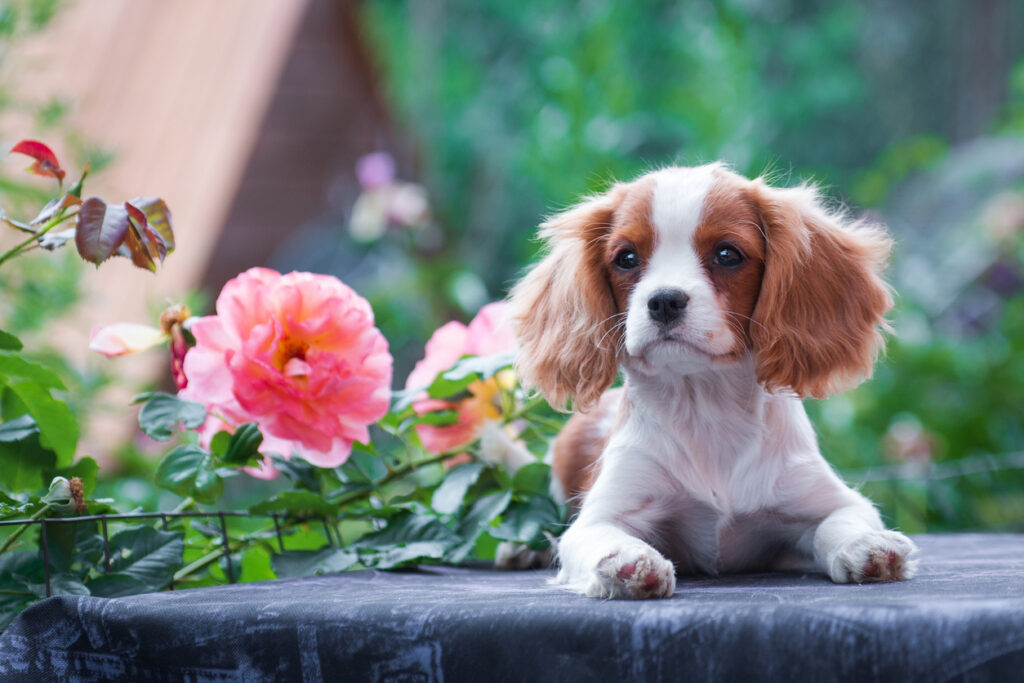
To a playful puppy, a dangling hosepipe is a chew toy, and a trowel is a treasure. Keep your tools in a shed or locked box, and hang up hoses out of reach when not in use. This keeps your gear in good condition and prevents accidents or injuries. It also stops them from developing dangerous habits, like chewing rubber or digging up where you’ve just planted.
Choose durable lawn alternatives.
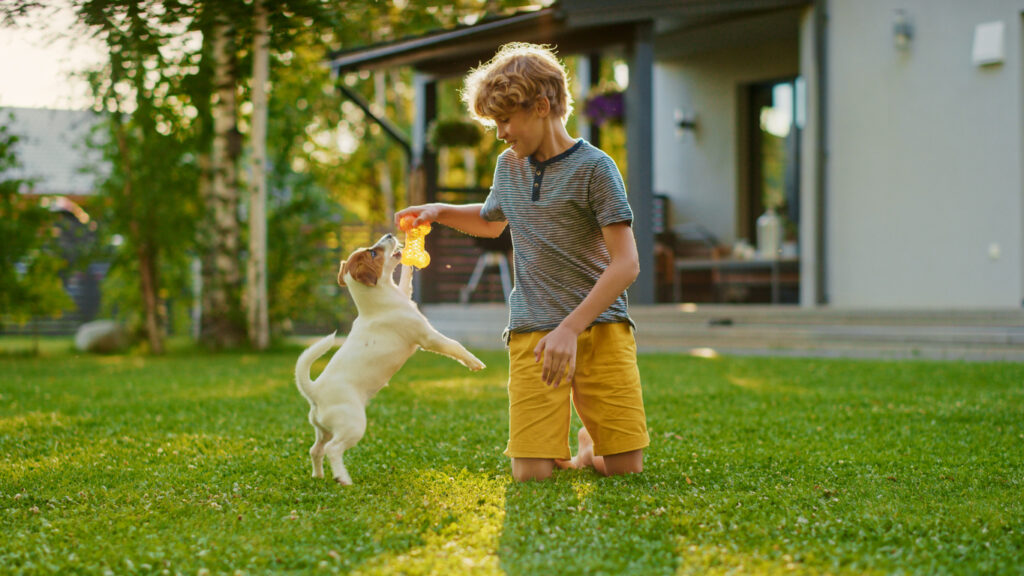
New grass can struggle under the pressure of a high-energy dog. If your lawn keeps turning into mud patches, consider switching to hardier turf, artificial grass, or even clover blends that hold up better under paws. Some people even use gravel, bark paths, or patio zones to mix things up. The more variety in your garden’s layout, the easier it is to keep both the dog and the greenery happy.
Train with treats, not punishment.
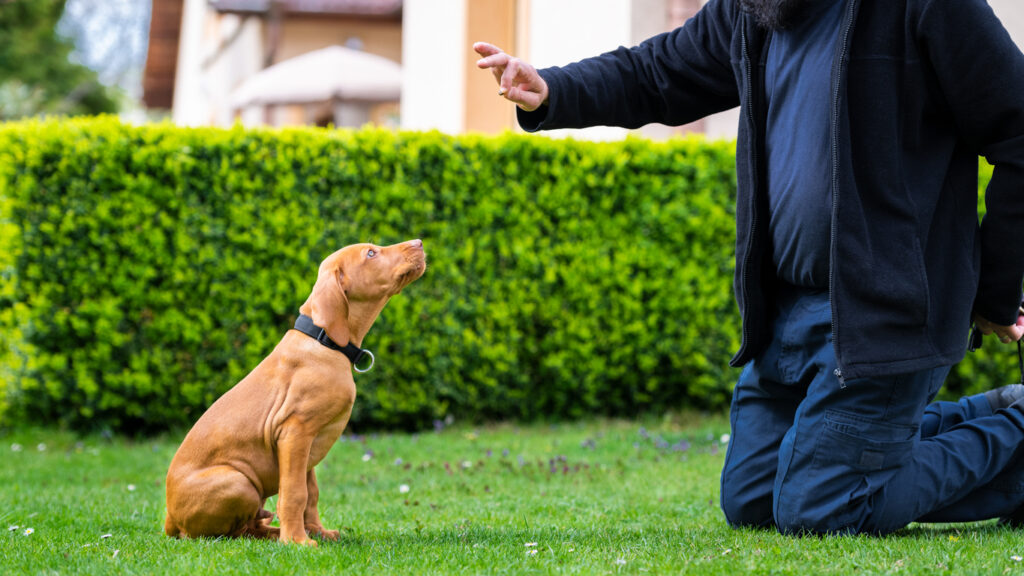
No matter how many garden fixes you make, training is the long-term solution. Use positive reinforcement to reward good behaviour, like staying on the path or ignoring the tomato plants. It’ll take patience, but consistency pays off. In time, your pup will learn that garden time isn’t just exciting—it’s also where they get praised, petted, and maybe even a biscuit or two.