When most people think of dinosaurs, they imagine towering giants.

However, not every dinosaur was a lumbering colossus. Some were small enough to fit in your hands, darting through trees or gliding between branches. Far from being insignificant, these miniature dinosaurs reveal a huge amount about evolution, especially the transition from reptiles to birds. Here are some of the tiniest species science has uncovered, each one proof that dinosaurs came in all shapes and sizes.
1. Microraptor
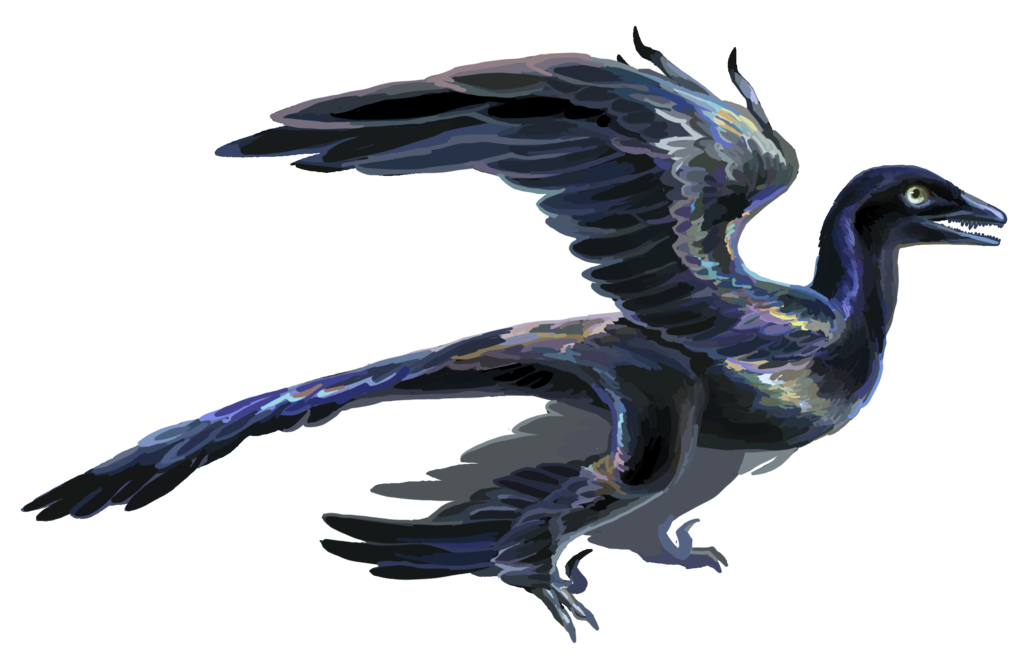
Microraptor lived around 120 million years ago in the forests of what is now China. Barely larger than a pigeon, it was one of the most unusual dinosaurs ever discovered, sporting long feathers not just on its arms but also on its legs. This gave it the appearance of having four wings, an adaptation that likely helped it glide between trees.
Fossils show Microraptor’s teeth and claws were suited for catching small prey like insects, lizards, and perhaps even fish. Its gliding ability made it one of the earliest experiments in flight, offering a glimpse into how dinosaurs gradually evolved into birds.
2. Parvicursor
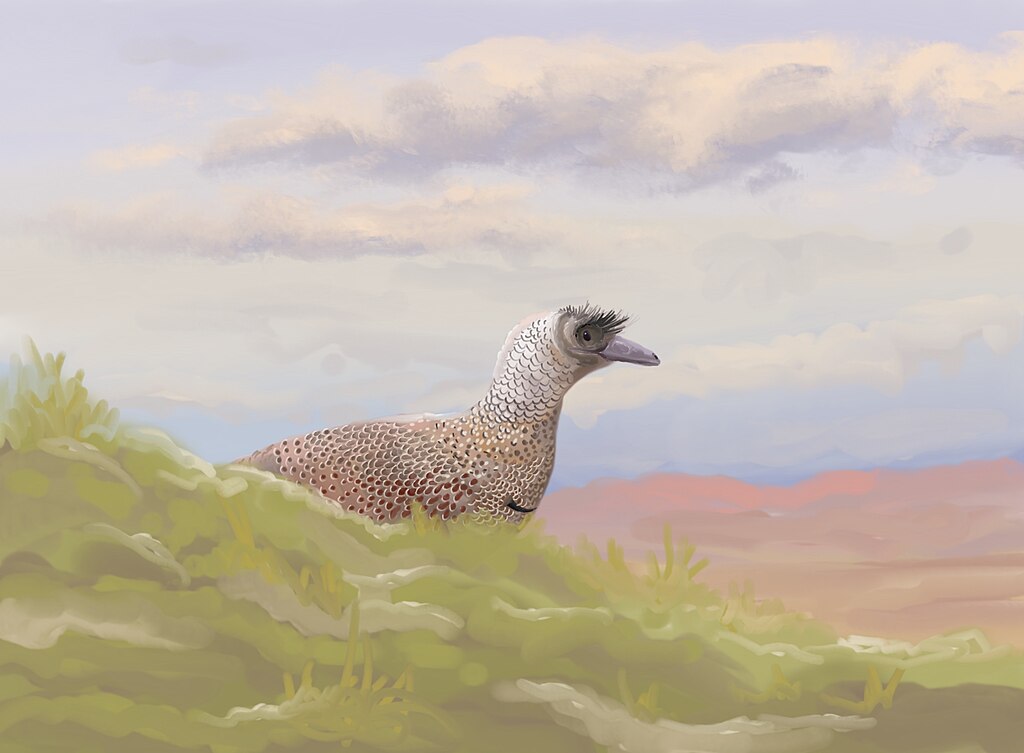
Measuring only about 30 centimetres long, Parvicursor is one of the tiniest non-avian dinosaurs known. Its name translates to “small runner,” and for good reason: it had slender legs built for speed, which would have helped it dart around the open plains of Mongolia some 70 million years ago.
It probably survived by feeding on insects and small creatures it could outpace. Being so small meant it was vulnerable to larger predators, but its lightweight frame gave it an edge in agility and escape. Parvicursor shows that miniaturisation could be just as effective a survival strategy as sheer size.
3. Epidexipteryx
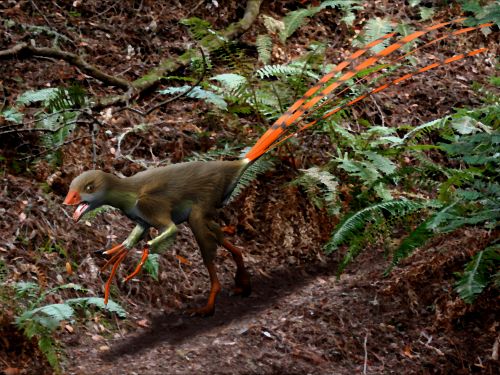
Living around 160 million years ago, Epidexipteryx was no bigger than a magpie but instantly recognisable thanks to its striking tail. Instead of functional flight feathers, it had long, ribbon-like plumes, which scientists believe were used for display, perhaps in courtship or to signal to other members of its group.
Its short arms and clawed hands suggest it was better adapted for climbing trees than for flying. That makes Epidexipteryx fascinating because it shows feathers didn’t originally evolve for flight alone. They could also be tools for communication, attracting mates, or even intimidating rivals.
4. Anchiornis
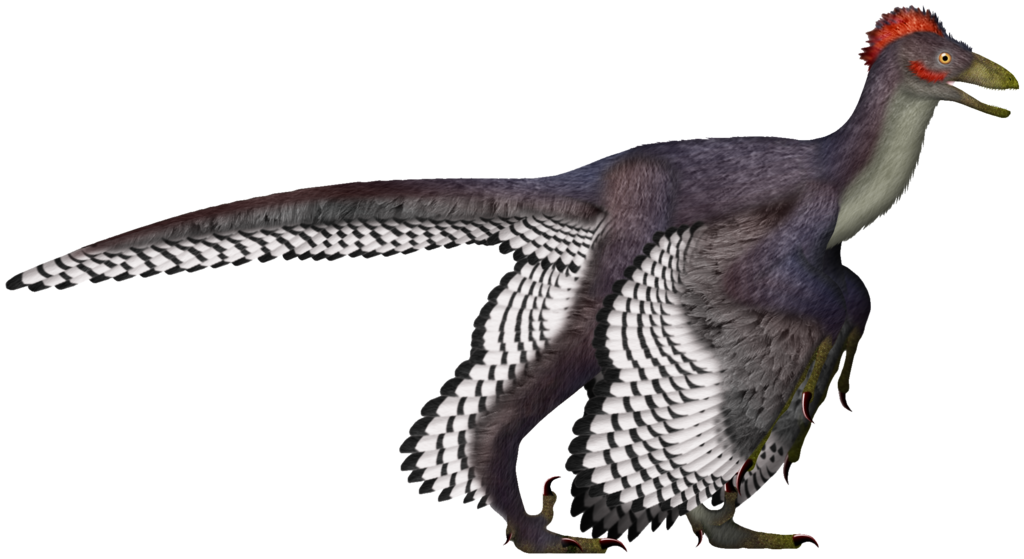
At roughly the size of a pigeon, Anchiornis was another feathered dinosaur from China that lived about 160 million years ago. What makes it so extraordinary is how well its fossils were preserved. In 2010, scientists managed to reconstruct its plumage colours, revealing a striking mix of black-and-white wings with a rusty red crest.
Anchiornis was lightly built and almost certainly lived in trees, feeding on insects. Its discovery provided some of the clearest evidence linking dinosaurs and modern birds, not just in anatomy but in appearance. It’s one of the rare times we can say with confidence what a dinosaur actually looked like in life.
5. Mahakala

Mahakala, at about 70 centimetres long, was one of the smallest dromaeosaurs, the family that includes Velociraptor. Despite its size, it had all the hallmarks of a predator: sharp teeth, keen senses, and strong claws designed for seizing prey.
Its diminutive frame suggests that early raptor relatives were much smaller and more bird-like than their famous descendants. Mahakala is crucial to understanding how dinosaurs transitioned towards flight, showing that small size wasn’t a disadvantage but rather an evolutionary stepping stone.
6. Oculudentavis

When Oculudentavis was first described, it made headlines as the smallest dinosaur ever discovered: smaller than a hummingbird and preserved in amber. But later studies questioned whether it was truly a dinosaur at all, with some arguing it was actually a lizard.
The debate continues, but either way, the fossil shows how tiny prehistoric creatures could be. If it was a dinosaur, it would claim the title of the smallest ever. If not, it still highlights just how diverse and surprising ancient life could be, even in the so-called “age of giants.”
7. Epidendrosaurus

Epidendrosaurus was about the size of a sparrow, and its anatomy shows it was adapted for climbing. It had unusually long fingers tipped with curved claws, perfect for gripping branches in the dense forests of the Jurassic.
Its small size and climbing adaptations make it one of the earliest known perching dinosaurs. It likely lived much like modern tree-dwelling birds, flitting through foliage in search of insects. Epidendrosaurus shows just how specialised some tiny dinosaurs could be, long before true birds evolved.
8. Hesperonychus

Discovered in Alberta, Hesperonychus was about the size of a chicken. Like its larger Velociraptor cousins, it belonged to the dromaeosaur family and had the classic sickle-shaped claw on its hind foot.
Rather than taking down large prey, Hesperonychus hunted smaller animals, such as insects, reptiles, and perhaps tiny mammals. Its existence proves that raptors came in a wide range of sizes, with some adapting to specialised roles in their ecosystems instead of relying on brute force.
9. Scansoriopteryx

Scansoriopteryx, meaning “climbing wing,” was no bigger than a starling. It lived in trees, using its elongated fingers to grasp branches as it hunted insects. Fossils also show that it was feathered, with plumage on its arms and tail.
Its size and adaptations suggest it may have been experimenting with gliding, much like other small feathered dinosaurs of its time. Scansoriopteryx adds yet another piece to the puzzle of how flight gradually evolved, one tiny step at a time.
10. Archaeopteryx
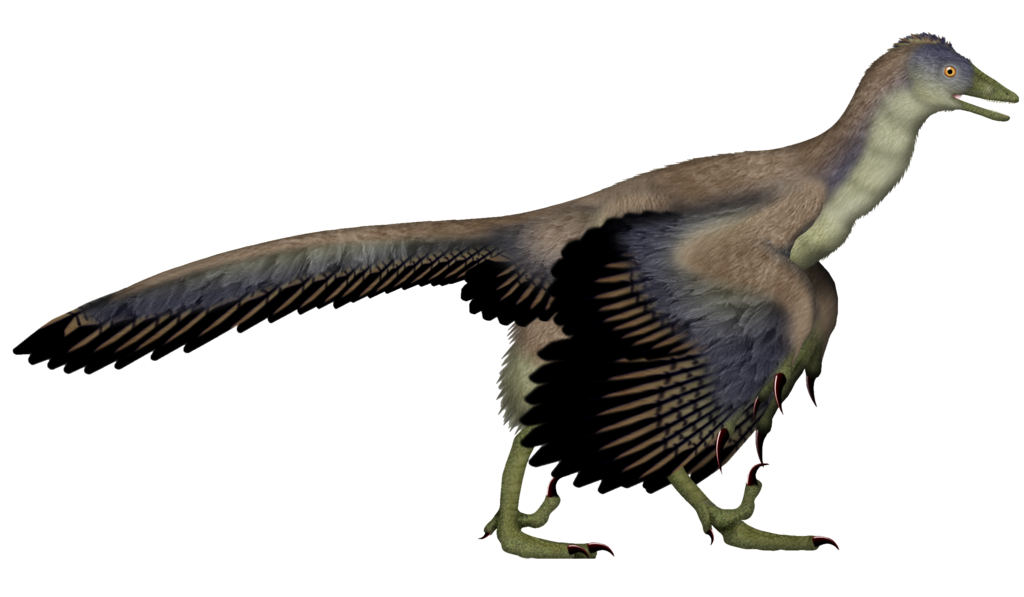
Archaeopteryx, discovered in Germany in the 19th century, is one of the most famous fossils in history. About the size of a crow, it combined dinosaur traits like teeth and claws with feathered wings capable of limited flight.
Its discovery was groundbreaking, proving a direct evolutionary link between dinosaurs and birds. While larger than some of the species on this list, Archaeopteryx was still small by dinosaur standards, perfectly suited to life in the trees and skies of the Jurassic.
11. Yi qi

Yi qi, whose name means “strange wing,” lived around 160 million years ago and was about the size of a pigeon. What set it apart was its bizarre wing structure: a long rod-like bone extended from each wrist, supporting membranes of skin like a bat’s wing.
This strange anatomy probably allowed it to glide short distances, though it wasn’t a strong flyer compared to modern birds. Yi qi shows how evolution experimented with multiple designs for flight before the successful model of feathered wings took over.
12. Changyuraptor
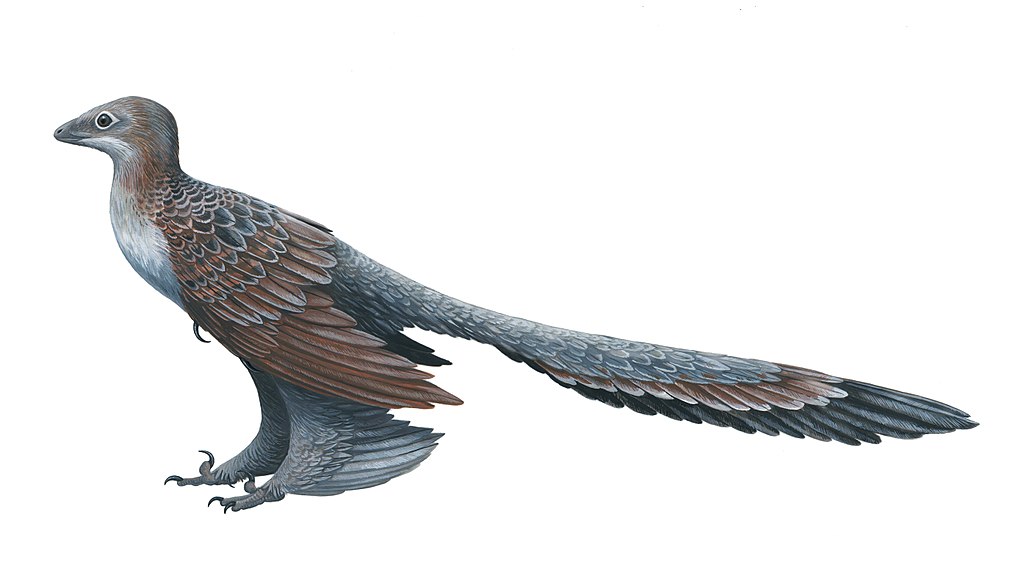
At around 1.3 metres long, Changyuraptor was larger than most of the dinosaurs on this list, but still light and agile enough to live among the trees. Its long tail feathers acted as stabilisers, helping it control its glides as it leapt between branches.
Closely related to Microraptor, it shows that multiple small dinosaur species were exploring different ways of taking to the air. Changyuraptor is part of the bigger story of how gliding eventually gave way to true powered flight.
13. Sinornithosaurus
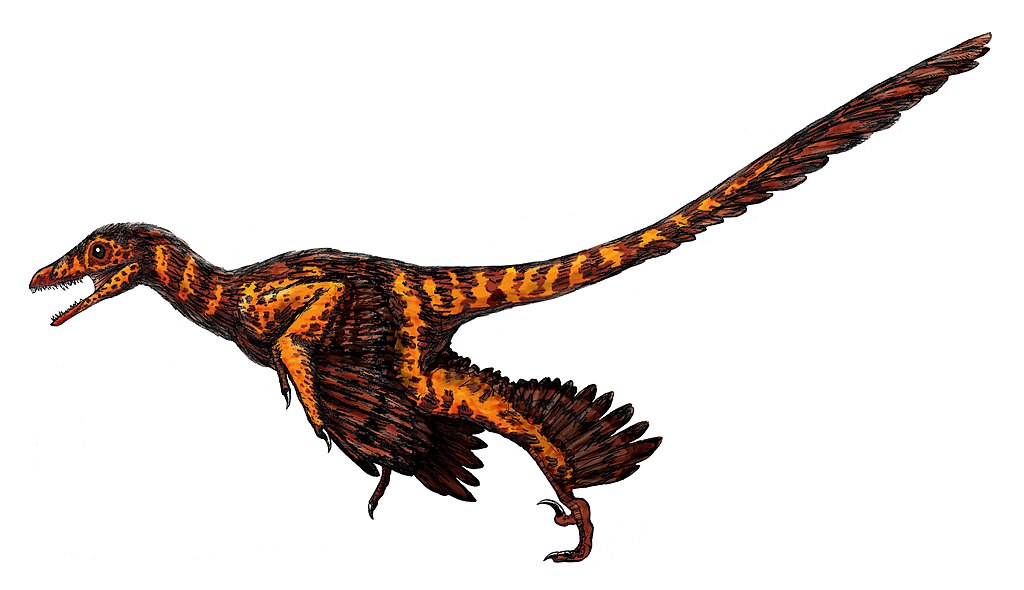
Sinornithosaurus was roughly the size of a house cat, making it small compared to most dinosaurs but large compared to other species on this list. It was feathered, agile, and equipped with sharp teeth. Some scientists have even suggested it may have been mildly venomous, though this idea is still debated.
Despite its size, it was a capable predator. Its mix of dinosaur and bird-like traits highlights just how gradual the transition between the two groups really was. Sinornithosaurus reminds us that “small” didn’t mean harmless in the prehistoric world.