Wildlife is precious and fragile, with many species on the brink of disappearing for good if we’re not careful.

However, there are success stories to be had. Across the UK, a ghostly figure is returning to skies and fields. Barn owls, with their pale feathers and silent wings, are slowly making a comeback after years of decline. Here’s how these hunters are reclaiming their place.
Why did barn owl populations decline so sharply?

Barn owls suffered huge losses in the second half of the 20th century. The change to intensive farming meant rough grassland and wild meadows disappeared, taking with them the voles and field mice that form the owls’ main diet. Old barns and hollow trees, once perfect nesting places, were converted, demolished, or left unsuitable.
On top of that, the widespread use of pesticides in farming reduced insect and small mammal numbers even further. With less food and fewer safe breeding sites, barn owl populations collapsed. By the 1980s, in many counties, the bird that once seemed a common feature of the landscape had almost vanished.
Their ghostly beauty made them unforgettable.

Barn owls have an otherworldly presence. Their heart-shaped white faces, golden backs, and pale underparts glow in low light, making them look like drifting spirits across farmland. Walkers often describe their first sighting as a moment that stays with them for life.
This haunting quality has fed centuries of folklore. For some, their eerie screeches were a bad omen; for others, they symbolised mystery and magic. Today, their ghostly reputation makes every encounter feel special. The fact that sightings are becoming more frequent again shows just how much has changed in recent years.
Silent flight gives them an edge when it comes to hunting.
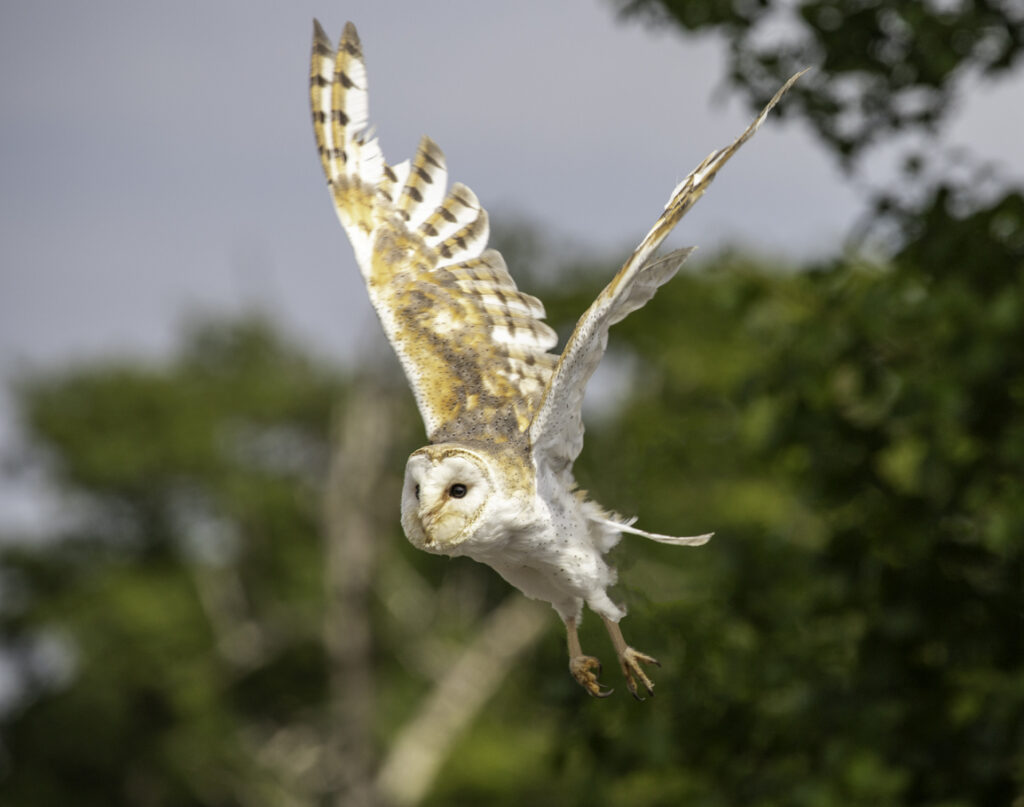
The barn owl’s feathers are specially adapted to silence. The edges of their wings are soft and fringed, breaking up airflow so they can swoop down unheard. This means they can glide over fields and strike before prey has any chance of escape.
It’s this ability that earned them the title of “ghost hunters” in folklore, but it’s also why their return matters ecologically. As vole and mouse populations recover in restored grasslands, barn owls are once again able to put their extraordinary skills to use.
Habit restoration is fuelling their comeback.
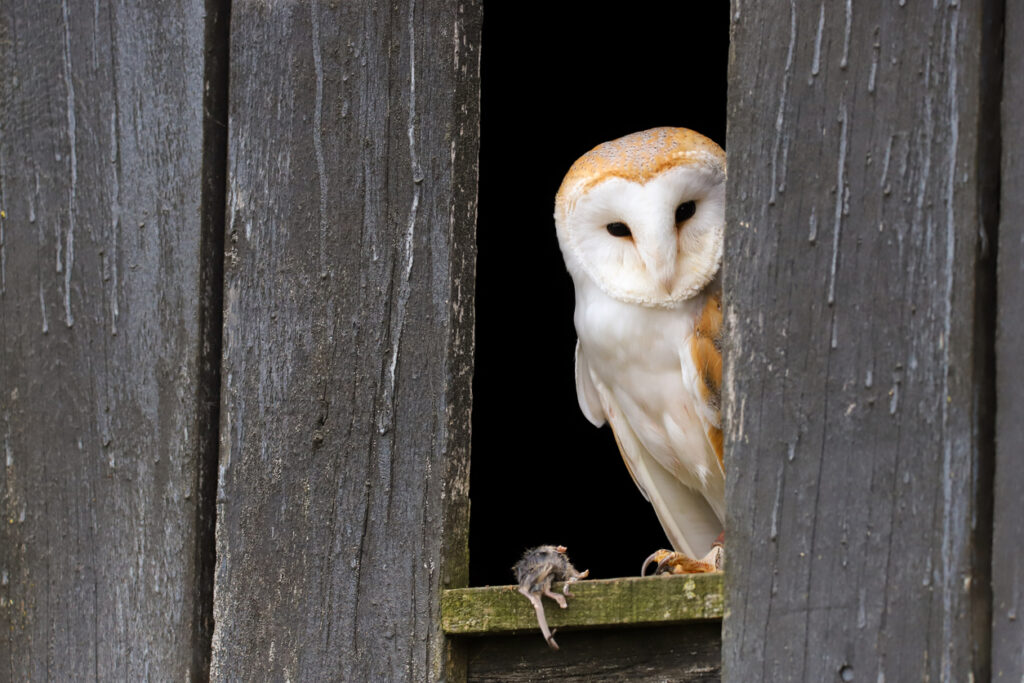
Conservationists across Britain have worked hard to restore the kind of countryside barn owls need. Wildlife-friendly farming initiatives have encouraged the growth of rough grass margins, wildflower meadows, and uncultivated field edges. These habitats are rich in small mammals, creating reliable food supplies for hunting owls.
Reducing the use of harsh pesticides has also helped. By allowing ecosystems to recover naturally, the food web has strengthened from the ground up. Barn owls are benefitting not just from restored hunting grounds, but from entire landscapes managed with wildlife in mind.
Nest boxes are replacing lost barns.

One of the simplest but most effective conservation tools has been the installation of nest boxes. Since many old barns have been converted into homes or fallen into disrepair, natural nesting sites are increasingly rare. Purpose-built boxes fixed in trees, farm buildings, or even on tall poles have provided the next best thing.
Thousands have been installed across the UK, and barn owls have adapted to them with surprising success. Breeding rates have improved, and in some areas once thought empty of barn owls, the boxes have helped re-establish local populations.
Climate change pressures are a concern.

Milder winters, one of the consequences of climate change, have paradoxically given barn owls a small survival boost. In the past, harsh winters could wipe out entire local populations by making hunting impossible. With fewer prolonged freezes, more owls survive the leanest months.
That said, climate change is far from an overall benefit. Increased flooding, changing ecosystems, and unpredictable weather patterns can still disrupt prey numbers and nesting sites. For now, the reduction in winter die-offs has played a role in stabilising populations, but conservationists remain cautious about long-term impacts.
Roads continue to pose a serious danger.

One of the greatest threats barn owls still face is traffic. They often hunt along roadside verges, where voles thrive in long grasses. Unfortunately, their low flight paths and slow reaction times put them directly in the path of speeding vehicles.
Conservationists are pressing for better roadside management, encouraging longer grass to be grown further from the tarmac to lure small mammals, and therefore owls, away from immediate danger. While collisions remain a tragic problem, small changes in land use could make a huge difference.
Survey data shows recovery is happening.

National and regional surveys have begun to confirm what many birdwatchers already suspected: barn owl numbers are creeping up. Areas that once saw no sightings for years are now recording regular appearances. Local breeding projects and conservation charities report increasing success rates for nesting pairs.
The recovery is not complete, and populations remain fragile, but compared with the situation in the late 20th century, it is a striking turnaround. Slowly but surely, barn owls are finding their way back into the countryside they once dominated.
Barn owls are a symbol of farmland health.
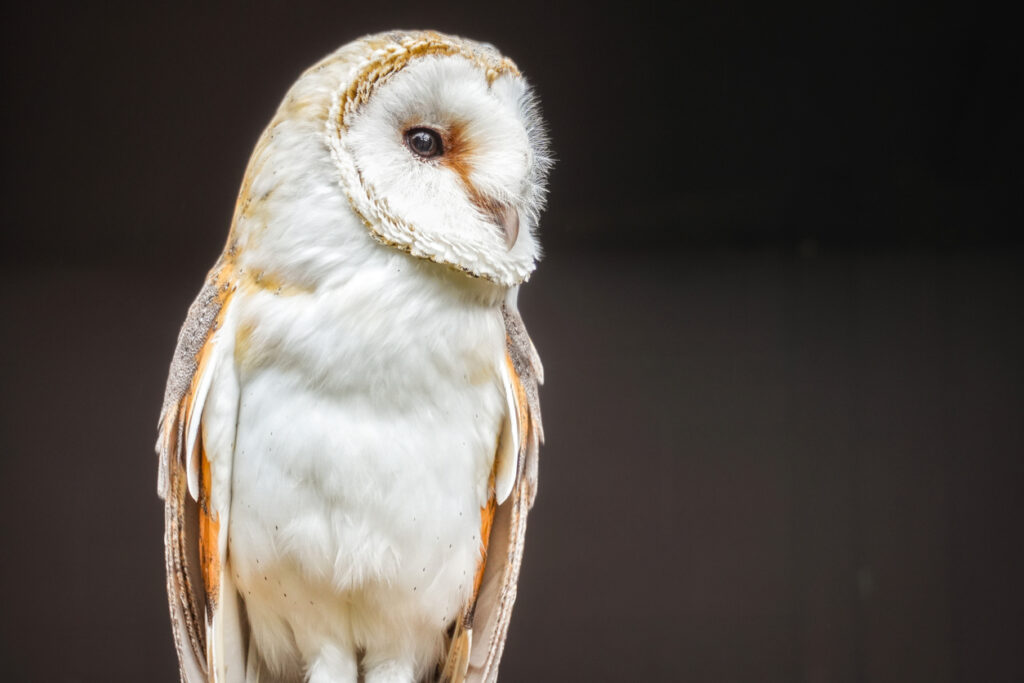
The presence of barn owls isn’t just good news for bird lovers. It signals broader ecological improvements. When barn owls thrive, it usually means prey numbers are stable, grasslands are healthy, and land is being managed in ways that support biodiversity.
They are, in many ways, an indicator species. Their comeback points to healthier ecosystems beneath them. It suggests that farming practices, conservation strategies, and land management efforts are beginning to pay off.
Encountering them at dusk is a magical experience.

One of the most magical ways to experience barn owls is to watch them at dusk. Just as light fades, their pale wings appear low over fields, moving silently as they search for prey. For many countryside visitors, these moments feel almost unreal, as though time has briefly slowed.
These encounters are also practical signs that populations are stabilising. Barn owls seen regularly in the same area suggest they’re establishing territories and finding enough food to support themselves. Each dusk sighting becomes both a personal memory and part of a larger recovery story.
Juvenile owls are proof of progress.
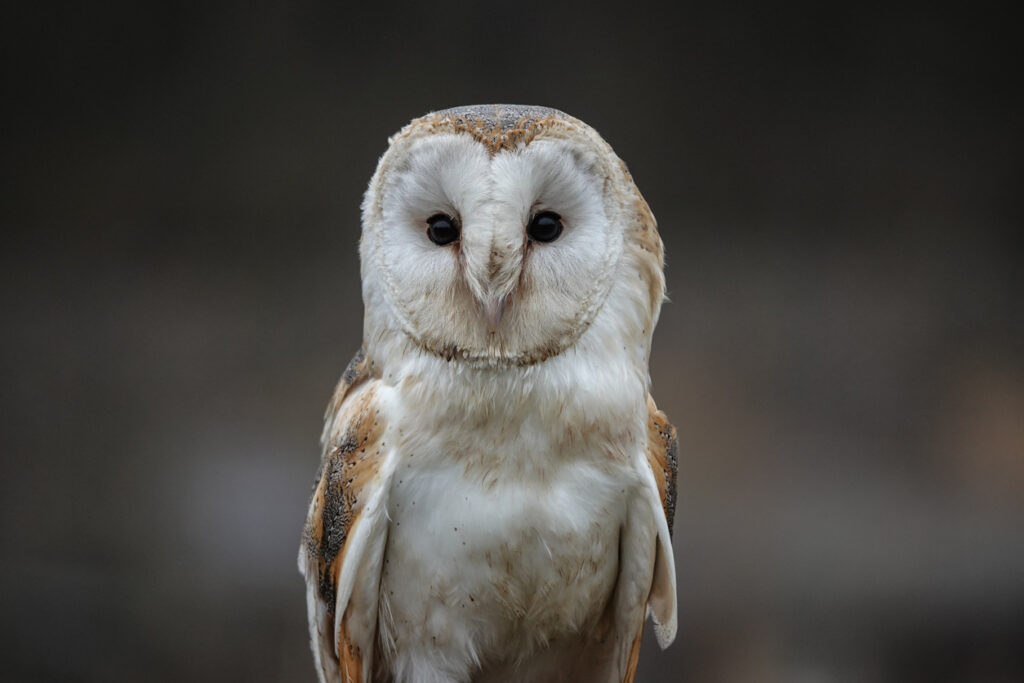
The clearest measure of success is seeing young owls take flight in late summer and autumn. Juvenile barn owls face steep odds, with high mortality in their first year, but increasing numbers are surviving thanks to improved habitats and conservation support.
Every year that more juveniles make it to adulthood, local populations become stronger. This gradual building of resilience is what gives conservationists hope that the recovery isn’t just a blip, but the beginning of a long-term change.
Folklore ties deepen their meaning.
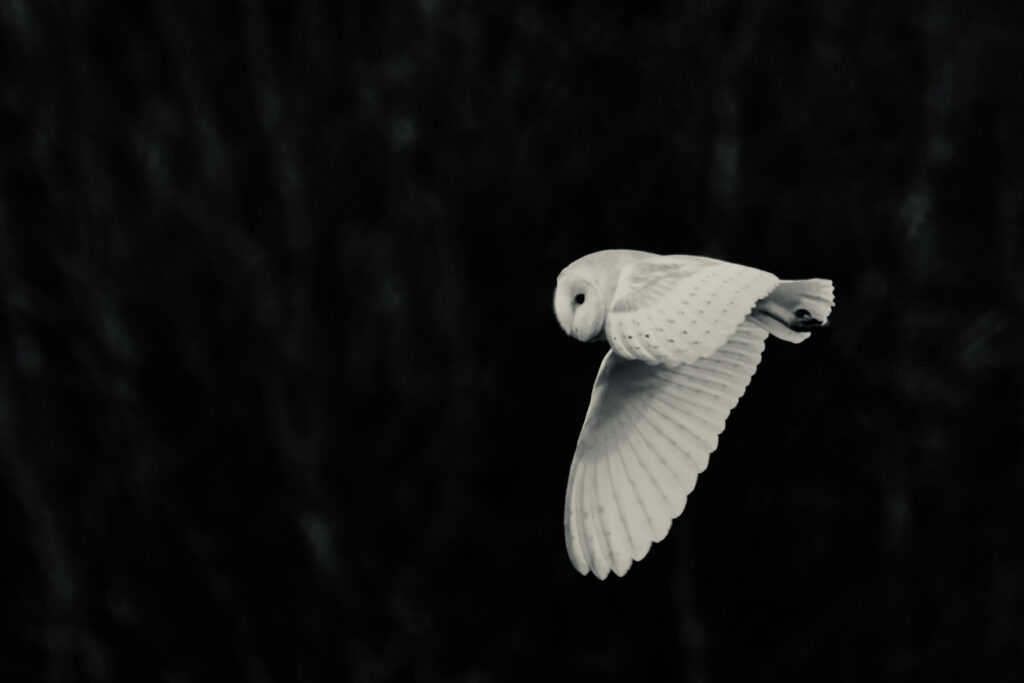
For centuries, barn owls have been wrapped in myths. Some rural communities once feared their screeches, believing them to be omens of death. Others thought of them as protectors of fields and barns. Today, those ghostly associations feel more like poetry than superstition.
Their comeback doesn’t just restore a species, but it also reconnects us with cultural history. To see a barn owl glide across a meadow at night is to glimpse the same sight that shaped stories for generations before us.
There’s cautious hope for the future.
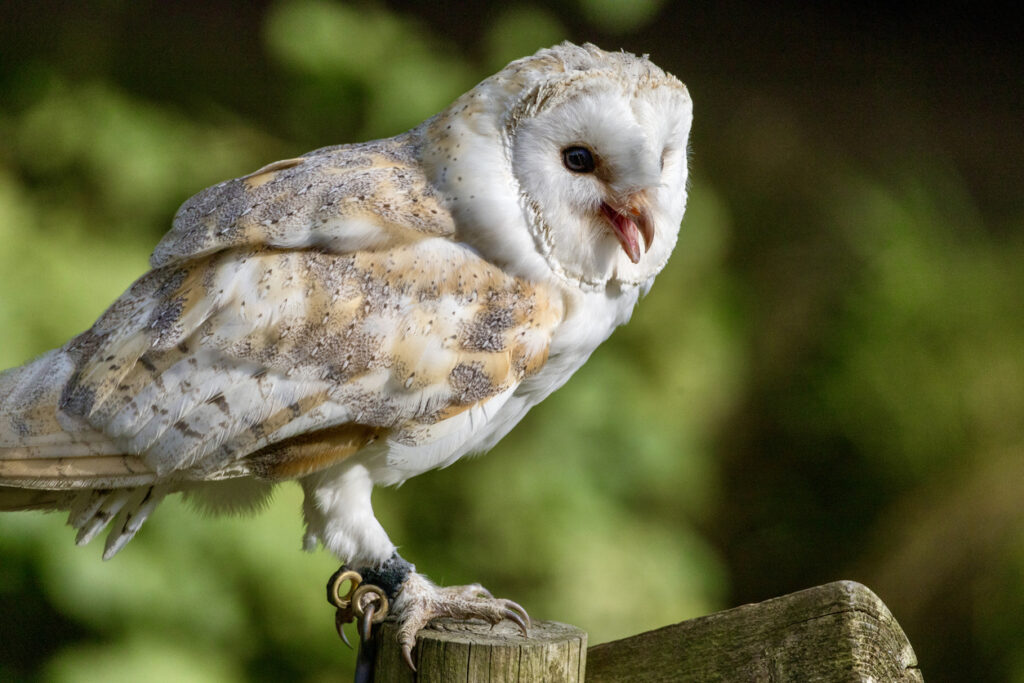
Barn owls are not out of danger yet, but their trajectory is far better than it was forty years ago. Continued conservation, habitat protection, and community projects are vital to keep that trend going. With support, their pale shapes could once again become a familiar part of the British countryside.
Their return is a reminder of how responsive nature can be. When given space, protection, and time, species can come back from the brink. The ghostly flight of the barn owl is proof that hope and persistence in conservation can change the story.