Autumn is the perfect season to think ahead in the garden.
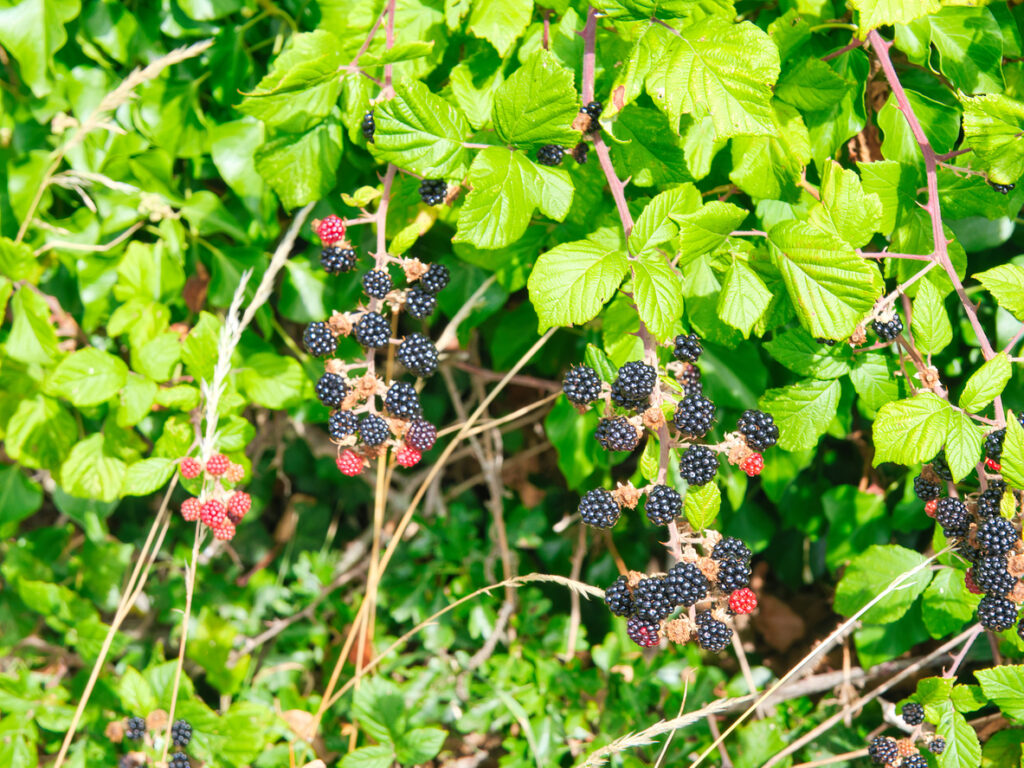
While much of nature is winding down, berry plants are quietly preparing for their next burst of growth. Cooler weather and damp soil give new roots the best chance to settle before winter, meaning stronger, healthier plants when spring returns. By getting them in the ground now, you’re setting yourself up for earlier harvests and bigger yields in the years ahead. Here are the berry plants worth planting in autumn if you want a garden that will reward you with fruit for summers to come.
1. Blackcurrants
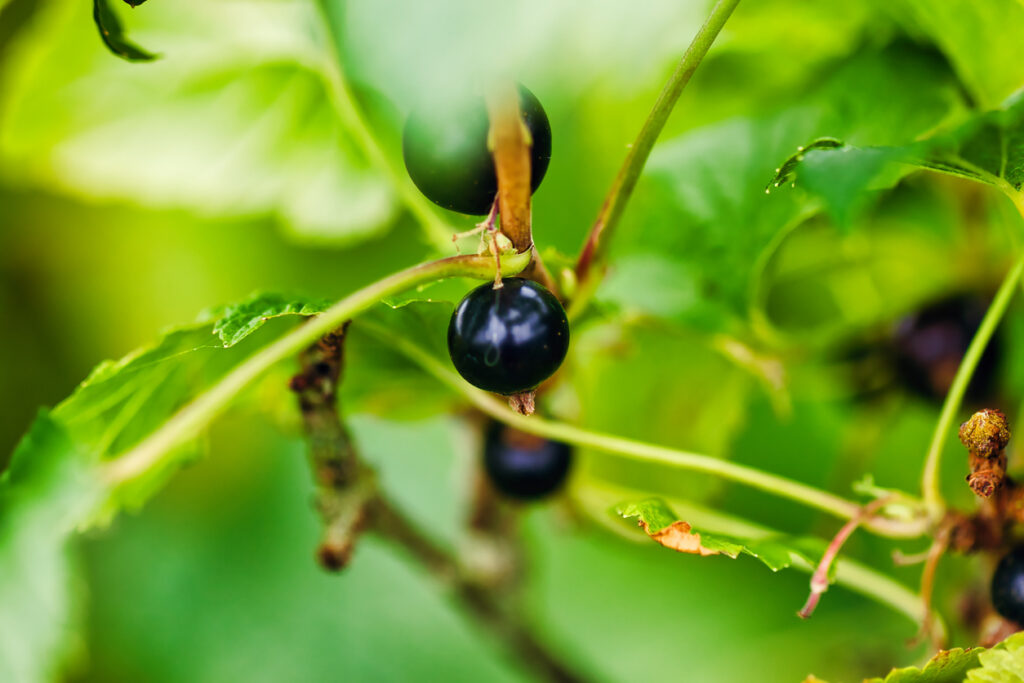
Blackcurrants are a classic choice, well-suited to the UK climate. Hardy and dependable, they thrive in open, sunny spots with rich, moist soil. Planting them in autumn allows their root systems to develop steadily through the cool months, so by the time spring arrives they’re already well ahead. The payoff is a heavy crop of tart, vitamin C–packed berries the following summer.
Once they’re established, blackcurrants don’t ask for much. A tidy prune in winter helps keep bushes healthy, and a bit of mulch around the base locks in moisture. The fruit is versatile too, perfect for jams, cordials, and summer puddings. With a little care, a single bush can provide generous harvests for years.
2. Gooseberries
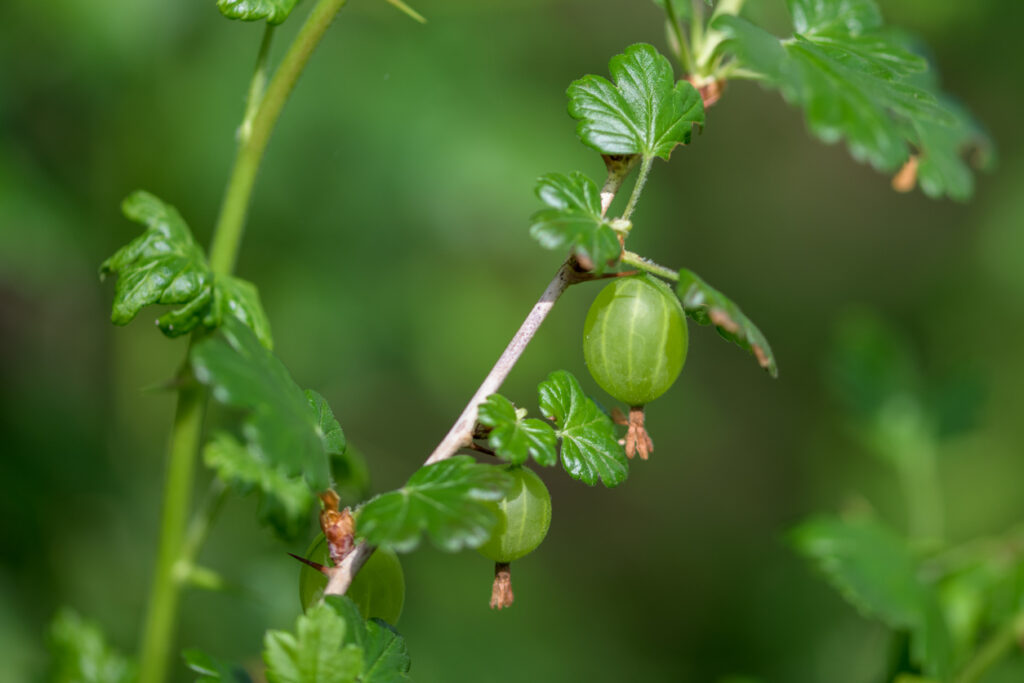
Gooseberries may have fallen out of fashion in some gardens, but they remain one of the best choices for the British climate. These tough shrubs cope well with unpredictable weather, making them reliable fruiters year after year. Planting in autumn means the roots have plenty of time to bed in before spring growth, which results in sturdier, more productive plants.
While they’re low-maintenance, gooseberries benefit from regular pruning. Opening up the centre of the plant allows air to circulate, reducing the risk of mildew and making harvesting easier. Once they’re settled, gooseberries reward you with sharp, tangy fruit that’s excellent for pies, crumbles, and homemade wine.
3. Autumn raspberries
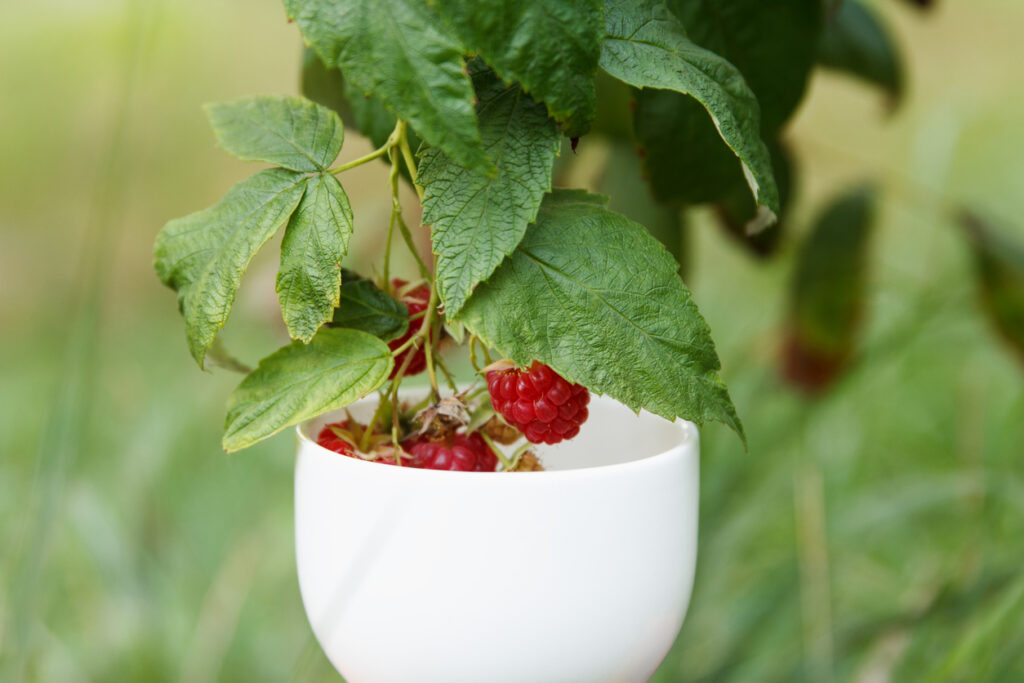
Autumn-fruiting raspberries are a gift for gardeners, producing fresh berries well into September and October when most summer fruits are long gone. If you plant the canes in autumn, they’ll root quietly over winter and shoot up strongly in spring, giving you a crop by next autumn.
One of their biggest advantages is simplicity. Unlike summer raspberries, which require training on wires and selective pruning, autumn raspberries are cut right down to the ground each winter. That makes them one of the easiest berries to manage, and the results are still deliciously rewarding.
4. Summer raspberries
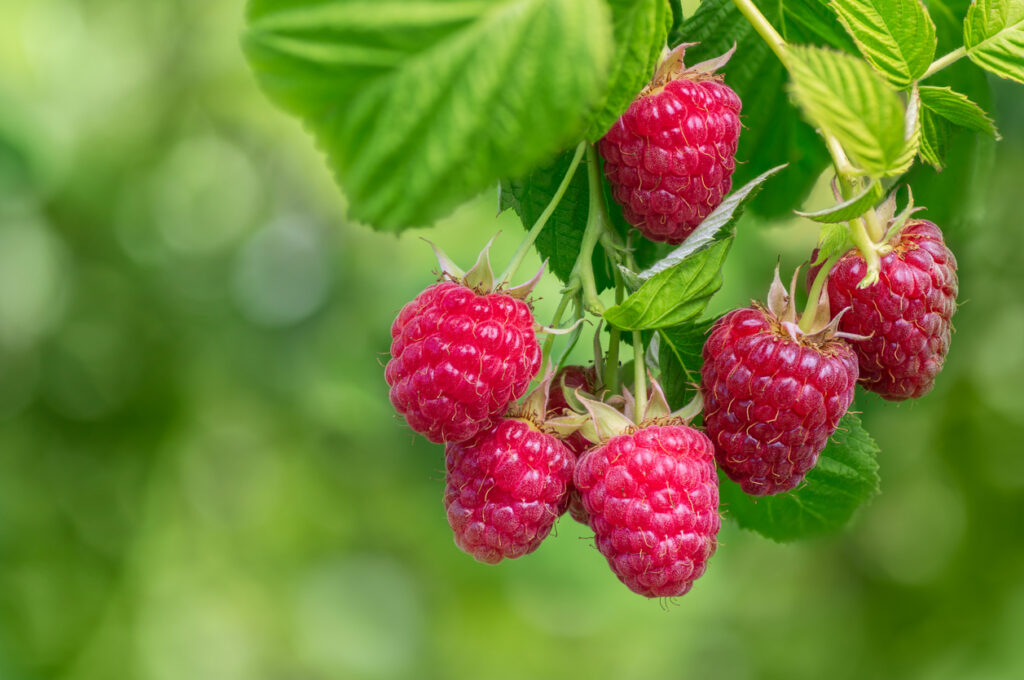
If you want your raspberry season to last as long as possible, add some summer varieties alongside the autumn ones. Planted in autumn, they establish early and produce fruit from June to July, weeks before their later cousins. The combination of both types ensures you’re picking raspberries for several months straight.
Summer raspberries do require a bit more work. The canes need to be supported on wires or trellises, and you’ll have to distinguish between old and new growth when pruning. But the reward is a burst of juicy berries at the start of summer, often with richer flavour than the autumn types.
5. Blueberries
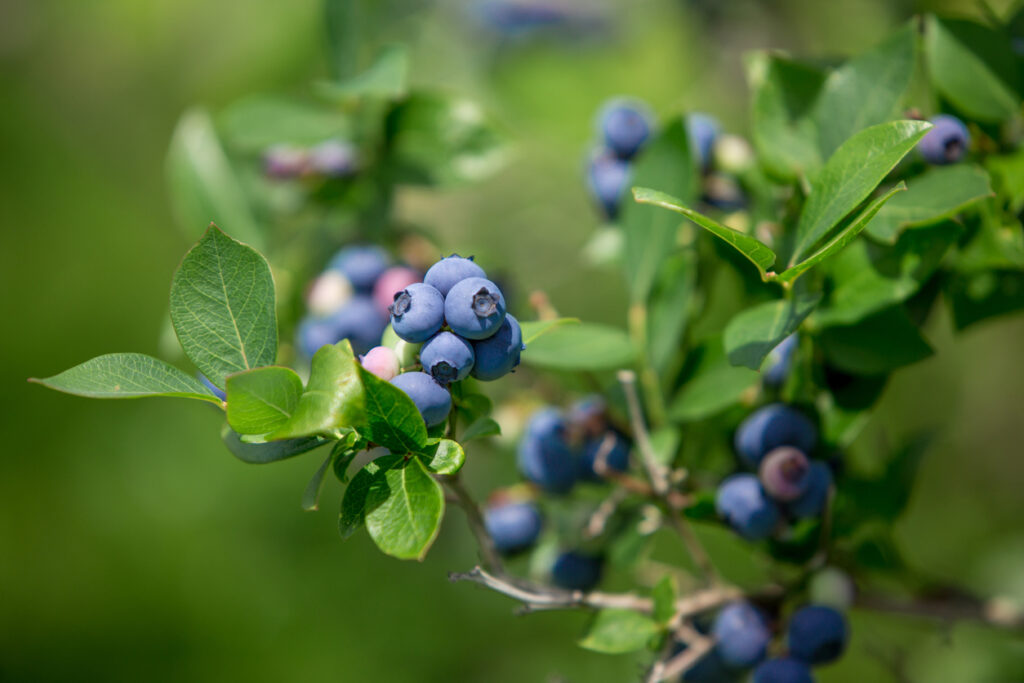
Blueberries have become increasingly popular in UK gardens, not just for their fruit, but also for their ornamental value. They’re one of the few berry plants that reward you in every season: delicate flowers in spring, plump berries in summer, and fiery red foliage in autumn. Planting in autumn means they’ll have well-established roots ready to power new growth when warmer weather arrives.
They do have one special requirement: acidic soil. If your garden soil isn’t naturally acidic, grow them in pots using ericaceous compost. With the right conditions, blueberries can crop generously for years, giving you bowls of antioxidant-rich berries to enjoy fresh or frozen.
6. Strawberries
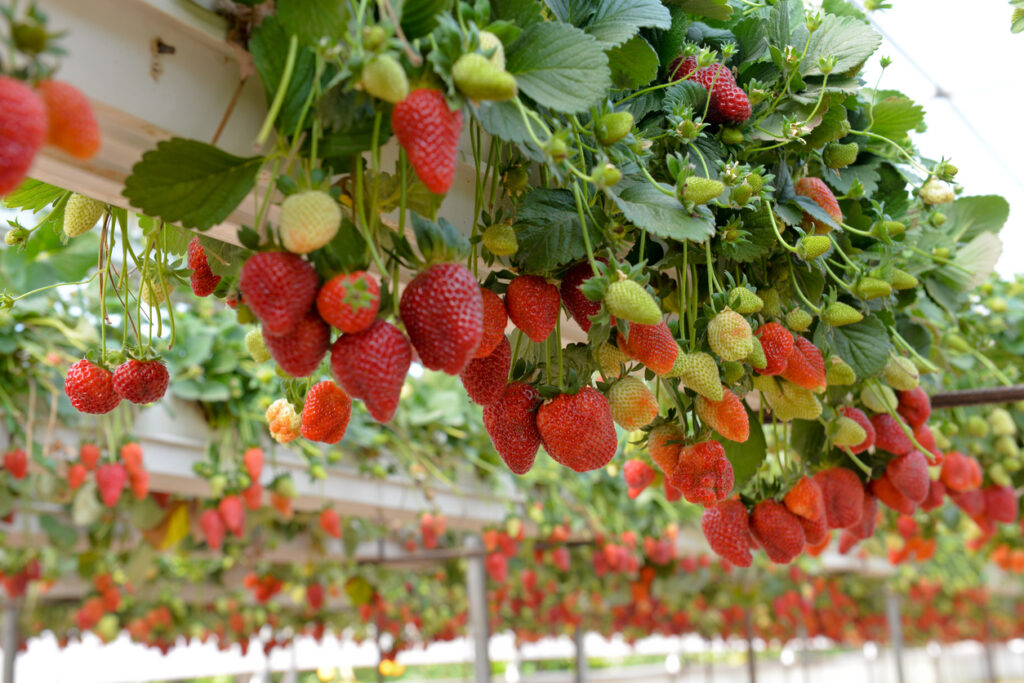
Strawberries are one of the most satisfying fruits to grow, and autumn planting gives them the strongest start. By putting in runners or young plants now, the roots establish well before winter, and the result is an earlier, heavier crop the following summer compared with spring planting.
They’re also extremely flexible. Whether in beds, hanging baskets, or containers, strawberries adapt easily. A layer of mulch in winter protects the crowns from frost, and by June you’ll be harvesting your own sweet berries. The plants remain productive for several years, though many gardeners refresh beds every three or four years to keep yields high.
7. Whitecurrants
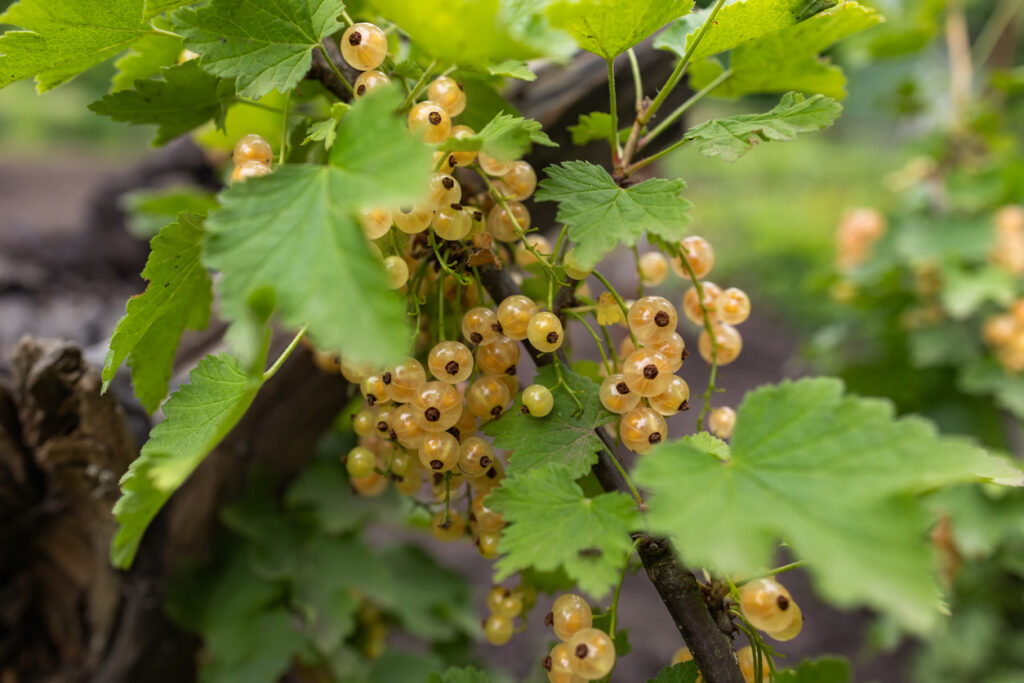
Whitecurrants are less common in British gardens, but they deserve more attention. Their pale, translucent berries are sweeter and milder than black or redcurrants, making them excellent for eating fresh as well as in desserts. Planting them in autumn gives them the same advantages as other currants, allowing roots to strengthen ahead of spring.
They’re just as tough and hardy as their more familiar cousins, coping well with the UK’s damp, cool climate. Once planted, they need little more than a sunny position, decent soil, and a winter prune. A well-cared-for bush can produce reliable crops year after year with very little fuss.
8. Redcurrants
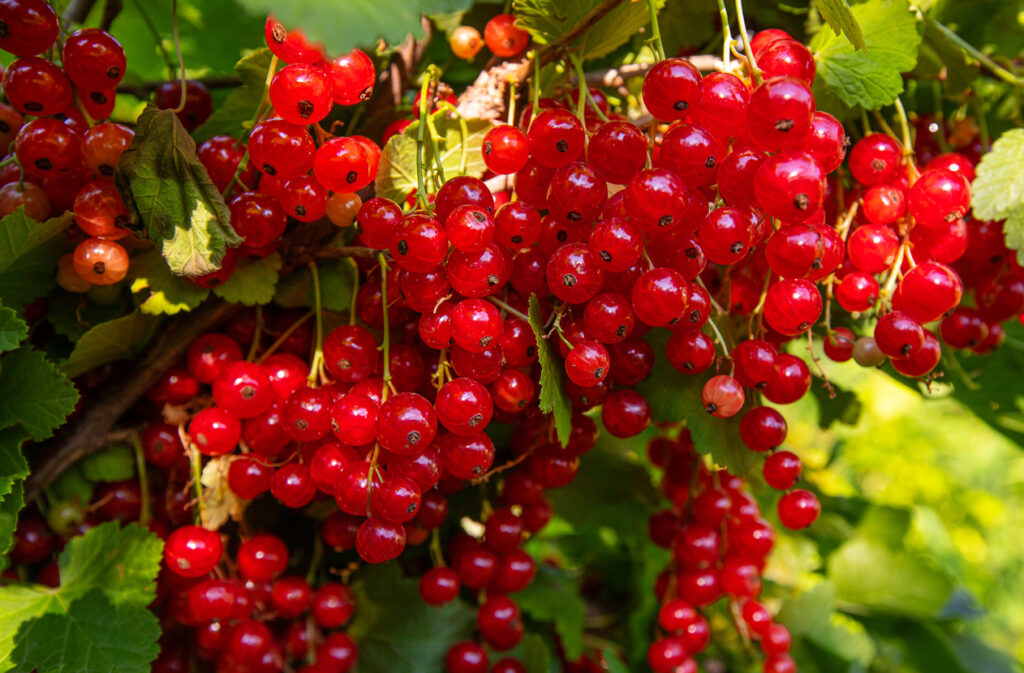
Redcurrants are one of the most attractive berries you can grow, with jewel-like clusters that ripen in midsummer. Their sharp flavour adds sparkle to puddings, sauces, and jellies. If you plant them in autumn, the root systems will be well established by the time growth resumes in spring, ensuring healthier bushes and more consistent harvests.
They’re tolerant plants that do well even in semi-shade, which makes them useful for spots where other fruit might struggle. Once settled, redcurrants are easy to maintain: prune each winter, keep the soil moist, and you’ll be rewarded with reliable harvests every summer.