You leave for work and your dog gives you those sad eyes, making you feel absolutely terrible.

They look absolutely devastated and betrayed by the fact that you’re leaving them behind, and it’s heartbreaking. However, are they actually lonely, or are we projecting human emotions onto them? Here’s what science actually says about dogs and loneliness.
Dogs are pack animals by nature.

Dogs evolved from wolves who live in social groups, so being alone goes against their fundamental nature. They’re hardwired to want company and feel stressed when isolated from their pack, which in domestic life means you and your family.
That pack mentality means dogs genuinely do feel distress when left alone for long periods. It’s not manipulation or attention seeking, it’s a real emotional response to separation. Your dog isn’t being dramatic; they’re experiencing genuine discomfort from isolation.
Separation anxiety is real and measurable.

Scientists can actually measure stress in dogs through cortisol levels, heart rate, and behaviour. Dogs left alone often show elevated stress markers, destructive behaviour, excessive barking, and pacing. These aren’t just bad habits, they’re physical manifestations of distress.
Not all dogs experience separation anxiety to the same degree, but many do struggle with being alone properly. The symptoms are consistent enough that vets recognise it as a legitimate condition needing treatment. Your dog’s reaction to you leaving isn’t just learned behaviour.
Dogs experience boredom, which feels like loneliness.

Even if your dog isn’t anxious, being alone for hours with nothing to do is boring as hell. Dogs are intelligent, social creatures who need mental stimulation. Long periods of nothing happening with no one to interact with feels miserable to them.
The boredom of isolation can lead to depression in dogs. They sleep more, show less interest in things they usually enjoy, and generally seem flat. It’s not dramatic to say dogs get lonely, they genuinely do struggle with extended periods without stimulation.
They form strong attachments to specific people.
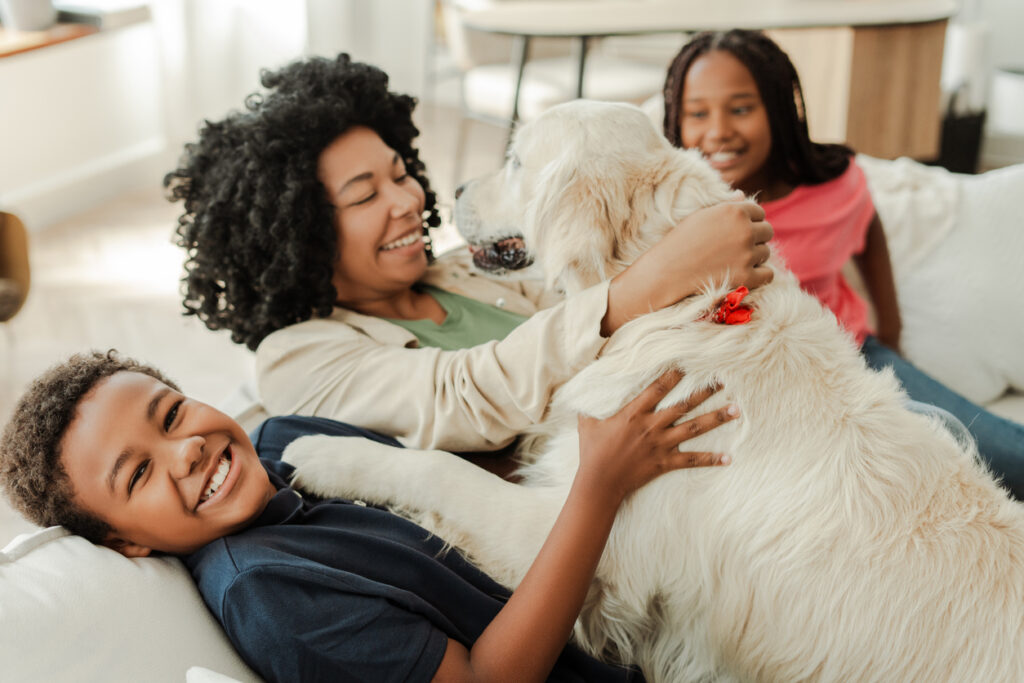
Dogs don’t just bond with humans in general, they form deep attachments to specific individuals. When you’re gone, they’re not just missing having a human around, they’re missing you specifically. Brain scans show their reward centres light up for your scent.
That attachment means your absence is felt more keenly than just any person being gone. Your dog isn’t interchangeable about who keeps them company. They want you, and when you’re not there, they feel that loss like you’d miss a close friend.
Time perception affects how they experience your absence.

Dogs don’t understand time like we do. They can’t rationalise that you’ll be back in eight hours. Five minutes or five hours might feel similarly endless because they can’t conceptualise when you’re returning, making even short absences potentially stressful.
Their lack of understanding about time means every departure might feel permanent to your dog. They don’t know whether you’re popping to the shops or gone forever. The relief they show when you return is genuine because they didn’t know you’d come back.
Some breeds are more prone to loneliness than others

Working breeds and companion breeds were specifically bred to be with humans constantly, so being alone is particularly hard for them. Breeds like spaniels, retrievers, and toy breeds often struggle more with isolation than independent breeds like huskies or certain terriers.
If you’ve got a velcro dog who follows you everywhere, they’re probably suffering more when alone than independent breeds. It’s not weakness, it’s literally what they were bred for. Expecting them to happily tolerate isolation goes against their genetic programming completely.
Dogs show physical symptoms of missing you.

When dogs miss their owners, they often lose appetite, seem lethargic, or get physically ill. These aren’t fake symptoms for attention, they’re genuine physiological responses to emotional distress. The mind body connection in dogs is strong, and loneliness manifests physically.
Dogs who are chronically lonely can develop depression, which affects their immune system, digestion, and overall health. It’s not just emotional, it’s physical. Prolonged loneliness actually makes dogs sick, which proves it’s a real experience they’re having.
They use scent to feel connected to you.

Dogs often sleep on your clothes or bed when you’re gone because your scent comforts them. This isn’t just cute behaviour, it’s them self soothing by surrounding themselves with something that smells like you. It’s their way of coping with absence.
The fact that they seek out your scent specifically shows they’re missing you, not just any human presence. They’re trying to fill the void your absence creates by immersing themselves in something that reminds them of you, which is quite heartbreaking, really.
Other animals can help, but don’t completely replace you.

Having another dog or pet can reduce loneliness somewhat by providing company and social interaction. But studies show dogs still show signs of missing their human even when another animal is present. The other pet helps, but doesn’t eliminate loneliness.
This suggests dogs experience different types of bonds. The relationship with their human is unique and can’t be fully replaced by another animal. It’s like how having friends doesn’t stop you missing your partner. Different relationships serve different needs.
Your dog’s behaviour when you return tells the story.

The over the top greeting when you get home isn’t just excitement, it’s relief. The jumping, spinning, and general losing their mind is them expressing how much they missed you. That level of joy comes from the depth of distress they felt.
If your dog didn’t miss you, they wouldn’t react like you’ve returned from war every time you get home. That greeting is proportional to how much your absence affected them. The bigger the greeting, the more they struggled with being gone.
Modern life isn’t designed for dogs’ social needs.

Historically, dogs worked alongside humans all day or stayed with family groups, where someone was always home. Modern work schedules leave dogs alone for eight plus hours daily, which is genuinely tough for them considering what they were bred for.
This isn’t to make you feel guilty, but to acknowledge that yes, your dog probably does feel lonely. They’re not designed for the solitude modern life demands. Understanding this helps us find solutions like dog walkers or daycare to ease their isolation.
You can help reduce their loneliness.
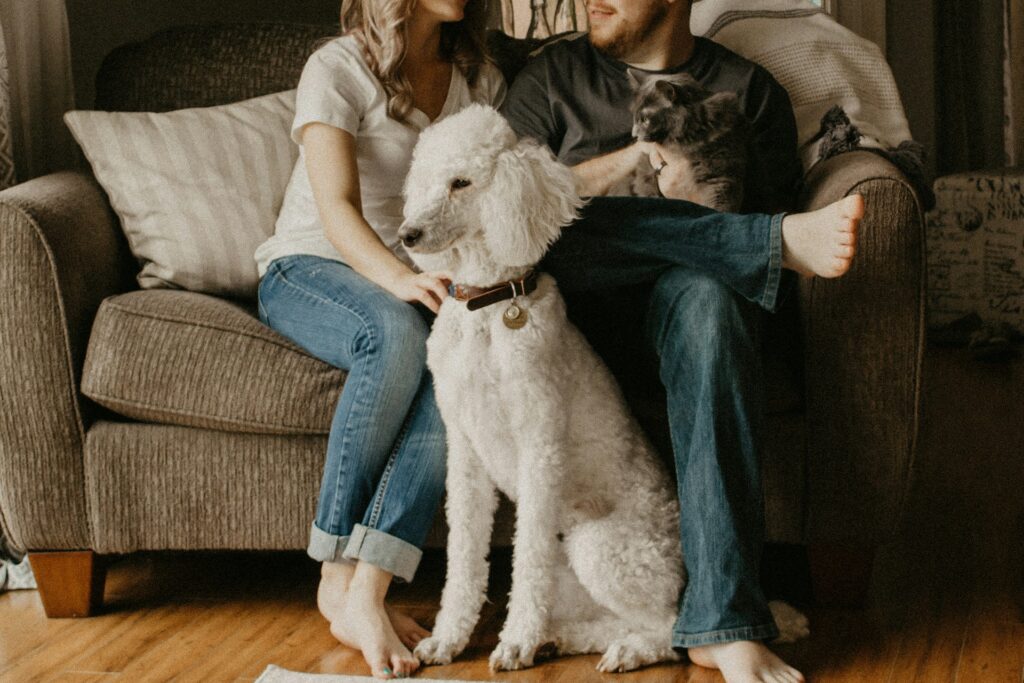
Knowing dogs feel genuine loneliness means you can take steps to help. Interactive toys, leaving the radio on, dog walkers, daycare, or getting another pet can all reduce isolation. Training them to feel secure alone gradually also helps manage anxiety properly.
The key is acknowledging their loneliness is real and deserves addressing, not dismissing it as neediness. Dogs aren’t being manipulative when they struggle with being alone, they’re experiencing genuine emotional distress. Meeting their social needs is basic welfare.