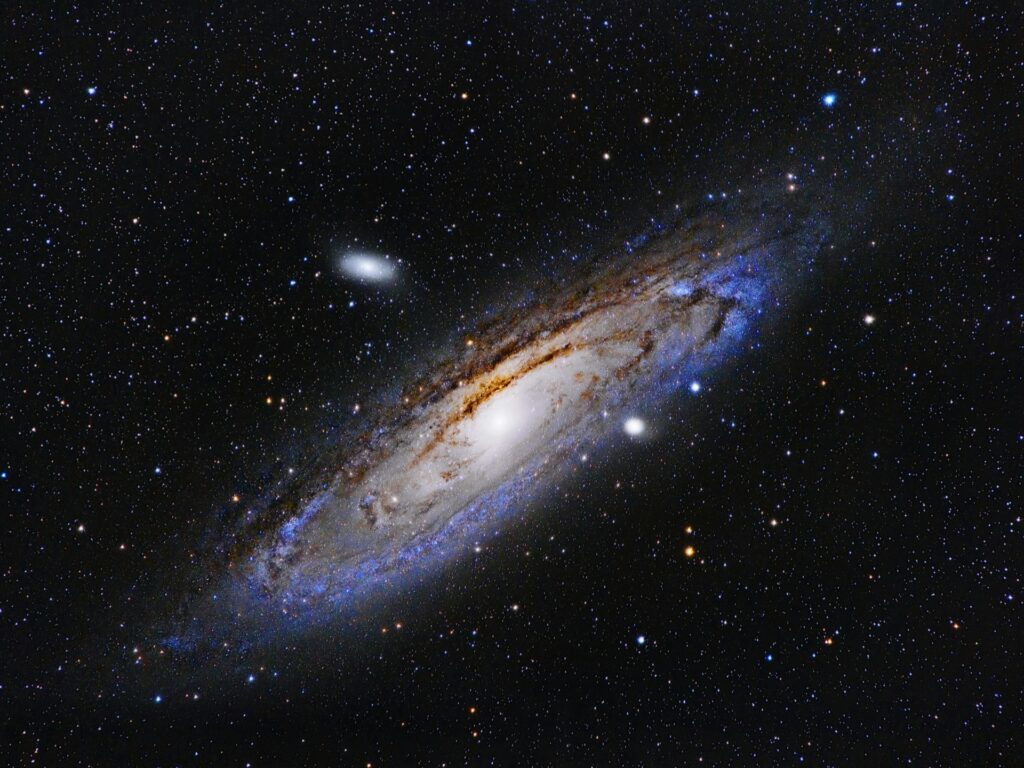
While we tend to think of the universe as a series of “moments,” the reality is that space is a massive time machine. Because light takes time to travel, you’re often looking at events that have already finished, but the signal is only just reaching us now. You’ve likely heard about how we’re seeing stars as they were years ago, but some of the cosmic drama currently appearing in our telescopes actually kicked off billions of years before the Earth was even a clump of dust.
We’re talking about massive explosions and galactic collisions that happened in a completely different era of the universe, only for the “news” to arrive right as you’re checking your phone. These 12 cosmic events show that the universe is playing a massive game of catch-up, and we’re just now witnessing the fallout of things that happened long before our world even existed.
Light from ancient galaxies still travelling toward us
When astronomers look at distant galaxies, they’re not seeing them as they are today. They’re seeing light that set off billions of years ago, back when Earth didn’t exist and the Sun hadn’t formed. That light has been crossing expanding space ever since, stretched and distorted by the universe itself.
Some of that ancient light is still arriving right now, hitting telescopes for the first time. In a very real sense, the universe is still delivering messages sent before our planet was even an idea. Every deep-space image is less like a photograph and more like a time capsule finally being opened.
Supernova shockwaves still expanding through space
Massive stars were exploding long before Earth formed, sending shockwaves racing outward at incredible speeds. Those expanding shells of gas and energy don’t stop once the initial blast fades. They keep moving, shaping nearby star systems and stirring interstellar material.
Some of these shockwaves are still expanding today, influencing regions of space that may one day form new stars or planets. The explosion itself might be ancient history, but its physical effects are ongoing, silently remodelling the galaxy while we go about our lives.
The slow collision of galaxies set in motion billions of years ago
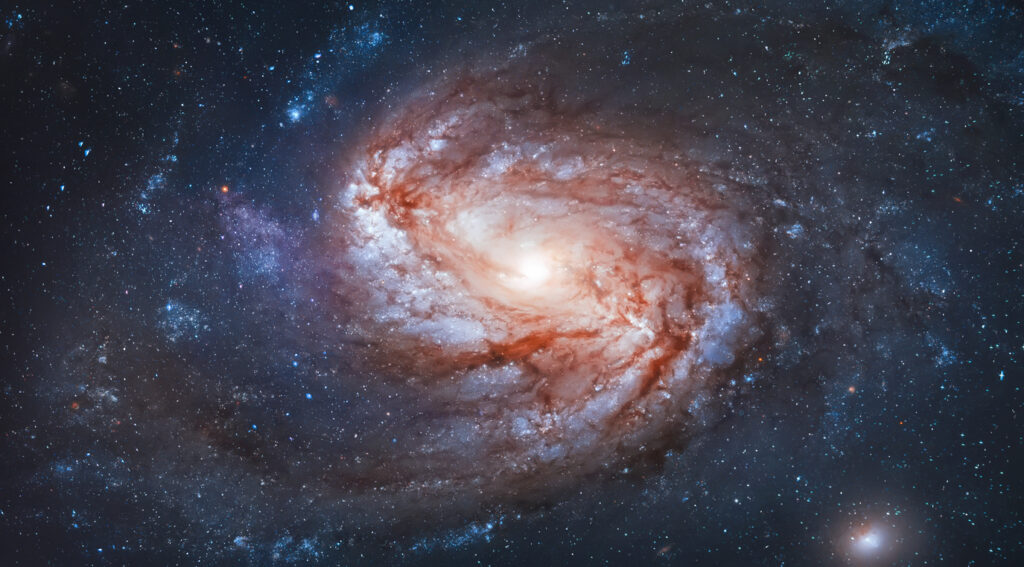
Galaxies don’t suddenly crash into each other. Their interactions begin subtly, with gravitational pulls that take billions of years to play out. Some galaxies currently drifting closer together started that journey long before Earth existed.
What we see now are distorted shapes, stretched arms, and streams of stars pulled out of place. The real collision may still be far in the future, but the event itself is already happening, driven by momentum set in motion before our planet formed.
Black holes still growing from ancient beginnings
Some of the universe’s largest black holes formed astonishingly early, not long after the first stars. Since then, they’ve been feeding slowly, pulling in gas, dust, and even other stars over billions of years.
When we observe black holes consuming matter today, we’re watching a process that began before Earth existed and never really stopped. These objects don’t reset or pause. Their growth is a continuous thread running through almost the entire history of the universe.
Cosmic background radiation still filling space
The universe is bathed in faint microwave radiation left over from its earliest moments. This glow began shortly after the universe formed, long before stars, planets, or galaxies existed.
That radiation is still here now, passing through your body and everything around you. It’s one of the oldest signals in existence, a constant reminder that the universe’s earliest chapter never truly ended. It’s still echoing, everywhere, all at once.
Star clusters slowly breaking apart over billions of years
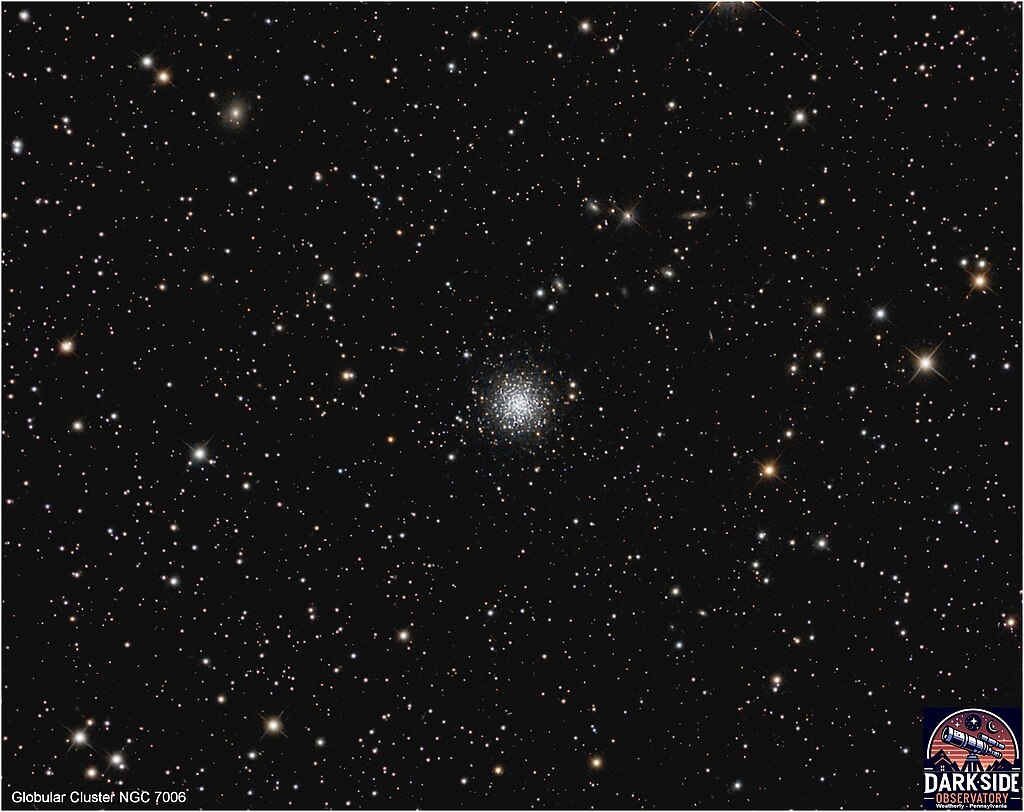
Many star clusters formed early in the galaxy’s history, well before Earth appeared. From the moment they formed, gravity began slowly pulling them apart, star by star.
This process is still ongoing today. Some stars drifting alone through space right now began their journey in clusters that existed long before the Sun. What looks like empty space is often the aftermath of extremely ancient beginnings.
The gradual cooling of ancient white dwarf stars
White dwarfs are the leftover cores of stars that died long ago, some before Earth formed. Once created, they simply cool over immense timescales, fading very slowly.
Many white dwarfs we observe today began cooling billions of years ago and are still doing so now. Their steady dimming acts like a cosmic clock, marking time in a way that dwarfs anything in human history.
Heavy elements still spreading from early stellar deaths
The elements that make up planets, oceans, and even your body were forged in stars that lived and died before Earth existed. When those stars exploded, they scattered heavy elements into space.
That material didn’t instantly settle. It’s been drifting, mixing, and spreading ever since. The atoms in your bones were part of journeys that began long before Earth formed and are still ongoing as matter cycles through the galaxy.
Gravitational waves from ancient cosmic events
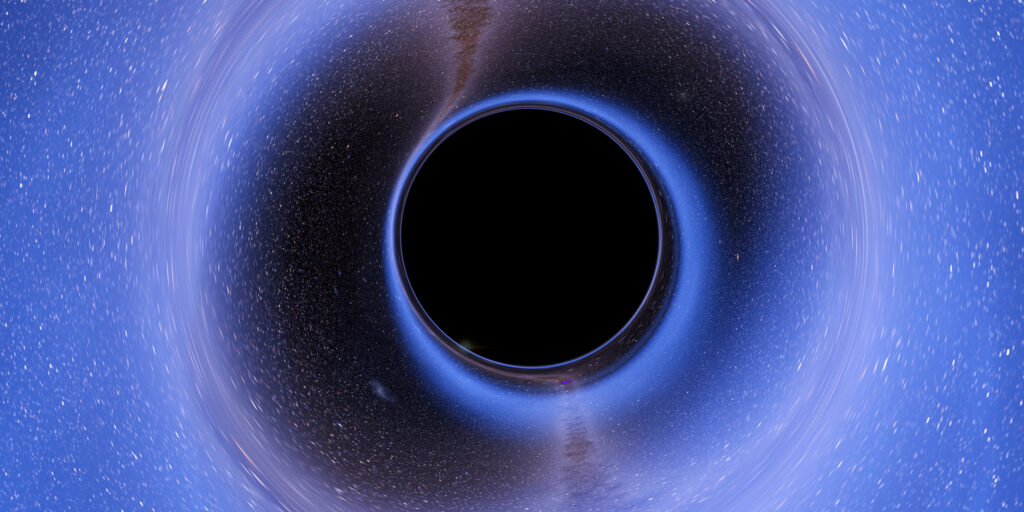
Massive collisions between black holes and neutron stars have been happening for most of cosmic history. These events send ripples through spacetime itself, known as gravitational waves.
Some of the waves detected today were triggered by collisions that happened long before Earth existed. We’re only now developing the tools to notice them, but the universe has been ringing like this for billions of years.
The universe’s expansion, still accelerating
The universe began expanding shortly after it formed, long before Earth existed. That expansion didn’t slow to a stop. In fact, it’s accelerating, driven by forces scientists are still trying to understand.
This expansion is happening right now, stretching space itself between galaxies. Every second, distances grow because of a process that started before stars, planets, or life ever appeared. The universe never stopped moving forward, and it never will.
When you look up at the night sky, you’re not just seeing what’s out there now. You’re witnessing events that began before Earth, before the Sun, and before anything familiar existed. The universe doesn’t wait for observers. It carries on, and we happen to be around just in time to notice a few moments of stories that started unimaginably long ago.