The natural world is often a lot more fragile than we like to admit, and it doesn’t always take a massive disaster to bring the whole thing crashing down.
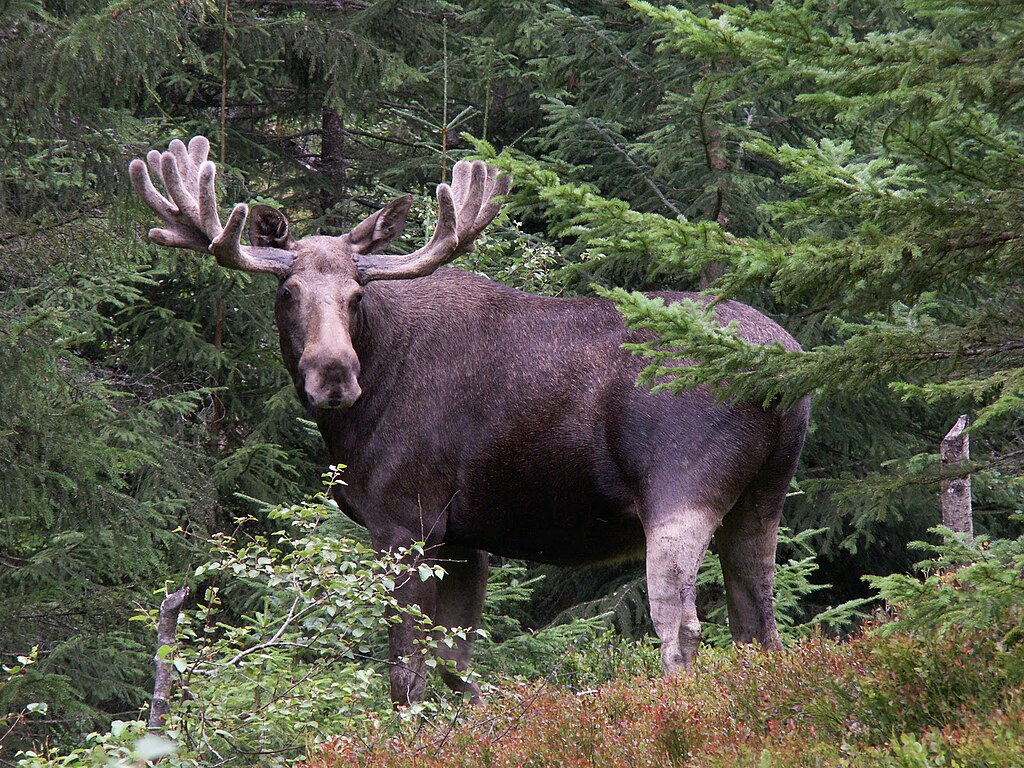
You’ve likely heard about how ecosystems are connected, but you probably don’t realise just how much they rely on a single, tiny “keystone” to hold everything in place. It’s like a massive game of Jenga where everyone’s been moving the pieces about for thousands of years, and now we’re down to the last few blocks.
If you take out one specific insect, change the temperature by just a fraction of a degree, or move a single predator out of the area, the entire system can start to unravel in ways that are almost impossible to stop. We aren’t talking about a slow decline here; we’re talking about a total collapse, where the rules of the environment change overnight because one small link in the chain snapped. These 10 examples show that nature isn’t a solid, unbreakable machine, but a delicate balance where even the smallest tweak can have a massive, messy ripple effect.
1. Keystone predators keep entire ecosystems from collapsing.
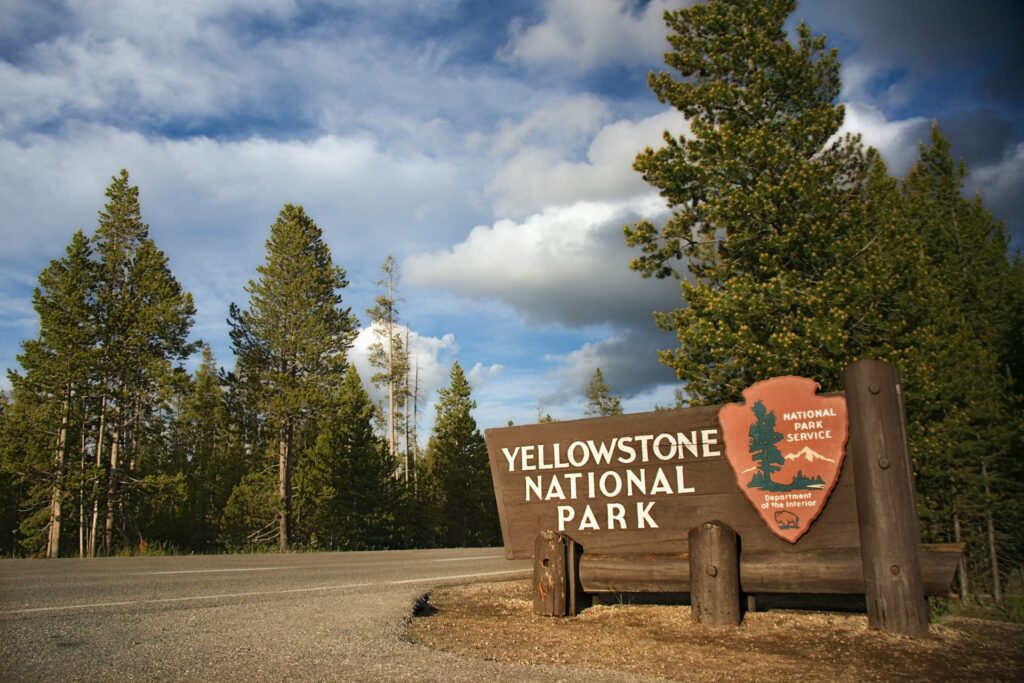
Remove wolves from Yellowstone and elk populations explode, overgrazing vegetation along rivers which causes erosion and destroys fish habitat. The wolves weren’t just killing elk, they were controlling where elk grazed and how they behaved, which affected plants, rivers, beavers, birds, and basically everything else.
When wolves were reintroduced after 70 years, the entire ecosystem restructured itself within a decade. One predator species controls cascading effects through multiple levels of the food web, and without them the whole system degrades.
2. Coral reefs die without tiny algae living in their tissues.
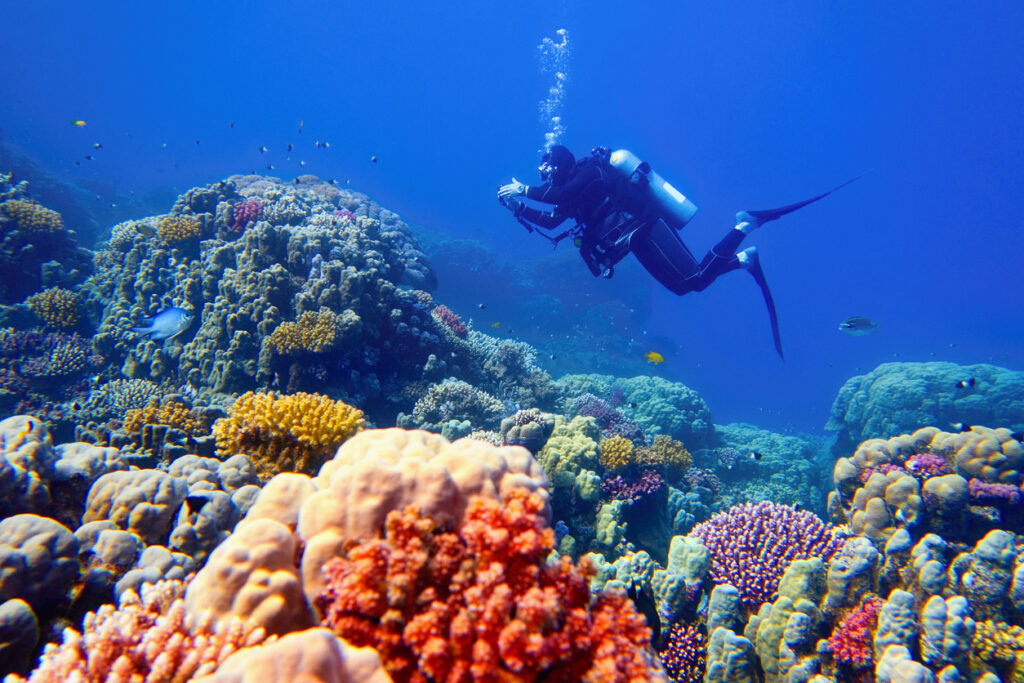
Corals rely completely on zooxanthellae algae living inside them that produce food through photosynthesis, and when water temperature rises even slightly, the algae die or get expelled. Without the algae, coral turns white and starves because it can’t produce enough food on its own.
The entire reef ecosystem that depends on coral for habitat then collapses, affecting thousands of species. A temperature increase of just 1–2 degrees sustained over weeks can trigger mass bleaching events that destroy reefs that took centuries to build.
3. Bee populations crashing threatens entire food systems.

About a third of crops humans eat depend on pollination, mostly by bees, and bee populations declining means crop failures across multiple plant species. One insect group disappearing doesn’t just impact honey production, it affects apples, almonds, berries, vegetables, and loads of wild plants that then can’t reproduce.
The animals that eat those plants are then affected, creating cascading collapse through food webs. Industrial agriculture with monocultures, pesticides, and habitat loss is killing bees faster than populations can recover, threatening food security globally.
4. Ocean currents shift when polar ice melts.

The Gulf Stream and other major ocean currents depend on temperature and salinity differences, and melting ice is diluting ocean salt content, which disrupts these currents. If the Gulf Stream slows or stops, Western Europe loses the warming effect that makes its climate temperate despite being at the same latitude as Canada.
This isn’t theoretical; it’s already measurably slowing, and complete shutdown would cause agricultural collapse and uninhabitable winters across Europe. One change in polar regions affects weather patterns and temperatures across entire hemispheres.
5. Gut bacteria balance affects your entire immune system.

Your digestive system contains trillions of bacteria that don’t just digest food, they train and regulate your immune system and affect everything from mood to disease resistance. One course of broad-spectrum antibiotics can wipe out beneficial bacteria and allow harmful ones to dominate, creating cascading health problems.
The gut microbiome affects weight, mental health, inflammation, and susceptibility to disease, and disrupting it creates issues far beyond digestion. Restoring balance after it’s been destroyed is really difficult because the ecosystem of your gut is as complex as any natural environment.
6. Forest fires being prevented makes catastrophic fires inevitable.
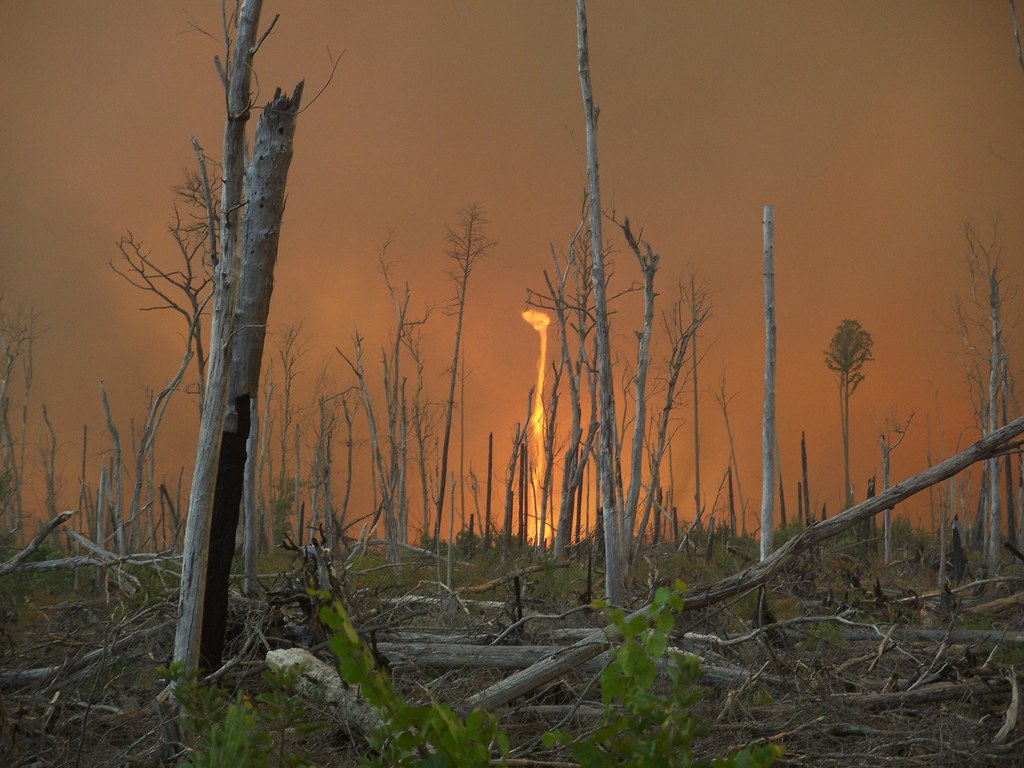
Natural fires clear undergrowth and prevent fuel buildup, but decades of fire suppression means forests now have accumulated so much dead material that fires burn catastrophically hot. These megafires destroy everything, including mature trees and soil that would’ve survived natural low-intensity fires.
Preventing small natural fires seemed like protecting forests, but actually created conditions for fires that truly devastate ecosystems and can’t be controlled. The system evolved with regular fire as part of its cycle, and removing that one element makes the whole thing unstable.
7. Plankton decline affects oxygen production and carbon storage.
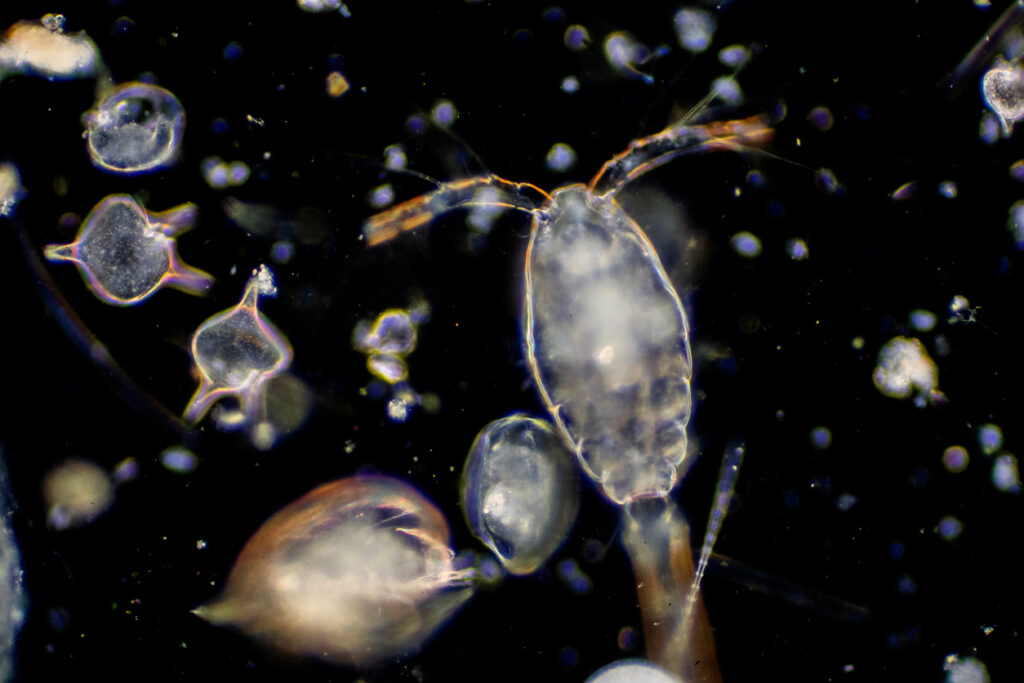
Phytoplankton produce about half the oxygen on Earth and absorb massive amounts of carbon dioxide, but warming oceans and pollution are killing them in some areas. These microscopic organisms form the base of ocean food webs, so their decline affects everything from small fish to whales.
They also regulate atmospheric oxygen and carbon levels, so their population crashing would affect life on land too. Something invisible that most people never think about is actually critical to making Earth habitable.
8. Wetlands disappearing removes natural flood control.
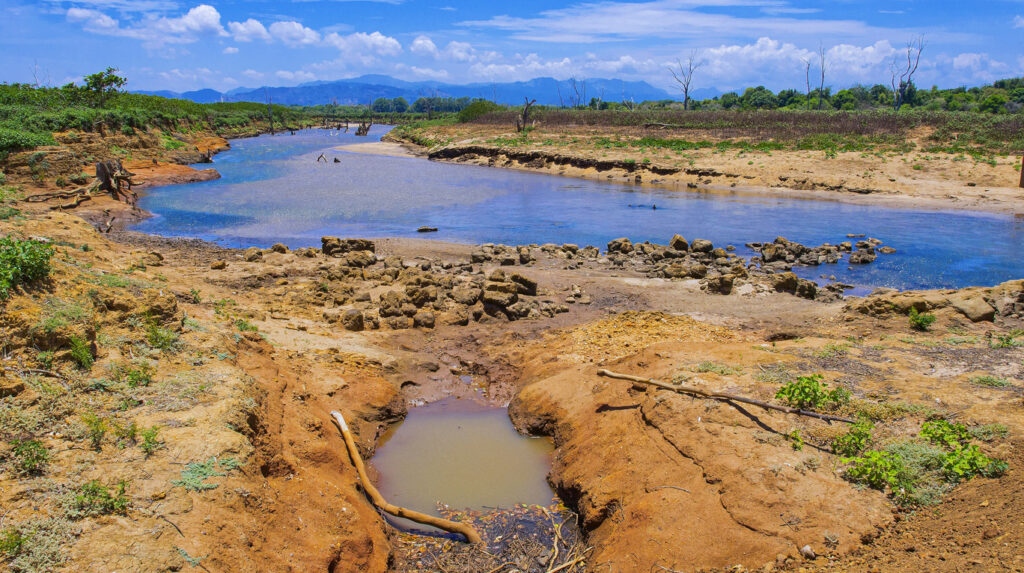
Wetlands absorb and slow water during storms and gradually release it, preventing flooding downstream, but draining them for development removes this natural buffer. Without wetlands, rivers flood more severely and more frequently because water hits drainage systems faster than they can handle.
The wetlands also filtered pollutants and provided habitat for loads of species, so losing them creates multiple cascading problems. Cities that destroyed wetlands decades ago now spend millions on engineered flood defences that don’t work as well as the natural system they replaced.
9. Earthworm populations crashing degrades soil quality.

Earthworms aerate soil, break down organic matter, and create conditions where plants can access nutrients, but pesticides and intensive farming are killing them in agricultural areas. Without earthworms, soil becomes compacted and less fertile, requiring more artificial inputs to grow crops, which further damages soil health.
This creates a cycle where farming practices destroy the natural system that makes soil productive, requiring ever-increasing intervention to maintain yields. Soil degradation is happening globally, and earthworm loss is a major factor most people don’t consider.
10. Mountain snowpack timing changing affects water supplies.
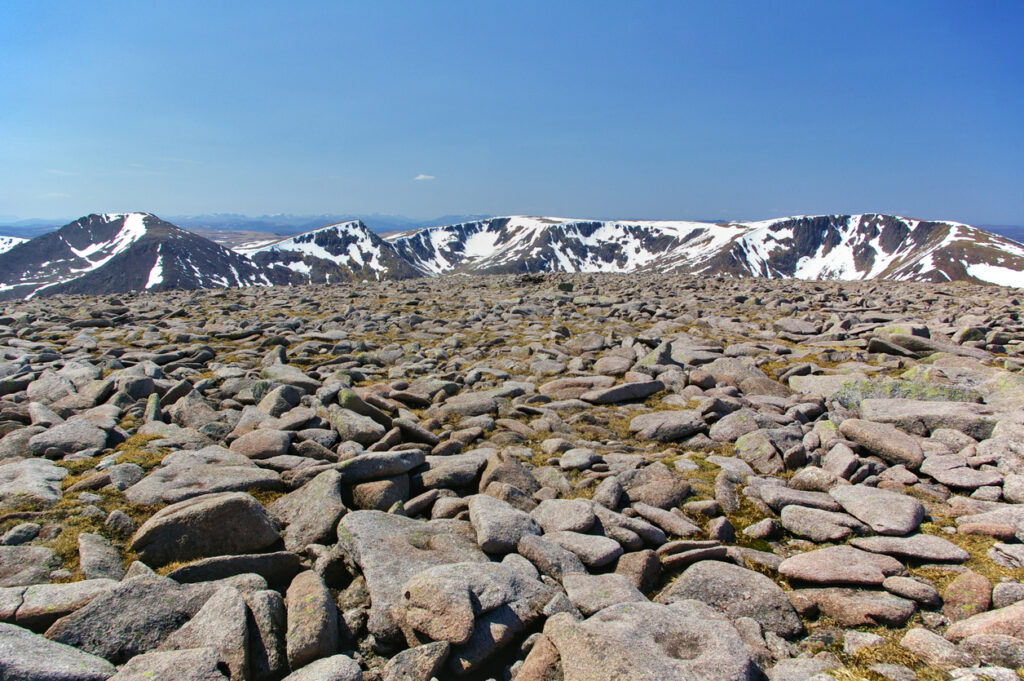
Snow in mountains acts as a natural reservoir that slowly releases water through spring and summer when it’s needed, but warming means snow melts earlier and faster. Rivers fed by snowmelt now flood in early spring, then run dry in summer when farms and cities need water most.
Needless to say, this impacts irrigation, drinking water, hydroelectric power, and ecosystems adapted to predictable water flows. One change in when snow melts ripples through water management, agriculture, and ecology across entire regions that depend on mountains as water towers.