While the leaves of a plant get all the glory for soaking up the sun and looking pretty, they’re essentially just the flashy front-of-house staff.
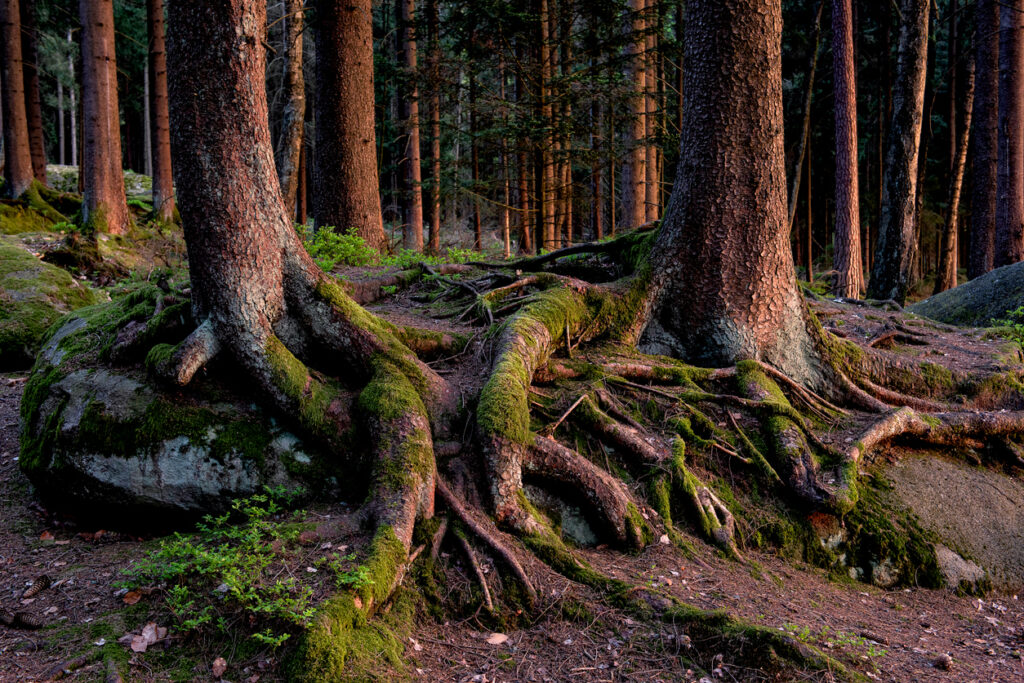
The real power—the decision-making, the communication, and the survival strategy—is happening entirely out of sight in the root system. You’ve likely spent your life thinking roots are just passive straws sucking up water, but they’re actually more like a sophisticated command centre. They’re constantly scanning the soil for danger, bartering with fungi, and sending chemical orders up the stem that tell the leaves exactly how to behave.
From deciding when a plant should stop growing to warning the neighbours about an incoming pest, roots have a level of control that makes the rest of the plant look like a mere passenger. The impressive ways roots run the show prove that if you want to understand how a plant really works, you’ve got to stop looking at the branches and start looking at the dirt.
1. Roots decide whether a plant lives or dies during drought.

When water becomes scarce, root depth and spread determine survival, but leaves can only reduce water loss through closing stomata. A plant with shallow roots dies, but one with deep roots accessing groundwater survives the same drought. No amount of healthy leaves saves a plant if roots can’t find water, but extensive roots can keep a plant alive even with damaged foliage. The root system’s ability to explore soil for moisture is what actually determines drought tolerance, not anything leaves do.
2. Root health determines nutrient availability more than soil quality.

Rich soil means nothing if roots are damaged or diseased and can’t absorb nutrients, while healthy roots can extract nutrition from relatively poor soil. Root hairs and mycorrhizal relationships with fungi massively increase the surface area available for nutrient absorption. A plant can have perfect leaves but if roots aren’t functioning properly, it’ll show deficiency symptoms regardless of what’s in the soil. The root system’s effectiveness at mining nutrients from soil determines what resources the whole plant has access to.
3. Roots control when and whether a plant flowers.

Root-to-shoot ratio affects flowering, and stressed roots often trigger early flowering as a survival mechanism. A plant with restricted roots will flower and set seed early because the root system is signalling that conditions are declining and reproduction needs to happen now. Container plants flower younger than ground-planted ones, partly because limited root space triggers flowering signals. The root system is constantly assessing conditions and communicating whether it’s time to invest energy in growth or reproduction.
4. Hormone production in roots controls above-ground growth.

Roots produce cytokinins that regulate shoot growth and leaves produce auxins that affect root growth, but roots have more control in this relationship. Root-produced hormones determine how tall a plant grows, how many branches it produces, and how the canopy develops. When roots are damaged or restricted, the hormones they produce change and the entire plant architecture shifts. The chemical signals from roots essentially direct what’s happening above ground far more than most people realise.
5. Roots determine a plant’s stability against wind and weather.

The strongest trunk and healthiest leaves mean nothing if roots can’t anchor the plant properly during storms. Trees with shallow or compromised root systems blow over, but those with deep, extensive roots survive the same winds. Root architecture determines whether a plant stays upright or topples, and once established, there’s not much you can do to fix poor root structure. The invisible underground support system is what actually keeps plants standing, not the visible bits above ground.
6. Root mycorrhizal networks connect and support entire plant communities.
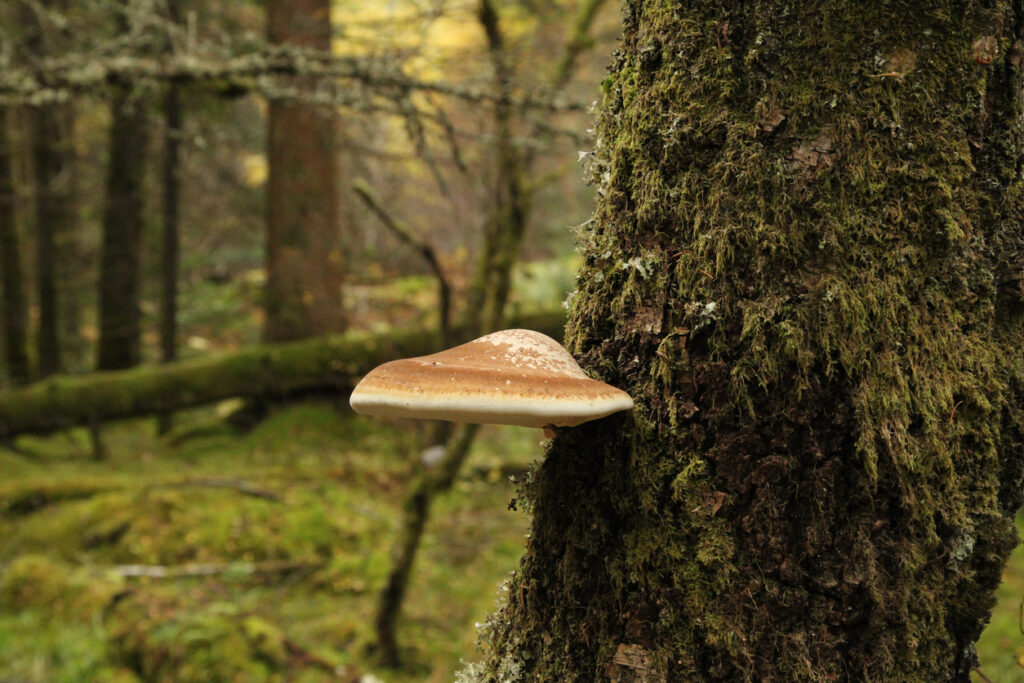
Roots form relationships with fungi that create networks connecting multiple plants, allowing them to share resources and chemical signals underground. These fungal networks mean a plant’s roots aren’t just accessing what’s immediately around them but tapping into a community resource system. Larger, established plants can support younger ones through these networks, and plants can warn neighbours about pest attacks through root-mycorrhizal communication. The root network creates a cooperative system that individual leaves could never achieve.
7. Roots store energy that determines spring growth.

Perennials and trees store carbohydrates in roots over winter, and the size and health of the root system determines how vigorously they grow in spring. A plant with extensive, healthy roots emerges strong, while one with damaged roots struggles regardless of what the leaves looked like last season. The energy reserves in roots are what fund new growth before leaves can even start photosynthesising. What you see in spring growth is actually a reflection of what the roots stored the previous year.
8. Root exudates shape the soil environment around them.
Roots actively change soil chemistry by releasing compounds that affect pH, attract beneficial microbes, and inhibit competing plants. These chemical secretions create a customised environment that serves the plant’s needs, recruiting helpful bacteria and fungi while deterring threats. Roots aren’t passive absorbers, they’re actively engineering the soil they grow in. The chemical warfare and cooperation happening underground through root exudates shapes plant communities more than above-ground competition ever does.
9. Roots sense and respond to obstacles before leaves know they exist.

Root tips can detect rocks, compacted soil, toxic conditions, and competing roots, then alter growth direction to avoid problems or seek better conditions. This sensing happens continuously as roots explore soil, making decisions about where to grow before the plant experiences any above-ground symptoms. By the time leaves show stress, roots have already been dealing with the problem and trying to route around it. The root system is the plant’s primary sensory and decision-making system for its environment.
10. Root damage often kills plants, while leaf damage rarely does.
You can remove half a plant’s leaves, and it’ll recover fine, but significant root damage is often fatal because roots can’t regenerate as easily. Transplant shock, root rot, and physical root damage frequently kill plants while they still look fine above ground because roots are dying invisibly. By the time leaf symptoms appear, root damage is often severe and irreversible. The root system is the critical infrastructure that everything else depends on, and protecting roots matters far more than protecting leaves.